In an era where information is just a swipe away, the most intimate and pressing questions facing adolescents often remain the most difficult to answer. While the internet is flooded with content, finding reliable, scientifically accurate, and empathetic guidance on puberty, sexual health, and identity can feel like searching for a needle in a digital haystack. Enter Wahrscheinlich Peinlich (Likely Embarrassing), a groundbreaking project under the funk banner—the content network of Germany’s public broadcasters ARD and ZDF—which is fundamentally changing how the public sector approaches sex education for Gen Z.
Main Facts: A Digital Safe Space for Sensitive Topics
Wahrscheinlich Peinlich operates primarily on TikTok, the social media platform where the demographic it serves—teenagers and young adults—spends a significant portion of their daily lives. The core mission of the format is to dismantle the shame surrounding puberty and sexual development.
The project addresses the "unspoken" questions that rarely make it to the dinner table or the schoolyard: "When will I grow hair?", "Am I gay?", "What is the correct way to kiss?", or "Which condom size is actually appropriate?" By adopting the persona of an approachable, non-judgmental older sibling, the channel provides a platform where no question is deemed too trivial or too sensitive.
The format is distinguished by its blend of humor and serious, evidence-based journalism. It does not merely aim to educate; it seeks to foster self-acceptance. By prioritizing an open, interactive dialogue in the comment sections, Wahrscheinlich Peinlich ensures that its content remains relevant to the evolving needs of its audience, ultimately empowering young people to make informed decisions about their own bodies, preferences, and relationships.
Chronology: From Volontariat Project to Digital Staple
The genesis of Wahrscheinlich Peinlich is a testament to the power of youth-led innovation within traditional media institutions.
2020-2022: The Incubation Phase
The concept was birthed by the 26th class of volunteers (Volontäre) at the Mitteldeutscher Rundfunk (MDR). Over a nine-week intensive development phase, a team of ten young journalists and media professionals conducted a comprehensive audit of existing sex education materials. They analyzed gaps in current public service broadcasting, surveyed hundreds of teenagers to identify their most pressing concerns, cast hosts who could embody the desired "older sibling" energy, and drafted the initial content strategy.
The Launch
Supported by the MDR WISSEN editorial team, the project transitioned from a pilot into a fully realized production. Recognizing the potential for wider impact, the format was integrated into funk, the youth-oriented digital network of ARD and ZDF. This transition provided the project with the necessary reach and structural backing to scale its operations while maintaining its journalistic integrity.
Present Day
Today, the channel stands as one of the few high-quality, publicly funded sex education initiatives on TikTok. It continues to iterate its strategy, responding to new cultural conversations around gender identity, consent, and digital-era dating.
Supporting Data: Why "Peer-to-Peer" Journalism Works
The success of Wahrscheinlich Peinlich is not accidental; it is rooted in the strategic application of "peer-to-peer" journalism. According to recent studies on adolescent media consumption, young people are increasingly skeptical of "top-down" institutional messaging. They prefer content that feels authentic, informal, and delivered by individuals they perceive as relatable peers.
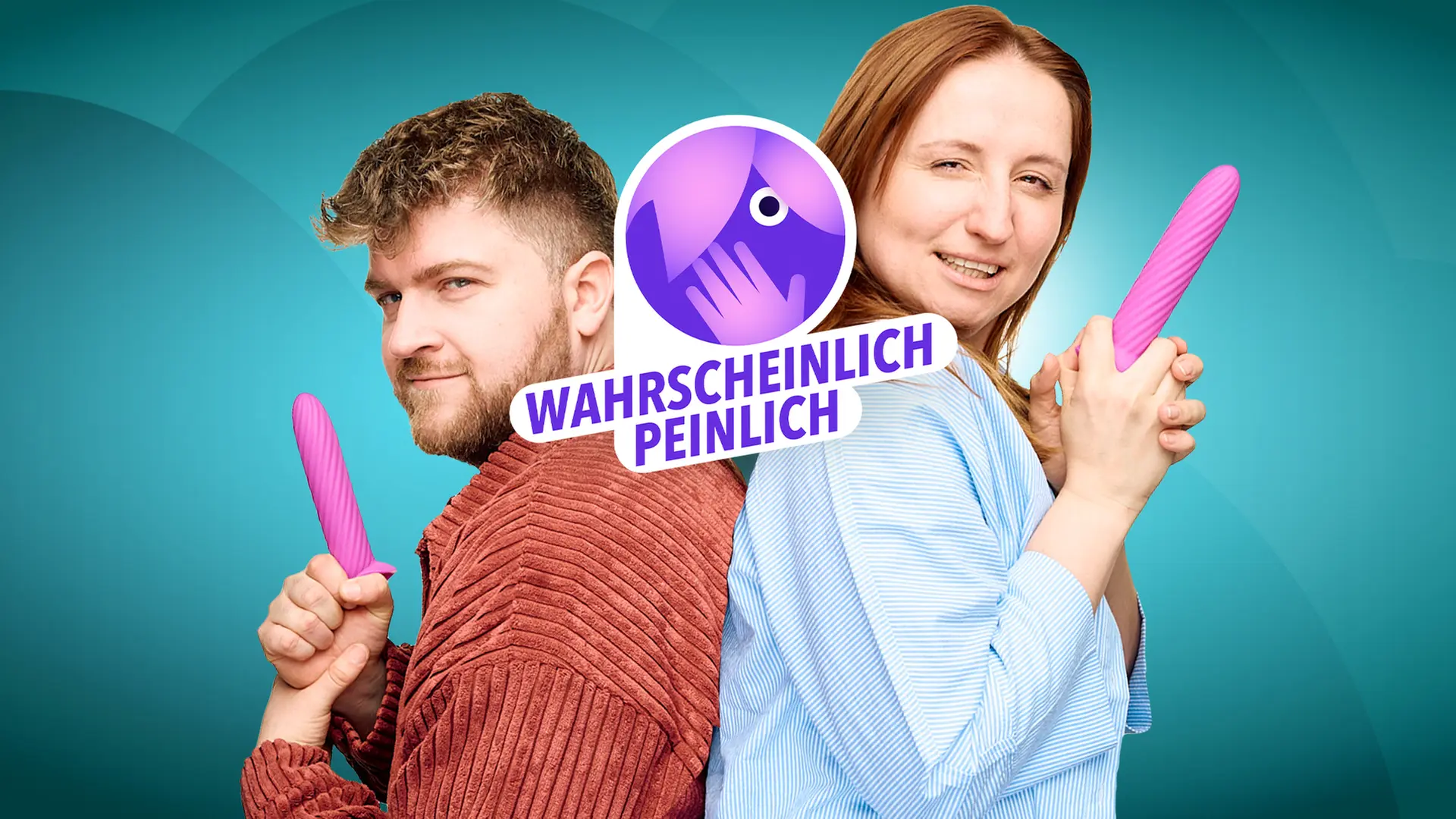
The hosts, Marie and Max, act as the bridge between clinical, dry medical information and the lived, often messy, experience of adolescence. By tackling topics like the nuances of the "first time," hygiene, and flirting etiquette, the project achieves high engagement rates that traditional television formats struggle to replicate.
Furthermore, the data suggests that the "comment-section culture" is a primary value-add. When a user asks a question in the comments, they are often met with responses from both the editorial team and a supportive community. This creates a feedback loop:
- Inquiry: A user posts a question.
- Analysis: The editorial team identifies if the topic is trending or reflects a broader knowledge gap.
- Creation: A new, short-form video is produced to answer that specific question, often incorporating humor to lower the barrier to entry.
- Validation: The community engages with the content, further legitimizing the inquiry and reducing the stigma for others.
Official Responses and Editorial Philosophy
The editorial stance of the MDR and funk regarding this format is one of "radical accessibility." The producers emphasize that sex education is a fundamental human right and a core component of public health. By providing this service on a platform like TikTok, the public broadcaster is fulfilling its mandate to reach all segments of society, even those who might avoid traditional news outlets.
However, operating in such a sensitive space requires strict adherence to ethical guidelines. The producers maintain a clear distinction between "educational content" and "medical advice." While they offer guidance, they consistently encourage viewers to consult professionals for medical issues. Furthermore, the channel is strictly governed by the standard ARD/ZDF comment policies, which ensure that the community space remains free of hate speech, harassment, and inappropriate behavior, despite the potentially provocative nature of the subject matter.
Implications: The Future of Public Service Broadcasting
The emergence of Wahrscheinlich Peinlich has significant implications for the future of public service media.
1. Reaching the "Unreachable"
Many public broadcasters struggle to connect with audiences under the age of 25. Wahrscheinlich Peinlich proves that if the content is framed correctly—without condescension and within the visual language of the platform—younger audiences will actively engage with public service content. It moves the needle from "content produced for youth" to "content produced with youth."
2. Destigmatizing Health Education
By placing sex education in a casual, short-form video format, the project normalizes conversations that were previously relegated to dark corners of the internet. This contributes to a broader societal shift toward healthier attitudes regarding consent, body positivity, and sexual health.
3. The Role of the "Journalist-Creator"
The format highlights a shift in the journalistic profession. Hosts like Marie and Max are not just presenters; they are part of the editorial process. They engage in research, scriptwriting, and community management. This "multi-hyphenate" role is becoming the gold standard for digital-first journalism, where the ability to synthesize complex topics into 60-second clips is as valuable as traditional reporting skills.
4. Expanding the Scope of Public Service
Ultimately, the success of this project challenges the notion that public broadcasting should only cover politics, economy, or hard news. It asserts that helping a generation navigate the complexities of puberty and identity is a public good, worthy of funding, rigor, and professional editorial oversight.
Conclusion
Wahrscheinlich Peinlich is more than just a TikTok account; it is a vital public service resource. By meeting young people exactly where they are—socially, emotionally, and digitally—it has managed to turn a subject matter historically fraught with shame into an empowering, informative, and even entertaining dialogue. As digital media continues to evolve, the success of this project serves as a blueprint for how public institutions can remain relevant, necessary, and deeply human in the 21st century.
For any teenager scrolling through their feed at 3:00 AM, wondering about a physical change or an emotional stir they don’t quite understand, Wahrscheinlich Peinlich is a reminder that they are not alone—and that there is no question too embarrassing to be asked. In a world that is often overwhelming, that simple promise of support is a revolutionary act.