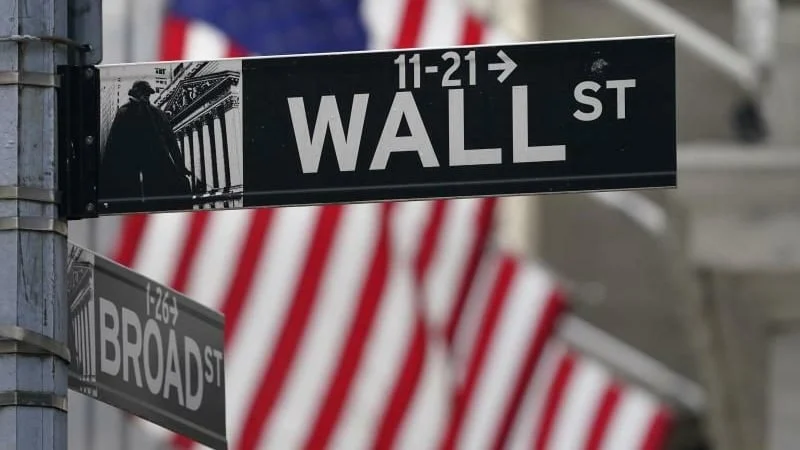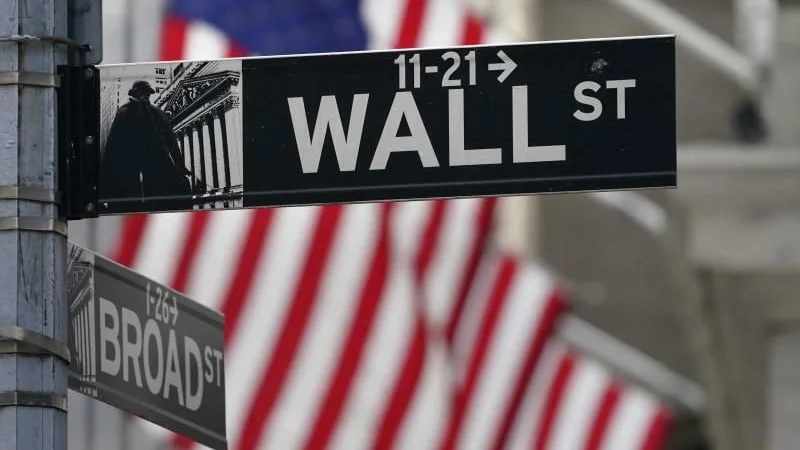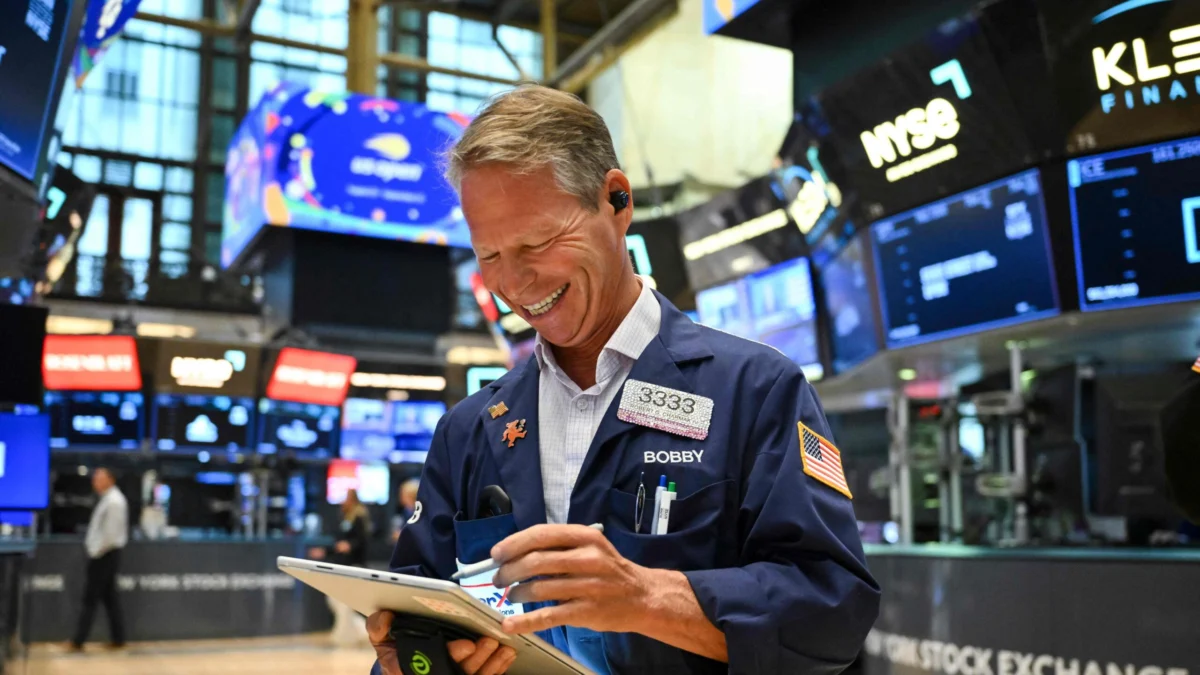
The artificial intelligence sector, once riding an uninterrupted wave of unbridled optimism, has faced significant scrutiny in recent months. Investors have been grappling with the "AI bubble" narrative, fueled by reports of massive capital expenditures that have yet to yield proportional revenue. However, the release of the long-awaited IPO documentation from Anthropic, the developer behind the powerful Claude model, has unexpectedly served as a catalyst for a market reversal.
Despite revealing significant financial losses, the document has provided the transparency that institutional investors craved. By offering a clearer view of the operational realities, unit economics, and strategic roadmap of a premier AI laboratory, Anthropic has, ironically, helped stabilize a volatile market. As tech indices from Wall Street to Seoul rebound, the industry is recalibrating its expectations, shifting from blind hype to a more nuanced, fundamentals-driven analysis.
The Core Facts: Transparency Amidst the Red Ink
The primary reason for the market’s positive reaction is not the profitability of the company, but the clarity of its disclosure. Anthropic’s IPO filing, while confirming the industry-wide trend of "growth at all costs," provided a detailed look at the financial architecture of a leading foundation model provider.
The document reveals that Anthropic is currently operating at a significant deficit, with losses reaching into the billions. This is largely attributed to the immense costs associated with training large language models (LLMs), including the acquisition of high-end NVIDIA GPUs and the massive energy requirements for inference and model development.
However, the market reacted positively to the three key pillars of optimism outlined in the document:
- Commercial Traction: Evidence of enterprise adoption and increasing revenue velocity from high-tier clients.
- Infrastructure Efficiency: Clear strategies for scaling models more efficiently, which investors believe could lead to margin expansion over the next 24 months.
- Strategic Differentiation: A focus on safety and constitutional AI, which the company frames as a competitive moat against rivals like OpenAI and Google, attracting security-conscious enterprise customers.
A Chronology of the Shift
The sentiment shift did not happen in a vacuum. It was the result of a month-long cooling period in the markets that preceded the filing.

- Mid-2024: Concerns regarding the "AI spend" began to mount. Analysts questioned when the massive hardware investments made by hyperscalers would translate into software-as-a-service (SaaS) revenue.
- Early Q3 2024: Semiconductor stocks, the "picks and shovels" of the AI gold rush, entered a correction phase. High-profile companies saw their valuations slide as investors rotated into defensive assets.
- The Filing Date (Monday): Anthropic published its S-1 style disclosure documents. Rather than focusing on the headline losses, analysts parsed the document for growth signals and partnership details.
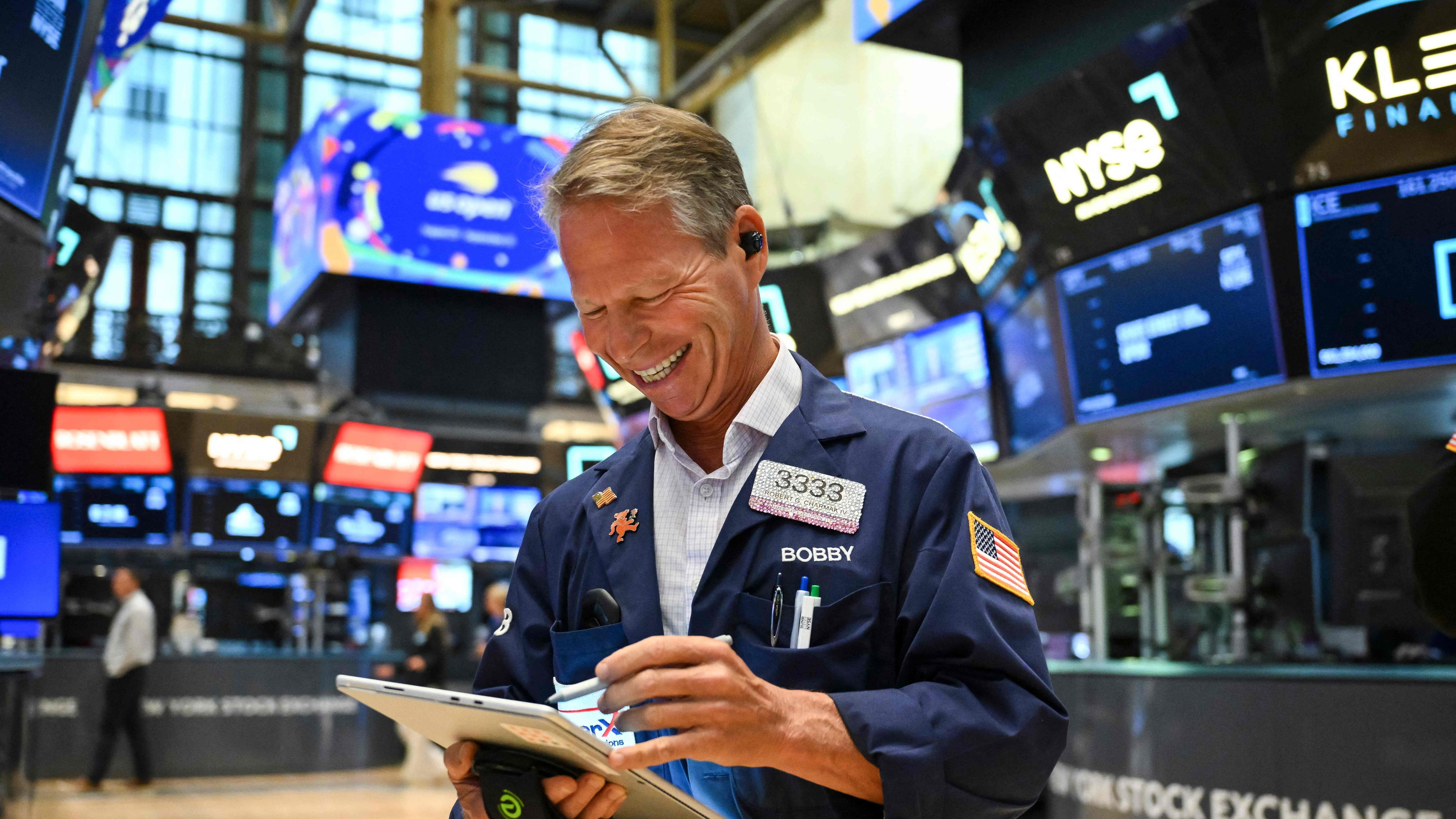
- The Market Reaction: Within 24 hours of the disclosure, the Philadelphia Semiconductor Index surged by 2.8%, marking its strongest single-day performance in a month. By Tuesday, the momentum had crossed the Pacific, with South Korea’s KOSPI index—heavily weighted by semiconductor giants like Samsung and SK Hynix—climbing 3%.
Supporting Data: The Quantitative Rebound
The data underscores a clear correlation between the release of the filing and the broader market recovery. The Philadelphia Semiconductor Index, a critical barometer for the health of the AI supply chain, did not just halt its decline; it accelerated.
Market Performance Metrics:
- Philadelphia Semiconductor Index: Following the release, it gained 2.8% on Monday, followed by an additional 3% gain on Tuesday, effectively erasing the losses from the previous two weeks.
- KOSPI (South Korea): The index, which has been under pressure due to fears of a semiconductor glut, jumped 3% on Tuesday morning as investors bet that AI demand remains robust despite the high entry costs for companies like Anthropic.
- Unit Economics: While the filing showed deep losses, it also highlighted a decreasing cost-per-token for inference. For investors, this is the "holy grail" metric—proof that the technology is maturing and moving toward long-term sustainability.
Official Responses and Industry Outlook
Market analysts and industry insiders have viewed the Anthropic filing as a "reality check" that the market actually needed.
"The market was suffering from a lack of information," noted a leading technology analyst from a major financial firm. "By showing exactly how the sausage is made—the costs, the compute requirements, and the revenue targets—Anthropic has turned fear into a calculable risk. Investors prefer known risks to the abstract, existential anxiety that has dominated the sector for the last quarter."
Internally, Anthropic has maintained a narrative of long-term value creation. In their leadership notes, they emphasize that the current period of "heavy investment" is a necessary precursor to establishing a "durable, safety-first platform." They argue that the enterprise sector is only just beginning to integrate LLMs into core operations, suggesting that the current revenue figures are merely the "tip of the iceberg."
Implications: What This Means for the Future
The "Anthropic effect" signals a maturing of the AI investment cycle. We are moving away from the phase where any company with "AI" in its name receives a premium valuation, and into a phase where the market demands rigorous business cases.

1. A Flight to Quality
Investors are now distinguishing between companies that have a clear path to monetization and those that are merely burning cash to train models without a distinct competitive advantage. Anthropic’s ability to secure blue-chip partners—including major cloud providers—suggests that the industry will likely consolidate around a few key players who can prove their utility.
2. The Infrastructure Pivot
The rebound in semiconductor stocks suggests that the market is confident that the "build-out" phase of AI is not over. The surge in the KOSPI index indicates that investors believe chipmakers will continue to see strong demand from companies like Anthropic, even if those companies are currently running at a loss.
3. Regulatory and Ethical Considerations
Anthropic’s emphasis on "Constitutional AI" has become a central part of their investment thesis. As governments move toward stricter AI regulation, companies that have embedded safety and ethics into their base models may find themselves with a significant regulatory advantage. This is now being priced into the stock, as investors see "safety" as a risk-mitigation strategy that protects against future legal liabilities.

4. The End of the "Hype" Era?
Perhaps the most significant implication is that the era of blind, irrational exuberance is ending. The market has shown that it is capable of absorbing "bad" news (like massive losses) as long as it is accompanied by a credible, transparent plan. This is a sign of a healthier, more professionalized investment environment.
Conclusion
The release of Anthropic’s financial documentation has served as an unexpected stabilizer for the global AI ecosystem. By shedding light on the financial realities of building the next generation of artificial intelligence, the company has provided the market with the data necessary to move past the initial shock of high capital expenditures.
While the path to profitability remains long and fraught with competition, the recent market rebound demonstrates that investors have not lost faith in the potential of AI. Instead, they have matured. They are no longer buying into the hype; they are buying into the reality—and for now, that reality appears robust enough to keep the engine of the AI revolution running at full speed.

As we look toward the remainder of the fiscal year, all eyes will be on whether these firms can maintain their growth trajectory while steadily improving their margins. If the industry can continue to demonstrate this level of transparency, the current "correction" may be remembered not as the end of the AI boom, but as the moment it truly became a legitimate, foundational pillar of the global economy.