As the autumn leaves carpet the forest floor and the damp, cool air signals the peak of the mushroom season, a new breed of gatherer is emerging in German woodlands. Armed with more than just a traditional wicker basket and a pocket knife, participants of the "Species Olympics 2026" (Artenolympiade 2026) are turning to their smartphones to document the hidden diversity of the undergrowth. Spearheaded by the Natural History Museum in Leipzig, this initiative invites the public to transform their weekend walks into vital contributions to scientific research.
Main Facts: A New Approach to Nature Discovery
The "Species Olympics 2026" is a nationwide Citizen Science initiative that encourages amateur naturalists to identify and catalog wild species—specifically fungi—using the mobile application ObsIdentify. While the traditional pursuit of mushroom hunting is often motivated by the desire to fill a dinner plate, this project shifts the focus toward ecological awareness and data collection.
By photographing mushrooms, insects, and plants, users provide researchers with high-quality, geotagged data points. This information is crucial for monitoring biodiversity trends across Germany, especially as climate change continues to alter the growing seasons and distribution patterns of various fungi. The initiative is open to everyone, regardless of prior botanical expertise, and offers participants the chance to engage with nature on a deeper level while contributing to a massive, crowd-sourced database.
Chronology: From Concept to National Participation
The project, which launched earlier in 2026, is currently entering its final, most productive phase. As the autumn humidity triggers a massive flush of fungal fruiting bodies, the organizers have issued a renewed call to action for those who may have missed the early-year launch.
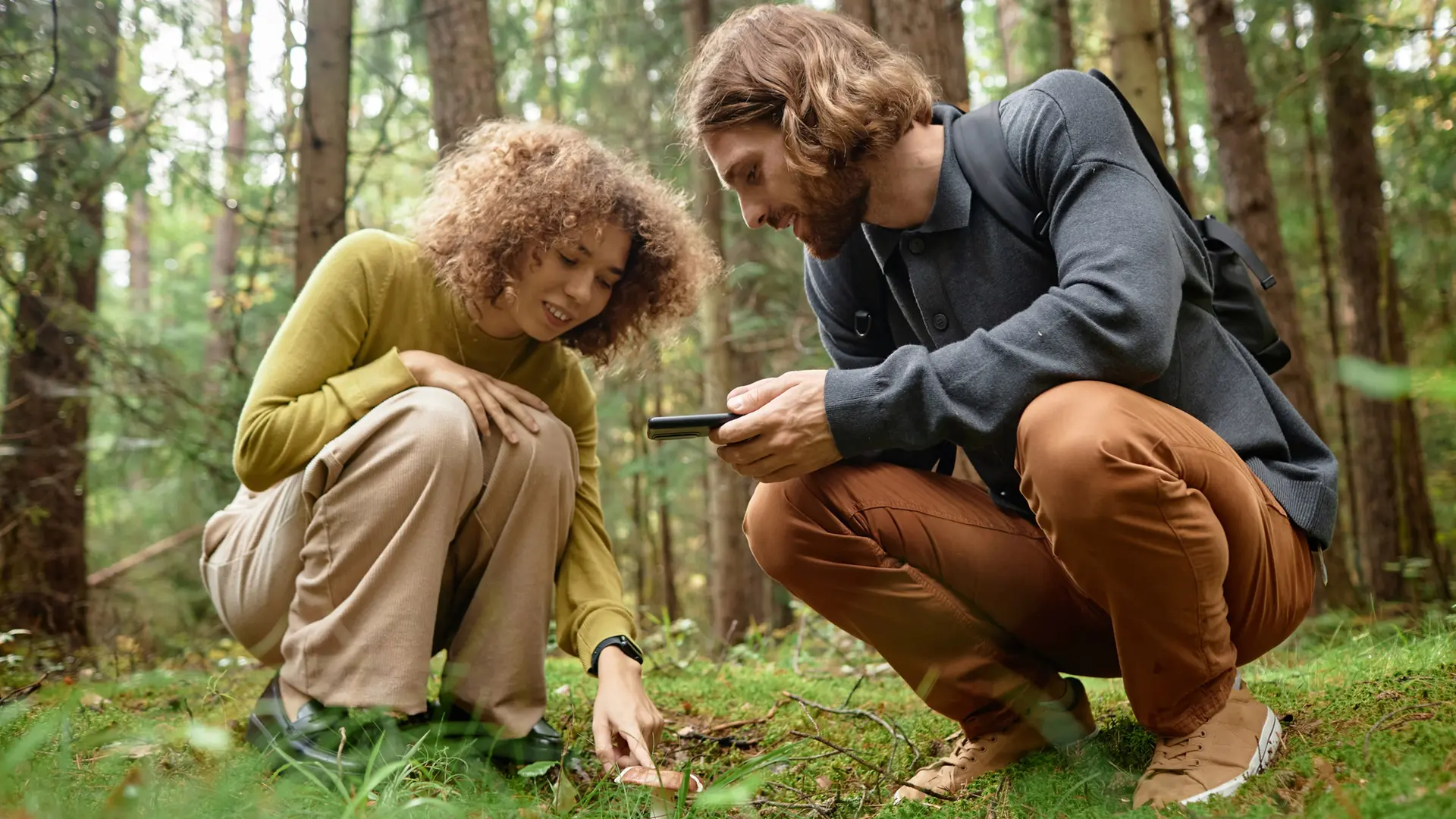
- Early 2026: Official launch of the Species Olympics, with the Natural History Museum Leipzig providing the framework for public engagement.
- Spring/Summer 2026: Initial data gathering phase focusing on flora and fauna. As the weather warmed, the community grew, establishing a robust network of users.
- October 2026: The "peak season" alert. With optimal fungal growing conditions, the museum emphasized that the coming weeks are critical for documenting species that are otherwise ephemeral.
- Year-End 2026: The conclusion of the competition. Participants who have submitted the most valuable data or demonstrated significant engagement are eligible for various rewards and recognition.
Supporting Data: The Power of Mycelial Networks
Understanding why we collect this data requires looking at what lies beneath the surface. The mushrooms we see—the caps, gills, and stalks—are merely the "fruiting bodies" of a much larger, complex organism. The vast majority of the fungus exists as a subterranean network of filaments known as the mycelium.
The Symbiotic Connection
Mycelia are not just passive inhabitants of the soil; they are architects of the forest ecosystem. Through a process called mycorrhiza, many fungi form symbiotic relationships with tree roots. They exchange essential nutrients like phosphorus and nitrogen, which the fungi extract from the soil, for sugars produced by the trees through photosynthesis.
Research supported by data collected through projects like the Species Olympics helps scientists map these invisible networks. This "Wood Wide Web" is not merely a botanical curiosity; it is a global survival mechanism. Without these fungal networks, the health of our forests would decline, as trees would lose their primary mechanism for nutrient uptake and communication with neighboring plants. By mapping where specific mushrooms appear, researchers can infer the health and composition of the mycorrhizal communities in specific regions.
Official Responses and Technological Integration
The integration of the ObsIdentify app has been a game-changer for the project. The app uses advanced image recognition algorithms to suggest species identifications based on the photos provided by users.
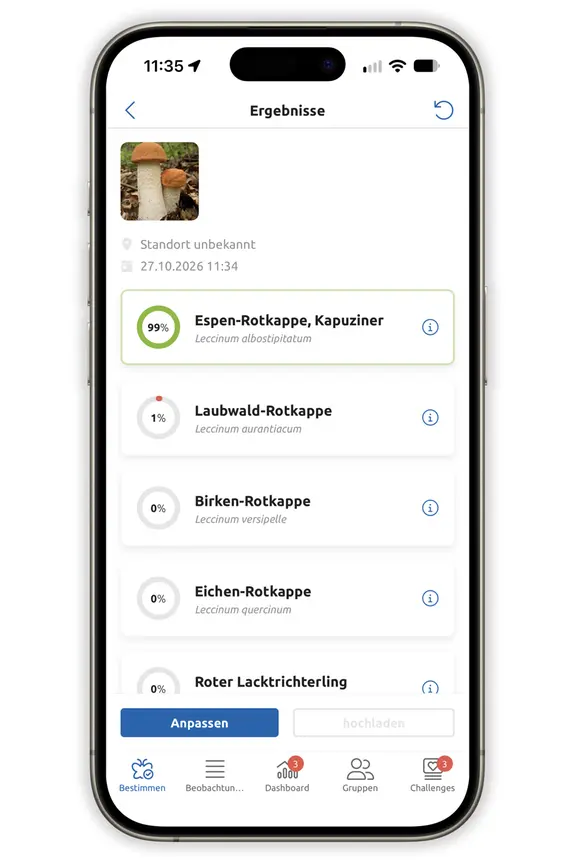
"The goal is to lower the barrier to entry," explains a representative from the Natural History Museum. "For many, the idea of identifying a mushroom is intimidating due to the risk of misidentification. By using AI-assisted tools, we provide a starting point for enthusiasts, while simultaneously ensuring that the data is vetted by the broader community of experts."
The "Gift Mushroom" Paradox
One of the most intriguing aspects of the 2026 initiative is the inclusion of toxic species. In traditional foraging, a poisonous mushroom is a nuisance or a danger to be avoided. In the context of the Species Olympics, however, a toxic mushroom is a data point of equal value to a culinary prize like a Porcini or a Chanterelle.
This shift in perspective allows participants to study—and photograph—dangerous species from a safe distance without the need to touch or harvest them. It transforms the "fear" of the toxic mushroom into the "fascination" of biological documentation.
Implications: The Future of Citizen Science
The success of the Species Olympics 2026 underscores a significant shift in how science is conducted in the 21st century. Professional biologists and ecologists are increasingly relying on the "eyes on the ground" provided by the public to fill gaps in their observational data.

Bridging the Gap
The initiative acts as a bridge between the public’s love for the outdoors and the academic need for comprehensive biodiversity tracking. As urban areas expand and rural landscapes change, having a real-time record of which species are appearing—and where—is essential for environmental policy and conservation efforts.
Critical Safety Warnings
Despite the digital advancements, the organizers remain adamant about one crucial rule: Never rely on an app for food safety.
The ObsIdentify app is a powerful tool for identification and research, but it is not a substitute for the eyes and expertise of a human mycological expert. The museum explicitly warns that when it comes to the dinner table, digital analysis must always be secondary to physical examination by a certified mushroom consultant. There is no algorithm that can currently guarantee safety when the risk of misidentifying a deadly mushroom—such as the Death Cap—is present.
Why Every Snapshot Matters
As the competition nears its close at the end of the year, the value of the collected data continues to climb. Each upload is not just a picture; it is a timestamped, geo-located record that contributes to a "living archive" of German biodiversity.
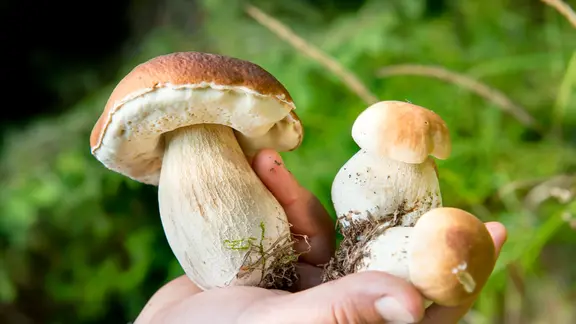
For the casual hiker, this means that a Saturday morning walk in the woods is no longer just exercise; it is an act of stewardship. By capturing the image of a Ziegenlippe (Suillus subtomentosus) or a Birch Bolete, the participant contributes to a longitudinal study that will outlast the current season.
A Legacy of Data
The data collected during the Species Olympics 2026 will serve as a baseline for future researchers. When scientists look back in ten, twenty, or fifty years to study how fungal distribution shifted in response to changing temperatures and rainfall patterns, they will be looking at the data points gathered by the citizens of today.
In this sense, the "Artenolympiade" is not just a game; it is a long-term investment in the ecological literacy of the public and the scientific understanding of the natural world. Whether or not you walk away with a prize, the true reward lies in the knowledge that you have helped map the invisible, essential, and beautiful world of fungi.
Conclusion: A Call to the Woods
As we move toward the final weeks of 2026, the invitation remains open. Whether you are a seasoned mushroom enthusiast or a complete novice with a curious mind, the forest is waiting. Download the ObsIdentify app, take a walk, and look down. You might just find that the most interesting thing in the forest isn’t what you take home in your basket, but what you leave behind for the history of science.
Remember:
- Participate: Join the Artenolympiade 2026 through the official platforms provided by the Natural History Museum.
- Document: Use the app to record your findings, ensuring clear, high-quality images.
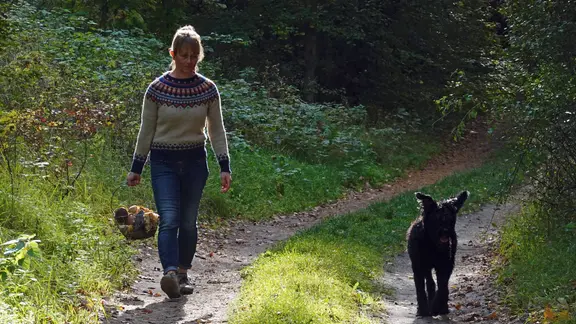
- Respect: Stay on paths where required, leave the ecosystem intact, and remember that even "non-edible" fungi play a critical role in the environment.
- Safety First: If you intend to eat your findings, always seek professional consultation. Never let an app decide what goes into your frying pan.
The woods are calling, and for the first time, your phone is the most important tool in your kit. Happy hunting.