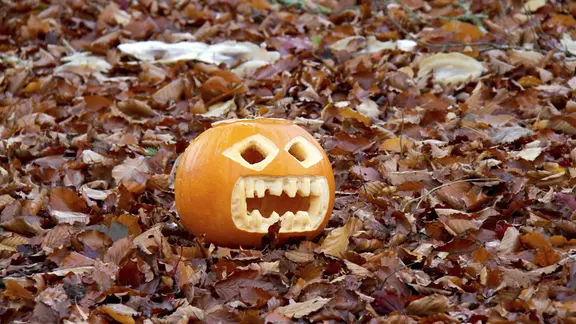
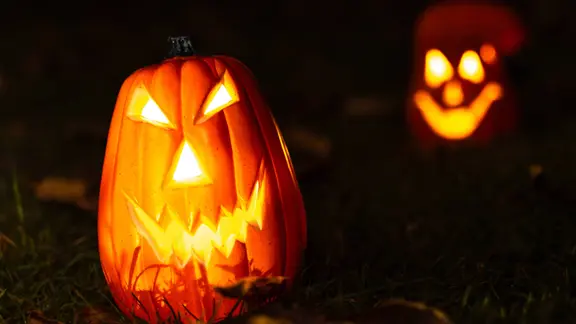
As Halloween approaches, the world transforms into a playground of carved pumpkins, macabre costumes, and atmospheric horror films. While the celebration is rooted in ancient traditions, the modern obsession with fear is a deeply physiological and psychological phenomenon. Why do we voluntarily seek out the sensation of dread? What occurs within our bodies when we encounter the "monstrous," and why does our brain struggle to distinguish between a genuine threat and a cinematic jump-scare?
The Paradox of Recreational Fear
At first glance, the human desire to be terrified seems evolutionarily counterintuitive. Fear is fundamentally an alarm system designed to ensure survival; it triggers the "fight-or-flight" response, focusing our attention on immediate threats. Yet, millions of people flock to horror cinema, haunted houses, and thrill rides.
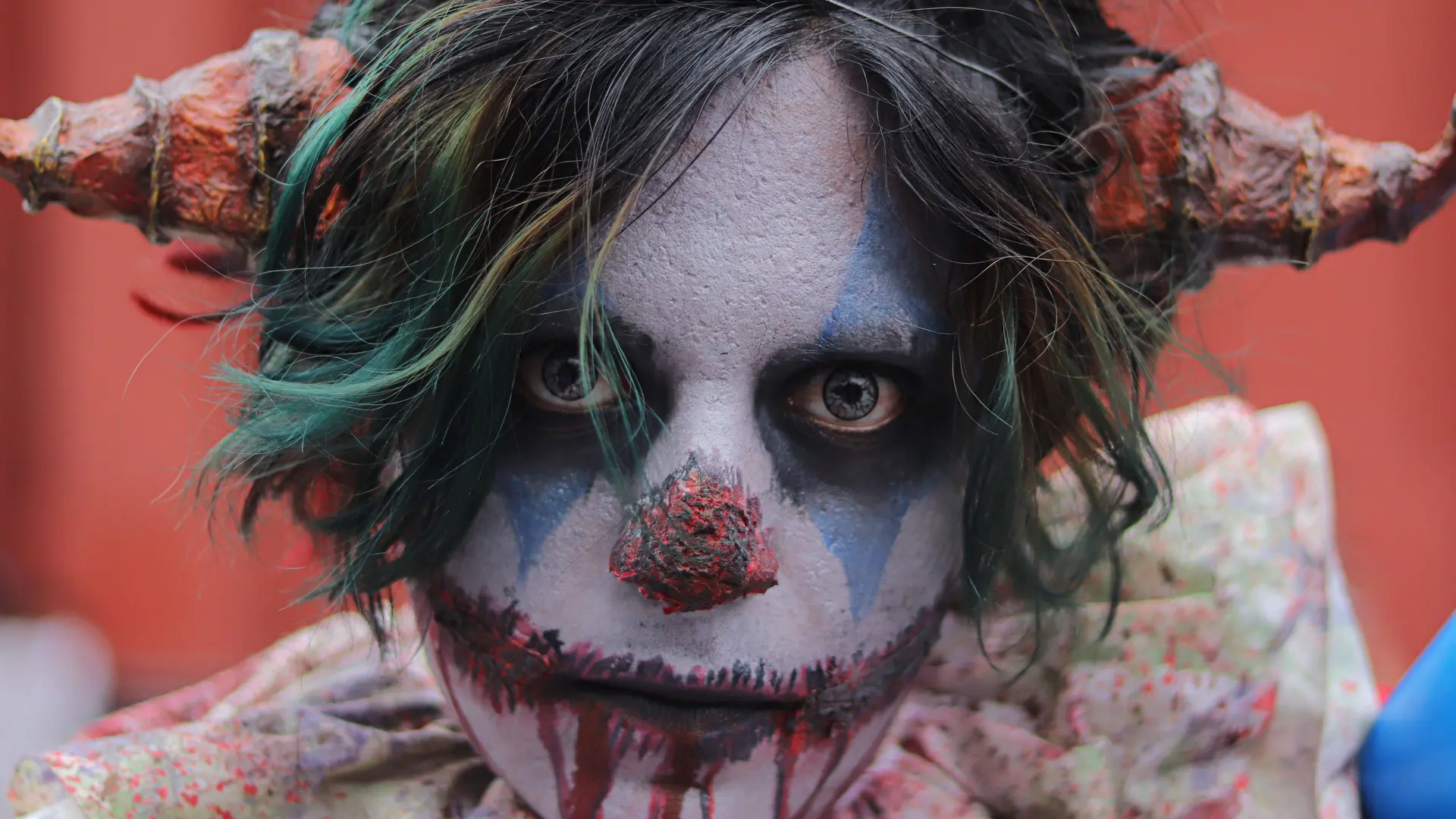
Psychologists refer to this as "recreational fear." The key to this experience is the existence of a "safety net." When we sit in a darkened theater watching a slasher film, our amygdala—the part of the brain responsible for processing fear—triggers a physiological reaction, but our prefrontal cortex remains aware that we are physically safe. This cognitive appraisal allows us to experience the rush of adrenaline and dopamine without the long-term consequences of actual trauma. For many, this regulated exposure to fear acts as a form of emotional catharsis, a controlled simulation that allows us to test our limits in a secure environment.
The "Sweet Spot": Understanding the Threshold
Not everyone reacts to horror in the same way. While some find the adrenaline spike exhilarating, others experience genuine distress that persists long after the credits roll. Researchers studying this phenomenon have identified a "Sweet Spot of Fear."
This threshold is highly individual and depends on an interplay of factors, including previous life experiences, personality traits (such as "sensation seeking"), and the current state of the autonomic nervous system.
- Low Sensation Seekers: May find that the physiological arousal of a horror film quickly crosses the line into anxiety or panic.
- High Sensation Seekers: Often require more intense stimuli to achieve the same level of excitement.
Scientists are currently mapping how these thresholds are determined, suggesting that our capacity for "fun fear" is a dynamic trait that can change as we age and encounter different life stressors.
The Biology of Goosebumps: A Relic of Our Past
One of the most common physical reactions to fear is "goosebumps," or piloerection. While we often associate this with cold weather, it is actually a vestigial reflex. In our distant ancestors, who possessed significantly more body hair, the contraction of tiny muscles at the base of each hair follicle served a dual purpose: it created a layer of insulation to preserve heat and, crucially, made the individual appear larger and more intimidating to predators.
Today, we no longer rely on a coat of fur for protection, yet the neural pathways remain. When we are startled or deeply unsettled, the sympathetic nervous system activates this ancient response, leaving us with the familiar prickle on our skin. Interestingly, this reaction is not exclusive to fear; it is also triggered by intense emotional experiences, such as listening to a piece of music that moves us or witnessing a breathtaking view. This suggests that the body uses the same biological mechanism to signal high-intensity states, whether they are rooted in threat or aesthetic wonder.
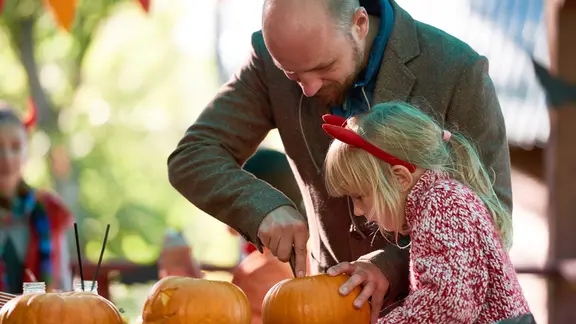
Chronology of Halloween: From Ancient Roots to Modern Spectacle
To understand our current fascination with horror, one must look at the history of the holiday.
- Samhain (Pre-Christian Era): The origins of Halloween trace back over 2,000 years to the ancient Celtic festival of Samhain. It marked the end of the harvest and the beginning of the "dark half" of the year. The Celts believed that on the night of October 31st, the veil between the living and the dead was at its thinnest, allowing spirits to walk the earth.
- All Hallows’ Eve (8th Century): With the spread of Christianity, the church sought to replace pagan festivals with church-sanctioned holy days. Pope Gregory III designated November 1st as All Saints’ Day, with October 31st becoming the vigil—All Hallows’ Eve.
- The Secularization (19th & 20th Century): In the United States, Halloween shifted from a community-based event focused on mischief and superstition to a consumer-driven holiday centered on costumes, trick-or-treating, and pop-culture horror.
- The Digital Age: Today, Halloween has evolved into a global phenomenon, fueled by social media, sophisticated special effects, and a psychological appetite for "dark tourism," such as visiting haunted locations or immersive escape rooms.
Supporting Data: The Neuroscience of the Scare
Studies using functional Magnetic Resonance Imaging (fMRI) have shown that during a frightening event, the brain’s sensory systems go into overdrive. The visual cortex processes the threat, while the amygdala prepares the body for action by releasing cortisol and adrenaline.
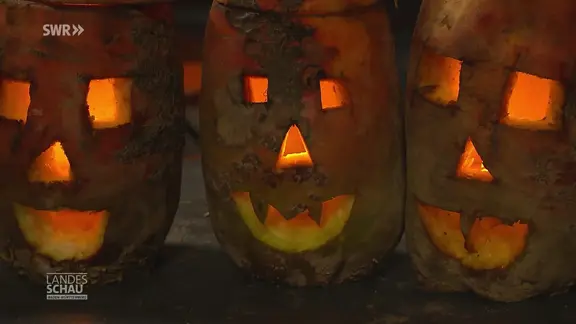
However, a study published in the Journal of Consumer Research suggests that individuals who recover quickly from the initial "shock" are the ones who enjoy the experience the most. The data indicates that once the immediate threat is resolved, the body is flooded with endorphins—the brain’s natural "feel-good" chemicals. This transition from high-alert fear to physiological relaxation is the primary driver behind the enjoyment of horror.
Expert Perspectives: The Role of Social Bonding
Kriminalpsychologin (Criminal Psychologist) Lydia Benecke, an expert in the field of deviant behavior and human psychology, notes that the social aspect of fear cannot be overstated. "Fear is not just an individual experience," she explains. "When we consume horror as a group, we are engaging in a shared emotional experience that fosters social cohesion."

According to Benecke, this is why communal events like watching a horror movie with friends or navigating a corn maze are so effective. The collective reaction—the screams, the laughter, and the shared relief—validates the experience. It serves as a reminder that we are not alone, even in the face of the unknown.
Implications: Fear as a Tool for Resilience
What are the long-term implications of our love for the macabre? Some psychologists argue that engaging with simulated horror can actually help individuals build emotional resilience. By practicing how to respond to "fear" in a safe environment, we may be better equipped to handle real-world stress.

Furthermore, the industry of fear continues to expand into the scientific and academic spheres. From the study of "ghost" phenomena—often attributed to infrasound or psychological suggestion—to the creation of "scary" landscapes in space (such as the "Dark Wolf Nebula" imaged by the ESO), our fascination with the unknown continues to drive exploration and inquiry.
Conclusion: The Enduring Power of the Chill
As we continue to embrace the tradition of Halloween, we are doing more than just putting on costumes and carving pumpkins. We are participating in a fundamental human ritual. Whether it is the biological reflex of goosebumps, the psychological thrill of the "sweet spot," or the social bond forged in a haunted house, our relationship with fear is complex and multifaceted.

We are creatures who look for the shadows, not because we want to be consumed by them, but because they help us better understand the light. By stepping into the darkness—even if only for one night—we affirm our own vitality, our capacity for joy, and our innate ability to transform the terrifying into the thrilling.
So, this Halloween, when you feel that involuntary shudder or hear a sound that makes your pulse quicken, remember: it is not just a ghost or a goblin. It is a piece of human history, a flicker of biology, and a testament to our enduring need to feel, to fear, and ultimately, to come together.