By Editorial Staff
Updated: October 22, 2026
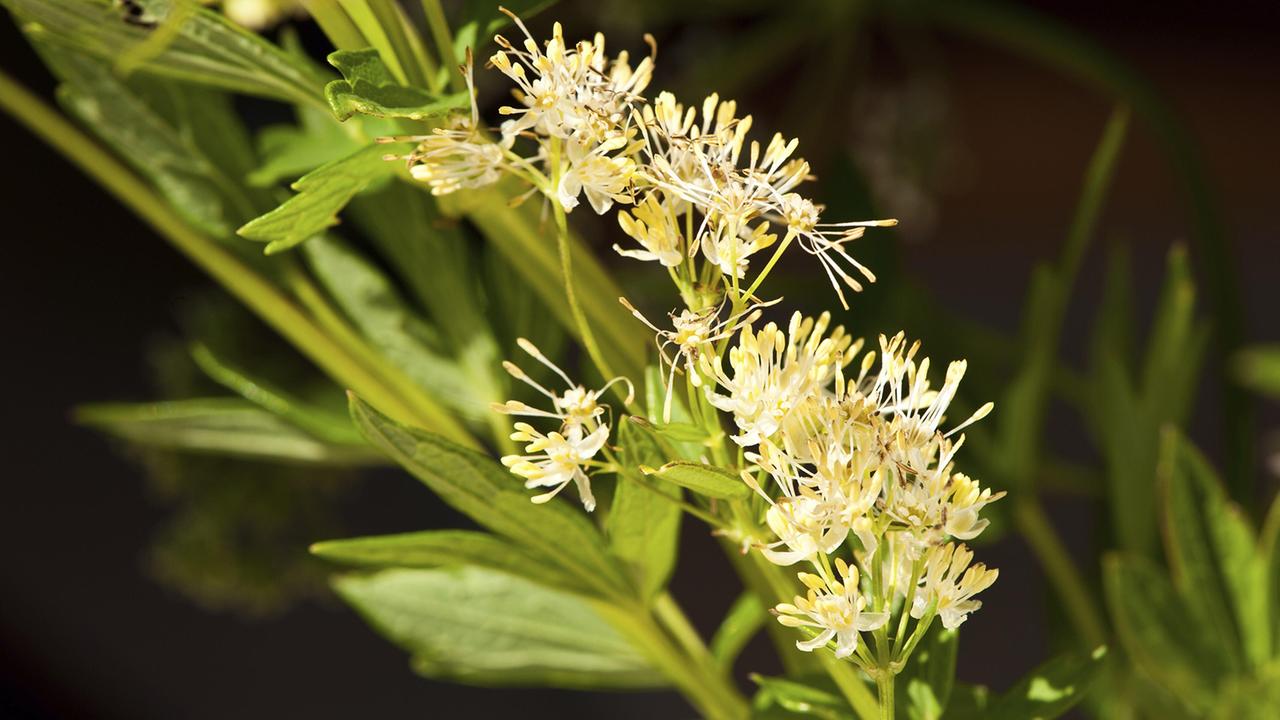
In a move intended to sound the alarm over the rapid degradation of Germany’s riparian ecosystems, the Loki Schmidt Foundation has officially designated the Yellow Meadow-Rue (Thalictrum flavum) as the "Flower of the Year 2027." Standing up to 1.50 meters tall with striking, pale-yellow inflorescences, this resilient plant is more than just a botanical curiosity; it serves as a bio-indicator for the health of the nation’s floodplains and river corridors.
Since 1980, the Loki Schmidt Foundation has used the annual "Flower of the Year" campaign to highlight threatened wild plants and the precarious habitats they occupy. By selecting the Yellow Meadow-Rue, the foundation is making a pointed political and ecological statement: the survival of our native flora is inextricably linked to our willingness to restore the natural dynamics of our river systems.
The Ecological Significance of the Yellow Meadow-Rue
The Yellow Meadow-Rue is a member of the Ranunculaceae (buttercup) family. Its visual signature is a dense, upright panicle of hundreds of individual, yellowish-white flowers that bloom from June through August. Unlike many garden ornamentals, this species has evolved a sophisticated relationship with the volatile environment of riverbanks and flood-prone wetlands.
While it is well-adapted to surviving the temporary inundations that occur when rivers burst their banks, the plant is increasingly struggling against human-induced changes to its habitat. It is currently listed on the "pre-warning list" of Germany’s Red List of Threatened Species. Its presence—or absence—serves as a barometer for the health of wet meadows and floodplains, areas that are among the most species-rich, yet most endangered, environments in Central Europe.
Chronology of a Disappearing Habitat
To understand why the Yellow Meadow-Rue is under threat, one must look at the history of river management in Europe over the last two centuries.
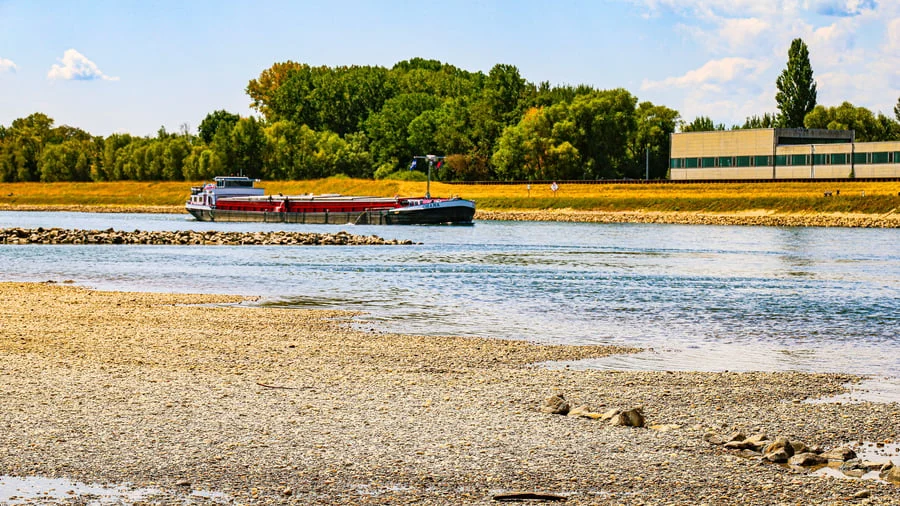
- 19th Century (The Era of Straightening): Major European rivers, including the Rhine and the Elbe, were heavily engineered. Meanders were cut off, and riverbeds were straightened and deepened to improve navigation and facilitate industrial transport.
- 20th Century (The Loss of the Floodplain): Post-war development saw an intensification of land use. Floodplains were drained for agriculture, and massive dikes were constructed to "protect" settlements, effectively severing the connection between the river and its natural riparian zones.
- 1980 (The Birth of the Foundation’s Campaign): Initiated by the late Loki Schmidt, the wife of former Chancellor Helmut Schmidt, the "Flower of the Year" campaign began as a public awareness initiative to bring botanical conservation into the mainstream.
- 2020–2026 (The Climate Crisis Acceleration): Increasing frequency of extreme weather events—both record-breaking droughts and devastating floods—has brought the issue of "river restoration" to the forefront of national policy.
- October 2026: The designation of the Yellow Meadow-Rue for 2027 marks a shift in focus from purely aesthetic conservation to the systemic restoration of hydrological landscapes.
Supporting Data: Why River Restoration Matters
The Loki Schmidt Foundation argues that the decline of the Yellow Meadow-Rue is a symptom of a much larger crisis. Supporting data from environmental agencies underscores the gravity of the situation:
- Biodiversity Hotspots: Approximately one-third of all Central European species inhabit riparian zones. These areas act as essential corridors for migration and genetic exchange.
- Water Retention: Undisturbed floodplains act as natural sponges. When a river is allowed to meander and flood naturally, it recharges groundwater levels, which is critical during the increasingly common summer droughts.
- Climate Mitigation: Natural floodplains are superior at managing excess water during heavy rain events. By slowing the velocity of water, they mitigate the impact of catastrophic floods downstream, a necessity in the age of climate change.
- Species Decline: The transition of the Yellow Meadow-Rue to the Red List’s pre-warning category indicates that even the species that are "best adapted" to flood conditions are losing the battle against the loss of dynamic, un-tamed river stretches.
Official Responses and Expert Perspectives
André Palm, the project leader at the Loki Schmidt Foundation, emphasized that the choice of this year’s flower is a call to action for policymakers.
"The Yellow Meadow-Rue stands as a proxy for a threatened ecosystem that we must preserve for the sake of both nature and climate protection," Palm stated during the announcement. "Rivers need their natural, meandering paths not just for the sake of the plants, animals, and fungi that inhabit them, but because these landscapes are essential infrastructure for our own safety. They store water in the landscape and help us mitigate the effects of flooding and extreme rainfall."
The foundation’s message is clear: the era of fighting against the river must end. Instead, there must be a strategic retreat from floodplain areas, allowing nature to reclaim the space needed for ecological health.
Implications for Future Policy
The selection of the Yellow Meadow-Rue as the Flower of the Year 2027 will likely serve as a centerpiece for environmental advocacy throughout the coming year. The implications are broad, touching upon agriculture, urban planning, and water management.
The Call for "Room for the River"
The foundation is advocating for a paradigm shift often referred to as "Room for the River." This involves removing artificial barriers, relocating dikes, and allowing rivers to return to their historic floodplains. While such measures are often met with resistance from landowners and agricultural interests, the foundation argues that the long-term cost of inaction—seen in increasing flood damage and biodiversity loss—far outweighs the cost of restoration.
Reconnecting the Landscape
For the Yellow Meadow-Rue to thrive again, the focus must shift from isolated protected patches to large-scale, connected habitats. A single meadow is not enough; the species requires a network of healthy, wet soils that are periodically refreshed by floodwater. This requires a fundamental change in how regional planning authorities approach river basin management.
Education and Public Engagement
The Loki Schmidt Foundation remains committed to the principle that you can only protect what you know. By highlighting the Yellow Meadow-Rue, they hope to engage the public in the nuances of riparian ecology. The campaign will feature educational programs across schools and community organizations, aiming to turn the plant into a symbol of a living, breathing river landscape.
Conclusion: A Legacy of Conservation
As we look toward 2027, the Yellow Meadow-Rue stands as a quiet but firm reminder of the resilience of nature, provided it is given the space to exist. From the legacy of Loki Schmidt, who championed the idea that every small flower tells a story of survival, this year’s choice challenges us to look beyond our own immediate needs.
The fight to save the Yellow Meadow-Rue is, in reality, a fight to save the very systems that sustain us. By restoring the rivers, we restore the floodplains; by restoring the floodplains, we protect the plant, the soil, and our own future against the unpredictability of a changing climate. The question remains whether policy will catch up to the ecological necessity, or if we will continue to constrain our rivers until the meadow-rues are only found in history books and protected glasshouses.