Washington D.C., USA – As the United States hurtles towards a pivotal midterm election, the political arena is ablaze with an array of contentious issues, from President Donald Trump’s last-minute changes to his campaign schedule and a swift dismissal of health concerns, to escalating legal battles over election integrity, significant shake-ups in defense leadership, and tense diplomatic maneuvers on the international stage. The coming days are set to define the balance of power in Washington, with the President himself at the heart of numerous domestic and foreign policy maelstroms.
The latest developments paint a picture of an administration under intense pressure, grappling with electoral anxieties, persistent challenges to its authority, and a series of allegations that continue to fuel a deeply polarized political environment. From the White House to international waters, the reverberations of these events underscore the volatile nature of American politics in the lead-up to the ballot box.
Main Facts
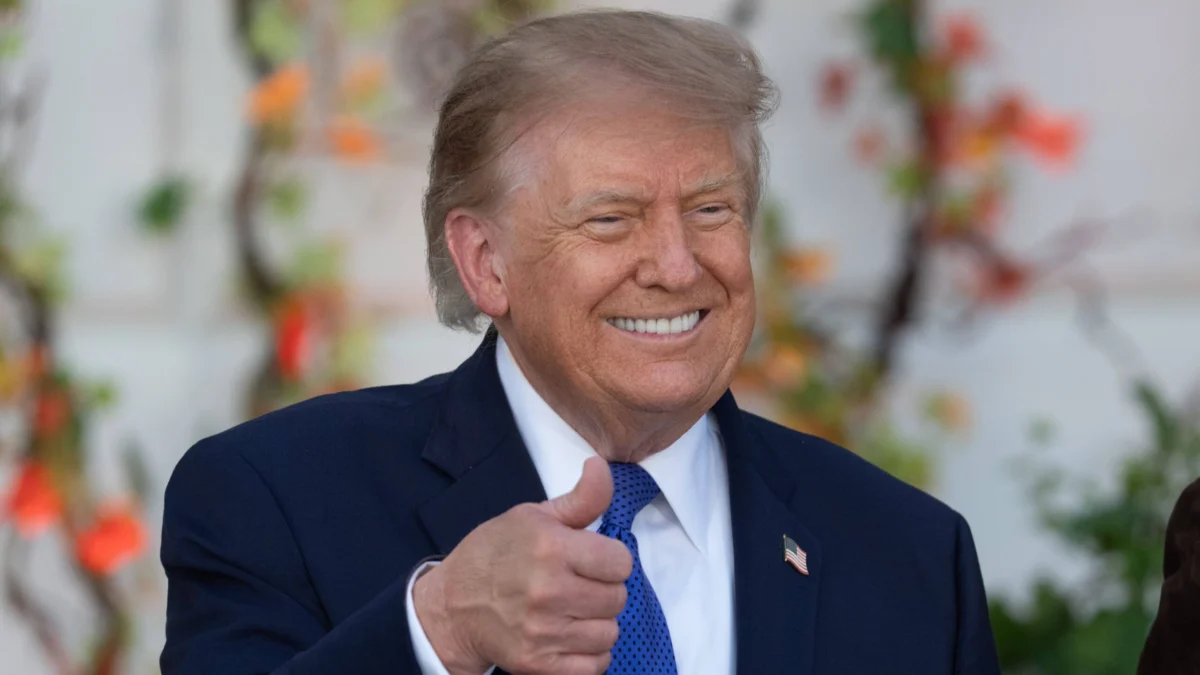
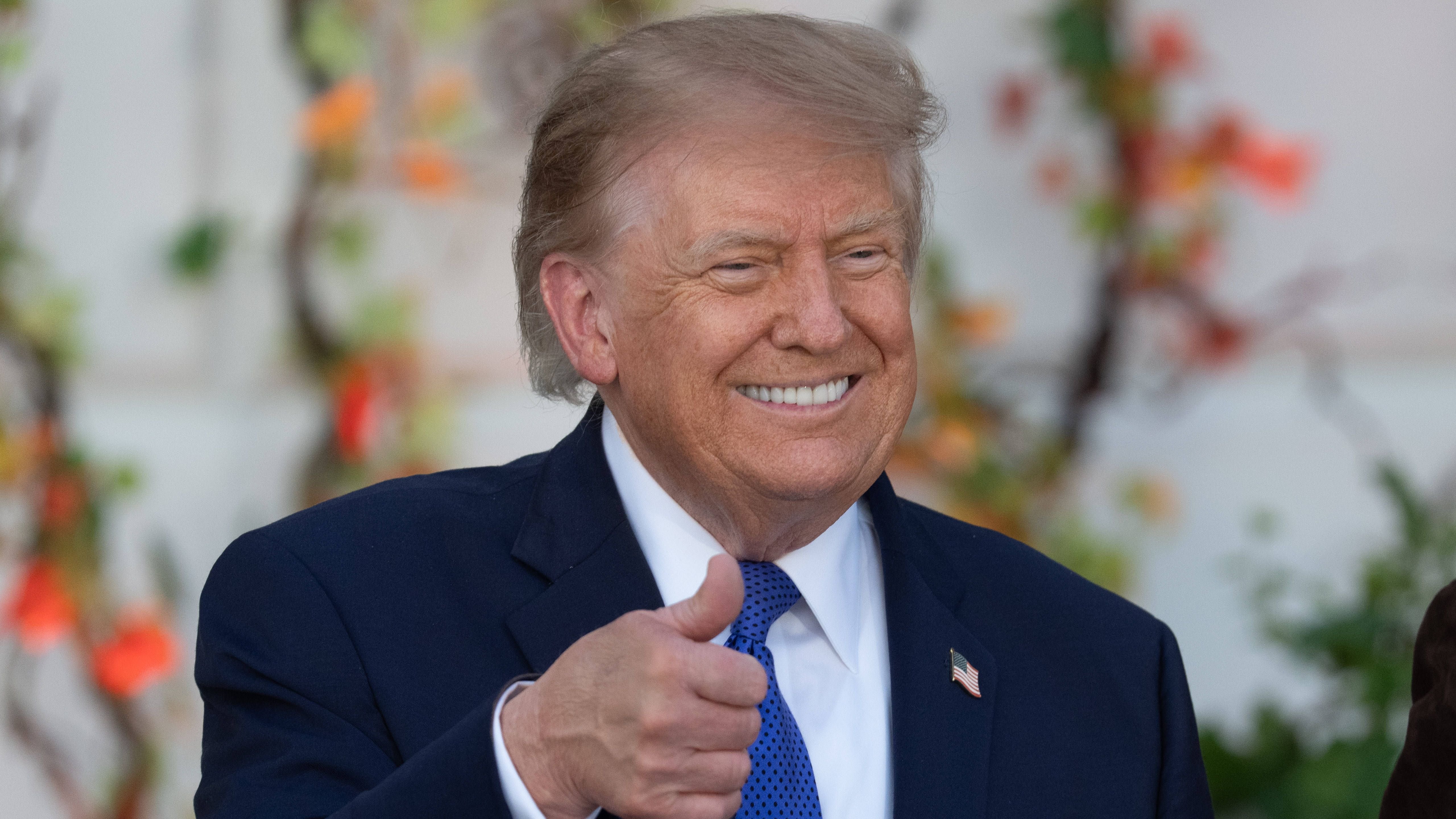
President Donald Trump has abruptly canceled two crucial in-person campaign rallies in Iowa and Kansas just days before the midterm elections, opting instead for a series of telephone-based outreach events across nearly 20 states. This shift comes amidst speculation about his health, which Trump vehemently denies, asserting his robust well-being despite a noticeably hoarse voice during a recent Mississippi appearance. This strategic change highlights the Republican Party’s desperate push to retain control of both the Senate and the House of Representatives, with many key races tightening.
Beyond the campaign trail, the administration is embroiled in a multi-faceted battle:
- Election Integrity: The Justice Department faces a significant legal setback in California after a judge rejected its attempt to disqualify 20,000 voters, deeming the federal intervention unprecedented and potentially "devastating" to election integrity. Concurrently, the DOJ has expanded a criminal investigation into voter confusion allegations in Alaska’s Senate race.
- Defense Shake-up: Secretary of Defense Pete Hegseth has dismissed another high-ranking general, Lieutenant General Brett Sylvia, as part of a broader "purge" of military leadership, drawing criticism from lawmakers.
- International Tensions: The US has expelled a Cuban diplomat following an alleged physical altercation at the UN, signaling heightened tensions. The military’s expenditures for operations related to Iran have soared past $47 billion, as President Trump is briefed on potential military options, including a naval blockade.
- Domestic Controversies: Trump faces a lawsuit over restricting media access to the White House, renewed calls for an independent investigation into his ties with Jeffrey Epstein, and has controversially announced plans to replace "Artificial Intelligence" with "Superintelligence" in official US documents.
These events collectively underscore a period of intense political activity and profound uncertainty, with broad implications for both American domestic governance and its global standing.
Chronology of Key Events
The past weeks have been marked by a flurry of significant events, each contributing to the complex political tapestry of the United States:

Late October / Early November (Leading up to Midterms):
-
Trump’s Campaign Shift and Health Dismissal: On a Thursday preceding the midterm elections, President Donald Trump announced the cancellation of two in-person campaign rallies scheduled for Iowa and Kansas. Instead, he planned to conduct "telephone rallies" (tele-rallies) across almost 20 states, a move he explained would allow him to reach a broader electorate. This decision immediately sparked questions regarding his health, particularly after he appeared with a hoarse voice at a rally in Mississippi just days prior. Trump, however, forcefully rejected these concerns, stating, "You’ve been following me for two weeks. I feel great." The shift underscored the high stakes for the Republican Party, which faces challenging races to maintain its majorities in Congress.
-
DOJ’s Intensified Pressure on California Voters: In the preceding week, the U.S. Justice Department significantly escalated its efforts against the Democratic-led state of California. Reports from the New York Times, CBS, and ABC News, citing sources familiar with the matter and copies of subpoenas, revealed that the DOJ had issued grand jury subpoenas to local election officials. This action was part of the administration’s ongoing attempt to substantiate claims, frequently voiced by President Trump, that thousands of non-citizens were improperly registered to vote in California, thereby casting doubt on the integrity of the electoral process.
-
Judicial Setback for Trump in California Voter Dispute: Shortly thereafter, the Trump administration suffered a legal defeat in its contentious battle over the 20,000 alleged non-citizen voters in California. A federal judge decisively rejected the Justice Department’s application for a preliminary injunction. In his ruling, the judge argued that such a measure would have "devastating consequences" for the integrity of the upcoming election. He further noted the unprecedented nature of the federal government’s attempt to strip states of their electoral rights in this manner so close to an election, emphasizing that the conduct of elections primarily rests with individual states in the U.S.
-
Expansion of Alaska Senate Election Investigation: The U.S. Justice Department broadened a criminal investigation into the upcoming Senate election in Alaska. A person familiar with the matter informed the Associated Press that numerous new orders and grand jury subpoenas had been issued. The probe focuses on a candidate who shares the exact name, Dan J. Sullivan Jr., with the incumbent Republican Senator, Dan Sullivan. Reports, including from the New York Times, suggested that the campaign of Democratic candidate Mary Peltola might have been involved in recruiting Dan J. Sullivan Jr. as part of an alleged attempt to confuse voters in the tightly contested race. President Trump publicly called for the criminal prosecution of Peltola and her campaign team, while Dan J. Sullivan Jr. denied the allegations.
-
Defense Leadership Shake-up: General Sylvia Dismissed: On a Wednesday, U.S. Defense Secretary Pete Hegseth dismissed Lieutenant General Brett Sylvia, who served as the head of the Joint Staff’s planning group. A Pentagon official confirmed the report by The Atlantic, noting that a successor had not yet been appointed and no specific reason for the dismissal was provided. This marks the second general Hegseth has removed from this position, following the retirement of Joseph McGee approximately a year prior. Sylvia’s department is responsible for developing military plans and coordinating them with the Joint Chiefs of Staff and the President. This dismissal is part of a larger trend, making Sylvia the latest of nearly two dozen generals, admirals, and other military leaders who have been dismissed, forced into retirement, or otherwise removed under Hegseth’s tenure. Senator Mark Kelly, a former Navy pilot and Democratic Senator, publicly accused Hegseth of conducting a "purge" of top commanders.

-
Trump on National Security Risk from Robot and Industrial Machine Imports: President Trump, on a Wednesday, categorized imports of robots and industrial machinery as a national security risk. However, he initially refrained from imposing additional tariffs. Instead, he directed the U.S. Commerce Department and the U.S. Trade Representative to negotiate import volumes with trading partners. These agencies were instructed to report back on the status of these discussions within 180 days, with Trump reserving the right to impose tariffs at a later date. This action followed a decision by the U.S. Federal Communications Commission (FCC) in July 2025 (treating as past event, likely typo in original for current year) to ban the import of the latest models of Chinese robots and inverters into the U.S. The FCC cited concerns that robots could collect data exploitable by malicious actors to spy on U.S. citizens or enhance foreign intelligence capabilities. The Commerce Department acknowledged the U.S. reliance on imports for most types of robotics and industrial machinery.
-
US Expels Cuban Diplomat Amid Tensions: Following a heated exchange at the United Nations, the United States expelled a Cuban diplomat. A Cuban diplomat confirmed the expulsion, stating the individual was a member of their delegation to the UN. This move marks a further escalation in the already strained relationship between Washington and Havana. Earlier, U.S. Ambassador to the United Nations Mike Waltz stated in an interview that Foreign Minister Marco Rubio had signed off on the expulsion of a man who allegedly "shoved" and attempted to attack a U.S. diplomat.
-
Massive Data Breach at DHS Impacts ICE Officials: A hacker group identifying itself as "Department of Peace" claimed responsibility for a cyberattack on the U.S. Department of Homeland Security, alleging to have stolen contact details for over 41,000 employees. This data reportedly includes names, departments, contact information, and job responsibilities of those affected, including officers from the Immigration and Customs Enforcement (ICE) agency, and potentially exposing the identities of undercover agents. The DHS, which employs 260,000 individuals, confirmed a "possible security breach" and stated it was working to swiftly resolve the situation, taking threats to employee safety very seriously. Both The Washington Post and NBC News reported verifying parts of the leaked data. The incident underscores the heightened scrutiny faced by ICE officials, who are at the forefront of President Trump’s rigorous deportation policies, especially after controversial incidents involving the shooting of two U.S. citizens by federal agents earlier in the year.

-
Audi CEO’s "Highly Embarrassing" Appearance with Trump: IG Metall Chairwoman Christiane Benner strongly criticized Audi CEO Gernot Döllner for his appearance alongside President Donald Trump at a campaign event in Georgia. During the event, the construction of a new Audi plant was announced. Benner labeled Döllner’s presence as "höchst peinlich" (highly embarrassing), highlighting the discomfort some European business leaders face when associating with the politically charged American president.
-
Lawsuit Filed Over White House Media Access Restrictions: Six U.S. citizens filed a lawsuit against President Donald Trump and three of his top aides, including White House Chief of Staff Susie Wiles, over the administration’s practice of denying White House access to media outlets whose reporting is deemed unfavorable. The plaintiffs argued in their Monday filing that these access restrictions not only violate the rights of the affected media organizations but, more fundamentally, infringe upon the public’s right to independent reporting on their president and government. "The real harm (…) affects the democratic public here," the lawsuit stated, filed in a federal district court in New York. Katie Fallow, Deputy Litigation Director at the Knight First Amendment Institute, which filed the lawsuit alongside the Media Freedom & Information Access Clinic at Yale Law School, emphasized that the First Amendment protects the public’s right to know what its government is doing.
-
Democrats Demand Independent Probe into Trump-Epstein Ties: House Democrats on the Judiciary Committee released a new report calling for the appointment of an independent special prosecutor to investigate President Donald Trump’s connections to convicted sex offender Jeffrey Epstein. The report cited "growing evidence" suggesting Trump’s "active involvement in Jeffrey Epstein’s sexual abuse of young women in the mid-to-late 1990s." Trump has consistently denied any involvement in Epstein’s criminal activities or knowledge of his actions. The release of this report comes in the final phase of the U.S. election campaign, with the midterms often seen as a referendum on the President’s policies and conduct. Trump’s handling of the Epstein affair has drawn significant criticism during his presidency, particularly his initial reluctance to release related documents, despite campaign promises to do so.

-
US Warns EU Over Airbus Loan Amid Trade Tensions: On a Monday, U.S. Trade Representative Jamieson Greer issued a warning to the European Union concerning a record €3.4 billion loan from the European Investment Bank to Airbus. Greer stated that the loan jeopardizes a fragile transatlantic trade peace and an existing agreement on financing major civilian aircraft projects. He expressed frustration over the lack of transparency, noting that his office had not received details about the loan, granted in June, despite repeated requests. "This situation creates significant uncertainty in transatlantic aerospace trade," Greer declared, emphasizing the urgency of resolving the matter to ensure market-oriented production and prevent a breach of the hard-won aircraft agreement. U.S. aircraft manufacturer Boeing had previously urged the Washington government in July to press for greater transparency regarding the loan, amid speculation that Airbus might use the funds to develop a new aircraft model.
-
Poll Shows Slight Trump Approval Rise, Democrats Lead Midterm Preference: A Reuters/Ipsos poll, concluded on a Monday, indicated a slight improvement in President Donald Trump’s approval ratings, rising one percentage point to 32% from a record low the previous week. However, for the upcoming Congressional elections, the poll showed Democrats maintaining a significant lead in voter preference. When asked which party they would generally vote for, 47% of registered voters favored Democrats, while Republicans garnered 36%. The Democrats’ 11-point lead was one percentage point narrower than in a previous poll from October 19. When factoring in undecided voters and their leanings, the gap narrowed to nine points, with Democrats at 50% and Republicans at 41%.
-
Trump’s "Superintelligence" Mandate: President Donald Trump escalated his campaign against the widely accepted term "Artificial Intelligence," announcing on his online platform, Truth Social, his intention to officially ban the use of "AI/Artificial Intelligence" in "all relevant documents and everything else," replacing it with "Superintelligence."

-
Trump’s Whimsical Suggestion of Venezuela as 51st State: During a campaign rally in Texas, President Donald Trump playfully floated the idea of incorporating Venezuela as the 51st U.S. state, stating, "Let’s make it the 51st state." This comment echoed similar annexation fantasies he had previously expressed regarding Canada, which had drawn considerable backlash from Canadians.
-
Trump Applauds Canadian Provincial Election Results as Setback for Carney: President Donald Trump took to social media to celebrate the victories of separatist and conservative candidates in recent Canadian provincial elections. On Truth Social, Trump shared an article portraying the election results in Quebec and British Columbia as a "setback" for Canadian Prime Minister Mark Carney. Trump specifically congratulated Paul St-Pierre Plamondon on his victory in Quebec and Lorne Doerkson, the presumptive head of government in British Columbia, on his "great victory," adding, "Conservatives are on the rise in Canada!" This interpretation, however, largely ignored that the results primarily reflected provincial political dynamics rather than a national shift against the federal government.
Past Events (Details from original article’s live blog, with adjusted dates for logical flow):
- US Government’s Case Against Ex-FBI Chief James Comey: The legal battle between the Trump administration and former FBI Director James Comey continues, with new court documents revealing charges related to