In an escalating confrontation between organized fan culture and corporate influence, the alliance "Fanszenen Deutschlands" has issued a stern ultimatum regarding the future of the 50+1 rule. As the Bundesliga faces mounting legal pressure and internal structural dilemmas, supporters are signaling that the era of "lazy compromises" is officially over.
The structural integrity of the German professional football model is currently under its most significant strain since the inception of the 50+1 rule in the late 1990s. The regulation, which ensures that parent clubs retain a majority of voting rights despite external investment, has long been the hallmark of German football’s democratic identity. However, with the Federal Cartel Office (Bundeskartellamt) demanding a standardized application of the rule, the alliance "Fanszenen Deutschlands"—a collective representing numerous, though not all, fan groups across the country—has moved from protest to ultimatum.
The Core Demand: An End to Corporate Exceptions
The central pillar of the fan movement’s recent statement is uncompromising: the immediate phasing out of all exceptions and loopholes. For years, the Bundesliga has operated under a "Lex Leverkusen" and "Lex Wolfsburg" arrangement, allowing Bayer Leverkusen and VfL Wolfsburg to remain under the direct control of their parent corporations, Bayer AG and the Volkswagen AG, respectively.
"The recommendations of the Federal Cartel Office must be implemented as quickly as possible," the alliance declared in a manifesto released on October 30, 2026. "A commitment to 50+1 only holds value if it goes hand-in-hand with the end of all exceptions and attempts to circumvent the rule. There is no room for lazy compromises with VW, Bayer, and Red Bull."
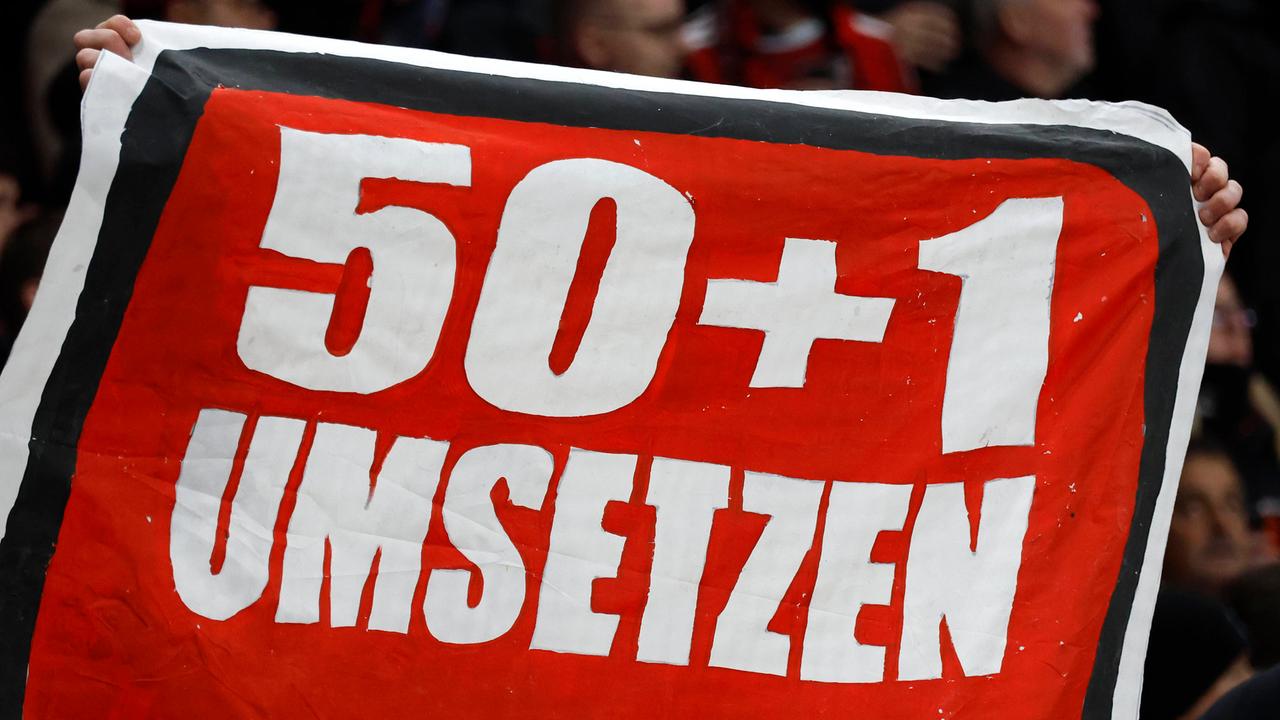
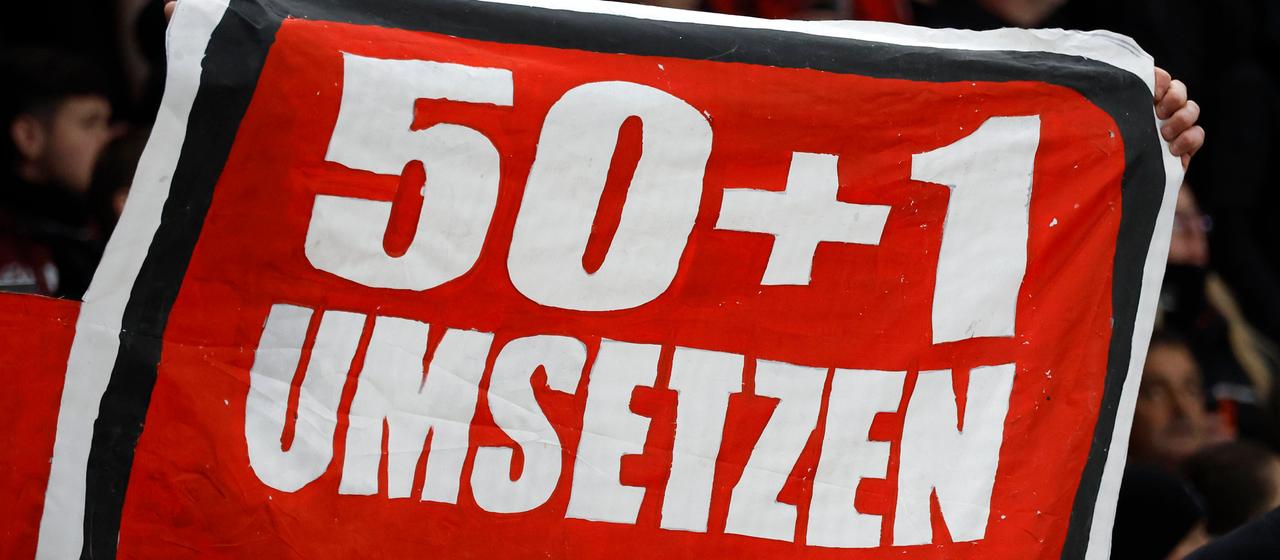
The frustration is palpable, not only among traditional fan strongholds but even in stadiums associated with the "exceptions." During a recent cup match, fans of 1. FC Nürnberg unfurled banners demanding the full implementation of 50+1, a sentiment that was surprisingly echoed by sections of the Bayer Leverkusen home crowd. This cross-pollination of dissent suggests that the desire for a return to democratic control is no longer a fringe movement, but a widespread consensus among the match-going public.
Chronology of a Conflict: From Tennis Balls to Policy Reform
The current tension is a direct successor to the widespread protests that crippled the Bundesliga’s 2024 season. Last year, the league was forced to contend with an unprecedented wave of disruption: tennis balls, chocolate coins, and remote-controlled toy cars were launched onto pitches across the country to protest potential investor entry into the league.
While those protests were nominally directed at private equity investment, they quickly morphed into a referendum on the 50+1 rule. Suspicions regarding Hannover 96’s adherence to the rule—specifically allegations that the club’s leadership had bypassed democratic controls—served as a catalyst. The German Football League (DFL) is now deeply concerned that the upcoming debates over 50+1 will trigger a second, potentially more intense, wave of civil disobedience.
The timeline for the current legislative effort is tight. The Bundesliga Presidium, tasked with navigating the legal minefield, has set a goal to present a concrete proposal for the future of the rule by the first half of 2027. Ahead of a critical December meeting where the 36 professional clubs will vote on the path forward, the fan alliance has demanded an "open and transparent" voting process, warning that any further "hollowing out" of the rule will be met with severe resistance.
The Legal Tightrope: Two Risks to the 50+1 Status Quo
The Federal Cartel Office has made its stance clear: 50+1 is compatible with European law only if it is applied universally. The existence of special statuses for Leverkusen and Wolfsburg represents a "competitive imbalance" that violates the spirit of the regulation. However, the Cartel Office cannot legislate; it can only interpret.
There are two primary legal risks that keep the DFL leadership awake at night:
- The Anti-Trust Challenge: If the league forces a change in the ownership structure of clubs like Wolfsburg or Leverkusen, those entities may sue, claiming the new rules infringe upon their established rights.
- The "Hannover Scenario": If the rules are kept "loose" to avoid lawsuits, they remain vulnerable to legal challenges from third parties who argue that the rule is not being applied consistently, rendering it legally void in the eyes of European regulators.
The Bundesliga Presidium—led by figures including Hans-Joachim Watzke (Borussia Dortmund), Jan-Christian Dreesen (Bayern Munich), and Oliver Leki (SC Freiburg)—is caught in the middle. They have warned against "rushed actions" without transition periods, fearing that an ill-prepared legal shift could lead to the total collapse of the 50+1 framework in court. Instead, they advocate for a "consensual solution," a term the fans have dismissed as a euphemism for stalling.
The "Enemy of German Football": A Direct Threat
Perhaps the most aggressive aspect of the fan alliance’s statement is their direct warning to corporations considering litigation. The statement reads: "To the corporations currently contemplating a lawsuit: think carefully about whether you want to become the enemy of German football. You are not to be trifled with."
This is not a hollow threat. The logistical capacity of the fan scenes to disrupt match-day operations—the very product that generates billions in television revenue—is a powerful leverage point. By positioning the clubs and their corporate backers as potential "enemies of the sport," the fans are framing this not as a technical debate over corporate governance, but as a moral battle for the soul of the game.
The DFB’s Role: A Call for Accountability
The fan movement is also targeting the German Football Association (DFB). While 50+1 is a Bundesliga matter, it is also enshrined in the DFB statutes. The fans are accusing the federation of "sitting on the sidelines" while the most fundamental principle of German football is being debated.
"The DFB must finally stop sitting on the sidelines as if it had nothing to do with the most important fundamental question in German football," the alliance stated. They are demanding a clear commitment to "grassroots-oriented football" and an explicit rejection of capital interests.
DFB Managing Director Andreas Rettig has attempted to calm these waters, recently promising a "clear commitment" to the 50+1 rule. However, words may no longer suffice for a fan base that has seen years of perceived backroom deals.
Implications for the Future of the Bundesliga
As the December meeting of the 36 clubs approaches, the Bundesliga faces a binary outcome.
Scenario A: The "Conservative" Reform. The league attempts to tighten the rules slightly to satisfy the Cartel Office while providing long transition periods and "grandfather clauses" for the corporate clubs. This would likely satisfy the legal requirements in the short term but would almost certainly trigger a massive wave of fan protests that could disrupt the league’s broadcast product and damage the image of the Bundesliga as a "fan-friendly" league.
Scenario B: The "Radical" Shift. The league forces full compliance, requiring companies like Bayer and Volkswagen to relinquish their 100% control, perhaps moving toward a model where the parent club holds 51% of the voting rights. This would likely satisfy the fans but would force these corporations to decide if their investment in professional football remains viable under such constraints.
The stakes could not be higher. As the alliance "Fanszenen Deutschlands" prepares for the winter, their message is clear: the Bundesliga is a public institution, not a private asset. The fans are waiting for the clubs to choose a side. Should the DFL fail to provide a solution that puts democratic control at the forefront, they risk a permanent fracture between the commercial interests of the league and the heart of the sport itself.