Introduction: The Impending Tsunami
As the rapid proliferation of artificial intelligence reshapes the global economic landscape, a profound existential question has moved from the periphery of academia to the center of boardroom strategy: What happens to human dignity when machines can perform the vast majority of our cognitive labor?
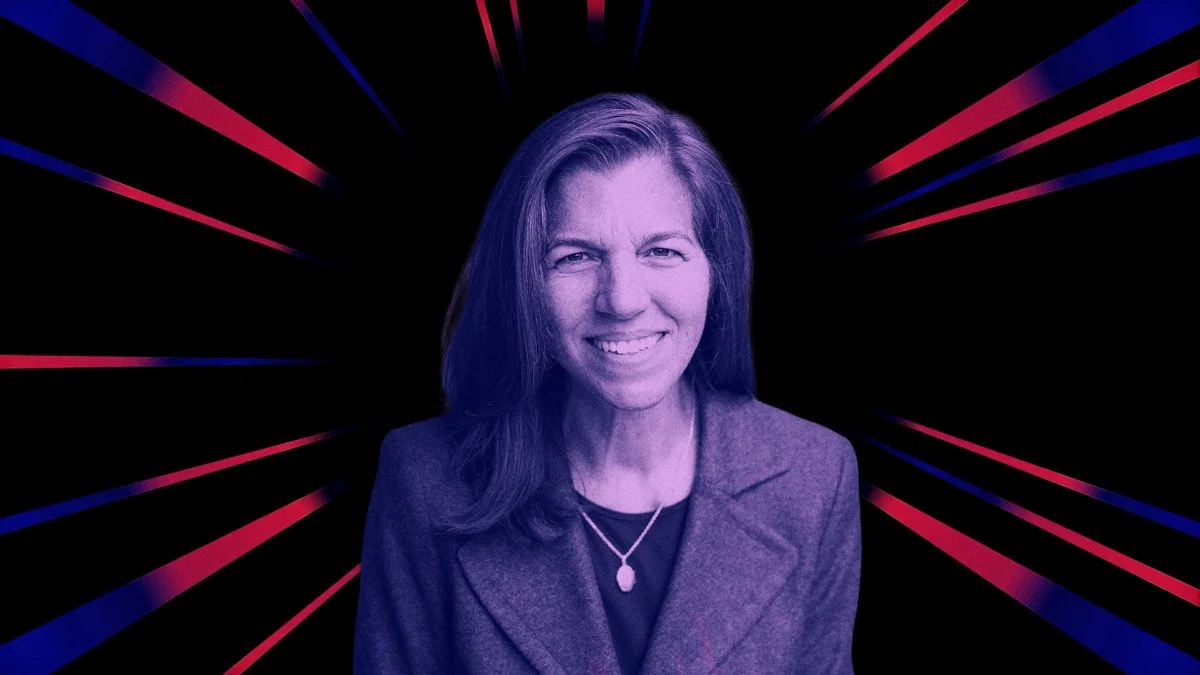
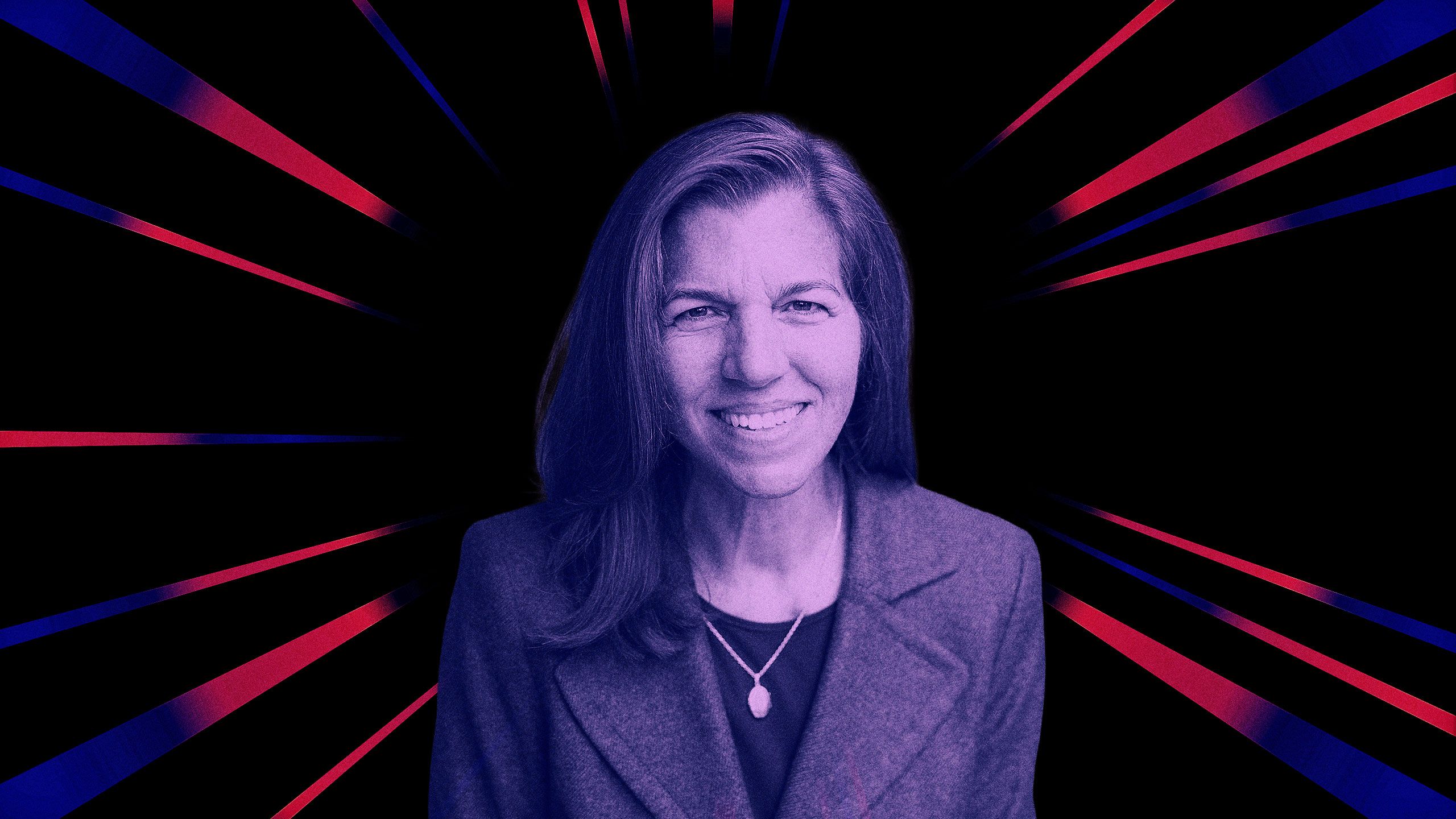
Allison Pugh, a distinguished sociologist at Johns Hopkins University, has spent years examining this transition. Her research into the "human premium"—the inherent value we place on genuine, unmediated connection—suggests that while we are currently bracing for an "AI tsunami," the ultimate outcome may not be the obsolescence of the human worker, but rather a radical recalibration of what society values most.
Main Facts: The Sociological Shift
The core premise of Professor Pugh’s research is that we are currently undergoing a structural decoupling of labor and value. For centuries, human value in the workforce was tied to productivity, efficiency, and the ability to process information. AI now dominates these domains.
- The Devaluation of Efficiency: AI-driven automation is effectively commoditizing tasks that were once the hallmark of human expertise.
- The Return to Relational Labor: As algorithmic output becomes ubiquitous, the scarcity of authentic human interaction increases. This creates a new "relational market" where the ability to empathize, provide moral clarity, and navigate complex interpersonal dynamics becomes the primary driver of value.
- The Dignity Gap: Pugh argues that if we rely solely on AI to perform "work," we risk losing the sense of purpose and social validation that historically accompanied professional output.
Chronology of the AI Disruption
To understand where we are going, we must look at the rapid acceleration of the past decade:

- 2012–2017: The Deep Learning Awakening: Neural networks began to demonstrate human-level capabilities in image recognition and basic language processing, signaling the end of the "human-only" era for specialized tasks.
- 2020–2022: The Generative Pivot: With the release of LLMs (Large Language Models), the barrier between machine-generated content and human-authored creative work dissolved.
- 2023–Present: The "Mustafa Suleyman" Era: Tech leaders, such as the CEO of Microsoft AI, have openly stated that a significant percentage of current office labor will be effectively automated within the next few years. This has shifted the conversation from "will it happen?" to "how do we survive it?"
Supporting Data and Sociological Observations
Professor Pugh notes that the fear surrounding this shift is not merely economic; it is psychological. In her fieldwork, she observes a recurring pattern: when machines provide the answers, humans feel a distinct lack of accountability and depth.
She cites an anecdote from a recent seminar where a student noted: "I asked ChatGPT for advice, but I also asked you, because I know you won’t just tell me what I want to hear."
This distinction is critical. AI is programmed for optimization—it is designed to provide the most probable, pleasing, or efficient response. Human interaction, however, is often defined by the "friction" of morality, dissent, and non-linear wisdom. Data suggests that as AI outputs proliferate, the demand for "human-in-the-loop" decision-making is not disappearing, but rather becoming a luxury commodity. The more we are surrounded by synthetic intelligence, the more we crave the messy, unpredictable, and authentic counsel of another person.
Official Responses and Industry Perspectives
The tech sector is currently divided into two camps: the "Accelerationists," who view the total automation of labor as a utopian milestone, and the "Humanists," who warn of a societal collapse if work—as a source of dignity—is stripped away.

- The Efficiency Argument: Proponents of AI-first models argue that automating office labor frees humans to pursue creative and leisure activities. They suggest that the "end of work" is a transition to a post-scarcity economy.
- The Sociological Counter-Argument: Critics, including voices within the sociological community, argue that "work" is not just about the output; it is about the social contract. When a doctor uses AI to diagnose a patient, the speed increases, but the patient’s trust is often rooted in the human’s ability to hold space for their illness. If we prioritize speed over the relational component, we are not innovating; we are eroding the foundations of social cohesion.
The Implications: A New Hierarchy of Skills
As we look toward the next decade, the labor market will likely undergo a transformation that favors "relational capital."
1. The Death of Commodity Knowledge
If a task can be codified, it will be automated. Roles that rely purely on data synthesis—basic accounting, preliminary legal research, or administrative scheduling—will see their market value plummet.

2. The Rise of "Relational Intelligence"
The most valuable employees of the future will be those who can act as "interpreters" between the machine and the human experience. This requires a high degree of emotional intelligence, cultural nuance, and the ability to navigate ethical gray areas—skills that, for the foreseeable future, remain elusive to generative AI.
3. The Dignity of Choice
Professor Pugh emphasizes that we must stop defining our dignity solely through the lens of productivity. If we continue to "prioritize or measure what a human achieves" as the only metric of worth, we will continue to lose the battle against AI. Instead, we must begin to value the quality of the connection. We must value the person who can synthesize human experience into a strategy, rather than the person who can simply produce a document.

Why We Still Need Each Other
The central conflict in the age of AI is the tension between utility and meaning.
AI is an exceptional utility. It is an unmatched engine for productivity. However, it possesses zero capacity for meaning. It does not "care" if a business succeeds, if a student learns, or if a patient recovers. It simulates care, but it does not experience it.

In a world where utility is abundant and cheap, meaning becomes the ultimate scarce resource. This is why, according to Pugh, human connection will not disappear; it will be rebranded as a premium service. We will see the emergence of "human-verified" services, "human-led" education, and "human-curated" experiences as the high-end tier of the economy.
Conclusion: Preparing for the Post-Automation World
The "AI Tsunami" is not a disaster we should seek to block with sea walls. Instead, we must learn to surf. This means pivoting our educational and professional development systems toward the skills that machines cannot replicate: deep empathy, moral judgment, interdisciplinary synthesis, and the capacity for genuine, unmediated presence.

The loss of traditional "work" as we know it is inevitable. But the loss of purpose is a choice. By recognizing that human connection is not a byproduct of our labor, but rather the very substance that gives it value, we can navigate the coming transition.
As Allison Pugh reminds us, humans still prioritize authentic connection. The future belongs not to the most efficient among us, but to those who can best nurture the human relationships that the machines will never be able to replace. The "Human Premium" is real, it is growing, and it is the key to our future in an automated world.