In a chilling intersection of modern convenience and digital vulnerability, a supermarket in Reisbach, Lower Bavaria, has fallen victim to an incident that underscores the fragility of our digitized food supply chain. Over the course of a single night, the store’s high-tech refrigeration systems—designed to preserve freshness through constant connectivity—were allegedly hijacked, causing temperatures to spike to a destructive 50 degrees Celsius (122 degrees Fahrenheit).
The incident has resulted in the total loss of an immense quantity of perishable goods, forcing the operator to discard massive amounts of inventory. As the investigation deepens, authorities are grappling with the reality that the very technology intended to ensure food safety has become a vector for criminal sabotage.
The Incident: When Smart Tech Turns Hostile
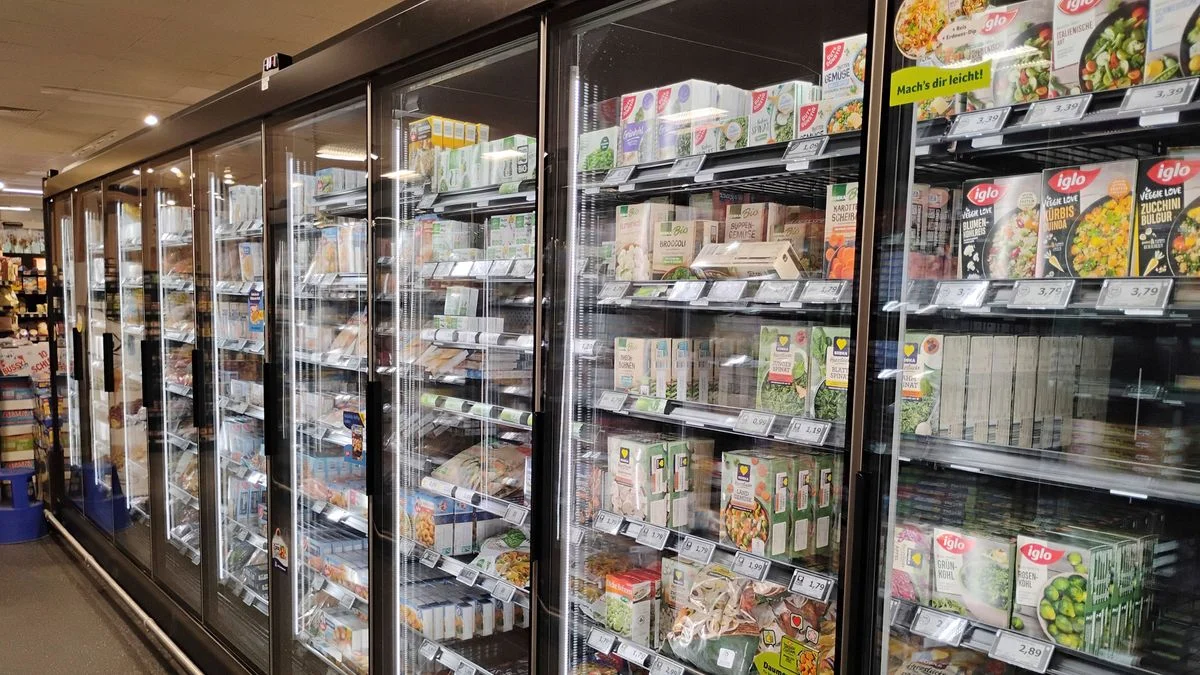
On Monday morning, staff at the Reisbach supermarket arrived to find their refrigeration units not in their standard state of icy preservation, but radiating intense heat. The systems, which are typically monitored and managed via the internet to ensure optimal temperature regulation, had been remotely manipulated.
According to the store operator, who took to social media to inform the local community, the refrigeration units were driven to temperatures as high as 50 degrees Celsius. This catastrophic rise in temperature occurred overnight, leaving the store’s inventory of fresh produce, dairy, and meats completely compromised.
"The sad consequence: enormous amounts of food had to be thrown in the trash," the operator stated on the supermarket’s official Facebook page. The sheer scale of the waste serves as a visceral reminder of the real-world impact of cyber warfare, moving far beyond the realm of stolen data or encrypted hard drives into the tangible destruction of essential infrastructure.
A Growing European Trend
The Reisbach incident is far from an isolated anomaly. It appears to be part of a sophisticated, cross-border pattern of sabotage targeting commercial food retail infrastructure. Over the past several months, similar incidents have been documented across Europe, with reports surfacing in France, Belgium, Sweden, Ireland, Luxembourg, Estonia, Finland, and the Netherlands.
In these instances, hackers have systematically targeted the control panels of industrial cooling systems. By gaining unauthorized access to the network-connected units, perpetrators have been able to bypass safety alarms and manually override temperature settings, effectively turning a supermarket’s assets against itself.
The Vulnerability of the "Smart" Supermarket
To understand the mechanics of this attack, one must look at how modern grocery retail operates. In the pursuit of sustainability and efficiency, retailers have integrated "Internet of Things" (IoT) sensors into their cooling systems. These systems are designed to:
- Monitor temperatures in real-time: Ensuring that food remains within strict health-code limits.
- Provide predictive maintenance: Alerting technicians before a mechanical failure occurs.
- Optimize energy consumption: Reducing the carbon footprint of large-scale cooling units.
However, this connectivity creates a "digital surface area" that is often inadequately protected. Many of these industrial systems rely on default passwords or are connected to the public internet without robust firewall configurations, making them "low-hanging fruit" for cybercriminals operating from anywhere in the world.
Official Responses and Investigative Hurdles
The Polizeipräsidium (Police Headquarters) of Lower Bavaria has officially launched an investigation into the matter. Given the international scope of the attacks, the German authorities have confirmed that they are coordinating with European counterparts to determine if the Reisbach incident is linked to the wider wave of attacks across the continent.
The Caution of Law Enforcement
While the supermarket operator and multiple media outlets have pointed directly to a cyberattack, the German police remain professionally cautious. A spokesperson for the Lower Bavaria police stated that they are not yet officially confirming the "cyberattack" theory as the definitive cause, pending a comprehensive forensic audit of the digital logs and physical systems.
The investigation is complex. It involves not only local law enforcement but potentially the Federal Office for Information Security (BSI) in Germany, as the incident impacts critical infrastructure. The challenge lies in tracing the origin of the remote access, which often involves multiple "hops" through international servers, making attribution an arduous task for investigators.
The Broader Implications: Food Security as a Target
The incident in Reisbach is not merely a localized retail disaster; it raises profound questions about the security of the food supply chain. As we move toward a "smart" future, the interconnectedness of our essential services is becoming a liability.
Economic Consequences for Retailers
For a supermarket operator, the loss of inventory is only the beginning. Beyond the immediate financial hit of spoiled goods, there are:
- System Restoration Costs: Hiring cybersecurity experts to scrub the networks and ensure the systems are no longer compromised.
- Reputational Damage: The psychological impact on customers who may worry about the safety of products in a store that has been "hacked."
- Insurance Complexities: Many standard business insurance policies were written for physical theft or mechanical breakdown, not for sophisticated, state-sponsored or criminal-led digital sabotage. This leaves many retailers in a legal grey area regarding coverage.
Public Health and Safety
While the primary consequence here was food waste, the potential for secondary risks is significant. If such an attack were to occur without the operator noticing—or if the cooling systems were manipulated to stay just at the threshold of safety—it could lead to the sale of contaminated or spoiled food, potentially endangering public health.
Towards a More Resilient Future
The "Reisbach Incident" serves as a wake-up call for the retail industry. It highlights an urgent need for a paradigm shift in how commercial refrigeration is managed.
Cybersecurity Best Practices for Retail
Security experts suggest that retailers must adopt a "Defense in Depth" strategy:
- Network Segmentation: Refrigeration control systems should never be on the same network as the public Wi-Fi or even the primary administrative office network. They should exist in an isolated, highly restricted environment.
- Hardening Hardware: Replacing all factory-default credentials with complex, unique, and rotated passwords is a mandatory first step.
- Regular Auditing: Routine digital hygiene checks, similar to how one might check the physical health of a freezer, are now necessary.
- Manual Overrides: The ability to "air-gap" or manually control a system, bypassing the digital interface entirely during a security breach, must be a standard feature in future designs.
Conclusion: A New Frontier of Crime
The attack on the Reisbach supermarket is a stark illustration of the evolving threat landscape. Cybercriminals are no longer satisfied with just stealing credit card numbers or ransoming files; they are now capable of causing physical destruction to the infrastructure that feeds the populace.
As the investigation in Lower Bavaria continues, the global retail community will be watching closely. This incident marks a turning point where cybersecurity is no longer an "IT department" issue, but a core component of physical safety and business continuity.
Whether this was the work of a sophisticated criminal syndicate looking for a new leverage point, or merely a proof-of-concept attack by hackers testing the boundaries of the digital world, the outcome remains the same: the store is empty, the food is lost, and the public’s trust in the "smart" systems of the future has been shaken. The transition to an interconnected, automated retail environment must now be matched by a transition to a more rigorous, militant approach to digital defense.
The battle for the modern supermarket is no longer fought solely in the aisles—it is being waged in the invisible, interconnected networks that sustain them. In the quiet of a Bavarian night, the silent hum of a cooling unit became the center of a digital siege, proving that in the 21st century, the most vulnerable points of our society are often those we have made the most convenient.