The football community is in mourning following the tragic death of CD Tenerife striker Jesús de Miguel, who passed away after a horrific on-field collision. As investigations continue and tributes pour in from across Europe, the sport reflects on a devastating reminder of the fragility of life.
A Sudden Silence: The Tragedy in Tenerife
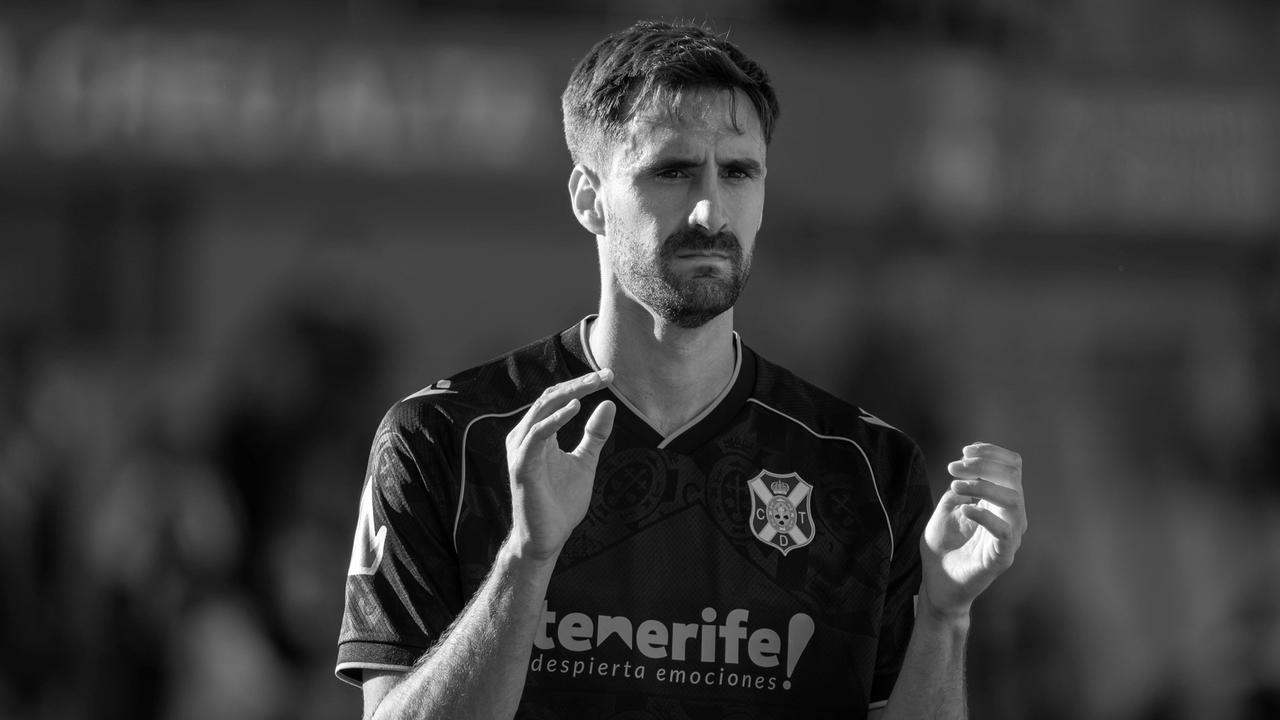
The world of professional football was plunged into grief this week following the untimely death of Jesús de Miguel, a 30-year-old striker for the Spanish second-division side CD Tenerife. The tragedy, which occurred during a league match against FC Andorra, has triggered an outpouring of sorrow, official investigations, and a widespread suspension of sporting activities across Spain.
De Miguel, a dedicated athlete known for his tenacity and skill, lost his life following a catastrophic collision during the final minutes of play. What began as a routine contest for the ball transformed into a life-altering event, leading to the player’s collapse, a desperate battle for survival in the intensive care unit, and his eventual passing at the Nuestra Señora de Candelaria University Hospital.
The Chronology of a Crisis
The sequence of events began on Monday evening during a high-stakes fixture against FC Andorra. As the match entered the final minutes of stoppage time with the score locked at 2-2, the momentum shifted toward a decisive offensive play.
De Miguel was engaged in a sprinting duel toward the opposition penalty area. As the ball hung in the air, FC Andorra goalkeeper Jesús Owono rushed off his line to intercept the pass. In a split-second collision, the momentum of the goalkeeper, jumping to reach the ball, resulted in a direct impact with the upper body of the striker. The force of the contact caused De Miguel to lose consciousness immediately, causing the game to be halted instantly as medical staff rushed onto the pitch.
The gravity of the situation was evident to everyone present. Players from both sides stood in visible distress as the referee made the decision to abandon the match. Despite the prompt arrival of emergency medical personnel, who were forced to perform resuscitation maneuvers on the pitch and during the transit to the hospital, the severity of the trauma was profound.
By Tuesday morning, the situation had deteriorated significantly. CD Tenerife released a statement confirming a "neurological decline" in De Miguel’s condition. Just four hours later, the club issued the heartbreaking announcement that the player had passed away at 8:00 a.m. local time.
Investigation and Legal Implications
The death of a professional athlete during a match is an exceptionally rare event, and the circumstances surrounding this collision have prompted a formal investigation. The homicide division of the National Police in Santa Cruz de Tenerife has been tasked with examining the incident to determine the precise nature of the collision and whether any negligence was involved.
While collisions between goalkeepers and strikers are a common occurrence in the physical nature of football, the tragic outcome here has necessitated a thorough review. FC Andorra goalkeeper Jesús Owono, who was issued a red card immediately following the incident, has been at the center of the emotional fallout. On Thursday, the 25-year-old issued his first public statement since the tragedy, describing the last few days as the "hardest of his life."
"It is difficult for me to find the words, and it is extremely hard to process what has happened," Owono stated through his club. "My thoughts are entirely with Jesús, his family, and everyone who loved him. I am aware that there are many questions that need to be answered, and I will cooperate fully with the necessary procedures."
A Community in Mourning
The response from the footballing world has been instantaneous and overwhelming. CD Tenerife, a club deeply embedded in the identity of the Canary Islands, has expressed its profound sorrow. In a statement released shortly after the confirmation of his passing, the club noted the "lump in the throat" felt by every member of the organization.
"We stand with his desperate family, his loved ones, and all the fans of CD Tenerife who mourn this cruel outcome today," the statement read. The club has since requested the utmost respect for the privacy of the grieving family during this incredibly difficult time.
In a gesture of solidarity, the Royal Spanish Football Federation (RFEF) announced that all matches in the Spanish Cup (Copa del Rey)—covering both men’s and women’s competitions—scheduled for Tuesday, Wednesday, and Thursday, were to be postponed. "The great Spanish football family is united in its grief over this sad loss," the RFEF stated, promising full support to the family and the Tenerife organization.
Continental Solidarity
The impact of De Miguel’s death has transcended Spanish borders, reaching the highest levels of European football. UEFA, the governing body of European football, announced that a minute of silence would be held at every European competition match throughout the week. Players and officials from across the continent have donned black armbands, with footage from major stadiums showing players standing in solemn reflection before kickoff.
The sight of teams standing in silence in Istanbul, London, and Munich served as a poignant reminder of the solidarity within the sport. Even in the competitive atmosphere of the Champions League, the loss of a colleague has momentarily superseded the rivalry of the pitch.
Final Rites and Local Remembrance
As the football world mourns, the focus for the family and the club has shifted to the final farewell. Following the transfer of his remains, a private burial was held on Wednesday in Navahermosa, the family’s hometown in the province of Toledo. Representatives from CD Tenerife, including teammates and the coaching staff, made the journey to the mainland to pay their final respects.
For the fans on the Canary Islands, the club has organized a public memorial ceremony. On Saturday, at 18:00 local time, the Heliodoro Rodríguez López Stadium will open its doors to the public for a final tribute to the fallen striker. The club has declared a six-day period of mourning, during which all activities for its men’s, women’s, and youth teams have been suspended. The scheduled league match against Granada, originally planned for Saturday, has been officially canceled.
Reflections on Safety and the Future
The death of Jesús de Miguel has reignited long-standing debates regarding player safety and the inherent risks of contact sports. While the sport has made significant strides in medical preparedness—as evidenced by the immediate presence of emergency teams on the pitch—incidents of such severity remain difficult to mitigate entirely.
Experts in sports medicine and legal analysts suggest that this tragedy will likely lead to a formal review of match-day safety protocols, even if the incident is ultimately deemed a "freak accident." The investigation by the national police will look not only at the actions of the players involved but also at the response time and the adequacy of the medical equipment available on-site.
For now, however, the focus remains on the human element. Jesús de Miguel was more than a professional athlete; he was a son, a teammate, and a symbol of ambition for young players across Spain. His loss serves as a somber reminder of the intensity with which these athletes play, and the thin line between a game and a tragedy. As the season continues, the memory of De Miguel will undoubtedly remain a part of the fabric of Spanish football, a permanent scar on the history of the sport that will serve as a call for continued vigilance in protecting those who take the field.