ISTANBUL – In a contest that will be remembered as much for defensive capitulation as for its sheer, unrelenting drama, the FC Liverpool machine finally sputtered. Under the electric, deafening canopy of an Istanbul night, the "Reds" saw their perfect Champions League record evaporate in a 3-2 defeat to a resilient Fenerbahce side. Despite taking the lead twice, Andoni Iraola’s men were undone by a trio of set-piece lapses, handing the Turkish giants their first Champions League victory in over a decade and a half.
The Context: A Clash of Ambitions
Heading into Wednesday’s fixture, Liverpool arrived in Turkey with the air of a side cruising through the early stages of the European campaign. Having dispatched the likes of Real Madrid, Paris Saint-Germain, and Real Betis with tactical precision, the Premier League side was one of the last four teams in the competition boasting a flawless record.
However, the domestic narrative had been far less forgiving. Struggling for consistency in the Premier League and fresh off a deflating 1-0 defeat to Arsenal, the trip to the Sukru Saracoglu Stadium was supposed to be a restorative exercise. Instead, it became a cautionary tale of how quickly momentum can shift when concentration wavers. For Fenerbahce, managed by former Liverpool icon Dirk Kuyt, this was a night of redemption, a statement of intent that the club’s long-standing struggles in European competition were finally reaching a turning point.
Chronology of a Collapse
The match began with Liverpool asserting their dominance. From the opening whistle, the English side dictated the tempo, with Victor Munoz coming agonizingly close to opening the scoring in the third minute. His effort, though deflected, forced Ederson into a sprawling save, setting the tone for a match defined by high-intensity transitions.
The breakthrough eventually arrived in the 25th minute. Following a contentious moment where Fenerbahce were denied a penalty claim after Mason Greenwood went down under pressure from Kostas Tzimikas, Liverpool broke with clinical efficiency. Trey Nyoni, the 19-year-old prodigy, fired home a shot that took a cruel deflection to find the back of the net. At 19 years and several months old, Nyoni cemented his name in the club’s history books, becoming the second-youngest Champions League goalscorer in Liverpool’s storied history.
But the lead lasted exactly four minutes. Fenerbahce, roared on by a fan base known for turning their home ground into a cauldron of pressure, responded with visceral intensity. Following a scramble in the Liverpool penalty area, a free-kick from Mason Greenwood struck the defensive wall and took a heavy deflection off Jeremy Jacquet, wrong-footing the goalkeeper to level the scores at 1-1.
The second half mirrored the first in its tactical back-and-forth, but the defining moments were rooted in substitution brilliance and, ultimately, defensive negligence. Iraola looked to his bench, introducing the creative spark of Florian Wirtz alongside Alexander Isak and Cody Gakpo. The gamble paid off almost immediately; in the 69th minute, Gakpo delivered a pinpoint cross that Isak headed home with clinical precision.
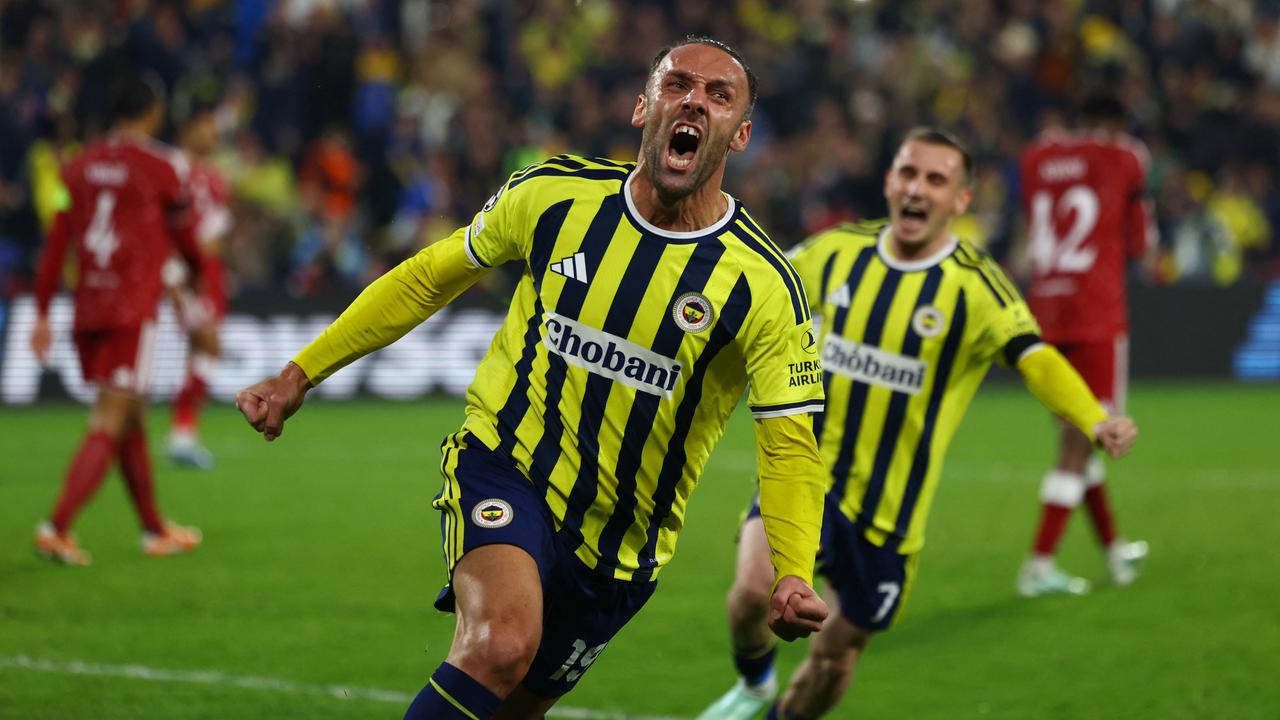
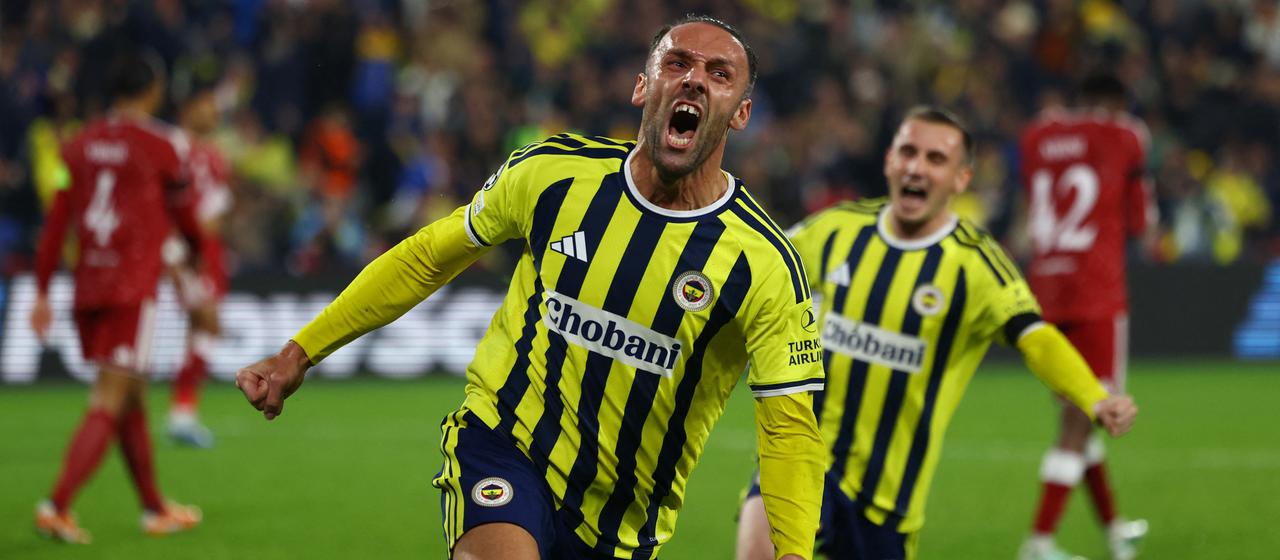
Yet, just as the visitors looked to have regained control, the game turned on a series of unforced errors. In the 73rd minute, a routine cross from N’Golo Kanté was inadvertently flicked on by Gakpo, finding Archie Brown, who tapped into an open net. The final blow came in the 79th minute. A high, speculative ball from Greenwood caused panic in the Liverpool box, allowing Vedat Muriqi to emerge from the chaos and head the winner. It was a goal born of grit rather than tactical sophistication, and it was enough to secure a historic 3-2 victory for the hosts.
Supporting Data: The Anatomy of the Defeat
The statistical breakdown of the evening highlights a glaring issue that Andoni Iraola must address immediately: the susceptibility to set-pieces.
- Set-Piece Vulnerability: All three goals conceded by Liverpool originated from dead-ball situations or second-phase scenarios following set-pieces—a free-kick, a corner, and a long throw-in.
- Possession vs. Efficiency: While Liverpool enjoyed 58% of the possession throughout the 90 minutes, they managed only five shots on target compared to Fenerbahce’s seven, suggesting that despite controlling the ball, they were out-maneuvered in the critical final third.
- The Lukaku Factor: Romelu Lukaku, while not finding his name on the scoresheet, was pivotal for the hosts. His ability to hold up the ball with his back to goal acted as the primary fulcrum for every Fenerbahce attack, effectively neutralizing Liverpool’s high press by drawing defenders out of position.
Official Responses: A Frustrated Manager
In the immediate aftermath of the defeat, the disappointment in the Liverpool camp was palpable. Andoni Iraola did not mince words when discussing the defensive failings that cost his team the points.
"The primary reason for our defeat is simple: we conceded three goals from set-pieces," Iraola stated during the post-match press conference. "We were fully aware that this is a core strength of Fenerbahce. We studied it, we prepared for it, and yet we allowed them to capitalize on a free-kick, a corner, and a long throw-in. It is deeply frustrating. To compete at this level, you cannot afford such lapses in concentration, especially in a stadium as intimidating as this."
On the other side of the tunnel, Dirk Kuyt was understandably jubilant. While he remained humble regarding his former club, he lauded his players for their adherence to the game plan. "We played with heart, but more importantly, we played with discipline. We knew that if we could force them into mistakes and disrupt their rhythm with physical play, we would have a chance. My players showed the spirit that this club is famous for."
Implications: What This Means for the Campaign
The loss in Istanbul sends ripples through Group C. For Liverpool, the perfect record is gone, and the "Reds" now find themselves in a position where they must secure a result in their final group stage match to ensure top-seed status for the knockout rounds.
Tactical Re-evaluation:
The match exposed a lack of aerial dominance in the defensive third. With tougher opponents awaiting in the later stages of the Champions League, Iraola will likely be forced to rotate his personnel to find a more robust defensive structure.
The "Fenerbahce Effect":
For Fenerbahce, this win is a watershed moment. It serves as a reminder that they remain a formidable force in their own backyard. By taking down a giant of European football, they have not only reignited their own campaign but have also sent a signal to the rest of the competition: Istanbul is not a place for the faint-hearted.
The Road Ahead:
As the Champions League moves into the winter months, the pressure mounts. Liverpool’s next fixture will be scrutinized for how they respond to this adversity. Can they tighten their defensive lines, or is this a sign of systemic fatigue? One thing is certain: the European dream remains alive for both, but the margins for error have vanished. Wednesday night in Istanbul proved that in the Champions League, pedigree counts for little if you cannot defend the basics.