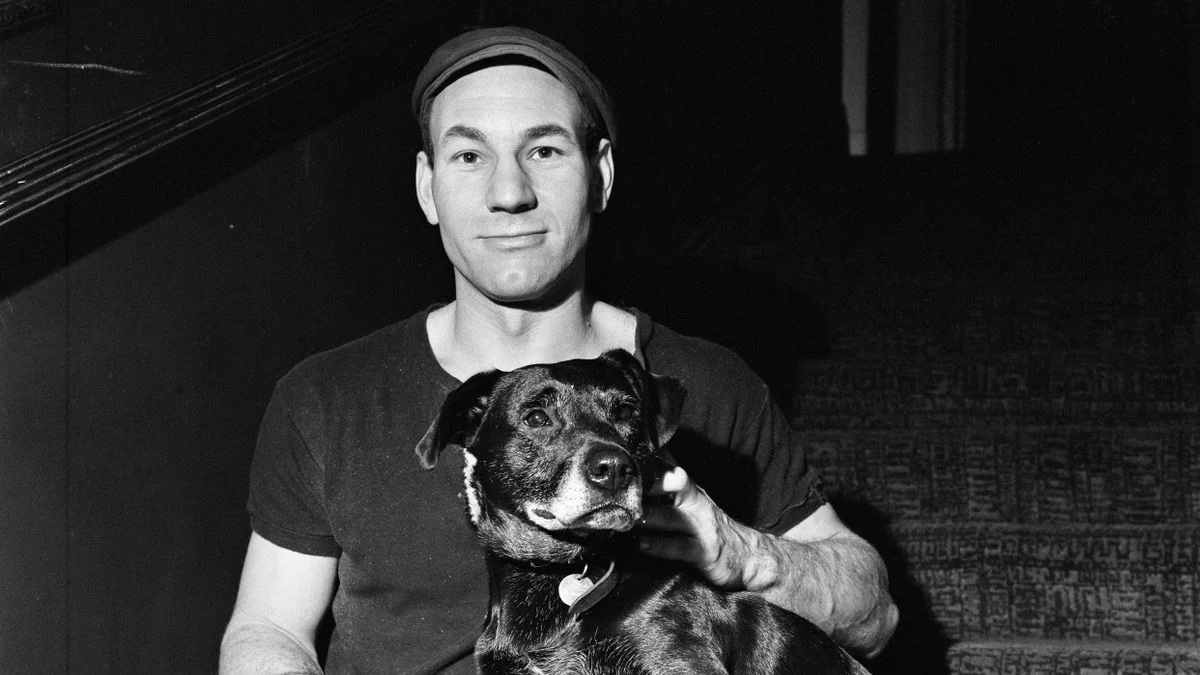
The literary and artistic world is in mourning following the passing of Horst Eckert, the legendary author and illustrator known to millions simply as "Janosch." He died on Tuesday on the Spanish island of Tenerife at the age of 95. As the creator of some of the most beloved children’s characters of the 20th century, including the Tiger, the Bear, and the iconic Tigerente (Tiger Duck), Janosch leaves behind a body of work that challenged authority with a smile and offered solace to generations of readers.
The End of an Era: Main Facts
The news of Janosch’s passing was confirmed by his longtime publisher in Tübingen, Bernhard Feil. For decades, Janosch had lived in relative seclusion on Tenerife, having retreated from the public eye in the 1980s to escape the pressures of his own immense success.
Born in 1931, Janosch rose to global prominence in the 1970s, fundamentally changing the landscape of children’s literature. His masterpiece, Oh, wie schön ist Panama (The Trip to Panama), became a foundational text of modern European childhood, translated into dozens of languages and sold in the millions. Yet, to categorize him merely as a children’s author is to overlook the profound complexity of a man who used art to navigate his own trauma, social commentary, and a lifelong search for the "good life."
A Chronology of a Creative Life
Early Hardships and the Roots of Art
The man who would teach the world about friendship and the simplicity of happiness was born into a reality defined by the exact opposite. Growing up in Upper Silesia (then Germany, now part of Poland), Horst Eckert’s early life was marred by systemic poverty, domestic violence, and his father’s severe alcoholism.
In interviews, Janosch was often brutally honest about these formative years. He once told the Süddeutsche Zeitung, "The first years of my life were the total destruction of my person." This period of "total destruction" serves as the psychological bedrock of his work. His books were not merely entertainment; they were a deliberate, philosophical counter-narrative to his childhood. If his youth was defined by cruelty, his stories were defined by a stubborn, gentle anarchism.
The Rise of the Tigerente
After moving to West Germany, Eckert adopted the pseudonym "Janosch" and began his career as a commercial artist and writer. His breakthrough came in the 1970s. The introduction of the Tiger and the Bear—two friends living in a house by the river—captivated the public.
The inclusion of the small, wheeled "Tigerente" (Tiger Duck) was a masterstroke of design. It evolved from a secondary visual element into a cultural phenomenon. By the 1990s, the Tigerente had become a brand in its own right, appearing on everything from bicycles and school supplies to hospital equipment. While this commercialization often embarrassed the artist, it underscored the universal appeal of his visual language: simple, warm, and infinitely recognizable.
The Tenerife Exile and Later Years
Seeking distance from the "machine" of fame, Janosch relocated to the Canary Islands in the 1980s. This move allowed him to maintain his creative output on his own terms. Even into his 80s and 90s, he remained active. Notably, he found a new audience as an elder statesman of wit through his column for Die Zeit, where his alter ego, "Herr Wondrak," provided wry, pacifist, and often absurd commentary on modern political crises.
Supporting Data and Creative Scope
Janosch’s influence is difficult to quantify, but the numbers provide a glimpse. With over 150 books published throughout his career, he is one of the most prolific authors in the German language.
However, his reach extended far beyond the nursery. His bibliography includes:
- Children’s Classics: Beyond Panama, books like Post für den Tiger (Post for the Tiger) established a narrative style that prioritized emotional intelligence over moralizing.
- Adult Fiction: Novels such as Cholonek oder der liebe Gott aus Lehm provided a harrowing, semi-autobiographical account of the brutality of his childhood.
- Transgressive Art: Perhaps most surprisingly, Janosch illustrated the works of the Marquis de Sade. These erotic and dark illustrations highlight the vast chasm between his commercial persona as a children’s author and the depth of his artistic curiosity.
- Theater and Media: He wrote numerous plays and saw his characters adapted into award-winning television series, cementing his status as a titan of German pop culture.
Official Responses and Literary Appraisal
The German cultural establishment has reacted with an outpouring of grief. Publishers, politicians, and fellow artists have praised Janosch for his ability to "democratize" literature.
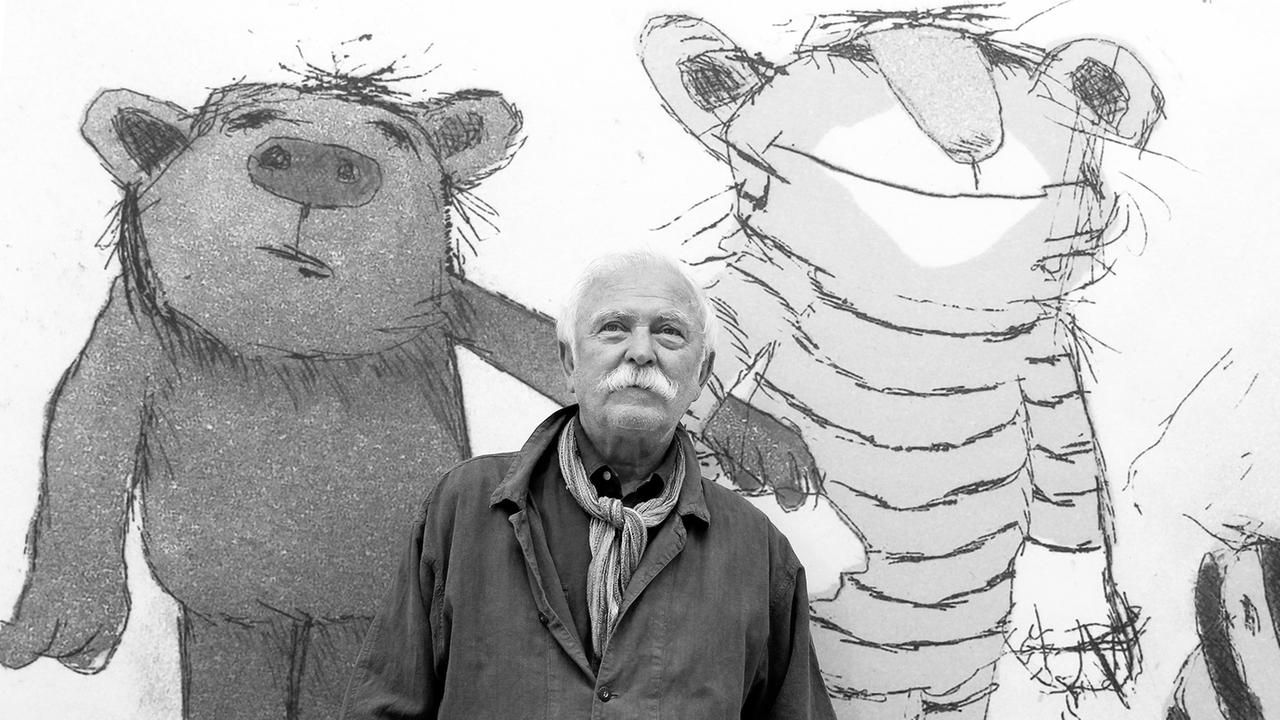
"Janosch created heroes out of those whom the world usually ignores," wrote Zeit editor Tillmann Prüfer in the afterword to a collection of Wondrak columns. This sentiment captures the essence of his work: his characters—a bear who loves to cook, a tiger who is often anxious, and a duck that cannot fly but can roll—are outsiders who find strength in vulnerability.
In a statement released shortly after the news, representatives of the German Publishers and Booksellers Association highlighted that Janosch did not just write books; he provided a moral compass for children who were not yet ready for the cynicism of the adult world. They noted that his ability to maintain a sense of playfulness despite his own dark history was a triumph of the human spirit.
Implications: The Enduring Philosophy of Janosch
What happens to a culture when its most gentle storyteller passes? For many, the death of Janosch feels like the closing of a chapter on a specific type of optimistic, post-war humanism.
The "Janosch" Philosophy
The core of Janosch’s philosophy, particularly in his later years, was the belief in "doing nothing." He advocated for a life free from the pressures of capitalist productivity. In his Wondrak columns, he often suggested that the solution to a global problem—be it climate change or political tension—was for everyone to simply sit down, have a drink, and be kind to their neighbor.
This was not laziness; it was a radical, political statement. By prioritizing the "simple life" in his books, he was teaching children that their worth was not tied to their utility, but to their capacity for friendship and empathy.
The Future of His Work
The "Tigerente" will undoubtedly survive its creator. The licensing and merchandising machine associated with his characters ensures that his visual aesthetic will remain present in homes for decades to come. However, the challenge for future generations will be to look past the branding and reconnect with the text.
The danger with iconic characters is that they become decorative. If the Tigerente becomes only a logo, the radical kindness of the Tiger and the Bear risks being forgotten. Educators and parents are now faced with the task of keeping the "anarchic heart" of his stories alive.
Conclusion
Janosch was a contradiction: a man who suffered deeply and wrote of joy; a man who sought isolation and reached millions; a man who was both a children’s illustrator and an interpreter of the Marquis de Sade.
He once said that his books were his way of creating the childhood he never had. In doing so, he gave that same gift to the world. As the news of his death settles, the legacy remains: a world where friends look out for one another, where "Panama" is a state of mind rather than a destination, and where the most important things in life—friendship, a warm meal, and the courage to be oneself—are exactly what they appear to be.
Janosch has left the stage, but the characters he created will continue to travel, roll, and wander through the imaginations of children for as long as there are books to be read. As he might have said in the voice of Wondrak: "It is a sad day, yes. But perhaps we should just have a slice of cake and look at the clouds until things feel a little bit better."