By International Correspondent Staff
Updated: November 4, 2026, 12:15 PM
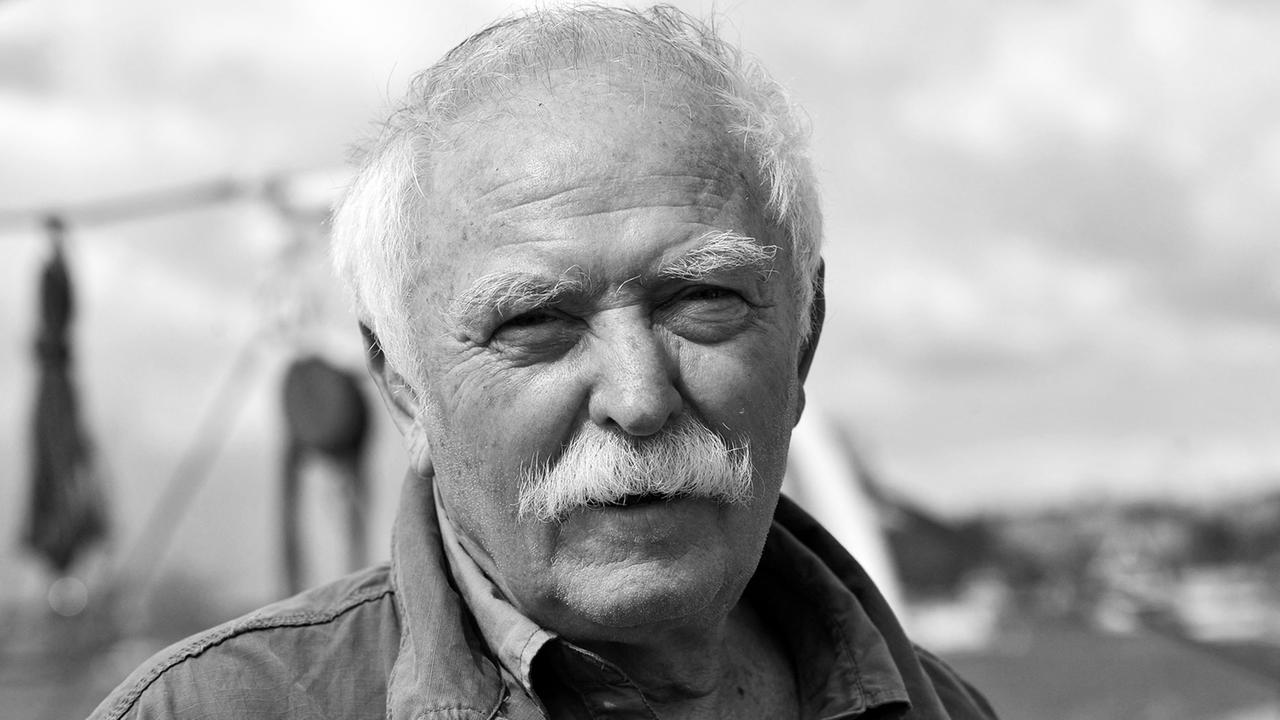
The literary world is in mourning following the death of Horst Eckert, the iconic German artist and author known globally by his pen name, Janosch. He passed away at the age of 95 at his home on the island of Tenerife. A titan of children’s literature, an anarchist spirit, and a profound observer of the human condition, Janosch leaves behind a legacy that transcends borders, generations, and the conventional boundaries of storytelling.
He was the architect of a whimsical universe populated by the Little Tiger, the Little Bear, and the iconic, if accidental, Tigerente (Tiger Duck). Yet, his work was never merely for children; it was a manual for resilience, a critique of societal expectations, and a heartfelt invitation to find beauty in being "a little different."
A Life Forged in the Crucible of History
From Oberschlesien to the World Stage
Born in 1931 in Hindenburg, Oberschlesien (now Zabrze, Poland), Janosch’s early life was marked by the dark shadows of the mid-20th century. His father, an alcoholic, subjected him to the harsh realities of a home defined by fear and instability. In a chilling nod to the era’s political climate, he was christened "Horst" after the Nazi martyr Horst Wessel—a fact that would later serve as a source of deep personal conflict.
His mother, a woman trapped in a rigid, soul-crushing religious orthodoxy, provided little respite. Janosch famously described his Catholic upbringing as "the greatest accident of my life," citing the physical and psychological abuse he endured at the hands of parents, peers, and the clergy as the foundational trauma that would eventually fuel his creative rebellion.
The Struggle and the Breakthrough
In the post-war chaos, Janosch fled with his family to Lower Saxony, eventually finding himself in Munich. There, he attempted to formalize his artistic talents, but his tenure at art school ended in ignominy; he was dismissed for "lack of talent."
This rejection proved to be the catalyst for his true career. Unburdened by the academic expectations of the establishment, he turned to the canvas and the page as a means of survival. His breakthrough finally arrived in 1978 with the publication of Oh, How Beautiful Panama Is (Oh, wie schön ist Panama). The story of the Little Tiger and the Little Bear searching for their dream home became an international sensation, selling millions of copies and cementing his place in the pantheon of children’s authors.
Chronology: A Career of Anarchy and Art
- 1931: Born as Horst Eckert in Hindenburg, Germany.
- 1945–1950: Post-war displacement; struggles with family trauma and poverty.
- 1953: Moves to Munich to study art; expelled for "lack of talent."
- 1960: Publishes his first book, The Horse Has Four Legs.
- 1978: Oh, How Beautiful Panama Is is published, achieving global recognition.
- 1980s–1990s: Prolific output of novels, picture books, and plays; the "Tigerente" becomes a commercial cultural phenomenon, much to his personal chagrin.
- 2010: Announces retirement from active writing, retreating to his residence on Tenerife.
- 2013–2016: Returns to the public eye as "Herr Janosch," writing a reflective, philosophical column for Die Zeit.
- 2026: Passes away at age 95.
The Philosophy of the "Gartenzwerg"
Janosch’s literature was never designed to be merely "cute." He often dismissed the commercial success of his characters, particularly the Tigerente, as "kitsch." When asked about the secret behind his stories, he was famously pragmatic, once noting that he knew the rules of the genre: "You need a teddy bear, a journey, and a friend, and the women will start crying."
However, beneath the veneer of simple storytelling lay a radical educational philosophy. He viewed his books as a form of "psychological self-defense" for children. In a 2010 interview, he articulated his mission with striking clarity: "I try to build an immune system in my stories so that children become resistant to their parents. I give them the garden gnomes that they can later use as projectiles."
This "anarchist" approach to parenting and growth made his work resonate with adults as much as children. He taught his readers that it is okay to be an outsider, to be "a little different," and that the true journey is not about reaching the destination—be it Panama or anywhere else—but about the companionship and the freedom to define one’s own path.
Supporting Data: A Literary Legacy
- Global Reach: His works have been translated into over 40 languages.
- Volume: Janosch produced over 150 books throughout his career, ranging from illustrated children’s stories to biting, cynical novels for adults.
- Cultural Impact: The "Tigerente" remains one of the most recognizable icons in German media, a symbol that managed to survive despite the author’s active dislike of the merchandising industry that surrounded it.
Official Responses and Public Sentiment
The news of his passing has triggered an outpouring of tributes from across the cultural spectrum.
The German Federal President’s Office issued a statement: "Janosch was a voice that taught us how to be human in a complicated world. He reminded us that the greatest treasures are often found not in the destinations we seek, but in the friends we keep along the way."
Prominent illustrators and authors have taken to social media to express their grief. "He was the master of the shaky line and the sharp thought," noted one prominent critic. "He proved that children’s books could be the most subversive literature of all."
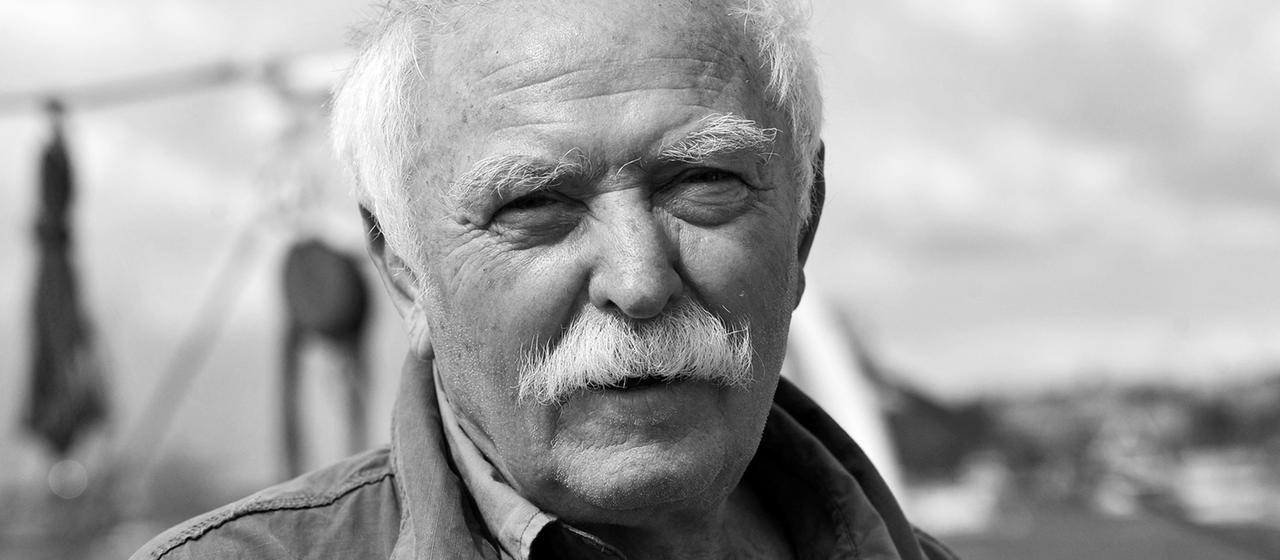
In his home away from home, the residents of his quiet corner of Tenerife remember him not as a celebrity, but as a mysterious, quiet man with a penchant for solitude and a love for his garden—a man who, much like his character Onkel Popov, seemed to have the secret ability to fly away from the trivialities of the world.
Implications: The End of an Era
The death of Janosch marks the end of a transformative era in European literature. He represented a generation of post-war creators who used the medium of "innocence" to process the trauma of the past and offer a roadmap for a freer, more empathetic future.
His influence on future generations of writers is immeasurable. By validating the feelings of fear, loneliness, and the desire for escape, he provided a sense of belonging to millions of children who felt "different."
As the literary world reflects on his 95 years, the sentiment remains clear: Janosch did not just write books; he provided a safe harbor. And as he once told a reader who asked how to say goodbye, his own departure feels exactly as he described:
"You turn around with a tear in your eye and you say: ‘I’m going now.’"
Janosch has gone now, but the world he built—a world of tigers, bears, and the courage to be oneself—remains, tucked safely into the shelves of millions of homes, waiting to be rediscovered by the next generation of travelers.