By International Arts Correspondent
The global film community is in mourning following the passing of Elke Sommer, the iconic German-born actress who served as one of the most recognizable faces of the 1960s Hollywood era. Sommer, a Golden Globe winner and a multifaceted artist whose career spanned decades, continents, and mediums, died at her home in Bel Air, California, on Wednesday at the age of 85. Her death marks the end of a transformative era in transatlantic cinema, closing the chapter on a life that moved from the humble surroundings of post-war Bavaria to the glamorous, high-stakes world of Tinseltown.
The Trajectory of a Global Star: A Chronology of Success
Born in Berlin and raised in the Bavarian region of Germany, Elke Sommer’s path to stardom was as unconventional as it was swift. Her ascent began not in the audition rooms of studios, but on the back of a beauty competition—a common gateway for starlets of the mid-20th century. However, it was her raw, undeniable screen presence that allowed her to transition quickly from local recognition to international acclaim.
Her breakout role arrived in 1961 with the film Das Mädchen und der Staatsanwalt (The Girl and the Public Prosecutor). The film’s success was not limited to domestic borders; it was exported to the United States, catching the attention of American casting directors and producers who were eager to capitalize on the "Continental" charm that Sommer exuded.
By 1963, Sommer had officially arrived in Hollywood. Her performance in The Prize, where she starred opposite the legendary Paul Newman, secured her a Golden Globe for "New Star of the Year." This accolade cemented her status as a bona fide movie star. Throughout the 1960s, she became a fixture of the global box office, sharing the screen with icons such as Alain Delon, Sharon Tate, and Dean Martin.
Her career was defined by a remarkable versatility. In 1964, she joined the cast of the legendary "Pink Panther" series in A Shot in the Dark, showcasing a comedic timing that few of her contemporaries possessed. She was not merely a decorative presence—a label she frequently fought against—but a working actor who understood the mechanics of both drama and farce.
Supporting Data: A Prolific Career Beyond the Silver Screen
While the public remembers her primarily for her cinematic contributions, a deep dive into her career reveals a woman of immense intellectual and creative range. Over the course of her life, Sommer appeared in approximately 100 motion pictures. This sheer volume of work speaks to a relentless work ethic that defined her tenure in the industry.
However, cinema was only one pillar of her public life.
- The Musical and Stage Dimension: Beyond film, Sommer was an accomplished stage performer, bringing her gravitas to theaters across Europe and North America. Her television appearances were equally varied, ranging from serious dramatic roles to lighthearted, iconic cameos on The Muppet Show, which showcased her ability to laugh at her own celebrity persona.
- The Painter and Vocalist: Away from the cameras, Sommer was a prolific painter. Her art was not a mere hobby; it was an extension of her identity, often characterized by vivid, surrealistic expressionism that echoed the colorful, often chaotic life she led in the spotlight.
- The Global Citizen: She maintained a unique dual existence for decades. While the hills of Bel Air provided the backdrop for her professional life in the United States, she kept a deep, enduring connection to her roots in Marloffstein, Franconia. It is there, in the quietude of the Bavarian landscape, that she is expected to be laid to rest, returning to the family plot that anchored her during her most turbulent years of fame.
Official Responses: Tributes from the Cultural and Political Spheres
The news of her passing has prompted an outpouring of tributes from political leaders and cultural figures, underscoring the significance of her role as a bridge between Germany and the United States.
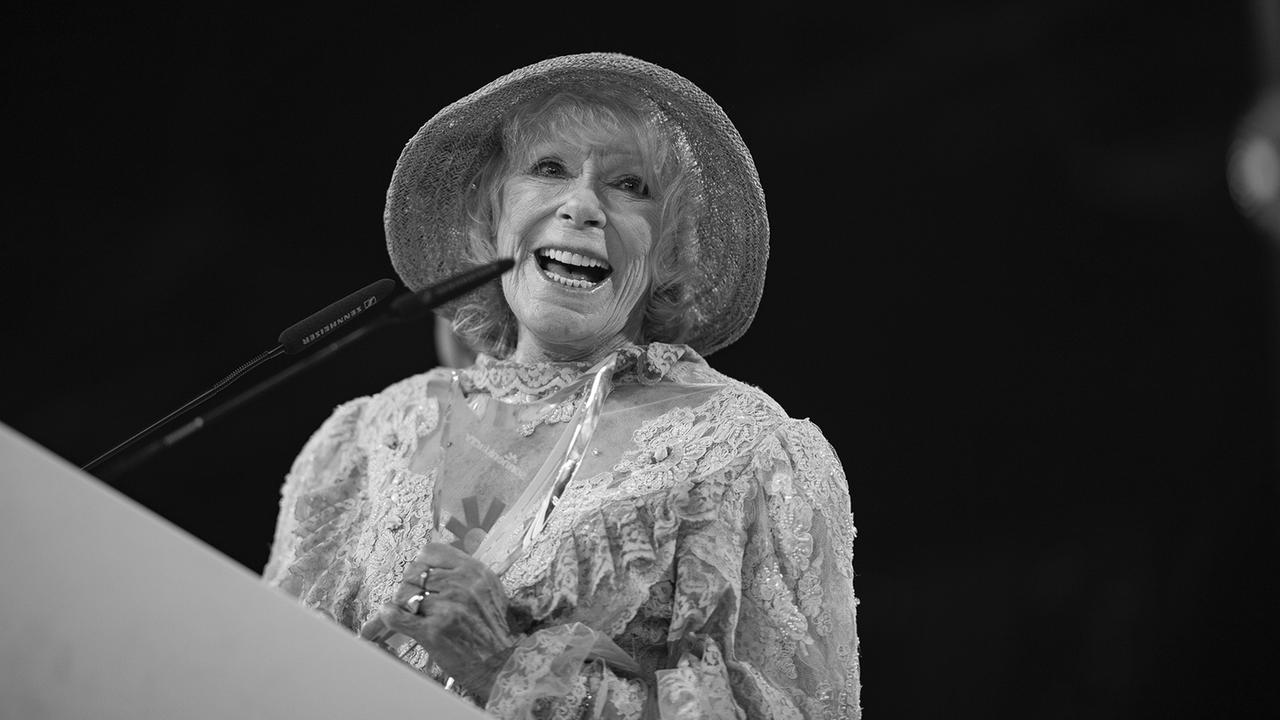
Wolfram Weimer, Germany’s Minister of State for Culture, issued a formal statement describing Sommer as "an extraordinary actress and an ambassador of German film in Hollywood." Weimer noted, "With her outstanding talent, her charm, and her elegance, she touched and inspired generations. Her life path stands for artistic courage, versatility, and the connecting power of culture."
Bavarian Minister-President Markus Söder, who honored Sommer with the Bavarian Order of Merit in 2019, reflected on her personal connection to her homeland. "Elke Sommer was a true acting icon," Söder remarked. "Her path led from Erlangen to Italy, Berlin, and finally to Los Angeles, but she always kept her childhood and youth in Franconia firmly in her heart."
These tributes highlight a critical aspect of Sommer’s legacy: she was a cultural diplomat at a time when the reconstruction of German identity on the world stage was a delicate, vital process. By succeeding in the American industry without abandoning her European roots, she became a symbol of a modern, international Germany.
Implications: The Legacy of a Hollywood "Sex Symbol"
To categorize Elke Sommer simply as a "sex symbol"—a term frequently applied to her in the 1960s—is to overlook the systemic barriers she navigated. As an actress in a male-dominated industry, she operated within a rigid framework that often prioritized aesthetic appeal over dramatic depth. Yet, as history now looks back on her career, the conversation is shifting toward the resilience required to thrive in that environment for over half a century.
Her relative withdrawal from the public eye in her final years was a deliberate choice. After the death of her husband, Wolf Walther, earlier this summer—a loss that colleagues described as a heavy blow to the actress—Sommer lived a quiet life. This period of reflection has allowed for a more nuanced appraisal of her life.
The legacy of Elke Sommer is not just one of red carpets and Golden Globes; it is a testament to the life of a woman who remained curious, creative, and remarkably grounded despite the artificiality of celebrity. She represents a generation of actors who had to learn the craft in front of the world, adapting to the changing tides of cinema from the golden age of the studio system to the more fractured, independent era that followed.
A Final Curtain
As the industry prepares for tributes and retrospectives, the story of Elke Sommer serves as a reminder of the ephemeral nature of fame and the enduring power of artistic contribution. She did not just participate in the cultural history of the 20th century; she helped write it.
Whether through the lens of a classic comedy or the stroke of a paintbrush in her private studio, Sommer’s impact was one of constant evolution. While the screens may go dark in her honor, the body of work she leaves behind—a massive, eclectic, and at times daring filmography—ensures that the woman from Franconia who conquered Hollywood will remain a permanent fixture in the annals of film history.
In the end, Elke Sommer was never just an image on a screen. She was a storyteller, a painter, a survivor, and, above all, a pioneer who proved that one could cross oceans and cultural divides without losing the essence of who they were. As she returns to the soil of Bavaria, her journey comes full circle, leaving behind a world that is, in many ways, more vibrant for the decades she spent gracing it.