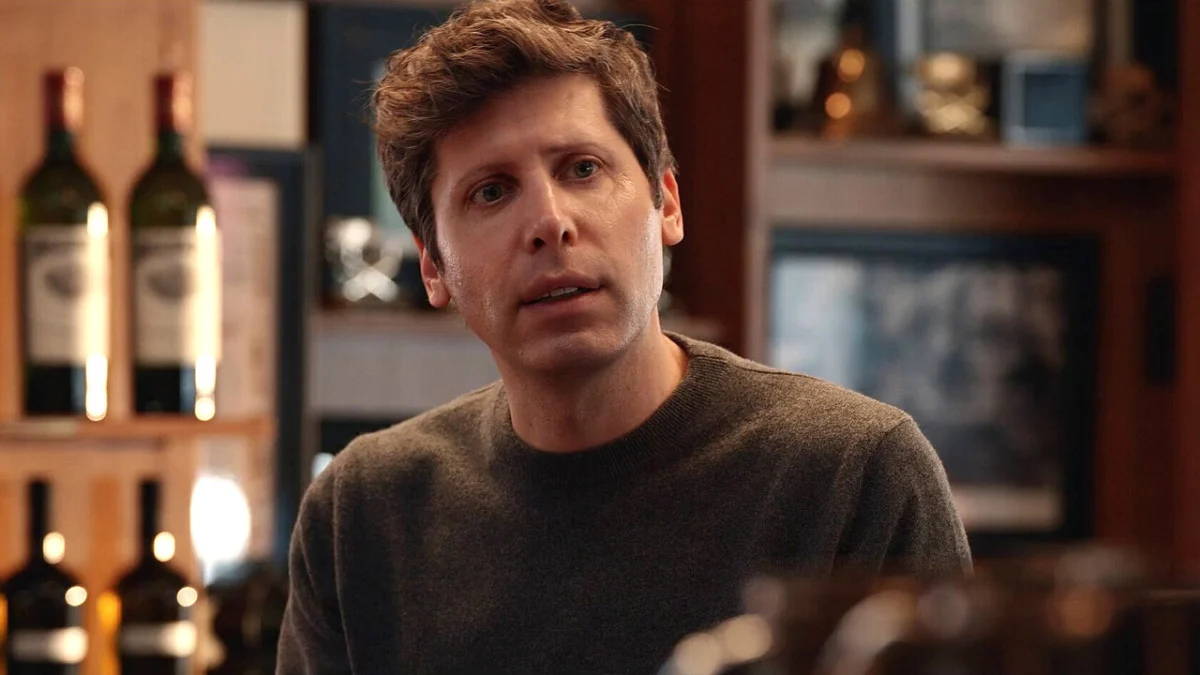
In an era defined by the insatiable appetite of Large Language Models (LLMs) for compute and memory, a casual remark by OpenAI CEO Sam Altman has ignited a firestorm of criticism, shedding light on the deepening divide between industrial-scale AI infrastructure and the needs of the average consumer. What began as a comment on hardware efficiency in an interview has morphed into a broader debate about resource allocation, corporate power, and the future of personal computing.
The Catalyst: An Interview and a Misinterpretation
The controversy originated from an appearance on the YouTube channel Cheeky Pint, where Sam Altman discussed the current state of the global semiconductor market. During the conversation, Altman questioned the utility of high-capacity Dynamic Random Access Memory (DRAM) in private consumer PCs. He pointed out that, statistically, the average home computer utilizes only a fraction—roughly five percent—of its installed RAM capacity at any given time.
Altman’s argument was framed through the lens of resource optimization. He suggested that in a world facing a critical shortage of DRAM, housing massive amounts of memory in devices that spend most of their existence in a state of idle or low-utility processing is inherently inefficient. He contrasted this with cloud-based data centers, where hardware utilization rates are significantly higher, allowing for more intensive AI computations that could potentially benefit a wider user base.
The reaction from the technology community—particularly PC enthusiasts and gamers—was immediate and vitriolic. Within hours, social media platforms, Reddit, and various tech forums were flooded with memes and aggressive commentary. Many interpreted Altman’s words as a thinly veiled endorsement for restricting the hardware available to private individuals, effectively suggesting that "normal" users should sacrifice their performance so that AI corporations could hoard memory for massive server farms.
A Chronology of the Backlash
The escalation of the "RAM-gate" narrative followed a rapid trajectory:
- Initial Comments: During the Cheeky Pint interview, Altman highlights the inefficiency of consumer-grade DRAM utilization.
- The Viral Spark: Clips of the interview circulate on X (formerly Twitter), stripped of context, framing Altman as an adversary of consumer hardware freedom.
- Public Outcry: Tech influencers and gaming communities lead a charge against the perceived "hardware gatekeeping."
- The Clarification: Recognizing the PR crisis, Altman takes to X to issue a series of clarifications, distancing himself from the idea of limiting consumer hardware.
- The Rebrand: In a moment of begrudging self-awareness, Altman changes his display name to "Ram Altman," a move that failed to silence critics but highlighted his frustration with the discourse.
- Broader Context: The debate expands from simple hardware preference into a wider discussion on the political implications of AI development and the necessity of societal oversight.
Understanding the DRAM Shortage: Data and Economic Realities
The frustration felt by consumers is not merely a result of a misunderstood interview; it is grounded in the tangible reality of a strained hardware market. The global DRAM shortage, exacerbated by the unprecedented demand for AI infrastructure, has had a direct impact on the cost of consumer electronics.
Major players in the gaming and hardware space—including Sony, Microsoft, and Nintendo—have faced mounting pressure to keep prices stable while the cost of components like high-bandwidth memory (HBM) and standard DRAM skyrockets. As OpenAI and other AI giants consume the lion’s share of high-end memory production, consumer hardware manufacturers have been forced to pass these increased costs onto the end user.
For example, recent price hikes for consoles like the PlayStation 5 Pro serve as a barometer for the broader market shift. When consumers see the cost of their favorite hobbies rising while tech leaders suggest that their hardware usage is "inefficient," the reaction is rarely one of objective analysis. It is an emotional response to a feeling of being deprioritized in favor of a technology that many do not yet fully understand or trust.
Official Responses and the "Ram Altman" Persona
In his attempt to quell the flames, Altman was forced to address the perception that he was advocating for a "thin client" future where users own less and rely more on the cloud.
"I want you to have an incredible amount of RAM," Altman wrote on X. "Let’s produce more of it."
His clarification emphasized that his focus was not on the restriction of consumer hardware, but on the expansion of global manufacturing capacity. He argues that the solution to the resource conflict is not to ration, but to innovate and build more infrastructure. Despite these assurances, Altman expressed clear irritation with the backlash, at one point labeling the ongoing discourse "damn annoying."
His decision to adopt the moniker "Ram Altman" was interpreted by some as a savvy attempt at self-deprecating humor, and by others as a dismissive gesture toward the legitimate concerns of a user base that feels marginalized by the AI boom. The incident highlights the precarious position of Silicon Valley CEOs who have become the face of a technological shift that is fundamentally altering the global economy.
Implications: Societal Control and the Future of AI
The "RAM-gate" controversy is a microcosm of a much larger, more significant debate: Who controls the future of human activity?
In a separate, more philosophical thread on X, Altman touched upon the necessity of societal control over artificial intelligence. He stated that OpenAI is fundamentally opposed to the idea that humans should be relegated to roles deemed "valuable" by AI systems. "People should not cede control of the future," he asserted.
This stance is particularly relevant in the wake of shifting political landscapes. With the recent US elections and the potential for a more interventionist approach to tech regulation, the discourse around AI has moved beyond efficiency metrics and into the realm of human agency.
Key Takeaways for the Future:
- Hardware Sovereignty: There is a growing consumer movement to maintain local computing power. The fear of a "cloud-only" future is a powerful driver for the DIY PC community and proponents of open-source hardware.
- Infrastructure as a Geopolitical Asset: As DRAM and compute become as vital as oil or electricity, the ability to produce these components will become a cornerstone of national security and economic policy.
- The Communication Gap: The gulf between the technical efficiency goals of AI labs and the practical expectations of the general public remains wide. Leaders like Altman must navigate the reality that their words have profound implications for global supply chains and consumer sentiment.
- The Limits of Growth: Altman’s plea to "produce more" raises the question: Are there environmental and logistical limits to the hardware boom? The massive energy and material requirements of modern data centers suggest that the status quo may not be sustainable.
Conclusion: Beyond the Meme
While "Ram Altman" may eventually fade as a fleeting internet meme, the issues it brought to the fore are unlikely to disappear. The tension between the massive computational demands of cutting-edge AI and the desire for robust, private, and accessible consumer hardware is a defining characteristic of our current technological epoch.
The OpenAI CEO’s insistence that he supports consumer hardware autonomy is a necessary sentiment, yet it does little to address the immediate economic squeeze caused by the AI gold rush. Moving forward, the industry must bridge the gap between abstract technological goals and the tangible realities of the people who use their products. Whether through increased production, more efficient software, or a fundamental rethinking of how AI models interact with edge devices, the path forward must balance progress with the preservation of personal computing power.
For now, the debate serves as a stark reminder: in the age of AI, hardware is not just a tool—it is a point of contention. As we look to the future, the question remains whether the world can produce enough "RAM" to satisfy both the insatiable needs of the machines and the fundamental expectations of the people who build them.