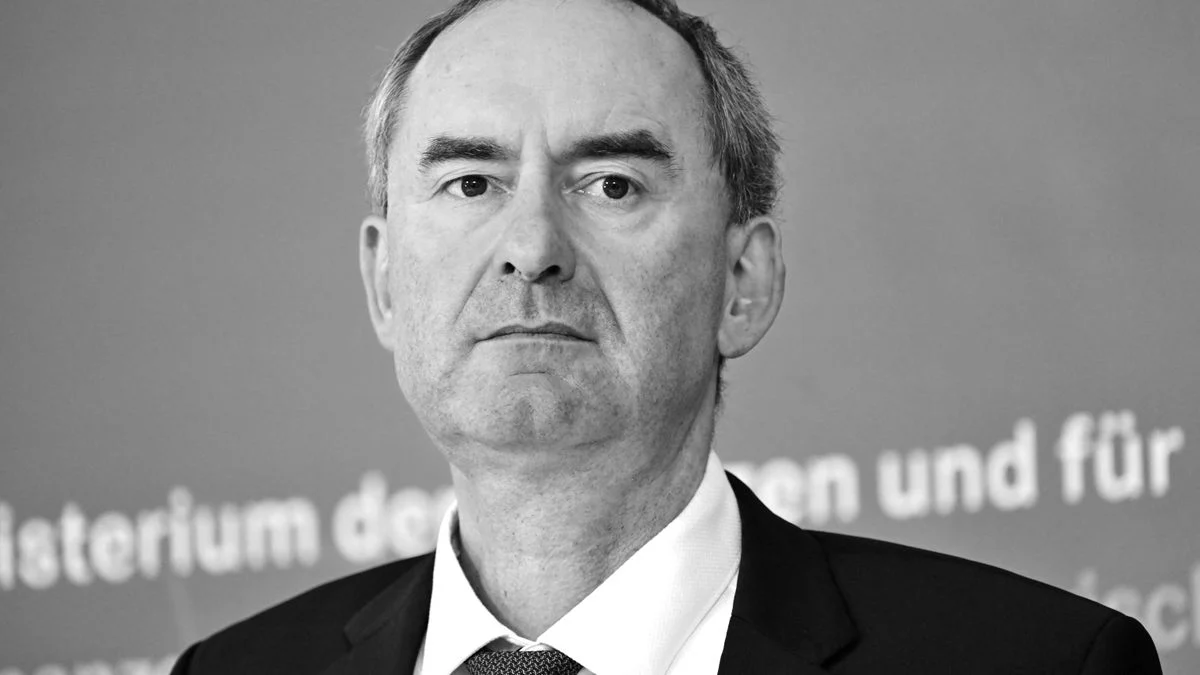
Berlin, Germany – The German political landscape was plunged into shock this week with the sudden passing of Hubert Aiwanger, the charismatic Bavarian Vice-Minister President and leader of the Freie Wähler party. His death, at the age of 55, leaves a significant void in regional and national politics, prompting an outpouring of condolences and reflections on his impactful, often polarizing, career.
Meanwhile, a high-profile legal and public battle involving actor Christian Ulmen and his ex-wife, Collien Fernandes, continues to unfold, with new documents casting further doubt on Ulmen’s account of alleged physical altercations. The case has ignited a national conversation about digital and domestic violence, particularly within the public eye.
In a different vein, the Bundestag is poised to vote on controversial reforms to Germany’s driving license acquisition process, proposals that have sparked debate among road safety advocates and those pushing for modernization and accessibility.
This article delves into these pivotal events, examining their facts, chronology, underlying contexts, official reactions, and broader implications for German society.
The Sudden Loss of Hubert Aiwanger
The news of Hubert Aiwanger’s death has sent ripples through Germany, marking the end of a career defined by its unique blend of regional rootedness and national political impact.
Main Facts
Hubert Aiwanger, the Bavarian Vice-Minister President and chairman of the Freie Wähler (Free Voters) party, was found lifeless in a hotel room in Berlin. He was 55 years old and had been a prominent figure in German politics for over a decade. Aiwanger was a married father of two, residing with his partner, a district administrator for the Freie Wähler. The circumstances surrounding his death suggest a sudden and unexpected event, as he had been scheduled for a significant public appearance just hours before.

Chronology
The sequence of events leading to Aiwanger’s tragic passing began with his planned attendance at the inauguration of a new Freie Wähler office in the capital. He was slated to deliver a key address, a moment intended to underline the party’s growing national presence. However, according to reports from the German Press Agency (dpa), Aiwanger cancelled his appearance at short notice, citing health reasons. Attempts to reach him subsequently proved unsuccessful, leading to the discovery of his body in his hotel room. The exact cause of death has not been publicly disclosed, but the sudden nature, following the cancellation due to "health reasons," points towards an acute medical incident. The incident has left many questions unanswered regarding the final hours of the influential politician.
Supporting Data
Aiwanger, a native of Lower Bavaria, was widely regarded as a formidable and gifted populist. His political rise was largely attributed to his ability to articulate the concerns of "ordinary people" without perceived political correctness, earning him both fervent loyalty and fierce criticism. Nationally, he gained significant recognition for his vehement opposition to the previous Ampel coalition government’s proposed heating law, which aimed to transition Germany away from fossil fuel heating systems. This stance resonated deeply with a segment of the electorate, particularly in Bavaria, who felt their everyday concerns were being overlooked by Berlin.
Another defining, and controversial, episode in his career involved an antisemitic leaflet discovered from his school days. While Aiwanger steadfastly denied authoring it, claiming his elder brother was responsible, the affair sparked intense public debate and put his leadership under considerable scrutiny. Despite the controversy, he managed to weather the storm, largely due to strong support within his party and a perceived sense of victimhood among his base. His leadership transformed the Freie Wähler from a purely municipal force into a significant state-level party in Bavaria and an increasingly visible player on the federal stage.
Official Responses
The news of Aiwanger’s death elicited widespread shock and sorrow across the political spectrum. Bavarian Minister-President Markus Söder, a long-time political ally and coalition partner, expressed deep condolences, praising Aiwanger’s dedication to Bavaria and his unique political style. German Chancellor Olaf Scholz conveyed his sympathies, acknowledging Aiwanger’s significant contributions to public life. Leaders from various parties, including the CDU/CSU, SPD, Greens, and FDP, offered their respects, highlighting his tireless commitment and the suddenness of his departure. Many noted the loss of a distinctive voice in German political discourse, irrespective of ideological differences. The Freie Wähler party issued a statement mourning their chairman, emphasizing his vision and leadership that propelled the party to new heights.
Implications
Aiwanger’s death creates an immediate political vacuum within the Freie Wähler party. The question of succession will be paramount, as the party must find a new leader capable of uniting its diverse factions and maintaining its electoral momentum, especially in Bavaria. His charismatic leadership was instrumental in the party’s success, and finding a successor with similar appeal and political acumen will be a significant challenge. For the Bavarian state government, where the Freie Wähler are a crucial coalition partner, Aiwanger’s absence could lead to a period of uncertainty, though stability is likely to be maintained in the short term. Nationally, the Freie Wähler’s influence might wane without their prominent figurehead, potentially shifting the dynamics within the broader conservative and centrist political landscape. His legacy will undoubtedly be debated, remembered for his populist appeal, his fierce advocacy for regional interests, and his resilience in the face of controversy. His early death is not only a personal tragedy but also a profound loss for German politics, depriving it of one of its most colourful and unconventional figures.
Doubts Deepen in Ulmen-Fernandes Digital Abuse Controversy
The ongoing legal and public dispute between prominent German actors Christian Ulmen and Collien Fernandes has taken a new turn, with recently surfaced documents casting significant doubt on Ulmen’s narrative regarding alleged physical altercations. The case continues to fuel a national discussion on digital violence and the complexities of domestic disputes involving public figures.

Main Facts
The controversy centers on allegations made by Collien Fernandes against her ex-husband, Christian Ulmen. Fernandes publicly claimed in an interview with DER SPIEGEL in March that Ulmen had, without her consent, sent pornographic images in her name to numerous men. She also accused him of physically assaulting her during a heated argument. While Ulmen’s legal team has largely acknowledged the digital identity theft, they vehemently deny the physical abuse allegations. The dispute has escalated into a full-blown legal battle, with Fernandes filing charges and Ulmen pursuing legal action against the publication of these accusations.
Chronology
The public dimension of this complex saga began in March when Collien Fernandes broke her silence in DER SPIEGEL, revealing a harrowing account of what she termed "virtual rape" and physical violence. This public disclosure sent shockwaves through the German media and sparked a widespread debate about digital abuse, consent, and the dark side of online interactions. Following her revelations, Fernandes formally filed charges against Ulmen for the alleged abuses. Ulmen, through his legal representatives, responded by denying the physical assault claims and initiating legal proceedings to prevent further dissemination of Fernandes’ accusations.
A pivotal incident highlighted in the dispute is a severe argument that allegedly occurred on January 11, 2023, at the couple’s apartment in Palma de Mallorca. This altercation reportedly escalated to the point where police intervention was required. Following this incident, Fernandes underwent a medical examination, which documented a hematoma on her right forearm, pain in her right arm, and bruises on both knees. These findings are central to the physical assault allegations. Ulmen’s defense posits that he did not exert violence, claiming Fernandes "repeatedly physically attacked him" and that any injuries sustained by Fernandes were solely due to his "passive defensive postures."
Supporting Data
The allegations against Christian Ulmen have brought the issue of digital violence into sharp national focus. Fernandes’ description of the non-consensual sharing of intimate images as "virtual rape" resonated with many, highlighting the profound psychological and emotional trauma inflicted by such acts. This form of abuse, often referred to as "revenge porn" or image-based sexual abuse, is a growing concern in the digital age, disproportionately affecting women and often carrying severe legal and social consequences for victims.
The physical abuse claims are equally disturbing. The medical report detailing Fernandes’ injuries after the Mallorca incident provides crucial, tangible evidence in what would otherwise be a "he said, she said" scenario. The nature of these injuries – a hematoma, arm pain, and knee bruises – appears difficult to reconcile with Ulmen’s explanation of "passive defensive postures" alone. Experts in domestic violence often point out that such injuries are indicative of active physical contact and struggle, rather than merely passive resistance. The disparity between the documented injuries and Ulmen’s defense is a key point of contention. The case underscores the challenges victims face in proving physical abuse, especially when the alleged perpetrator is a public figure with significant resources for legal defense.
Official Responses
The legal proceedings initiated by Collien Fernandes in Germany and the ongoing judicial scrutiny in Spain following the Palma de Mallorca incident are now being influenced by new documents obtained by DER SPIEGEL journalists Lukas Eberle, Max Hoppenstedt Heinrichs, and Juliane Löffler. These documents, reportedly from Spanish authorities, are said to cast significant doubt on Ulmen’s version of events, particularly regarding the physical confrontation. While the specifics of these documents have not been fully disclosed, their existence suggests an official record that may contradict Ulmen’s claims of passive defense. The German legal system is now grappling with how this new evidence will impact the case, which has already drawn immense public and media attention. The public debate has been intense, with discussions ranging from the ethics of reporting on such sensitive private matters involving public figures to the broader societal responsibility in addressing and preventing digital and physical violence.

Implications
The deepening controversy carries significant implications for Christian Ulmen’s career and public image. Should the new evidence corroborate Fernandes’ claims of physical abuse, it could severely damage his reputation and potentially lead to legal consequences. For Collien Fernandes, the ongoing battle is a testament to her courage in speaking out against alleged abuse, potentially empowering other victims of digital and domestic violence to come forward.
More broadly, this case serves as a high-profile example, pushing the issues of consent, digital privacy, and domestic violence further into the public consciousness. It highlights the complexities of legal battles in the age of social media, where public opinion often forms before judicial processes conclude. The outcome of this legal dispute could set precedents for how digital and physical abuse allegations are handled, particularly when high-profile individuals are involved. It also underscores the critical role of journalistic investigation in bringing new facts to light and holding powerful individuals accountable, even amidst intense legal pressure and public scrutiny.
"First Look, Then Blink!": Germany Debates Driving License Reforms
A proposed overhaul of Germany’s driving license acquisition process is currently before the Bundestag, aiming to simplify theoretical and practical training requirements. However, these reforms have ignited a spirited debate, with critics expressing concerns about potential implications for road safety amidst already perceived lax driving standards.
Main Facts
The German federal government is pushing for significant simplifications to the process of obtaining a driving license. The proposed changes, currently being debated in the Bundestag, include the elimination of mandatory in-person theoretical classes, a reduction in the size of the theoretical exam’s question catalog, and the removal of fixed minimum requirements for specific practical driving lessons, such as intercity, highway, and night driving. Additionally, the reforms suggest allowing individuals who have passed the theoretical exam to practice driving on public roads under the supervision of a qualified companion, such as a parent.
Chronology
The legislative initiative to reform the Driving Instructor Law has been spearheaded by the federal government, driven by a desire to modernize the training process and address perceived inefficiencies and bottlenecks. The Bundestag is currently voting on these proposed amendments. Should they pass the Bundestag, the reforms would then require approval from the Bundesrat, Germany’s upper house representing the federal states, before they can be enacted into law. This multi-stage legislative process allows for further debate and potential adjustments before final implementation. The discussions leading up to this vote have been ongoing for several months, involving various stakeholders from driving schools to road safety organizations.
Supporting Data
The arguments for simplifying driving license acquisition are manifold. Proponents highlight the need to modernize the learning process, arguing that digital learning platforms can be as effective as traditional classroom instruction for theoretical knowledge. Reducing the question catalog is intended to make the theoretical exam more focused and less burdensome. Furthermore, the flexibility regarding practical lesson hours aims to adapt training to individual learning paces and needs, potentially making the process more efficient and cost-effective. The introduction of supervised public road practice with non-professional companions is seen as a way to gain more experience, similar to models successfully implemented in other European countries, which can contribute to greater confidence and skill behind the wheel before the final test.

However, critics, including the author of the original article who humorously observes chaotic driving in Berlin, raise serious concerns about road safety. Organizations like the ADAC (Germany’s largest automobile club) and associations of driving instructors fear that these simplifications could compromise the quality of driver education, leading to an increase in accidents. They argue that hands-on theoretical instruction provides a crucial foundation, and a comprehensive question catalog ensures a broad understanding of traffic rules. The fixed number of specialized driving lessons (intercity, highway, night) is considered vital for exposing learners to diverse and challenging driving conditions under expert guidance, which cannot be easily replicated by informal supervision. Reducing these requirements, critics contend, might produce drivers less prepared for the complexities and dangers of modern road traffic. Comparative data from countries with less stringent driving test requirements could be used to highlight potential safety risks.
Official Responses
The Federal Ministry of Transport, under whose purview these reforms fall, has championed the changes, emphasizing their potential to make driving license acquisition more accessible, particularly in rural areas where driving schools might be scarce, and to streamline a process often criticized for being overly rigid and expensive. They argue that a modernized system, leveraging digital tools and flexible practical training, can still maintain high safety standards. Conversely, organizations representing driving instructors have voiced strong opposition, warning against a "race to the bottom" that could endanger public safety. Police unions have also expressed reservations, highlighting the importance of thorough training for preventing accidents and maintaining order on the roads. Discussions in the Bundesrat are expected to be robust, with individual states weighing the benefits of modernization against potential safety compromises for their citizens.
Implications
The implications of these driving license reforms are far-reaching. If passed, they could significantly alter the landscape of driver education in Germany. For aspiring drivers, the process might become more flexible and potentially cheaper, but it could also place a greater onus on self-discipline and the quality of informal supervision. For driving schools, the changes could necessitate a re-evaluation of business models, with a greater emphasis on advanced digital offerings and customized practical training.
The most critical implication lies in road safety. A potential decrease in the quality of driver training could lead to an increase in road accidents, especially among novice drivers. This would have significant societal costs, both in terms of human lives and economic burden. Conversely, if the reforms successfully modernize the system without compromising safety, they could serve as a model for other countries. The success of these reforms will largely depend on the effectiveness of the new learning methods and the commitment of all parties involved, including supervisors, to ensure that future drivers are not just licensed, but truly competent and safe on Germany’s roads. The humorous observation about spouses instructing each other from the passenger seat, though anecdotal, points to a broader cultural aspect of driving education that these formal reforms will inevitably interact with.
Donald Trump: The Enduring "Loser of the Day"
The satirical designation of Donald Trump as the "Loser of the Day" in the original article, while brief, reflects a sentiment prevalent in certain segments of the media and public following his recent electoral defeat. This section expands on that notion from a journalistic perspective, examining the factual basis and broader implications of his political standing.
Main Facts
Donald Trump, the former President of the United States, has been consistently portrayed by some media outlets as a "loser" following his unsuccessful bid for re-election. This characterization stems directly from the outcome of the recent US presidential election, where he failed to secure a second term in office.

Chronology
The narrative of Trump as a "loser" solidified in the immediate aftermath of the US presidential election, when election results indicated his defeat. Despite his persistent claims of widespread voter fraud and numerous legal challenges, the election results were certified, and the transition of power proceeded. His continued refusal to concede, coupled with his actions in the weeks and months following the election, further fueled this perception. The designation as "Loser of the Day" or "Loser of the Week" has been a recurring theme in critical commentary since then.
Supporting Data
The factual basis for Trump’s "loser" status is rooted in the democratic process: he lost the popular vote and, crucially, the Electoral College vote, which determines the US presidency. His administration faced numerous controversies, from policy decisions to personal conduct, which contributed to a significant segment of the electorate voting against him. Key policy failures or contentious actions, such as his handling of the COVID-19 pandemic, his withdrawal from international agreements, and his rhetoric on social issues, were frequently cited by critics as reasons for his diminished support. While his loyal base remained steadfast, the broader electorate ultimately opted for a change in leadership.
Official Responses
Donald Trump’s response to his election defeat was characterized by an unprecedented refusal to accept the results. He launched a barrage of legal challenges, made numerous unsubstantiated claims of fraud, and actively sought to overturn the election outcome. This stance was met with strong condemnation from political opponents, many media organizations, and even some members of his own party, who urged him to uphold democratic norms. The incoming administration and other political figures consistently affirmed the integrity of the election and emphasized the peaceful transfer of power, directly contrasting Trump’s narrative.
Implications
The implications of Trump’s election loss are vast and continue to shape both American and global politics. Domestically, his defeat ushered in a new administration with a dramatically different policy agenda, impacting everything from healthcare and climate change to immigration and economic policy. The aftermath of the election also exposed deep divisions within American society and within the Republican Party, which is still grappling with its future direction in the post-Trump era. Globally, his departure from office signaled a shift in US foreign policy, with a renewed emphasis on international cooperation and alliances. The "loser" narrative, while often used pejoratively, underscores a significant turning point in modern political history, marking the end of a highly unconventional and disruptive presidency and setting the stage for ongoing debates about its legacy.
Further Insights
- Daily Quiz: Engage your mind with our current daily quiz, testing your knowledge on a range of topics.
- SPIEGEL Games: For more intellectual challenges, explore our collection of puzzles including "Viererkette," "Wordle," and "Paarsuche" at SPIEGEL Games.
- SPIEGEL Extra: Helping Someone with Depression: Today’s SPIEGEL Extra feature delves into the crucial and sensitive topic of how to effectively support a person struggling with depression, offering insights and guidance for friends, family, and caregivers.
- Latest Nightly News: Stay informed with the most recent reports and developments from overnight.