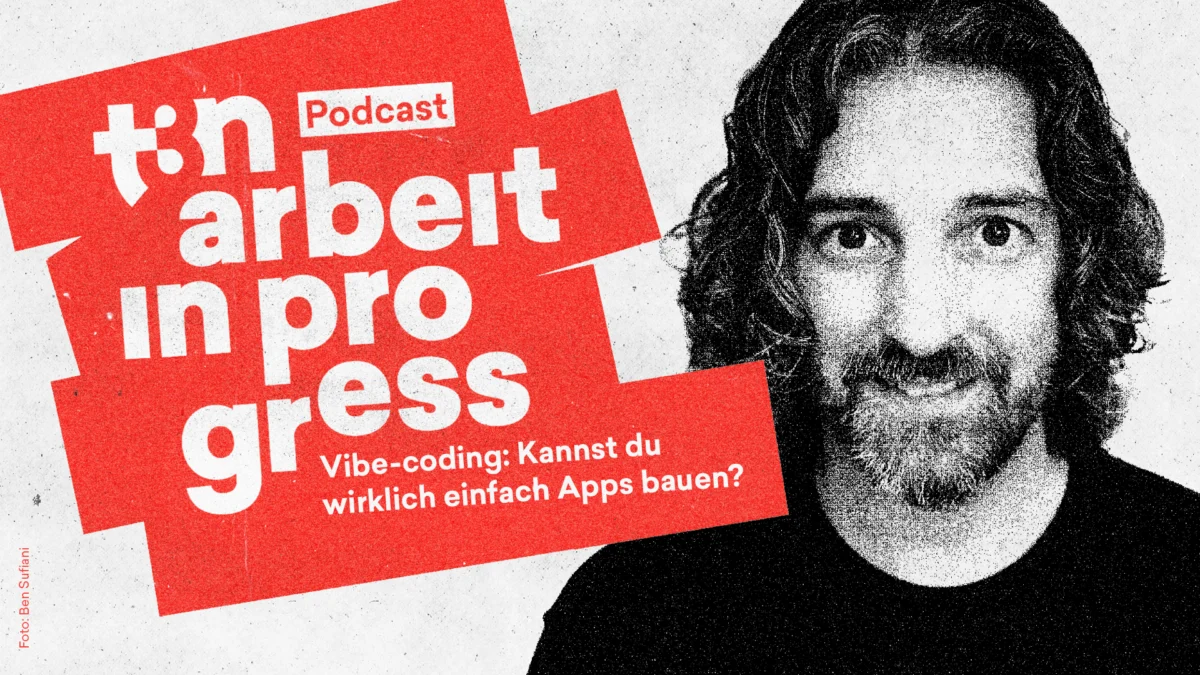
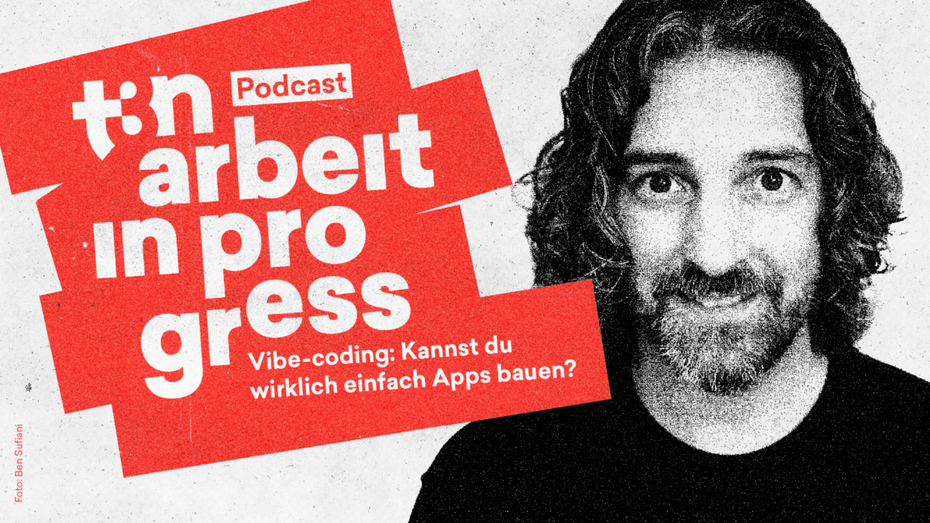
In the rapidly evolving landscape of software development, a new archetype is emerging: the "Vibe-Coder." Ben Sufiani, founder of the platform Pirate Skills, stands at the forefront of this movement. Despite lacking formal training in traditional coding languages like Python, C++, or Java, Sufiani is successfully architecting complex websites, mobile applications, and autonomous AI agents. His approach—which he calls "Vibe-Coding"—is democratizing the ability to build, but it also introduces a paradigm shift in how we perceive professional software engineering, security, and digital responsibility.
The Core Concept: What is Vibe-Coding?
At its simplest, Vibe-Coding is the practice of developing software exclusively through natural language prompts. It turns the developer’s intent—expressed through spoken or written dialogue—into executable code via Large Language Models (LLMs).
"I develop software solely with my natural language," explains Sufiani. "It was previously reserved for developers. It is a kind of Hogwarts moment: we Muggles, the non-programmers, are learning to cast spells in this way."
Complementing this is "Vibe-Design." In this process, the user describes the visual and functional requirements, and the UI/UX materializes in real-time. It functions much like working with a high-end design agency, but with the immediacy of an iterative, AI-powered conversation. The user acts as a curator, selecting from a buffet of design directions provided by the AI, rather than drafting pixel-perfect assets from scratch.
Chronology: From WordPress to the Software Factory
For years, the standard path for a non-technical entrepreneur was to rely on content management systems like WordPress. While accessible, these platforms often became "technical debt traps," requiring extensive plugins and constant maintenance.
Sufiani’s transition began with the realization that modern frameworks, specifically Next.js, offered a more robust foundation for AI-assisted development. By leveraging pre-built skills and templates from ecosystems like Vercel, he moved away from traditional web-building tools.
This evolution followed a logical progression:
- The Prototyping Phase: Using LLMs to generate simple, single-page web applications.
- The Integration Phase: Connecting these applications to backend services via AI agents.
- The Software Factory Phase: Creating a self-sustaining ecosystem where AI agents not only build the software but also monitor for bugs, analyze user feedback, and deploy patches autonomously.
Supporting Data: Managing Skills and Deficiencies
The traditional "T-shaped" skillset—having a broad base of general knowledge with one or two deep specialties—is being re-evaluated in the age of AI. For Sufiani, his core competencies remain in analytics and performance marketing. Where he lacks expertise in software engineering or UI/UX, he relies on what he calls "agentic scaffolding."
Leveraging the Ecosystem
Sufiani utilizes platforms like skills.sh to find pre-validated templates and agent-friendly code structures. This acts as a safety net, preventing the most common architectural errors. By using a stable, widely-documented tech stack—like the Vercel-Next.js combination—he ensures that his AI assistants are operating within a domain they "understand" deeply.
The "Curator" Mindset
The biggest challenge for the non-technical builder is not the code, but the taste. "With design, it is more difficult because it is a matter of taste," admits Sufiani. "I cannot protect myself from my own bad taste." Instead of attempting to be a master designer, the Vibe-Coder acts as an editor, iterating through AI-generated options until the aesthetic aligns with the product’s goals.
Official Perspectives: The Mechanics of "CaptainAI"
Sufiani’s primary project, CaptainAI, serves as a live test case for his methodology. He treats his software as a living entity.
"I use a stable tech stack that the AI knows well," he explains. "The hoster, Vercel, logs all user errors for me. My agent reads them regularly. If the case is clear, it fixes them directly. If there is doubt, it discusses them with me."
This creates an automated feedback loop. The software essentially "self-heals," with the human developer acting as a supervisor who intervenes only when the AI reports an anomaly or a complex logic issue. This transition from "writing code" to "managing a software factory" is the defining characteristic of the new era of development.
Implications: The Risks and Responsibilities
While the barrier to entry for building software has been lowered significantly, the implications for security and professional conduct are profound.
The Illusion of Simplicity
One of the most dangerous myths circulating in the developer community is the idea that an amateur can, with a single prompt, replicate enterprise-grade software. "Anyone who suggests out there, ‘You can steal the whole Adobe Suite with this Github framework in one sentence,’ is telling nonsense," warns Sufiani.
The Security Gap
Vibe-Coders are essentially "sitting ducks" if they ignore security protocols. Because they do not understand the underlying architecture of their applications, they may not realize when their software is vulnerable to SQL injection, cross-site scripting (XSS), or data breaches. Professional Vibe-Coding requires an understanding of six core pillars:
- Product Management: Defining clear goals for the AI.
- Tool Selection: Choosing stacks that are well-supported by current AI models.
- User Experience: Understanding how to guide the AI to create intuitive flows.
- Scalable Systems: Ensuring the architecture can handle growth.
- Security and Compliance: The most critical, yet often overlooked, aspect of AI-driven builds.
- Shipping: Managing the CI/CD pipelines to ensure consistent delivery.
The Advantage of "Naivety"
Interestingly, Sufiani argues that not being a trained programmer can sometimes be an asset. "In my observation, it is sometimes even advantageous not to understand everything," he notes. "Then you have no bias." By not being wedded to traditional methodologies, the Vibe-Coder can approach problems with a fresh perspective, using AI to bridge the gap between imagination and implementation.
Future Outlook: The Rise of Agentic Engineering
The industry is moving beyond "Vibe-Coding"—which is often associated with single-shot prompts—toward "Agentic Engineering." This involves building complex, multi-layered systems where various agents collaborate.
For the aspiring entrepreneur, the message is clear: the ability to code is no longer a prerequisite for building a software company. However, the requirement for technical literacy—the ability to assess risk, oversee compliance, and manage automated agents—has never been higher.
As we move forward, the "Vibe-Coder" will likely become a standard role in the tech ecosystem. These individuals will not replace software engineers, but they will drastically increase the velocity of product development. The key to success will lie in their ability to maintain "responsible stewardship" over the systems they build, ensuring that speed does not come at the cost of security or reliability.
For those interested in the full dialogue regarding these shifting paradigms, the t3n Arbeit in Progress podcast provides an in-depth exploration of the intersection between AI, entrepreneurship, and the future of work. As Ben Sufiani demonstrates, we are entering an era where the only limit to software creation is the clarity of our vision and our ability to communicate it to the machines that build our world.