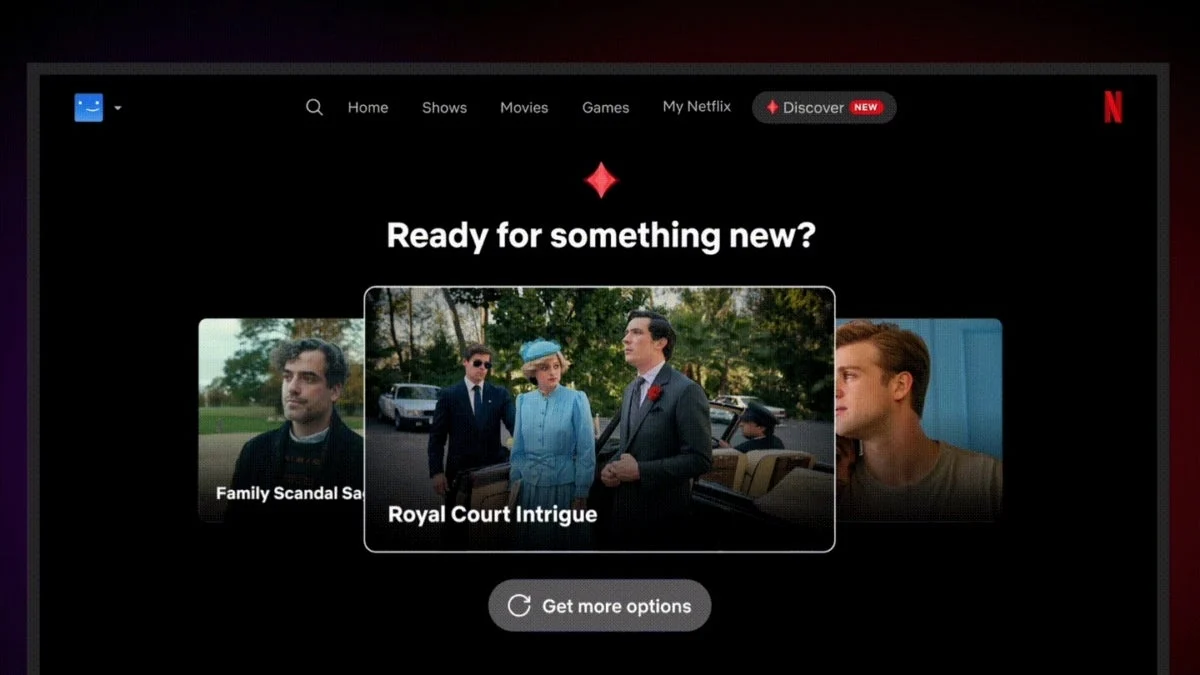
In the hyper-competitive landscape of global streaming, Netflix has long held the crown for the most sophisticated recommendation algorithm. However, as the platform faces a stagnation in user engagement and a slowdown in growth during the third quarter of 2026, the company is doubling down on its most powerful asset: artificial intelligence. Netflix has officially begun testing a new, highly anticipated feature dubbed "AI Discover," an experimental tool designed to transform how users navigate the platform’s vast library by tailoring suggestions to their current mood, situational needs, and evolving preferences.
This move comes at a critical juncture for the streaming pioneer. While revenue continues to climb, internal metrics reveal a concerning reality: the "Netflix and chill" era is facing a structural challenge as subscribers are logging in less frequently and spending fewer hours per session on the platform than they did in previous years.
The State of the Stream: Why Netflix Needs a Change
The current climate for Netflix is characterized by a "growth paradox." While the company reported an increase in revenue for Q3 2026, the velocity of that growth has hit a three-year low. More alarmingly, the Economic Times reports that the frequency of app opens and the total daily watch time per subscriber are on a downward trajectory.
Industry analysts suggest this trend is not merely a post-pandemic correction but a lingering ripple effect of the company’s aggressive crackdown on password sharing that began in 2022. While that strategy successfully converted "borrowers" into paying subscribers, it may have inadvertently weakened the long-term emotional "stickiness" of the platform. For many, Netflix evolved from a ubiquitous daily habit into a transactional utility—a service one pays for but visits only when a specific, high-profile show launches.
To combat this, Netflix is diversifying its content portfolio. The company is aggressively expanding into live sports broadcasting and premium podcasting, attempting to capture a larger share of the average consumer’s total media consumption time. The "AI Discover" feature represents the technical arm of this broader strategy: lowering the "friction to start" by helping users find something they love within seconds, rather than scrolling through endless rows of content.
Chronology: From Static Algorithms to Dynamic AI
To understand the significance of AI Discover, one must look at the evolution of Netflix’s recommendation technology:
- The Early Years (2000–2010): Recommendations were largely based on collaborative filtering—comparing your ratings to those of similar users.
- The Golden Age of Personalization (2010–2020): Netflix transitioned to machine learning models that accounted for viewing history, time of day, and device usage, leading to the "Percentage Match" system we know today.
- The Current Pivot (2025–2026): As library bloat made it harder for users to choose, Netflix shifted toward Large Language Model (LLM) integration.
- The Launch of AI Discover (Late 2026): Netflix introduces an interactive interface where users can specify moods (e.g., "Something light," "Family night," or "Short films"), marking the move from passive suggestions to active, conversational curation.
How "AI Discover" Works: A New User Experience
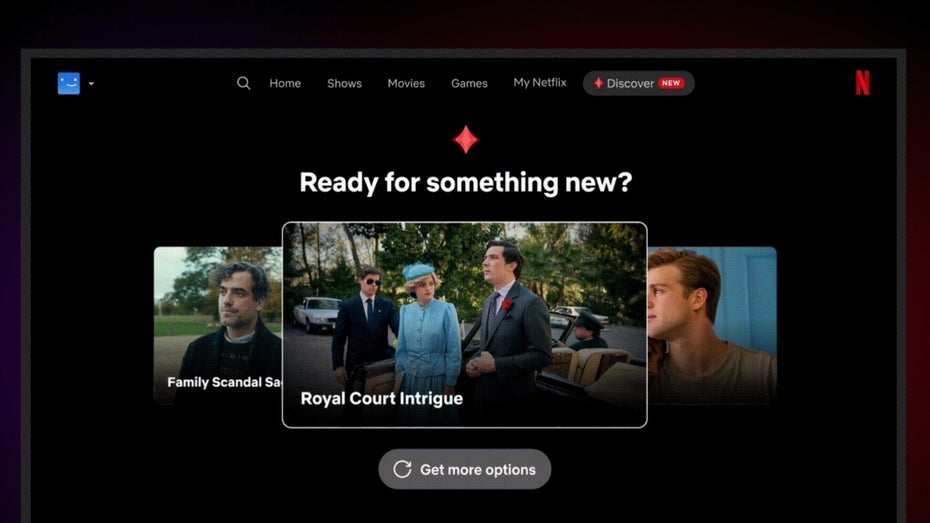
Currently available in a closed beta for select users on TV-based applications, AI Discover is visually distinguished by a red gemstone icon in the top navigation bar. When selected, the interface shifts from a static list of titles to an interactive prompt-based experience.
The system is designed to act as a digital concierge. If a user selects "Family night," the AI filters the library for age-appropriate, high-rated content. If the user finds the selection insufficient, they can click "Something else" to refine the results in real-time. Crucially, the system features an "Adjust Recommendations" button that allows users to explicitly provide feedback on why they did or did not like a specific suggestion, creating a feedback loop that trains the model on the user’s shifting tastes.
Supporting Data and Market Implications
The industry is watching Netflix’s experiment closely. Recent market data suggests that "choice paralysis"—the phenomenon where users spend more time browsing than watching—is the primary driver of churn in the subscription video-on-demand (SVOD) market.
According to behavioral psychologists specializing in digital interfaces, the cognitive load of selecting a movie is a significant barrier to entry for the casual viewer. By introducing a conversational layer, Netflix is attempting to bridge the gap between "I don’t know what I want" and "I am now watching." If the AI Discover pilot leads to a measurable increase in session duration, it is highly probable that Netflix will roll the feature out globally by 2027.

However, the risk remains: will users embrace an AI-curated feed, or will they miss the human-centric "Top 10" lists that have defined the Netflix aesthetic for years? There is also the matter of platform data privacy. As the AI learns more about the specific moods and situational context of its users, concerns regarding the depth of personal data collection will likely enter the regulatory conversation.
Official Stance and Future Outlook
Netflix has remained cautious in its public messaging, framing AI Discover strictly as an "experiment." In an official statement, the company noted that the technology is designed to "enhance the joy of discovery" and that it is one of several features currently in development aimed at increasing user engagement.
Company leadership has not yet commented on whether AI Discover will replace the traditional recommendation engine or serve as a supplementary tool. However, the internal pressure to "re-engage the subscriber" is palpable. Sources close to the company indicate that if the TV-app test proves successful, the functionality could be expanded to mobile and web browsers as early as the first half of 2027.
The Implications for the Streaming Industry
If Netflix successfully integrates conversational AI into its core experience, it could set a new industry standard. Competitors like Disney+, Amazon Prime Video, and Apple TV+ rely on recommendation engines that are largely static and category-based. A shift toward "Mood-Based AI" would force these rivals to accelerate their own R&D cycles or risk appearing outdated.
Furthermore, the success of this project could change the economics of content production. If Netflix’s AI becomes highly efficient at steering users toward specific niches (e.g., "short films" or "indie documentaries"), the platform may prioritize licensing or producing content that the AI identifies as having high "mood utility" rather than just broad-market appeal.
Conclusion: A High-Stakes Bet on Personalization
Netflix stands at a crossroads. The company is no longer the sole dominant player in a growing market; it is a mature entity fighting for every minute of its users’ attention in an era of extreme content saturation.
AI Discover is more than just a search tool; it is an attempt to reinvent the relationship between the subscriber and the service. By making the platform feel more like a human-curated experience, Netflix hopes to reignite the habit-forming nature of its service. Whether this technological infusion will be enough to reverse the engagement slump remains the most significant question in the streaming industry today. For now, the "red gemstone" represents a test—not just of a new feature, but of whether Netflix can remain the world’s primary destination for entertainment in an increasingly AI-driven future.