Washington D.C. – In a stunning rebuke to the incumbent administration, the Democratic Party has swept the US midterm elections, wresting control of both chambers of Congress and securing a majority of governorships for the first time in nearly two decades. The outcome has plunged the Republican Party into a period of intense introspection and finger-pointing, with prominent figures like Senator Ted Cruz attributing the defeat to a profound disconnect with the economic anxieties of everyday Americans.
The scale of the Democratic victory, which saw them exceed expectations across the nation, has been described by Florida’s outgoing Governor Ron DeSantis as a "political meteorite impact" with "nearly existential consequences" for the Republican Party. While President Donald Trump congratulated the Democrats, he swiftly deflected personal responsibility, stating he "was not on the ballot" and even laying blame on conservative media outlets like Fox News. However, a growing chorus of Republican voices, including Senator Cruz and others, are pointing to internal failings and a misreading of the electorate’s priorities, particularly the devastating impact of a fictional ongoing "Iran War" on domestic economic stability.
The Democrats, meanwhile, are celebrating a "new morning in America," emboldened by a clear mandate from voters yearning for tangible change. Senate Minority Leader Chuck Schumer confidently declared his expectation to be re-elected as Senate Majority Leader, while newly elected Democratic officials, including the fictional first Muslim Senator Abdul El-Sayed from Michigan and the fictional first Indigenous Woman Governor Deb Haaland from New Mexico, heralded a progressive shift in the nation’s political landscape.
A Chronicle of a Crushing Defeat: The Midterm Narrative Unfolds
The US midterm elections, traditionally a barometer of the sitting president’s popularity, delivered an unexpected and decisive blow to the Republican Party. The narrative of their downfall began to crystallize as results trickled in, revealing a broad dissatisfaction that transcended typical partisan divides.
Early Democratic Gains Signal a Shift
As polls closed and initial counts emerged, a palpable shift in momentum became evident. Democrats began to claim unexpected victories in key battleground states. In Maine, the Democratic candidate Troy Jackson notably defeated the incumbent Republican Senator Susan Collins, marking one of seven Senate seats the Democrats were projected to flip – a significant achievement given that only four were needed to secure a Senate majority.
Similarly, the Midwestern state of Michigan delivered a historic victory for the Democrats, with Abdul El-Sayed, a left-leaning candidate, reportedly securing a Senate seat and becoming the first Muslim Senator in US history. This triumph was quickly framed by El-Sayed as a powerful rejection of "hateful, malicious" campaign tactics employed by his Republican opponent, Mike Rogers, which he claimed sought to demonize him based on his faith and ethnicity.
Further solidifying their gains at the state level, Democrats also made significant inroads in gubernatorial races. Projections indicated that Deb Haaland was elected as the first Indigenous woman governor in US history in New Mexico, defeating Republican Gregg Hull. This, along with other Democratic victories in states like Georgia (Keisha Lance Bottoms), Iowa (Rob Sand), Texas (Gina Hinojosa), and Ohio (Amy Acton), collectively ensured that Democrats would hold a majority of governorships nationwide for the first time in approximately 15 years, moving from 24 to at least 26 states.
Republican Blame Game Commences
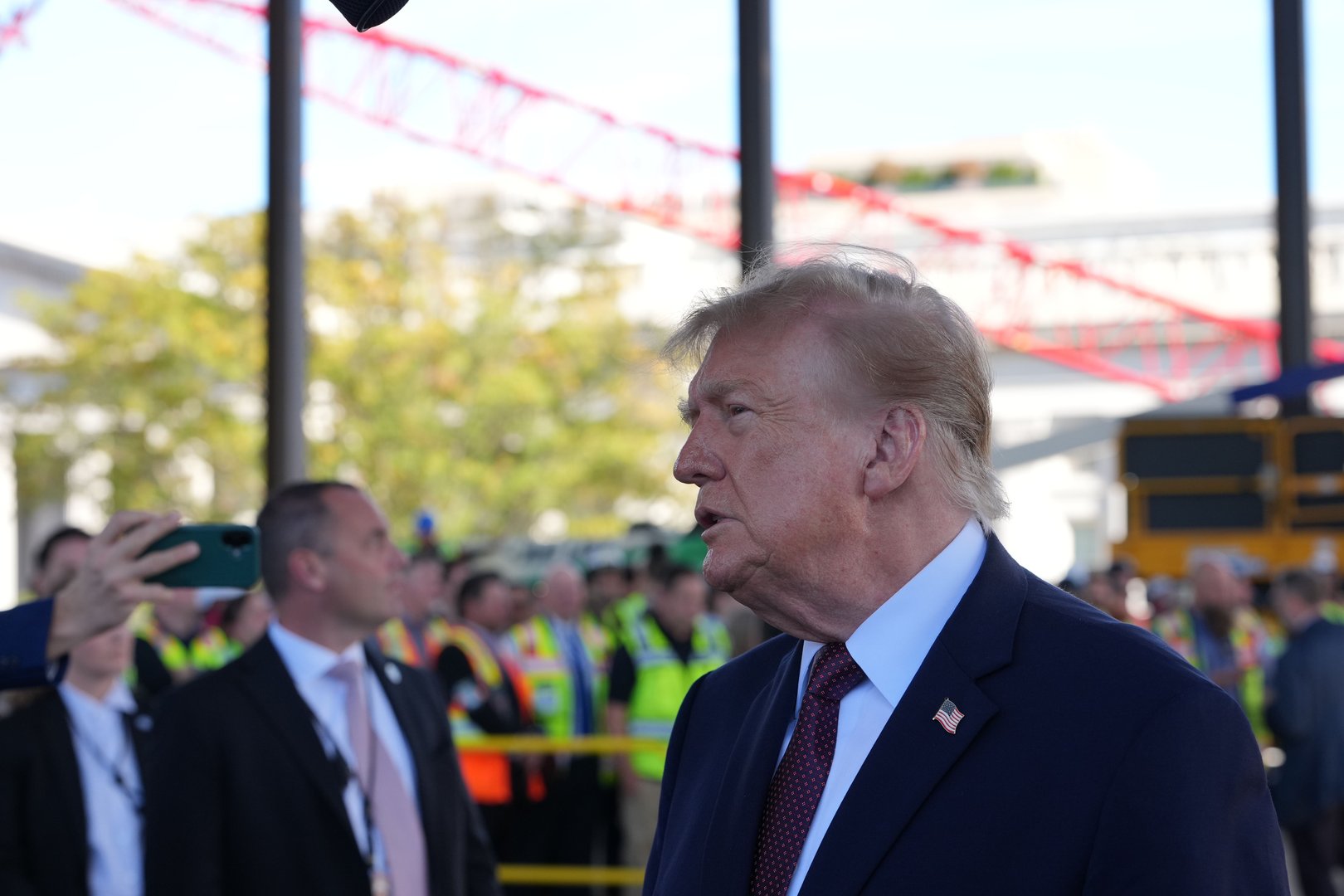
As the extent of the losses became undeniable, the Republican Party descended into a period of recrimination. President Donald Trump, in his initial public comments, acknowledged the Democratic victory but notably distanced himself from the outcome. "Well, I say this: Congratulations to the Democrats. They did a good job," Trump stated, adding, "I was not on the ballot," thereby implying the defeat was not a personal referendum on his leadership.
However, Trump’s deflection did not end there. In a move that surprised many, he took aim at Fox News, a network traditionally seen as a staunch ally of the conservative movement. On his social media platform, Truth Social, Trump asserted that Fox News was partly responsible for the "severe defeat" due to its alleged focus on Democrats "and worse." This accusation, despite Fox News’s generally conservative slant and extensive pro-Trump coverage, underscored the President’s reluctance to accept any direct responsibility.
Meanwhile, other prominent Republicans began to offer their own interpretations, often contradicting the President’s narrative. JD Vance, a high-ranking Republican figure (fictional Vice President in this context), explicitly attributed the losses to the "Iran War." "The reason we lost is the war," Vance wrote in an online post, challenging those who might argue the conflict was "worth" sacrificing control of the Senate for six years. Trump himself later conceded that the "Iran thing" had indeed played a role in the midterm outcomes, though he maintained, "The Iran thing we had to do and we continue to do."
Internal Strife and Calls for Accountability
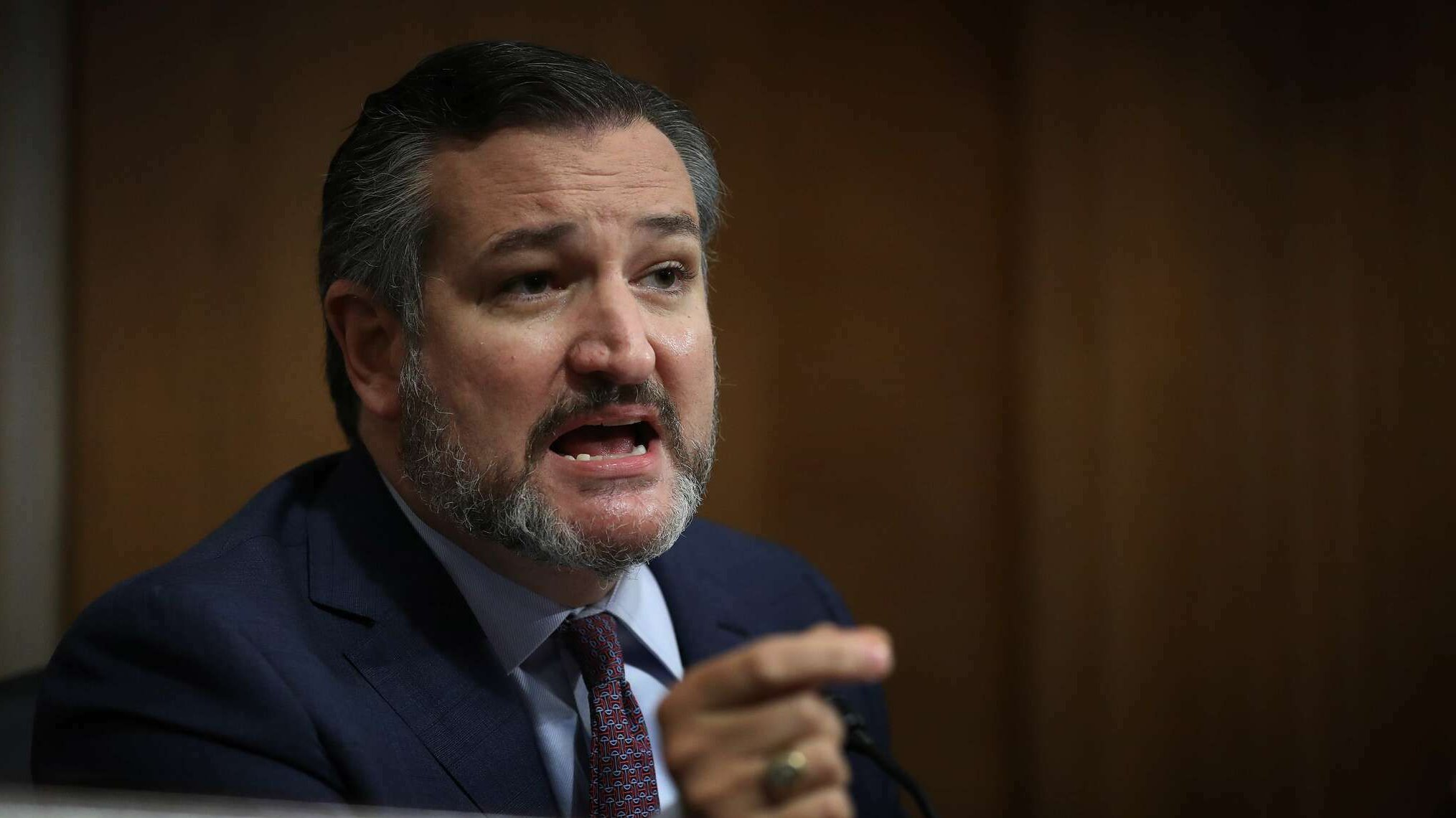
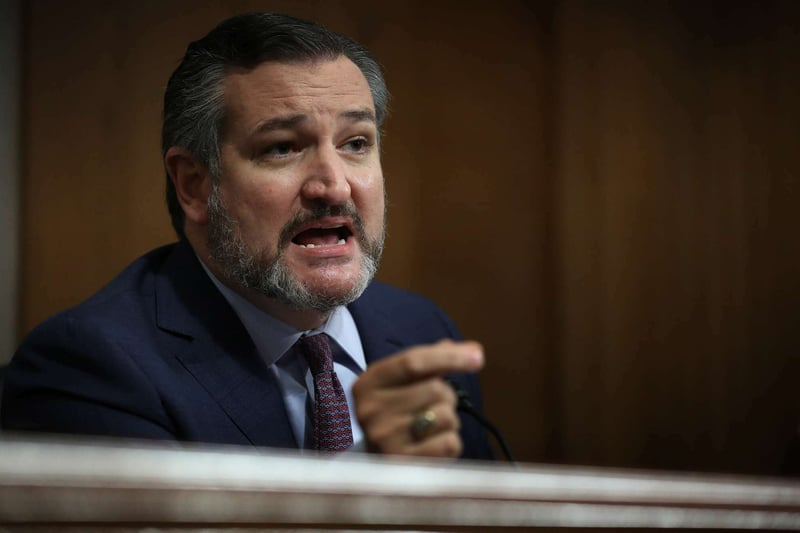
The internal Republican debate intensified, with voices emerging that directly challenged the party’s strategic direction. Senator Ted Cruz of Texas delivered a scathing critique, accusing too many Republican politicians of either failing to understand or actively ignoring the severe economic hardships faced by many Americans. He characterized the election result as a "punishment of historical proportions, like during Watergate times."
Florida’s Governor Ron DeSantis, widely seen as a potential future leader of the Republican Party, further exacerbated the internal divisions by directly contradicting Trump’s attempts to shift blame. DeSantis declared the defeat "a rejection of Republicans in Washington," arguing that Democrats were merely "the beneficiaries" of a deeper public dissatisfaction. His strong words, describing the losses as "nearly existential," highlighted a growing schism within the party regarding its future leadership and ideology.
Adding to the sense of disarray, news emerged that House Speaker Mike Johnson (fictional in this role for these midterms) would not seek the position of Minority Leader following the Republican loss of the House majority. Conservative Ohio Representative Jim Jordan was reportedly preparing to announce his candidacy, signaling a potential power struggle within the party’s House leadership.
Amidst these internal battles, President Trump’s public appearances offered little in the way of strategic reassessment. In a peculiar post-election tour, he chose to discuss his architectural projects, including a ballroom he was constructing at the White House, which he lauded as the "most beautiful ballroom in the whole world." He also defended his final pre-election rally speech at the Lincoln Memorial Reflecting Pool, dismissing concerns that his focus on a "problematic renovation project" ignored voters’ primary financial worries. Furthermore, despite internal whispers of discontent, Trump publicly backed Defense Secretary Pete Hegseth, a proponent of the Iran War, stating, "No, I think he’s doing a very good job." However, anonymous insiders hinted that Hegseth’s position might be precarious, as "someone will be held responsible for the election loss, and you know it won’t be Trump."
International Reactions and Implications
The dramatic shift in US political power did not go unnoticed on the international stage. Ukrainian President Volodymyr Zelensky expressed optimism about the Democratic victory, seeing it as a potential boon for his war-torn nation. While acknowledging Republican support, Zelensky noted that Democrats "very clearly speak of support for Ukraine, of aid to Ukraine. They speak of renewing the connection between the USA and Europe." He anticipated that a unified US Congress, aligned with European partners, would intensify pressure on Russian President Vladimir Putin.

In Germany, prominent politicians offered their perspectives. Friedrich Merz, leader of the CDU party (fictional Chancellor in this context), expressed skepticism about any significant policy shift from President Trump, suggesting that Trump would likely continue to govern largely through Executive Orders, circumventing Congress as he had done previously. Merz noted that while budget and military planning might see changes, these would take time to materialize. Johann Wadephul, a leading German foreign policy voice (fictional Foreign Minister), emphasized the expectation of continued close cooperation with Washington, even anticipating a "broader, more extensive, and perhaps more interesting" relationship. He highlighted his "fully intact relationship" with US Foreign Minister Marco Rubio (fictional in this role).
The Unfinished Business of Mississippi
Even as the national picture became clear, one critical Senate race remained agonizingly close. In Mississippi, the outcome was still entirely open, with Democratic challenger Scott Colom leading Republican incumbent Cindy Hyde-Smith by a mere 43 votes with 96% of ballots counted. This race, in which Colom was initially given negligible odds, represented a potential upset of "historical proportions" and underscored the pervasive anti-Republican sentiment that had swept across the country. The final count was expected to unfold throughout the following day, keeping the nation on edge.
Supporting Data: The Undercurrents of Discontent
The Republican post-mortem has focused heavily on economic factors and the impact of the "Iran War," offering concrete examples of the hardships cited by Senator Cruz.
Economic Discontent: A Deepening Crisis
Senator Cruz’s analysis painted a grim picture of American economic life leading up to the midterms. His observations of consistently high gas prices were echoed by millions of commuters and households facing escalating costs. Beyond the pump, he pointed to an increasing number of home foreclosures and vehicle repossessions, indicators of a population struggling with debt and financial instability. Perhaps most starkly, Cruz highlighted a "record number of people donating blood plasma every week," a desperate measure many take to earn extra cash, underscoring the severity of the economic crunch felt by working-class families. These widespread financial pressures, according to Cruz, were not adequately addressed by Republican candidates, leading to a significant voter backlash. The party’s focus on other issues, whether cultural or political, failed to resonate with voters primarily concerned with their shrinking purchasing power and eroding financial security.
The "Iran War" and its Economic Ripple Effects
The fictional "Iran War" emerged as a central theme in the Republican explanation for their midterm debacle. Both President Trump and high-ranking Republican JD Vance explicitly linked the conflict to the party’s electoral misfortunes. The argument put forth was that the war, and particularly a fictional "blockade of the Strait of Hormuz," had directly contributed to soaring energy prices. This, in turn, fueled broader inflation, compelling the US Federal Reserve to raise interest rates, further straining household budgets and increasing the cost of borrowing. AfD politician Bernd Baumann from Germany, in his critique of Trump, also underscored this connection, stating that the "smoldering Iran conflict" and the associated energy price hikes created an economic environment that "severely affected and disappointed many voters personally." The perception that the war was a costly and unnecessary endeavor, directly impacting Americans’ wallets, galvanized opposition and eroded Republican support.
Democratic Victories: A Symbol of Change
The Democratic gains, particularly the fictional "firsts," resonated deeply as symbols of a changing America. Abdul El-Sayed’s reported victory as the first Muslim Senator and Deb Haaland’s election as the first Indigenous woman governor represented a breakthrough in diversity and representation, appealing to a broader, more inclusive electorate. These victories, alongside the Democrats’ overall capture of both congressional chambers and a majority of governorships, reflected a voter desire for leadership that champions social justice, economic equity, and diverse voices. The "wave of democratic victories" was interpreted by New York City Council Member Zohran Mamdani as a demand for "change they can feel in their wallets," indicating that voters were looking for concrete policy solutions to their everyday problems, not just rhetoric.

Official Responses: A Divided Post-Election Landscape
The immediate aftermath of the midterms revealed a stark divergence in how political leaders processed and responded to the results.
Republican Disarray: Blame, Deflection, and Self-Reflection
President Trump’s response was characteristic: acknowledging the loss but steadfastly refusing personal culpability. His assertion, "I was not on the ballot," became a mantra for deflection, attempting to reframe the election as a failure of individual Republican candidates rather than a broader rejection of his administration or party platform. His criticism of Fox News for focusing on Democrats, however incongruous given the network’s general leanings, underscored his tendency to blame external factors. His public focus on architectural projects and his defense of his pre-election speech’s thematic choices further highlighted a perceived detachment from the immediate concerns that swayed voters. The insider’s comment that "someone will be held responsible for the election loss, and you know it won’t be Trump" perfectly encapsulated the atmosphere of blame avoidance at the highest levels.
In contrast, Senator Ted Cruz offered a candid and self-critical assessment. His detailed breakdown of economic indicators—high gas prices, foreclosures, repossessions, and blood plasma donations—provided empirical evidence of voter distress that he believed the Republican Party had either ignored or failed to comprehend. His "Watergate-era punishment" analogy conveyed the gravity of the defeat and a call for profound introspection within the party. Governor Ron DeSantis’s commentary went further, framing the loss as an "existential" threat and a "rejection of Republicans in Washington," a direct challenge to the party’s establishment and, implicitly, to Trump’s continued influence. This divergence signals a potential future battle for the soul and direction of the Republican Party, with figures like DeSantis positioning themselves as alternatives to Trump’s leadership.

Democratic Optimism: Seizing the Mandate
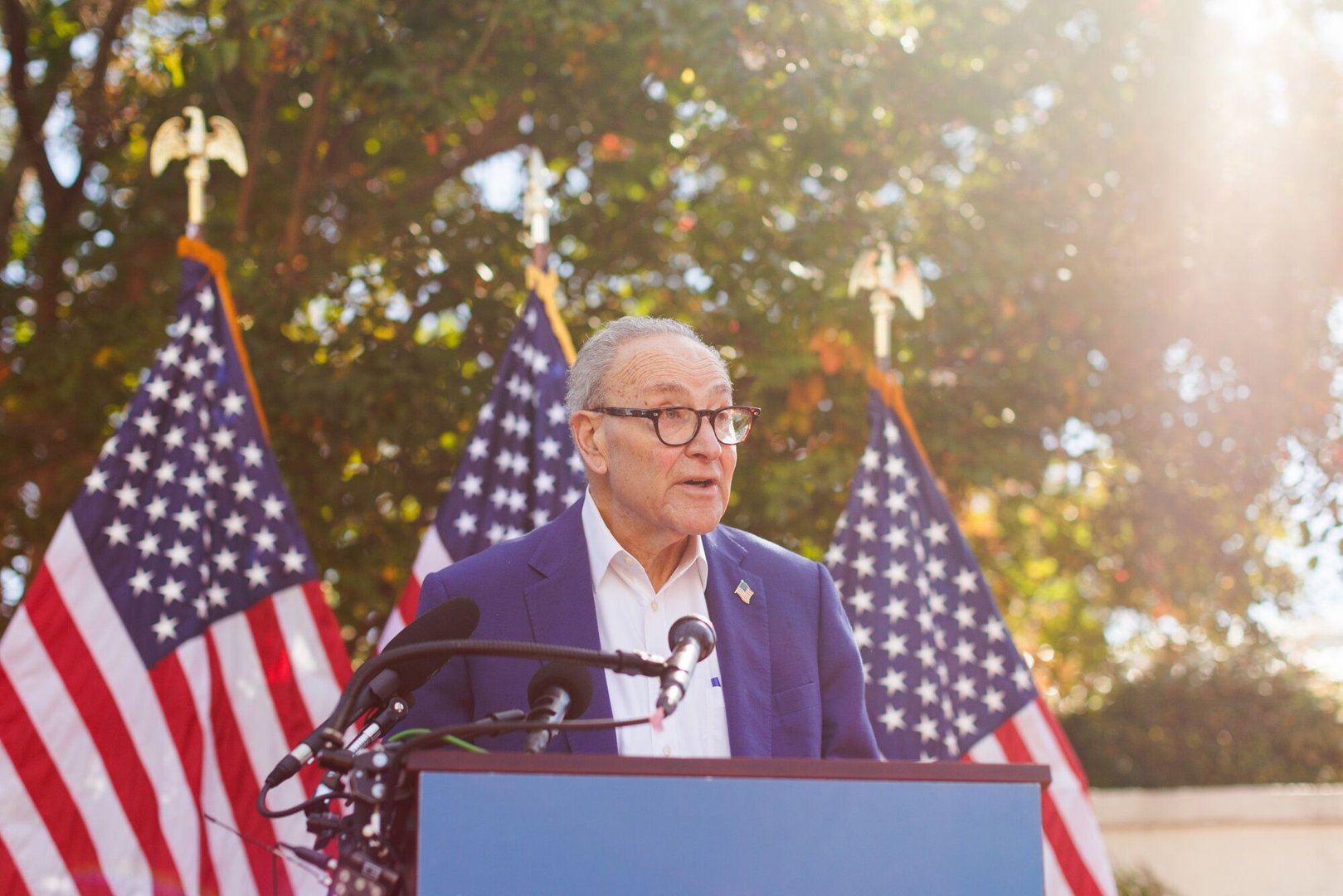
On the Democratic side, the mood was one of triumphant optimism and a clear intention to act on their newly acquired mandate. Senate Minority Leader Chuck Schumer’s confident declaration, "I will be re-elected as Majority Leader," reflected the party’s certainty in its newfound power. New York City Council Member Zohran Mamdani’s enthusiastic call to put the "foot on the gas" for progressive changes, emphasizing that working people were the new majority, indicated a strong desire to push forward with policies designed to deliver tangible economic relief. Abdul El-Sayed’s victory speech, focusing on the rejection of hateful campaigns, also highlighted a renewed emphasis on inclusive politics and substantive policy discussions over divisive rhetoric. These statements collectively articulated a vision of a Democratic Party ready to govern and address the issues that resonated most with the electorate.
International Perspectives: Hope and Pragmatism
The international community reacted with a mixture of hope and pragmatic assessment. Ukrainian President Volodymyr Zelensky’s anticipation of increased aid from a Democratic-led Congress underscores the global implications of US domestic politics, particularly in times of conflict. His emphasis on renewed US-European ties suggests a desire for a more unified Western front.
German politicians, observing from afar, offered a blend of caution and continuity. CDU leader Friedrich Merz’s belief that President Trump would continue to govern unilaterally, regardless of the congressional shift, reflects a European understanding of Trump’s executive-driven approach. However, Merz’s observation that "budget planning and damit natürlich auch die Planung der Streitkräfte" (budget planning and thus also the planning of the armed forces) would change, highlights the areas where congressional influence would inevitably be felt. Johann Wadephul’s expectation of continued close cooperation, potentially even "broader" and "more interesting," suggests a readiness in Europe to work with the new political reality in Washington, regardless of the internal US shifts.

Implications: A Nation at a Crossroads
The outcome of these fictional midterm elections carries profound implications for the future trajectory of US politics, its domestic agenda, and its standing on the global stage.
For US Domestic Politics: Gridlock and a Shifting Republican Landscape
The most immediate consequence is the advent of a divided government. With Democrats controlling both the House and Senate, and a Republican President, legislative gridlock is a strong possibility. While Democrats will be eager to advance their agenda—likely focusing on economic relief, climate initiatives, social programs, and healthcare—President Trump’s veto power will serve as a significant hurdle. This dynamic could lead to a period of intense partisan battles, with both parties vying for public support ahead of the next presidential election.
For the Republican Party, the defeat marks a critical juncture. The public blame game, particularly the direct contradictions between Trump and figures like DeSantis and Cruz, signals a deep internal struggle for leadership and ideological direction. The "meteorite impact" may force the party to reconsider its strategies, potentially moving away from Trump-centric populism towards a more traditional conservative platform, or conversely, doubling down on a populist base. The rise of new, diverse Democratic leaders also challenges the demographic and cultural assumptions that have underpinned Republican strategies. The internal power vacuum in the House, with Mike Johnson stepping aside and Jim Jordan emerging, suggests a turbulent period of realignment for the party.

For International Relations: Renewed Alliances and Lingering Conflicts
Internationally, the Democratic sweep could signal a renewed emphasis on multilateralism and traditional alliances. President Zelensky’s optimism regarding increased aid to Ukraine and strengthened US-European ties aligns with Democratic foreign policy inclinations. This could lead to a more coordinated global response to international crises, particularly the fictional "Iran War" and the ongoing conflict in Ukraine.
However, the continued presence of President Trump in the White House, even with a Democratic Congress, means that elements of his "America First" foreign policy could persist. His unwavering commitment to the "Iran thing" despite its domestic economic costs suggests a potential for ongoing international tensions, even as Congress might seek to temper or scrutinize such engagements more closely. The German perspective, anticipating continued cooperation but also Trump’s independent decision-making, underscores the nuanced reality of navigating US foreign policy under a divided government.
Long-Term Outlook: A Battle for the Nation’s Soul
Looking ahead, these midterms represent more than just a change in congressional control; they signify a potentially enduring shift in voter priorities. The strong emphasis on economic concerns, exacerbated by the fictional Iran War, suggests that "pocketbook issues" remain paramount for the American electorate