Introduction: From Public Spectacle to Scientific Specimen
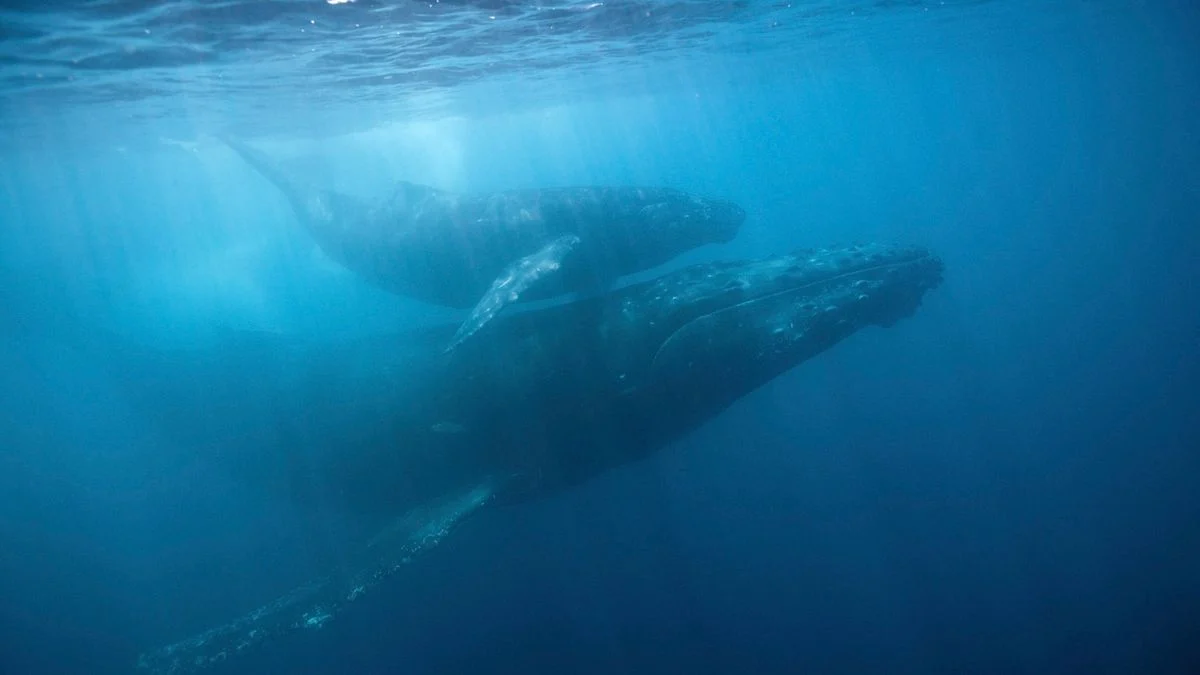
The tragic saga of the humpback whale known to the public as "Timmy" or "Hope" has reached a somber, final chapter. After becoming a focal point of intense international debate regarding animal welfare and human intervention, the creature’s remains have been systematically recovered. While the majority of the whale’s mass was repurposed for industrial use, a selection of its skeletal remains has been secured by the Natural History Museum of Denmark.
This recovery effort is not merely a matter of preservation; it is a catalyst for a deeper reflection on humanity’s complicated relationship with the natural world. As museums across Denmark, Germany, and the Netherlands vie for the opportunity to display these bones, the whale has transitioned from a living symbol of a failed rescue attempt to a permanent scientific and ethical artifact.
Chronology: A Fatal Odyssey
The story of this humpback whale is one of confusion, misguided intent, and eventual ecological tragedy.
- Initial Strandings: The whale first captured public attention when it appeared in poor health off the German coast. Its repeated strandings were signs of a creature in severe decline, struggling to navigate shallow, unfamiliar waters.
- The Controversial Intervention: Ignoring the consensus of marine biologists and scientific experts—who advised that the whale was beyond saving and that intervention would only prolong its suffering—a private initiative took matters into their own hands. Utilizing a cargo ship, the group transported the animal to the North Sea in a desperate attempt to "rescue" it.
- The Final Act: The move proved fatal. Within a short period, the whale succumbed to its weakened state. Its carcass drifted until it finally washed ashore on the Danish island of Anholt, marking the end of a high-profile, deeply criticized operation.
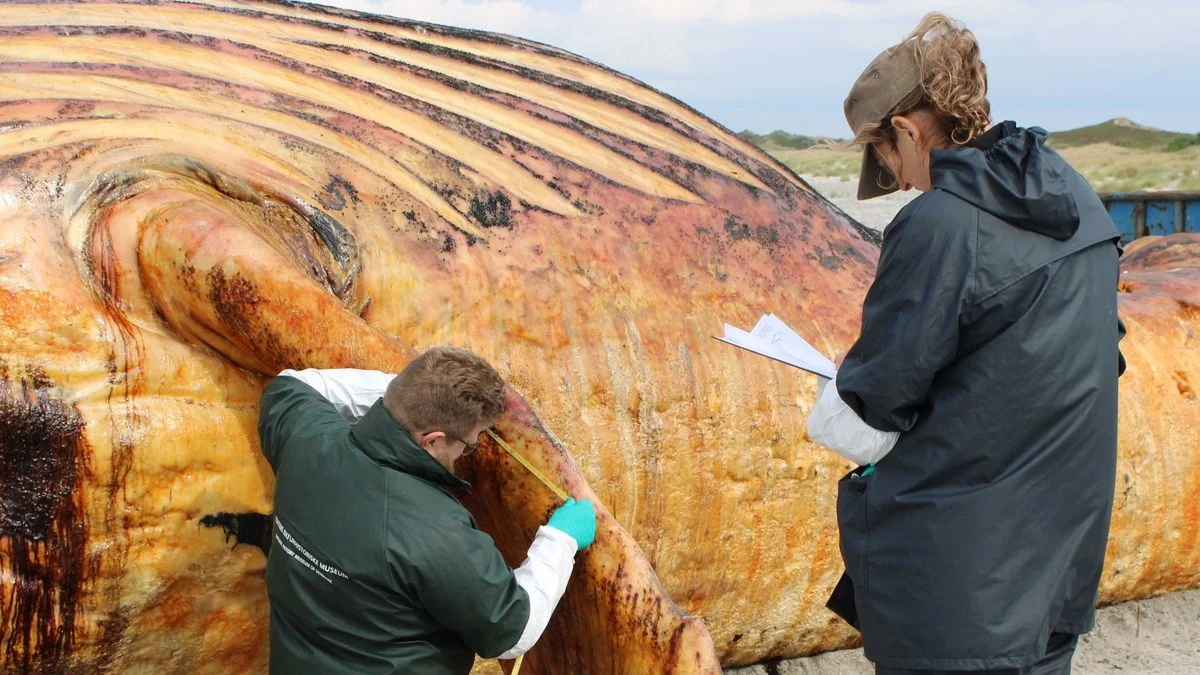
- Recovery and Processing: Following its stranding on Anholt, the carcass became the subject of extensive scientific investigation. A team of veterinarians and biologists performed a necropsy, revealing, among other things, that the animal was a female. Due to the massive size of the whale, preserving the entire skeleton was deemed logistically and financially unfeasible, leading to the decision to recover only key portions of the anatomy.
Scientific Significance: Bones as Biological Archives
While the spectacle of the whale’s rescue dominated headlines, the long-term value of the animal lies in its biological remains. Daniel Klingberg Johansson, who oversees the collection at the Natural History Museum of Copenhagen, confirmed that the museum has secured vital components: a fin, pelvic bones, and several vertebrae.
The Value of Auditory Bones
Perhaps the most significant acquisition for the scientific community is the set of three ear bones. These dense, ivory-like structures are biological treasure troves. According to Johansson, the material is so resilient that researchers will be able to extract DNA from these bones even 200 years into the future.
This longevity transforms the whale into a "time capsule." As climate change and environmental degradation continue to alter marine ecosystems, having a stable, preserved DNA record of this specific individual provides a baseline for future researchers to study the health, diet, and migratory patterns of humpback populations in the 21st century.
The Reality of Logistics
The decision to abandon the majority of the skeleton highlights the often-unseen reality of museum curation. Preserving a whale skeleton is a Herculean task involving chemical processing, degreasing, and massive infrastructure to display the weight of the bones. Because the whale was so large, only the most scientifically significant fragments were prioritized, while the remainder of the organic matter was sent to a specialized facility to be processed into products such as biodiesel—a utilitarian end for a creature that once commanded the ocean.
Ethical Implications: How Do We View the Natural World?
The widespread interest from museums across Northern Europe suggests that this whale has become a cultural object as much as a scientific one. Museums are not just interested in the bones for their educational value; they are interested in the story of the whale.
The Ethics of Intervention
The rescue attempt remains a lightning rod for criticism. By ignoring scientific counsel, the private initiative involved inadvertently transformed the animal into a victim of human ego. The planned exhibitions aim to pose difficult, probing questions:
- "How do we view animals?"
- "What is our responsibility when nature takes its course?"
- "At what point does ‘saving’ an animal become a form of human-centric cruelty?"
Museum curators recognize that the narrative of "Hope" is essential to teaching modern audiences about the limits of human intervention. It serves as a cautionary tale against the "Disneyfication" of nature, where the desire to force a happy ending often ignores the reality of biological survival.
Supporting Data and Institutional Perspectives
The prevalence of whale strandings in Denmark is not an anomaly. The country’s coastline, with its complex geography and shallow waters, acts as a frequent trap for marine mammals. Currently, a smaller humpback whale skeleton is already on display in a Danish museum, providing a reference point for the new additions.
However, the scientific community emphasizes that every individual animal provides unique data. Even though humpback whales are not unknown to science, the specifics of this animal’s health history, coupled with the detailed necropsy conducted after its death, provide a comprehensive dataset. The veterinary team that examined the carcass has already contributed to a growing body of knowledge regarding the stressors—such as pollution, ship strikes, and climate-induced prey migration—that affect humpback whales today.
Future Outlook: A Permanent Exhibit
While the Natural History Museum of Copenhagen currently holds the recovered bones, they have indicated they will not be exhibiting them immediately. Instead, the museum is in dialogue with partners in Germany and the Netherlands.
This international collaboration is fitting. The whale’s life spanned these regions, and its death became a shared regional concern. By moving the remains through a network of museums, curators hope to keep the conversation alive. The goal is to move beyond the sensationalism of the initial "rescue" and toward a mature, scientific, and ethical engagement with marine life.
Conclusion
"Timmy" or "Hope" is no longer a creature of the sea, but an object of the archive. Its bones, once tasked with propelling a massive mammal through the cold currents of the North Sea, now sit in climate-controlled storage, waiting to educate future generations. The story of this whale serves as a permanent, physical reminder of the thin line between compassion and catastrophe. As it transitions into its afterlife in museum collections, the focus shifts from the failed mission to the enduring questions it leaves behind: questions about our humility, our scientific literacy, and our place in a world that we frequently, and often unsuccessfully, try to control.
The legacy of the whale is now firmly set in bone, providing a silent, enduring testament to the risks of ignoring the wisdom of the natural order.