


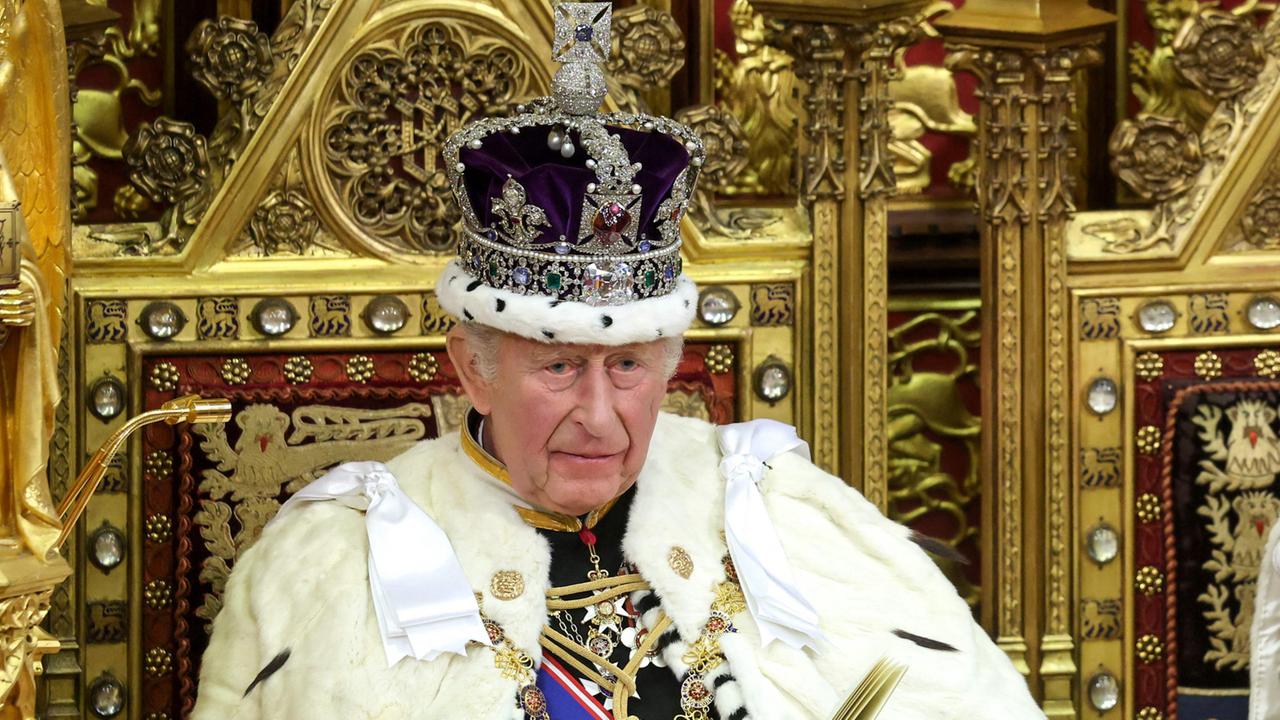
London, UK – May 13, 2026 – In a display of age-old tradition and regal pomp, King Charles III delivered the government’s legislative agenda in the British Parliament today. The King, resplendent in ceremonial attire, read the King’s Speech from the throne, outlining a raft of proposed bills set to guide the nation in the coming parliamentary year. However, beneath the surface of this significant constitutional event, a palpable sense of political instability looms large, casting a shadow over the Labour government’s ability to enact its ambitious program.
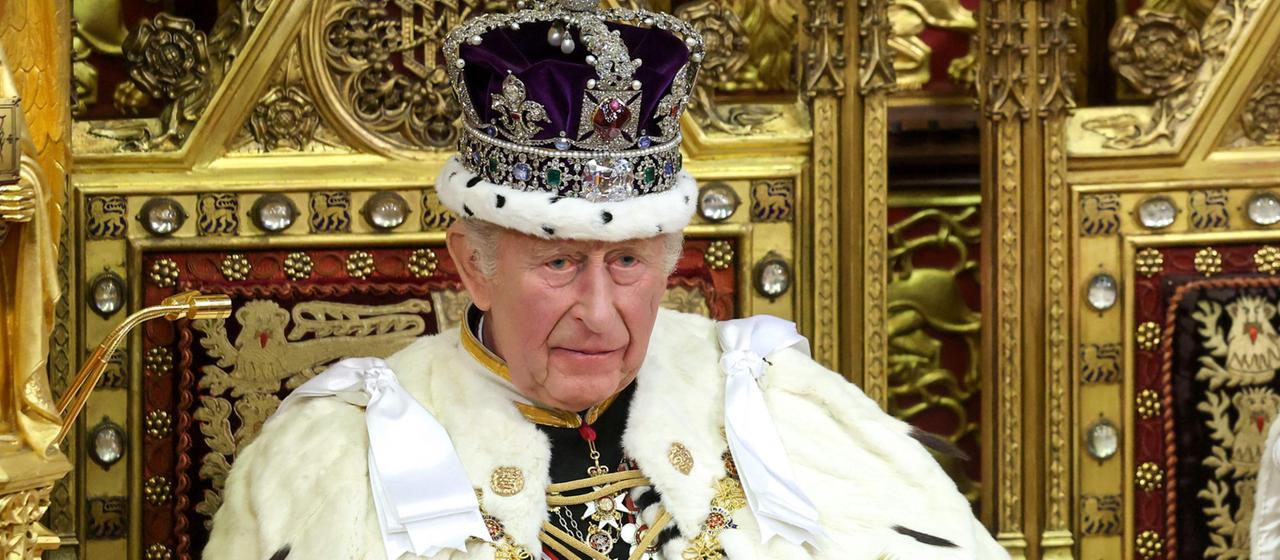
The elaborate ceremony, a cornerstone of British parliamentary democracy, saw King Charles arrive at the Palace of Westminster in the historic Irish State Coach, accompanied by the traditional fanfare. He donned the Imperial State Crown, a dazzling piece adorned with 2,868 diamonds, before taking his seat on the Golden Throne to deliver the speech drafted by his ministers. While the spectacle underscored the enduring traditions of the United Kingdom, the substance of the speech, and the precarious position of Prime Minister Keir Starmer, dominated political discourse.
The King’s Speech: A Detailed Legislative Blueprint
The King’s Speech, meticulously prepared by the Labour government, laid out an extensive list of 35 proposed legislative measures. These proposals span a wide array of policy areas, reflecting the government’s stated commitment to significant societal and economic reforms. Key among the announced initiatives were:
- Nationalization of British Steel: A flagship policy aiming to bring the struggling steel manufacturer fully under state ownership. This move signals a significant intervention in a key industrial sector, with proponents arguing it will secure jobs and strategic national assets.
- Lowering the Voting Age to 16: This proposal aims to enfranchise younger citizens, aligning the UK with several European nations and reflecting a belief in the political engagement of younger generations.
- Rental Market Reforms: A package of measures designed to improve tenant rights and provide greater security in the private rental sector, addressing concerns about affordability and stability for renters.
- Re-engagement with the European Union: While not a direct legislative proposal in itself, the speech signaled an intent to pursue closer ties and improved relations with the European Union, building on Prime Minister Starmer’s earlier overtures towards greater alignment.
The breadth of these proposals indicates a government determined to leave its mark on the country, even in the face of considerable internal and external pressures. The inclusion of policies like the nationalization of British Steel and significant reforms to the rental market suggests a government leaning towards more interventionist economic policies, a departure from some of the more centrist approaches previously associated with the Labour party.
Mounting Political Pressure and the Specter of a Leadership Challenge
Despite the formal delivery of the government’s agenda, the political atmosphere surrounding Prime Minister Keir Starmer is increasingly fraught. The recent local and regional election results, which saw Labour suffer significant setbacks, have intensified scrutiny of his leadership. The perception among many voters is that the government has failed to deliver on the transformative change promised during the 2024 general election campaign.
Adding to the internal pressure, Health Secretary Wes Streeting has emerged as a prominent figure within the party, widely seen as a potential successor to Starmer. Reports suggest that Streeting has been actively gauging support for a leadership challenge, a move that, if successful, would trigger a significant shift in the direction of the Labour party and its approach to governance. The timing of these internal machinations, coinciding with the King’s Speech, has led to speculation about the government’s stability and its capacity to implement its legislative agenda.
Sources close to Streeting have indicated that he anticipates a "Leadership Contest," a process that, in the UK’s parliamentary system, would see the party leader replaced, potentially leading to a change in Prime Minister. This internal dissent, broadcast through whispers and intermediaries to the press, has created a narrative of division and uncertainty, even as the monarch formally presented the government’s plans. The juxtaposition of the grand ceremonial occasion with the behind-the-scenes political maneuvering has been stark, leading some observers to question the very feasibility of the government’s stated objectives.
A Question of Authority: "In Office, Not In Power"
The precariousness of Prime Minister Starmer’s position was further highlighted by comments from Conservative Party leader Kemi Badenoch. During the parliamentary debate following the King’s Speech, Badenoch sharply criticized the Labour government’s program, suggesting that its relevance could be quickly overshadowed. Her assertion that Keir Starmer is "in office, but not in power" encapsulates the central challenge facing the Prime Minister: a perceived lack of authority and influence, even while holding the highest office.
This sentiment is echoed by many who had placed high hopes on Starmer’s leadership. His tenure, while marked by significant policy pronouncements, has, according to critics, failed to resonate with a broad swathe of the electorate, leading to the disappointing electoral performance. The comparison drawn by some to former Prime Minister Tony Blair, lauded for his charisma and ability to tackle seemingly intractable problems, underscores the perceived deficit in Starmer’s public appeal and his capacity to inspire confidence. The "change" promised at the ballot box appears, for many, to have been insufficient or undelivered.
The Shadow of Tradition and the Urgency of Reform
The King’s Speech, with its deep historical roots, serves as a potent symbol of continuity and the enduring nature of British institutions. The meticulously observed rituals, from the royal procession to the reading of the speech itself, underscore the importance of tradition in the nation’s political life. Yet, this very tradition can sometimes stand in stark contrast to the urgent need for modern solutions to contemporary challenges.
The legislative agenda presented today is ambitious, aiming to address issues ranging from industrial strategy and economic inequality to social justice and international relations. The nationalization of British Steel, for instance, represents a significant policy choice with potential long-term implications for the UK’s industrial landscape. Similarly, the proposed reforms to the rental market signal a governmental focus on addressing cost-of-living pressures and housing security.
However, the effectiveness of these proposals hinges on the government’s ability to navigate the complex and often volatile terrain of British politics. The recent electoral setbacks have undoubtedly eroded public confidence and emboldened opposition parties. Furthermore, the internal party dynamics, particularly the potential for a leadership challenge, create an environment of instability that could undermine the government’s ability to project a united and decisive front.
Looking Ahead: The Uncharted Waters of British Politics
The coming months will be crucial for Keir Starmer and the Labour government. The King’s Speech has laid out a roadmap, but the journey ahead is fraught with uncertainty. The government must not only contend with the challenges of implementing its legislative agenda but also with the persistent questions surrounding its leadership and its mandate.
The contrast between the solemnity of the King’s Speech and the palpable political turbulence is a stark reminder of the dynamic and often unpredictable nature of modern governance. As the nation digests the legislative proposals presented today, the focus will inevitably shift to the political machinations that could shape the future of the Labour party and, by extension, the direction of the United Kingdom. The era of grand pronouncements and traditional ceremonies is set against a backdrop of intense political pressure, where the ability to lead and inspire will be tested perhaps more than ever before. The question remains: can this government, under its current leadership, translate the King’s words into tangible action and regain the trust of the electorate? The coming parliamentary session will provide the answers.





Leave a Reply