

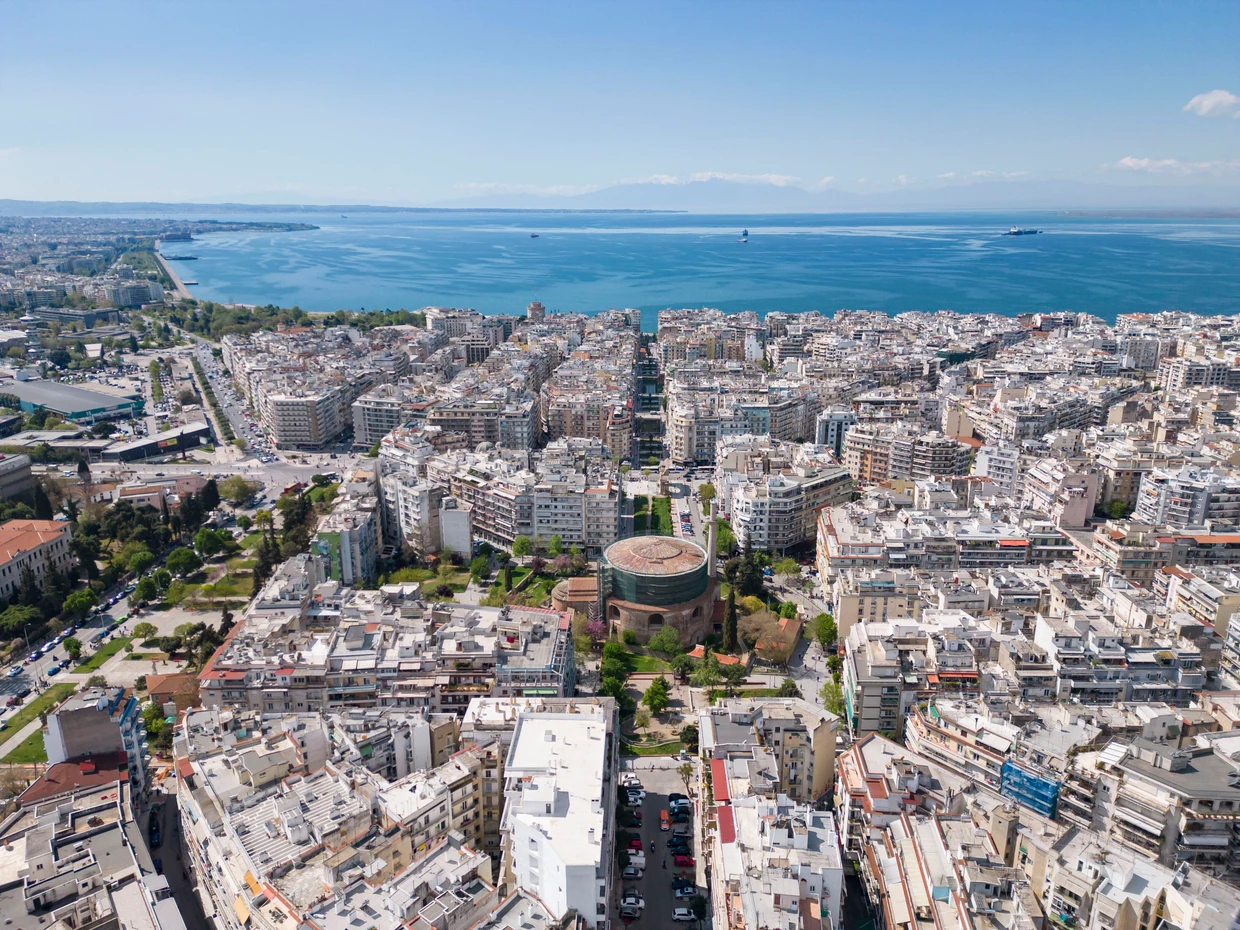
Thessaloniki is a city of layers, a palimpsest of history where the shimmering Aegean Sea meets the stoic, snow-capped silhouette of Mount Olympus. While travelers often flock to the ancient ruins of Athens or the sprawling transcontinental magnetism of Istanbul, Thessaloniki—Greece’s second city—possesses a distinct, throbbing vitality that its more famous neighbors lack. Stretching seven kilometers from its bustling port to the modern concert hall, the city’s promenade is more than just a walkway; it is the rhythmic heart of a metropolis that has survived fire, conquest, and the tragic erasure of its multicultural soul.
Main Facts: A City Defined by Its Promenade and Past
Thessaloniki is a city defined by movement and memory. Its waterfront is arguably the finest in the Mediterranean, a place where joggers, families, and flâneurs converge under the watchful gaze of Olympus. Legend dictates that Zeus, in his favor toward the mountain’s base, sired Herakles through the beauty of Alcmene, establishing a lineage of power that would culminate in the Macedonian dynasty. It was Alexander the Great’s half-sister, Thessalonike, who gave the city its name—a name that echoes through the annals of history from the Apostle Paul’s missionary visits to the height of the Byzantine Empire.
Today, Thessaloniki is often unfairly categorized as a secondary destination. Yet, historians argue that this perception is a historical error. Unlike Athens, which plummeted into obscurity as a minor village following Roman pillaging—only to be revived as a political capital in 1834—Thessaloniki remained a flourishing, cosmopolitan hub for centuries. It served as a crucible for the Hellenistic, Roman, Byzantine, and Ottoman worlds, fostering a unique blend of traditions that remains palpable in the city’s architecture and atmosphere.
A Chronology of Empires and Eras
The history of Thessaloniki is a timeline of overlapping hegemonies:
- 305 AD: Emperor Galerius establishes the city as a Roman imperial residence, commissioning the iconic Rotunda.
- Byzantine Era: The city becomes the "second city" of the Empire, rivaled in splendor only by Constantinople.
- Ottoman Era: Following the expulsion of Jews from Spain, Thessaloniki becomes a sanctuary, with the Sephardic community eventually accounting for nearly half the city’s population.
- 1881: Mustafa Kemal Atatürk, the founder of modern Turkey, is born in the city to an Ottoman civil servant.
- 1922: The population exchange between Greece and Turkey drastically alters the demographic makeup, forcing the departure of Muslims and the arrival of Greek Christians.
- 1943: The darkest chapter in the city’s history occurs when the Nazi occupation forces deport the entirety of the Jewish population to Auschwitz.
- Modern Era: The city evolves into a cultural powerhouse, reclaiming its heritage through the arts and international academic recognition.
Supporting Data: 15 Monuments of World Heritage
Thessaloniki does not hoard its history; it displays it in plain sight. The city boasts 15 UNESCO World Heritage sites, an impressive density for a modern urban center. The Rotunda, constructed in 305 AD, remains a breathtaking testament to Roman engineering and religious fluidity. Originally built as a mausoleum or a temple to Zeus, it has survived transformations into a church and a mosque, yet its early Christian mosaics—some of the oldest in the world—remain largely intact.
The city’s Archaeological Museum offers a stark contrast to the austerity of Athens. While the ancient Athenians, known for their democratic skepticism of excess, often masked their wealth, the Macedonian kings displayed it with unapologetic opulence. The museum houses a treasure trove of gold—fashioned into laurel wreaths and intricate jewelry—sourced from the four rivers of the region and the rich local mines.
Perhaps most significant is the Derveni Papyrus. Discovered in 2006 and later designated as a UNESCO Memory of the World document, these 266 fragments date back to 340 BC. They offer a rare glimpse into the Orphic tradition and the creation of the gods, serving as one of Europe’s earliest and most profound literary artifacts.
The Cultural Implications: The Symphony of Memory
Thessaloniki’s path to the future is paved with the sounds of its past. The State Symphony Orchestra of Thessaloniki has emerged as a major cultural ambassador, using its platform to bridge the gaps of history. Under the guidance of concertmaster Simos Papanas and conductors like Daniel Geiss, the orchestra is reclaiming the narratives of composers silenced by the 20th century.
A primary focus has been the "Jewish legacy" in music. The orchestra recently premiered and recorded works by Joseph Achron, a Lithuanian-German composer who fled the Nazis. His violin concerto, which had existed only in hand-written scores, was brought to life by the orchestra, effectively rescuing a lost voice from the ashes of the Holocaust. This effort is mirrored by their commitment to Greek composers and, notably, to the Turkish pianist and composer Fazil Say. By commissioning new works and performing them in world-class venues like the Vienna Musikverein and Hamburg’s Elbphilharmonie, the city is signaling its emergence from the shadows of its neighbors.
Official Perspectives: The Rebirth of Ancient Sounds
Perhaps the most ambitious project currently underway involves the revival of the Lyra, an ancient seven-stringed instrument that had been relegated to the pages of history books. Nikos Xanthoulis, a former trumpet soloist with the Athens Opera, spent years studying ancient ceramics to reconstruct the playing technique of the Lyra.
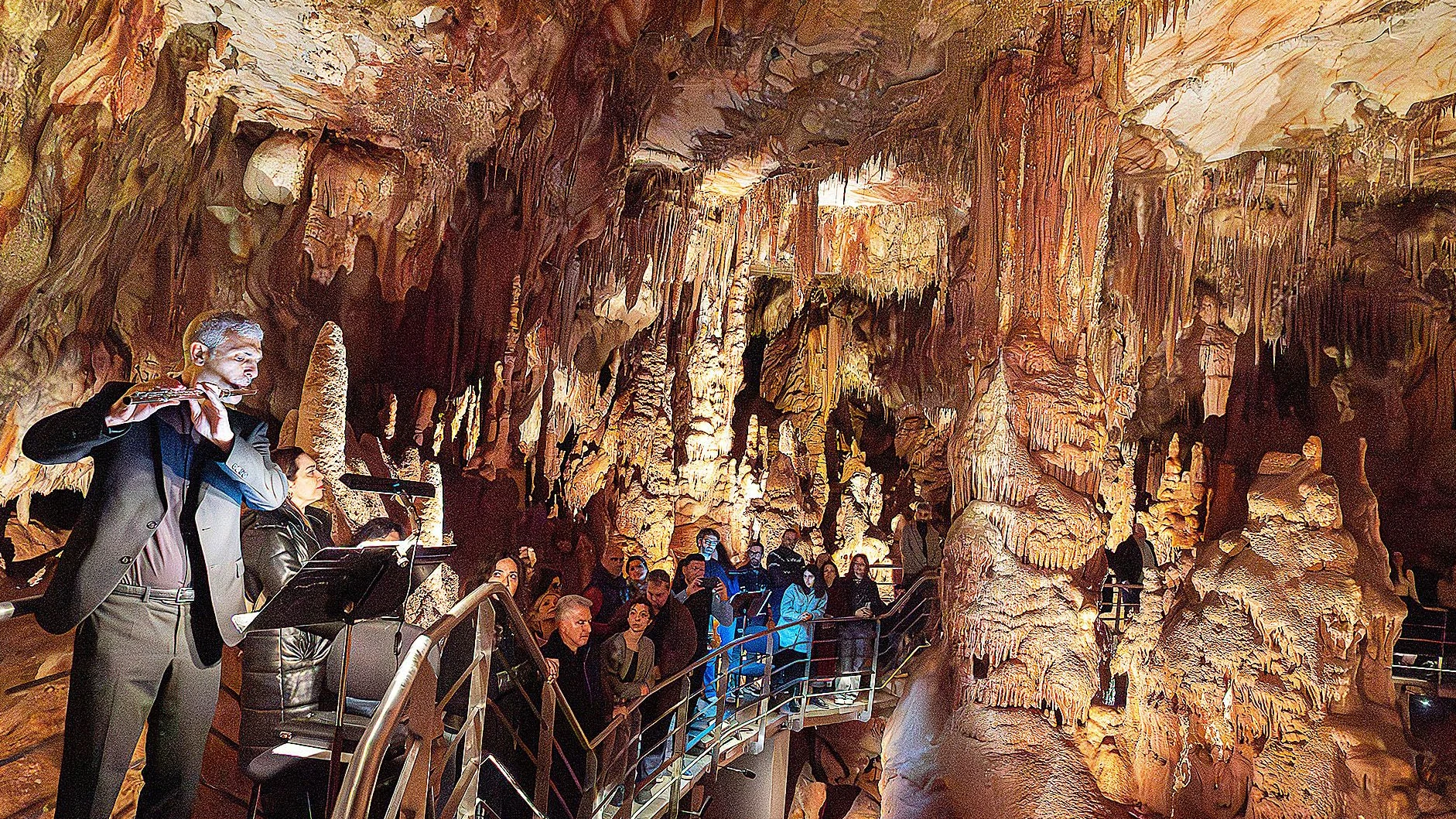
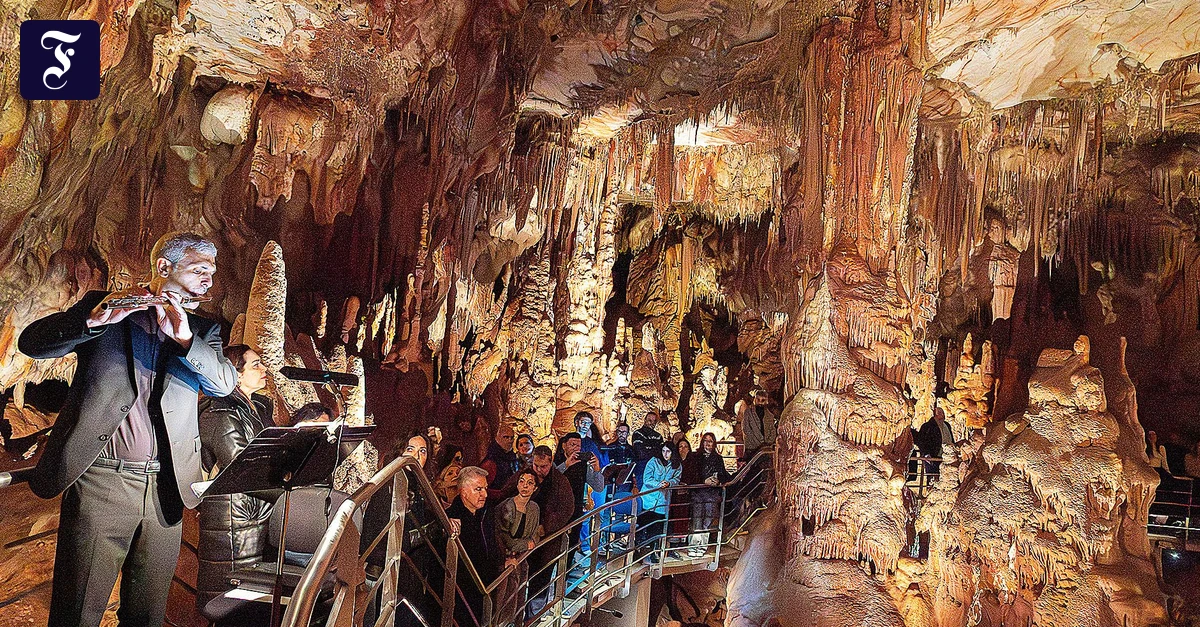
"Music is an inseparable part of human existence," says Papanas. To prove this, the orchestra has launched an experimental project in the Petralona Cave, where the remains of prehistoric hominids—dating back 290,000 years—were found. Here, the orchestra performs music spanning eight millennia: from the Neolithic era to the works of contemporary composers like Luciano Berio.
By combining the haunting resonance of an 8,000-year-old goat-bone flute with modern compositions, the city is presenting a bold thesis: that Thessaloniki is not merely a place of historical ruins, but a living laboratory for the continuity of the human experience.
Conclusion: A City Without a "Lost" Home
Thessaloniki has endured the forced migration of 1922 and the systematic annihilation of its Jewish community in 1943. Yet, it remains a city where, as the poet once wrote, "no one is left without a home as long as Thessaloniki exists."
The remnants of the Ottoman era, with their timber-framed houses and hanging oriels, still stand in the city’s upper districts, while the market lanes below pulse with an oriental charm that feels timeless. The tragedy of the 20th century, where the Plateia Eleftheria—once a bustling center of commerce—became a site of deportation, is now a focal point for reflection. By leaning into its complexity—its Sephardic music, the wailing Rembetiko of the refugees, and the sophisticated classical compositions of its symphony—Thessaloniki is doing more than surviving. It is defining itself as the intellectual and emotional bridge between the East and the West, a city that finally understands that its identity is not a monolith, but a mosaic.
Traveler’s Note: Thessaloniki is highly accessible for international visitors, with daily direct flights operating from major European hubs including Berlin, Munich, Düsseldorf, and Frankfurt. Whether for the history, the music, or the unparalleled waterfront, the city stands ready to claim its place in the modern cultural consciousness.















Leave a Reply