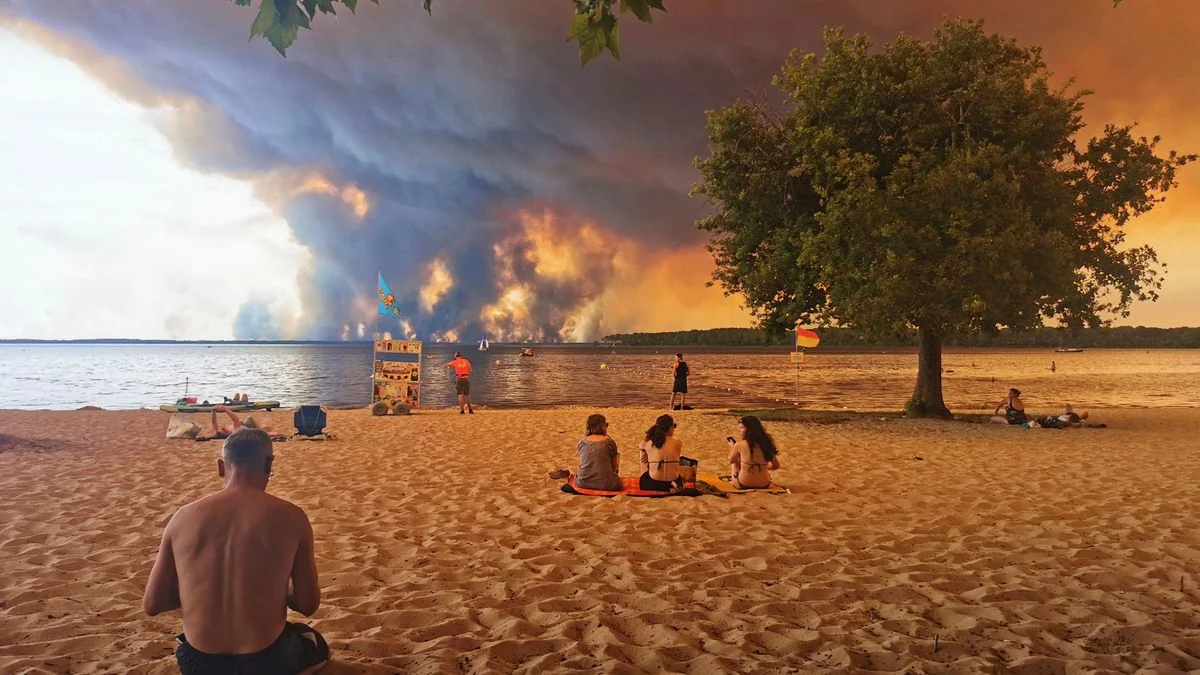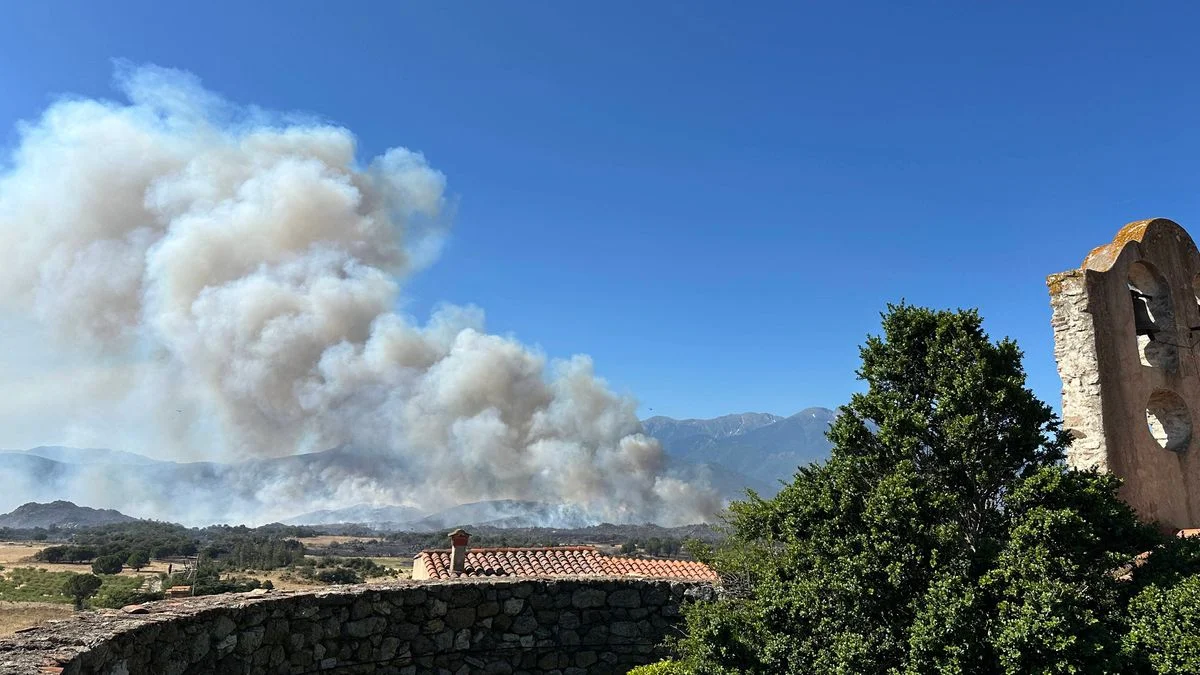
As record-breaking temperatures sweep across Southern Europe, hundreds of firefighters are locked in a desperate struggle against advancing forest fires. For millions of travelers, the dream of a Mediterranean summer has turned into a landscape of uncertainty, anxiety, and complex legal questions.
The Current Crisis: A Landscape in Flames
The summer of 2026 has brought with it an unprecedented climate challenge. From the rugged peaks of the Pyrenees in France to the sun-scorched forests of Portugal, the arid hills of Spain, and the volatile brushland of Greece, large swaths of Southern Europe are currently battling intense wildfires.
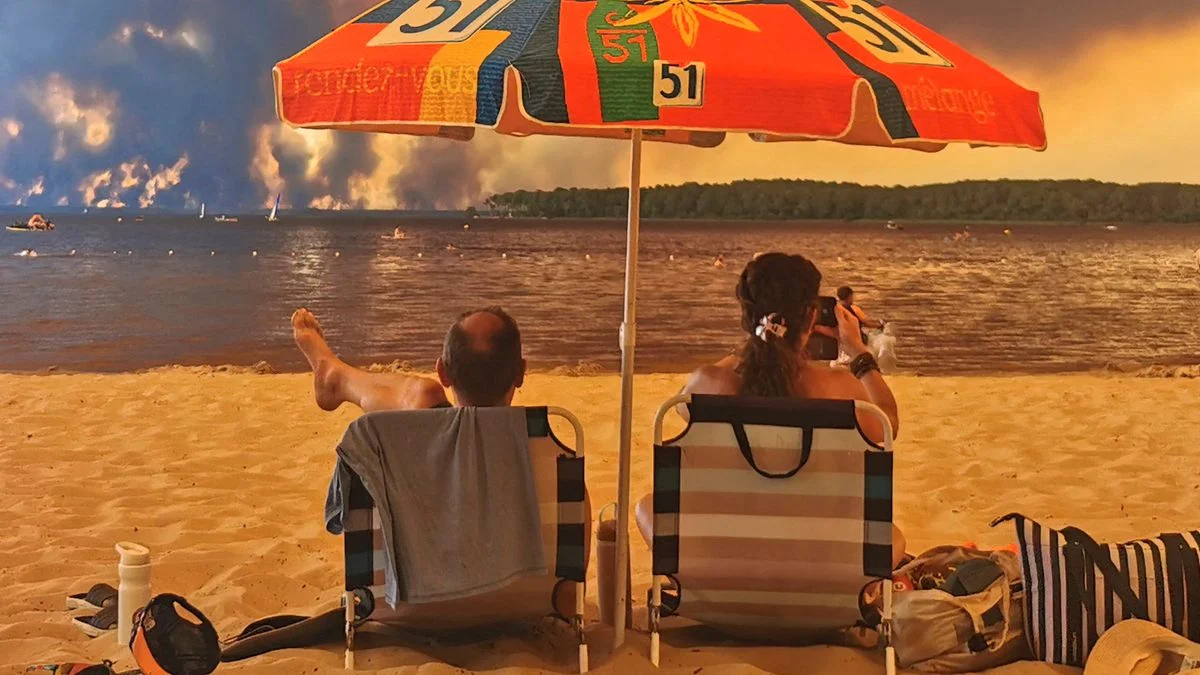
The immediate reality for tourists is a jarring collision between holiday expectations and environmental disaster. While many resorts remain untouched, the atmospheric presence of smoke, the constant hum of water-bombing aircraft, and the looming threat of evacuation have cast a long shadow over the tourism industry. Travelers are now forced to confront the harsh reality of "climate-affected travel," where the destination you booked in January may look vastly different by late July.
A Chronology of Escalation
The fires did not arrive as a singular event, but as a compounding series of environmental failures:
- Early July 2026: A severe heatwave, fueled by a stalled high-pressure system, settled over the Iberian Peninsula, pushing temperatures consistently above 42°C (107°F).
- Mid-July 2026: The first major ignition points were reported in the mountainous regions of Southern France. Despite early containment efforts, strong winds and tinder-dry vegetation turned minor brush fires into uncontrollable infernos.
- July 20, 2026: Greece and parts of Central Spain saw an escalation in fire activity. Authorities began issuing mass evacuation orders for remote villages and campsites.
- July 23, 2026: The situation reached a critical inflection point as the fires moved toward more populated tourist zones. International news agencies confirmed the deployment of additional firefighting assets from neighboring EU countries via the Civil Protection Mechanism.
Tracking the Threat: How to Stay Informed
For those currently abroad or planning to depart, the lack of localized information can be more stressful than the fire itself. The primary tool for modern travelers is digital cartography.
Google Maps and Satellite Monitoring:
If you suspect your destination is in the vicinity of a fire, the most reliable real-time method is utilizing Google Maps’ fire-tracking layer. By zooming into your specific region, you can identify active wildfire incidents marked by a red flame icon. These markers are linked to local emergency data, providing details on the extent of the affected area and any road closures that might impede your ability to reach the airport or hotel.
Official Government Portals:
Beyond commercial apps, travelers should monitor the official civil protection websites of the host country. These portals provide the most accurate information regarding "No-Go" zones and emergency evacuation routes.

The Legal Framework: What Happens if You Cancel?
The question of whether one can cancel a holiday due to wildfire fears is complex. Simply feeling "uncomfortable" or worried about the climate is generally not a sufficient legal basis to demand a full refund without penalty.
The Pauschalreise (Package Holiday) Advantage
Under European consumer law, if you have booked a "package holiday" (a combination of flights and accommodation sold as a single unit), you are protected by the concept of "unavoidable, extraordinary circumstances."
If a fire has caused significant destruction to your hotel, or if the local government has declared the area unsafe for tourists, you may be entitled to cancel your booking without incurring cancellation fees. However, the threshold for this is high: the event must "significantly impair" the execution of the trip. Before taking unilateral action, it is imperative to contact your tour operator. In many cases, these companies will proactively offer rebooking options or alternative destinations to avoid a total loss of revenue.
The Individual Traveler’s Dilemma
Those who booked flights and hotels independently face a much steeper climb. You are not protected by the same legal framework as package travelers.
- If the service is impossible: If your airline cancels the flight or the hotel is physically destroyed and cannot accommodate you, you are entitled to a full refund under standard contract law.
- If the service is available but unpleasant: If your hotel remains standing and the airport is operational, but the air quality is poor or the beach is closed due to smoke, you are generally at the mercy of the service provider’s "goodwill" (Kulanz). Unless your booking specifically included a "flexible" or "free cancellation" clause, you may be legally obligated to pay, regardless of the fire conditions.
On the Ground: Rights During Your Stay
Finding yourself in a holiday destination as smoke rises in the background is a traumatic experience. If your vacation is interrupted, your rights depend on your booking type.
For Package Travelers:
If the "vacation purpose" is frustrated—meaning you cannot sleep due to smoke, your excursions are canceled, or you are confined to your room—you may be entitled to a price reduction. In recent legal precedents, courts have allowed for up to 50% refunds for days significantly impacted by poor air quality.
A landmark ruling by the Amtsgericht Neuss in 2025 (Az.: 94 C 276/25) underscored that if a wildfire is visible and proximity to the hotel causes a clear, objective danger or a total loss of the recreational purpose, the guest may be entitled to a full refund and may even be justified in canceling the remainder of their trip and flying home.

Important: You must report the "defect" to your tour guide or the hotel management immediately. Waiting until you return home to complain significantly weakens your legal position.
Official Responses and Future Implications
The European Union has responded by increasing the budget for the "rescEU" firefighting fleet, acknowledging that these "once-in-a-decade" fire seasons are becoming a biennial reality.
Government ministers in Greece and France have issued statements urging tourists to remain vigilant but not to panic. They emphasize that while the fires are intense, the vast majority of the Mediterranean coastline remains open for business. However, the tourism industry is bracing for a shift in behavior. We are likely to see:
- A rise in "Cool-cationing": A trend toward booking holidays in Northern Europe or mountainous regions during the peak of July and August.
- Stricter Insurance Requirements: Travel insurance policies are being rewritten to include specific clauses regarding climate-related natural disasters, which previously were often excluded as "force majeure."
- Mandatory Transparency: Future travel contracts may soon require operators to disclose the fire risk levels of specific regions, similar to how they provide health or visa requirements.
Conclusion: A New Era of Travel
The fires of 2026 serve as a stark reminder that the Mediterranean, while a crown jewel of global tourism, is increasingly vulnerable to the changing climate. For the traveler, the takeaway is clear: Preparation is the best antidote to anxiety.
Check your travel insurance for "disruption" coverage, maintain open lines of communication with your service providers, and always keep a physical copy of your emergency contact information. As we move through this summer, the ability to pivot, adapt, and prioritize safety over the itinerary will be the most valuable skill a traveler can possess. While the flames may define the landscape, they do not have to define your survival—or your legal rights.