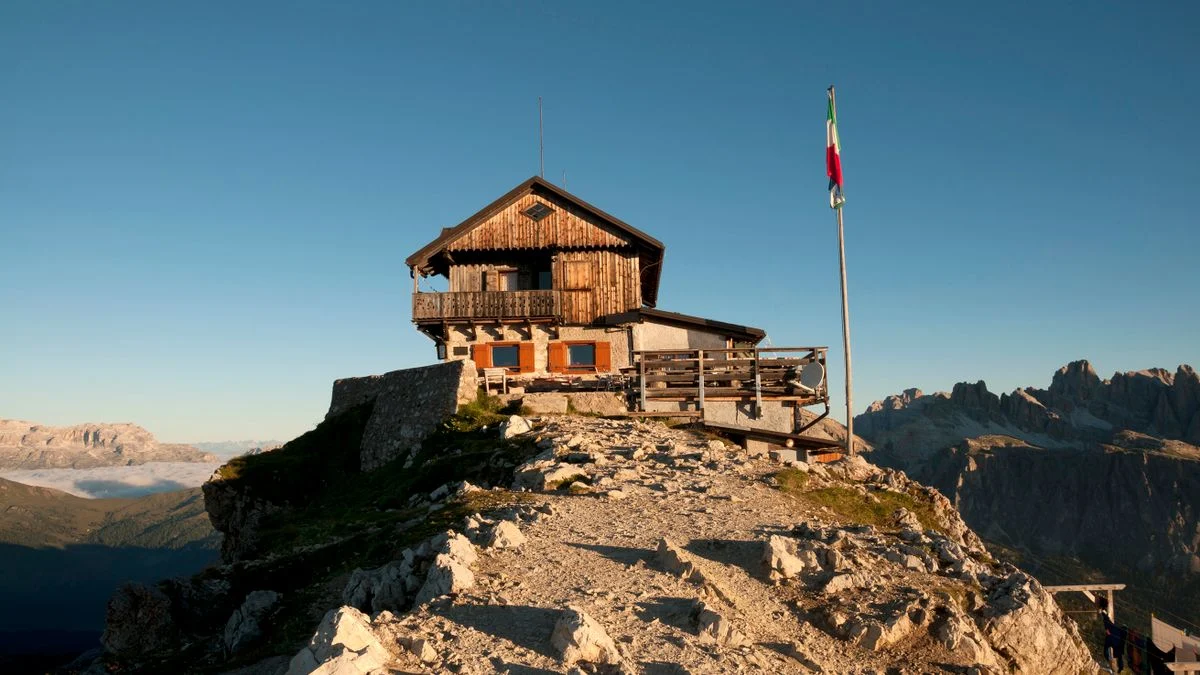
In an era defined by relentless digital connectivity, the commodification of time, and the pervasive noise of urban life, the traditional mountain hut stands as an improbable relic. Perched on jagged ridges, tucked into alpine valleys, or clinging to sheer rock faces, these structures seem to defy the logic of modern existence. They are often drafty, sparsely furnished, and physically demanding to reach. Yet, for millions of trekkers, climbers, and weary souls, the mountain hut remains a sanctuary of profound healing.
The paradox is striking: Why do we seek out environments that offer the least amount of comfort to restore our sense of well-being? To understand the enduring appeal of the alpine hut, we must look beyond the rugged architecture and examine the psychological, physical, and societal roles these structures play in the 21st century.
The Main Facts: The Architecture of Solitude
At their core, mountain huts are not merely lodging; they are logistical marvels of resilience. Whether operated by national alpine clubs or private families, these structures provide essential infrastructure in some of the world’s most hostile environments.
The modern mountain hut serves three primary functions:
- Safety and Navigation: They provide a critical node in a network of trails, offering shelter during sudden weather shifts—a common occurrence at high altitudes.
- The Communal Experience: Unlike the isolation of a private hotel room, the alpine hut thrives on the "dormitory culture." Sleeping in communal quarters forces a social leveling; here, the CEO and the university student share the same wooden bench and the same morning porridge.
- Digital Detox: By design or circumstance, many huts lack consistent internet connectivity. This enforced digital disconnection is perhaps the most significant "amenity" they offer, allowing the brain to shift from a state of constant stimulation to one of observation and reflection.
A Chronology: From Alpine Necessity to Modern Retreat
The history of the mountain hut is a reflection of humanity’s changing relationship with nature.
- The 19th Century (The Age of Exploration): The first huts were purely functional, built to support early glaciologists and pioneering mountaineers. These were stone bivouacs—cold, damp, and strictly for survival.
- The Mid-20th Century (The Democratization of Sport): As mountaineering evolved from an elite pursuit to a popular pastime, the Alpine Clubs began expanding their networks. Huts were transformed into semi-accessible waypoints, with caretakers providing warm meals and beds.
- The Late 20th Century (The Tourism Shift): Huts became integrated into the booming European tourism economy. While still rugged, they began to offer improved amenities—showers, heating, and localized culinary experiences.
- The 21st Century (The Return to Simplicity): Today, we are witnessing a "back to basics" movement. In a world saturated with synthetic experiences, the authentic, slightly grueling experience of the mountain hut is being reclaimed by a younger generation seeking "slow travel" and genuine environmental immersion.
Supporting Data: The Science of Alpine Restoration
Research into "Attention Restoration Theory" (ART) suggests that human cognitive resources are finite and are quickly depleted by the demands of urban environments. The mountain environment is the antithesis of the city.
Cognitive Load and Nature
Studies conducted by the University of Innsbruck indicate that individuals spending more than 48 hours in high-altitude environments show a 30% increase in cognitive flexibility and a significant decrease in cortisol levels. The simplicity of the hut—where one’s daily goals are reduced to hydration, nutrition, and movement—alleviates the "decision fatigue" that plagues modern life.
The Social Dynamics of the Dormitory
Sociological data from alpine associations shows that the communal nature of the hut fosters "transient bonding." Unlike long-term social networks, these bonds are forged over a shared meal and a common objective. This temporary community provides the psychological benefit of social belonging without the baggage of long-term social expectations.
Official Responses and Stakeholder Perspectives
The preservation of these huts is a point of contention between environmentalists and tourism boards.
The Alpine Clubs:
The European Alpine Clubs maintain that huts are the only way to regulate traffic in sensitive ecosystems. By concentrating visitors into well-managed, designated areas, they prevent "wild camping" and the subsequent destruction of fragile alpine flora. "Our mission is to keep the mountain accessible but protected," says a spokesperson for the German Alpine Association (DAV). "The hut is our frontline in environmental stewardship."
Ecologists:
Conservationists express concern regarding the footprint of these structures. The supply chain—often relying on helicopter transport to bring food and gas to remote locations—has a significant carbon footprint. The push today is for "Net-Zero Huts," which utilize solar panels, wind turbines, and advanced water purification systems to minimize the environmental impact of hosting thousands of visitors annually.
The Implications: Why We Need the Peaks
The continued existence of the mountain hut is a testament to our psychological need for "friction."
In the digital age, we have engineered friction out of our lives. Everything is instant, seamless, and automated. However, human beings have evolved to overcome obstacles. The physical effort required to reach a hut—the burning lungs, the heavy pack, the uncertainty of the weather—reconnects us with our physiological capabilities.
The "Heilsamer Ort" (Healing Place)
In German-speaking alpine regions, the mountain hut is often described as a heilsamer Ort—a place of healing. This is not medical healing, but existential. When you are sitting on a bench at 2,500 meters, watching the clouds gather over a valley floor, your personal stressors—work deadlines, social media notifications, financial anxieties—are put into a humbling perspective.
The mountain does not care about your inbox. The wind does not recognize your status. This indifference is not cruel; it is liberating.
Looking Toward the Future
The challenge for the next decade will be balancing accessibility with conservation. As demand for remote, "authentic" travel grows, how do we keep these huts from becoming overrun? The answer likely lies in a shift toward a slower, more deliberate form of tourism. This means fewer weekenders and more long-distance trekkers who respect the mountain’s rhythm.
The mountain hut is a paradox that works. It asks for our effort, our discomfort, and our humility. In exchange, it offers us the one thing modern life increasingly fails to provide: a clear perspective on the world and our small, but significant, place within it.
As we move forward, the survival of these huts remains essential. They are the cathedrals of the modern age—not built of stained glass and stone spires, but of timber and rock, standing silently against the sky, waiting to remind us of who we are when the noise finally fades away.