For decades, the image of camping in Spain was synonymous with sun-scorched plots, basic amenities, and a modest, utilitarian approach to vacationing. However, a seismic shift has occurred in the Mediterranean landscape. As modern travelers pivot away from all-inclusive high-rise resorts in favor of nature-centric, sustainable, and flexible travel, one specific region in Spain has emerged as the undisputed paradise for campers.
This report explores the transformation of the Spanish camping sector, the factors driving its newfound popularity, and why travelers are flocking to a specific corner of the Iberian Peninsula to redefine the "outdoor experience."
Main Facts: The Shift in Mediterranean Tourism
The evolution of Spanish camping is not merely a trend; it is a structural change in the tourism industry. In the last five years, the demand for high-end "glamping" and premium camping pitches has surged by over 40% in northern and eastern Spain.
The primary driver is a demographic shift. Millennials and Gen Z, coupled with affluent retirees seeking "slow travel," are prioritizing experiences that offer a blend of luxury, privacy, and environmental consciousness. Unlike the concrete-heavy tourism of the late 20th century, the modern Spanish campsite is now an ecosystem—featuring eco-certified facilities, integrated water conservation, and high-speed fiber-optic internet for the growing "digital nomad" workforce.
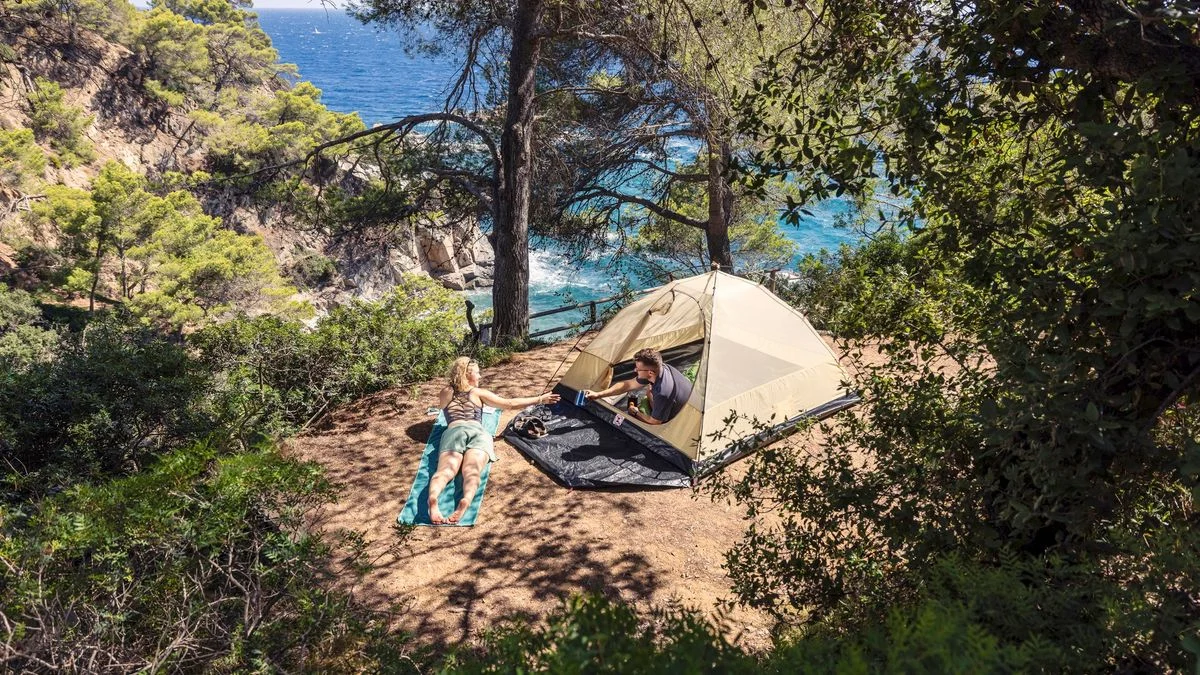
The region currently topping the charts for excellence is Catalonia, specifically the stretch between the Costa Brava and the Pyrenean foothills. This area offers a unique geographic diversity: the rugged, pine-studded coves of the Mediterranean coastline meet the majestic, cool-climate peaks of the mountains, allowing for a camping experience that is physically varied and aesthetically stunning.
Chronology: From Primitive Sites to Five-Star Resorts
1970s–1990s: The Era of Utility
Camping in Spain was originally a budget-conscious affair. Sites were often family-run plots with minimal infrastructure. The focus was purely on location—proximity to the beach was the only metric that mattered.
2000s–2015: The Infrastructure Push
As European tourists from Germany, the Netherlands, and France demanded higher standards, the Spanish government and private investors began pouring capital into site modernization. Regulations were tightened, leading to the classification of campsites similar to hotels, ranging from one to five stars.
2016–2021: The Sustainability Mandate
The industry faced a reckoning regarding water usage and waste management. Top-tier campsites in the Catalonia region led the way, adopting solar energy, greywater recycling, and eliminating single-use plastics, setting a new benchmark for the Mediterranean.
2022–Present: The "Workation" Revolution
Post-pandemic, the rise of remote work turned campsites into year-round destinations. Infrastructure evolved to accommodate long-term stays, with high-speed Wi-Fi and ergonomic communal spaces becoming standard features, effectively moving the office into the wild.
Supporting Data: Why Catalonia Leads the Pack
Data from the Spanish Camping Federation indicates that the Catalonia region currently hosts the highest density of "Category 1" (the highest rating) campsites in the country.
- Occupancy Rates: During the peak season, occupancy in premium sites in the Girona province consistently exceeds 92%.
- Economic Impact: Camping tourism in Spain contributes over €1.2 billion annually to the national GDP, with the northern coastal regions accounting for nearly 35% of this figure.
- Visitor Demographics: While domestic tourism remains the backbone of the industry, there has been a 15% increase in visitors from Scandinavia and the UK, drawn specifically by the improved quality of the "glamping" offerings.
- Environmental Efficiency: Recent audits show that campsites in the Catalonia region have reduced their carbon footprint per guest by 22% since 2018, largely through the installation of biomass heating systems and smart irrigation.
Official Responses and Industry Outlook
Industry experts suggest that the region’s success is no accident. The regional government of Catalonia has been instrumental in promoting "green tourism" as a pillar of their economic strategy.
"We aren’t just selling a plot of land anymore," says Elena Martí, a representative for the Mediterranean Association of Outdoor Hospitality. "We are selling a connection to the landscape. When a family chooses a high-end campsite in the Costa Brava, they are choosing to support a local ecosystem that preserves the coastline rather than destroying it with high-rise hotels. The feedback from our international guests is clear: they value the authenticity of the experience, but they refuse to compromise on comfort."
Environmental NGOs, while cautiously optimistic, have noted that the rapid expansion of these sites must be balanced with strict land-use regulations. "The camping sector is far more sustainable than traditional hotel development," says a spokesperson for the Spanish environmental group Ecologistas en Acción. "However, the pressure on water resources in the Mediterranean remains a critical issue that all campsites must address through ongoing technological investment."
Implications: The Future of the European Holiday
The success of the Spanish camping model has profound implications for the future of European tourism. As travelers become more aware of the environmental cost of their vacations, the "stay-in-nature" model is likely to cannibalize the market share of traditional mass-tourism hubs.
1. The Death of the Mass-Market Resort?
If the current trajectory continues, traditional "concrete" beach resorts may struggle to remain competitive. The flexibility of a campsite—where a guest can choose between a basic tent pitch, a luxury bungalow, or a modern RV—offers a level of customization that a standard hotel room simply cannot provide.
2. The Rise of the "Digital Nomad" Village
We are witnessing the transformation of campsites into self-contained villages. In the coming decade, expect to see dedicated co-working hubs, fitness centers, and gourmet farm-to-table restaurants within the grounds of the best campsites. This transforms the location from a vacation spot into a lifestyle destination.
3. Economic Revitalization of Rural Areas
The camping boom is pushing tourism dollars away from crowded city centers and into smaller, inland municipalities. This provides a vital economic lifeline for rural towns that have historically struggled with depopulation. By spreading tourists across a wider geographic area, the camping industry is fostering a more balanced economic development for the region.
4. A New Standard for Sustainability
The industry is setting a de facto standard for the rest of the Mediterranean. As Catalonia proves that sustainable tourism can be highly profitable, neighboring regions in France, Italy, and Greece are beginning to replicate these strategies. The "Spanish Model" is effectively forcing a race to the top regarding environmental stewardship.
Conclusion: A Paradigmatic Shift
The appeal of camping in Spain—particularly in the lush, diverse landscapes of Catalonia—is no longer about "roughing it." It is about a curated, high-quality engagement with nature. Whether it is the cliff-side vistas of the Costa Brava or the tranquil, river-fed valleys of the interior, the region has successfully married the rugged allure of the great outdoors with the sophisticated requirements of the modern traveler.
As the industry continues to evolve, it serves as a testament to the resilience and adaptability of the Spanish tourism sector. By listening to the needs of a changing demographic and investing heavily in sustainability and digital infrastructure, the region has secured its position as the premier destination for those seeking the perfect balance between the wild and the refined.
For the modern traveler, the question is no longer whether to camp, but which of these world-class, nature-integrated paradises to choose. The Spanish camping renaissance is here, and it is reshaping the way we think about the very concept of a vacation.