By Global News Desk
The skies over Indonesia have descended into turmoil as the volatile volcano Anak Krakatau—the "Child of Krakatau"—launched a series of violent eruptions over the weekend. The geological activity has unleashed massive plumes of volcanic ash, forcing aviation authorities to shutter six major airports across the archipelago. The disruption has left tens of thousands of passengers stranded, grounded hundreds of international flights, and prompted an emergency response from the Indonesian government as it battles both the immediate logistical fallout and the lingering memories of past catastrophes.
The Situation at a Glance: A Regional Aviation Crisis
The eruption, which began on Saturday, has created a hazardous environment for aviation across Java and Sumatra. The most significant impact is being felt at the Soekarno-Hatta International Airport, the primary gateway to the Indonesian capital, Jakarta. Despite the airport being located more than 150 kilometers away from the crater, the sheer volume of ash ejected into the upper atmosphere has rendered flight paths unsafe.
According to the Ministry of Transportation, tests conducted on the air quality around Soekarno-Hatta returned positive results for volcanic ash, necessitating an immediate suspension of operations. Initially intended to last only until Sunday morning, the closure was extended well into the afternoon as conditions failed to improve. The ripple effects of this shutdown are profound: 209 flights—including critical long-haul routes connecting Jakarta to global hubs like Singapore, Doha, Sydney, and Kuala Lumpur—have been canceled. More than 22,000 passengers found their travel plans upended, while hundreds of additional flights were grounded at three other airports serving the capital region and the city of Bandung, where the Husein Sastranegara International Airport also ceased operations.
Chronology of the Eruption
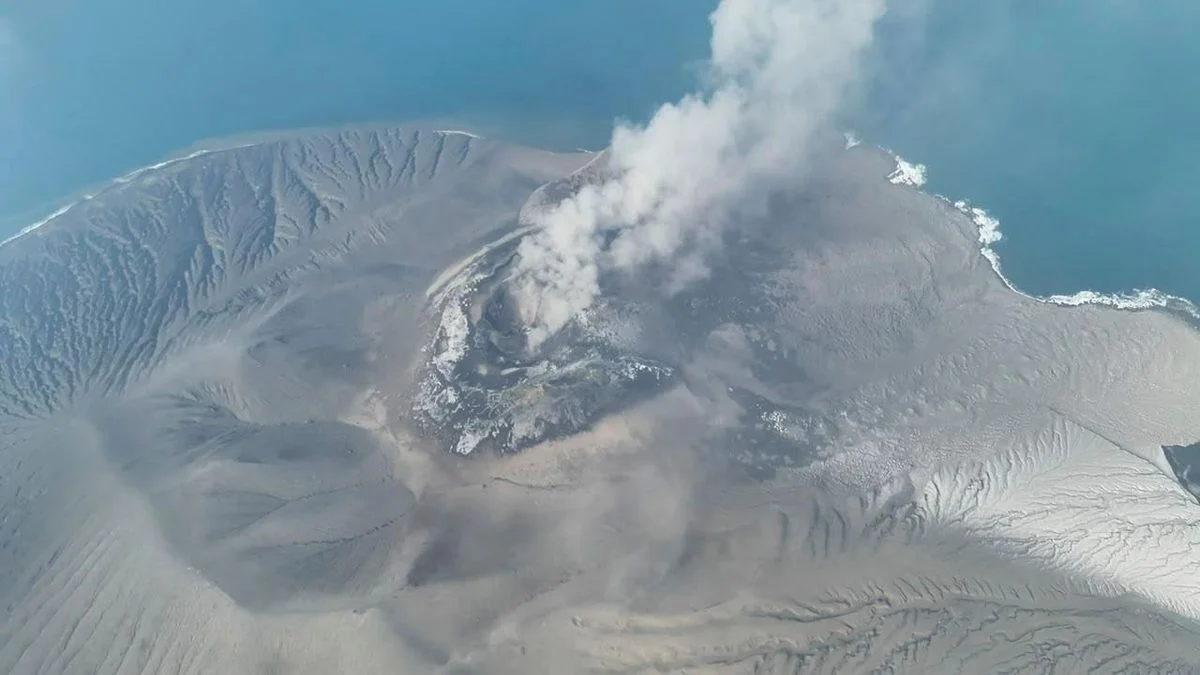
The sequence of events began on Saturday when the Anak Krakatau, situated in the Sunda Strait between the islands of Java and Sumatra, initiated a powerful eruptive phase. The volcano, known for its erratic and dangerous behavior, spewed molten lava and generated acoustic shockwaves of such intensity that they were reportedly audible up to 700 kilometers away.
By Sunday, the situation had intensified as the Geological Agency of Indonesia recorded two additional, major eruptions. These events injected massive quantities of tephra and ash into the atmosphere. The Meteorology, Climatology, and Geophysics Agency (BMKG) reported that the resulting ash clouds reached staggering altitudes: 6,000 meters on the Java-facing side of the volcano and an alarming 15,000 meters on the Sumatra side.
For much of the weekend, the primary concern for aviation authorities was the concentration of fine, abrasive volcanic glass particles in the flight corridors. Unlike dust, volcanic ash is composed of pulverized rock and mineral particles that can melt inside jet engines, causing catastrophic failure. Consequently, the decision to halt air traffic was not merely a precautionary measure but a mandatory safety protocol to prevent mid-air disasters.
Meteorological Intervention: The "Cloud Seeding" Strategy
In a proactive bid to mitigate the impact of the ash fallout on the local population, the National Disaster Management Agency (BNPB) has mobilized an unconventional strategy. Recognizing that the ash is not only grounding planes but also polluting the air quality for millions, the agency announced a weather modification operation.
BNPB head Suharyanto confirmed during a press briefing that authorities are preparing to conduct "cloud seeding"—an artificial rain-making process—to induce precipitation over the affected areas. "If it rains heavily enough, the volcanic ash that has been disrupting our daily lives since yesterday will be quickly washed away," Suharyanto explained.
While the scientific community remains cautious about the efficacy of cloud seeding in clearing heavy volcanic fallout, the desperation of the situation has necessitated an "all-hands-on-deck" approach. In the meantime, local authorities have issued urgent health advisories. Residents in the path of the ash clouds have been instructed to wear high-quality masks and eye protection, minimize outdoor activities, and exercise extreme caution while driving, as the ash makes roads exceptionally slippery and hazardous.
Safety Protocols and Maritime Warnings
The reach of the eruption is not limited to the sky. The Sunda Strait, one of the most important shipping lanes in Southeast Asia, has been placed under a heightened state of alert. The Ministry of Transportation and the maritime authorities have issued strict warnings to all vessels traversing the strait.
A mandatory three-kilometer exclusion zone remains in effect around the Anak Krakatau. Shipping companies have been advised to increase their vigilance and maintain a safe distance from the volcano to avoid potential volcanic projectiles or localized sea disturbances. While no immediate maritime accidents have been reported, the presence of pumice rafts and the constant threat of further, more violent activity have kept the maritime industry on edge.
Addressing the Tsunami Specter
For many Indonesians, the mere mention of Anak Krakatau evokes the tragedy of December 2018, when a massive flank collapse of the volcano triggered a devastating tsunami that claimed more than 400 lives. Consequently, when the tremors began this weekend, public anxiety surged.
However, government officials have been quick to temper these fears. Lana Saria, the head of the Geological Agency, issued a public statement clarifying that the current series of eruptions does not possess the structural volatility required to trigger a tsunami. The current activity is characterized by vertical explosions of ash and lava rather than the catastrophic lateral collapse of the volcanic edifice that occurred five years ago.
Despite these reassurances, the "Child of Krakatau" remains under constant surveillance. Since July 2, the volcano has been under a Level 3 alert—the second-highest warning status in Indonesia. The authorities are maintaining a 24/7 monitoring schedule, utilizing seismic sensors and satellite imagery to detect any shifts in the mountain’s internal pressure that might signal a change in the eruption’s nature.
Historical Context: A Legacy of Fire
To understand the menace of the Anak Krakatau, one must look at the history of the region. The volcano itself is a product of one of the most violent geological events in recorded history. It emerged a century ago within the caldera of the legendary Krakatau volcano, which famously obliterated itself in 1883.
That historic eruption was so powerful that it was heard 4,800 kilometers away in Alice Springs, Australia. The subsequent tsunamis destroyed hundreds of coastal villages and claimed over 36,000 lives, altering the global climate for years due to the massive injection of sulfur dioxide into the stratosphere.
Indonesia sits squarely on the "Pacific Ring of Fire," a horseshoe-shaped belt of high tectonic activity where several major plates collide. This geographical reality makes the country the most volcanically active nation on Earth, with 127 active volcanoes. The current crisis is a stark reminder of the fragile balance between human infrastructure and the primal forces of the Earth.
Looking Ahead: The Economic and Logistical Implications
As the week begins, the focus shifts toward recovery and the slow resumption of normal operations. For the aviation industry, the challenge is not just clearing the ash, but managing the massive backlog of displaced passengers and grounded cargo. The financial implications for Indonesian airlines, which were already struggling to recover from global travel downturns, are significant. Costs associated with re-routing, fuel, and passenger compensation are expected to climb into the millions of dollars.
Beyond the numbers, the event serves as a critical test for Indonesia’s disaster preparedness infrastructure. The coordination between the BMKG, the BNPB, and the Ministry of Transportation suggests a maturing response mechanism, yet the vulnerability of the nation’s transport hubs to a single geological event highlights a systemic risk that planners will undoubtedly need to address in the future.
For now, the people of Java and Sumatra watch the sky, waiting for the winds to shift and the rains to fall, hoping that the "Child of Krakatau" will soon return to its slumber, allowing the island nation to reconnect with the world and return to the rhythms of daily life. The volcanic activity serves as a humbling reminder: in the shadow of the Ring of Fire, nature remains the ultimate arbiter of human movement.