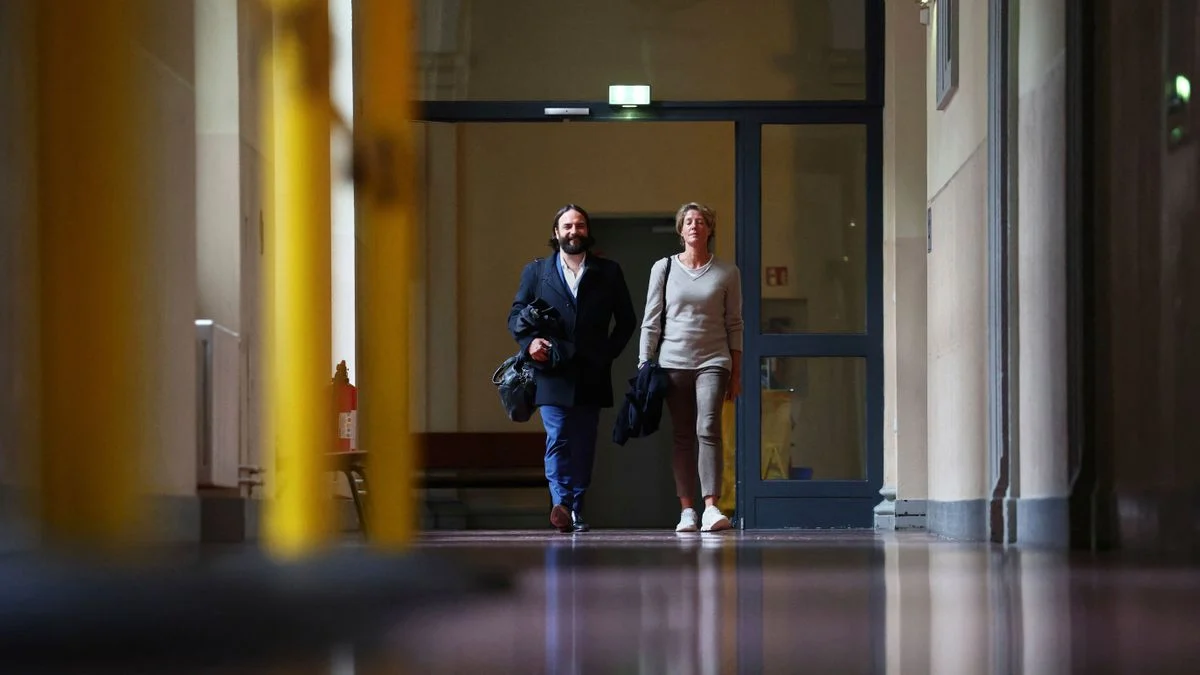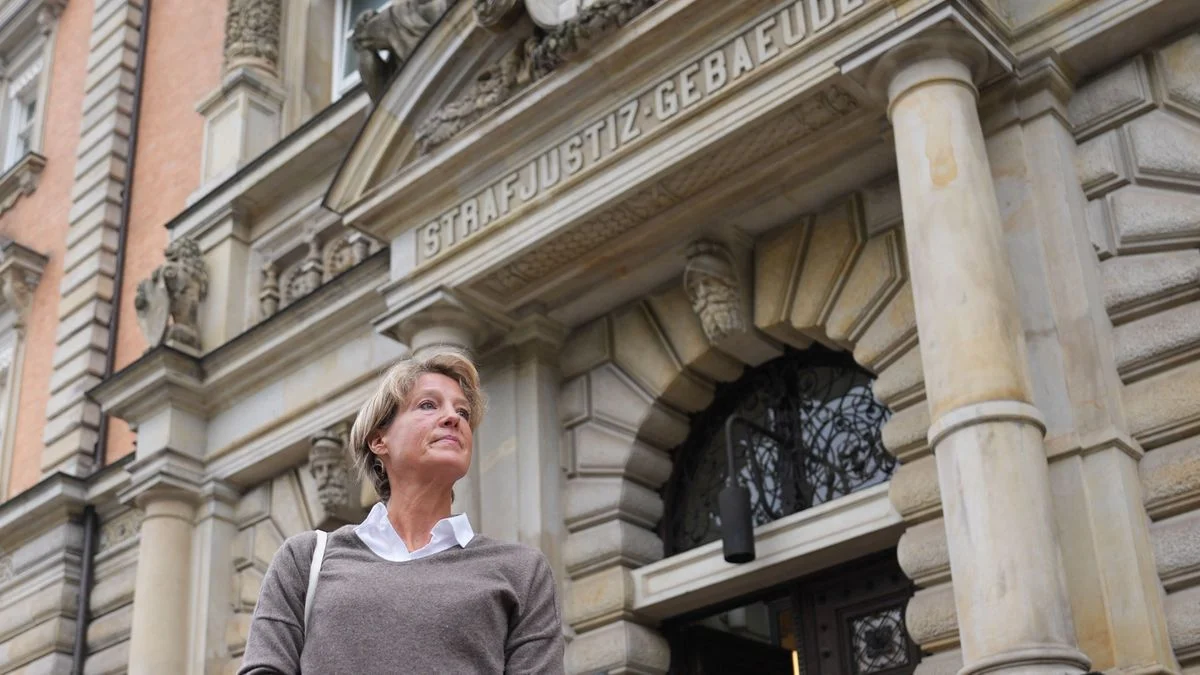
The long-standing public and legal battle involving Christina Block, the heiress to the famous German steakhouse empire, has reached a new, significant milestone. A Hamburg district court has dismissed a lawsuit filed by her children, who were seeking maintenance payments from their mother. This development marks another chapter in an increasingly complex custody and family saga that has captivated the German public for years.
I. Main Facts: The Court’s Decision
In a ruling that has sent ripples through the legal community and the media, the Hamburg District Court (Amtsgericht) has officially rejected a maintenance claim brought forward by the children of Christina Block. The lawsuit, which sought to compel the entrepreneur to provide financial support, was dismissed on grounds that have yet to be fully detailed in the public record, though legal experts point to the intricacies of German family law regarding the duty of care and the specific living circumstances of the minors.
Christina Block, known as a prominent figure in the hospitality industry, has been embroiled in a high-profile dispute with her ex-husband, Stephan Hensel, regarding the custody and care of their children. The maintenance lawsuit represents a tactical shift in this ongoing domestic conflict, highlighting how personal grievances often spill over into the courtroom, forcing judicial authorities to mediate sensitive matters of child welfare and financial responsibility.
II. Chronology: A Saga of Conflict
To understand the gravity of the recent court ruling, one must examine the timeline of events that have defined the Block-Hensel dispute:
- The Initial Separation: Following the end of their marriage, the couple initially navigated the complexities of co-parenting. However, the situation deteriorated rapidly, leading to a series of legal filings.
- The Custody Crisis: The dispute gained national attention when allegations of parental alienation surfaced. The children, residing with their father in Denmark, became the focal point of a tug-of-war between the two parents, with each accusing the other of preventing healthy contact.
- The New Year’s Incident: In a dramatic turn of events, the children were allegedly taken from their father in Denmark during a New Year’s celebration. This event triggered an international investigation and fueled a media frenzy, with Christina Block facing intense scrutiny regarding her role in the children’s relocation.
- The Maintenance Filing: Following the fallout of the custody battle, the children—represented legally—filed a suit for maintenance against their mother. This was viewed by many observers as a strategic attempt to establish a legal framework for financial support in light of the altered living arrangements.
- The Recent Dismissal: The Hamburg District Court’s decision to dismiss the claim represents a victory for Christina Block’s legal defense team, asserting that the requirements for the requested maintenance were not met under current German statutes.
III. Supporting Data: The Legal Landscape of German Family Law
The dismissal of the lawsuit is rooted in the rigorous requirements of the German Civil Code (Bürgerliches Gesetzbuch – BGB). Under Section 1601 et seq. BGB, parents are generally obligated to provide maintenance for their children. However, this obligation is not absolute and is contingent upon several factors:
- Capability of the Obligor: The court must evaluate the financial status of the parent. While Christina Block possesses significant assets as an heiress, the law also considers the ability of the custodial parent to provide for the children independently.
- The Priority of Custodial Responsibility: German law places a high premium on the nature of the care provided. If a parent is found to be capable of providing for the child through direct care (natural maintenance), the claim for financial support is often mitigated.
- Procedural Requirements: The dismissal highlights the burden of proof required in family court. The plaintiffs failed to demonstrate that the financial necessity outweighed the existing arrangements, leading the court to conclude that the claim was unsubstantiated at this juncture.
Data from the Federal Ministry of Justice indicates that maintenance disputes in Germany have risen by approximately 12% over the last decade, often driven by the increasing complexity of international custody cases and the high costs associated with private litigation.
IV. Official Responses and Public Statements
The reaction to the court’s decision has been polarized.
Christina Block’s Legal Representatives: In a brief statement issued shortly after the verdict, her legal team expressed satisfaction with the court’s decision. They emphasized that the lawsuit was an "unnecessary escalation" and that the focus should remain on the long-term well-being of the children rather than litigation. They maintained that their client has always been prepared to fulfill her duties as a mother within the bounds of the law.
The Position of the Plaintiffs: Lawyers representing the children’s interests have indicated that they are currently reviewing the written judgment to determine if an appeal is viable. They have characterized the court’s decision as a "misinterpretation of the children’s actual financial needs" and a setback for the rights of minors in high-conflict custody disputes.
The Public and Media Perspective: The case has sparked a debate on the "wealthy parent" narrative. Critics of the ruling argue that justice is sometimes obscured by the legal maneuvers of high-net-worth individuals, while supporters of the ruling contend that the court’s decision was based purely on the evidence and legal standards, regardless of the family’s public profile.
V. Implications: What This Means for the Future
The dismissal of this maintenance claim carries profound implications for the ongoing saga:
1. Strengthening the Status Quo
By rejecting the maintenance claim, the court has effectively signaled that it will not use financial intervention to alter the power dynamics of the existing custody arrangement. This reinforces the current status quo, leaving the children in their current environment while signaling that the judiciary prefers to keep financial and custody matters as distinct entities.
2. The Toll on the Children
Perhaps the most significant implication is the psychological toll on the minors involved. The constant cycle of legal motions and counter-motions creates an environment of instability. Child psychologists have long warned that "legal warfare" between parents is one of the primary drivers of long-term trauma in children of divorce.
3. Precedent for High-Profile Family Law
This case will likely be cited in future family law disputes involving affluent families. It demonstrates that even with vast resources, the court will demand rigorous evidence of financial need. It serves as a reminder that the courtroom is not a venue for resolving personal vendettas, even if the parties involved often treat it as such.
4. Future Legal Maneuvers
Observers expect that this is not the end of the legal challenges. The case of Christina Block is far from closed. With ongoing investigations in Denmark and potential appeals in Germany, the legal machinery is likely to remain in motion for the foreseeable future. The dismissal of the maintenance claim may, in fact, lead to a pivot toward other legal strategies, such as seeking visitation rights or requesting independent assessments of the children’s living conditions.
Conclusion
The Hamburg District Court’s decision to dismiss the maintenance lawsuit filed by the children of Christina Block is a stark reminder of the complexities inherent in family law. While the financial aspect of this specific suit has been halted, the emotional and personal battle continues to unfold in the public eye.
As the legal teams evaluate their next steps, the broader question remains: at what point does the pursuit of legal victory supersede the necessity of familial peace? For the Block-Hensel family, the answer remains elusive, leaving the public to watch as yet another chapter of this tumultuous saga concludes with more questions than answers. The judicial system has spoken, but the personal, human resolution remains as distant as ever.