The political career of Andreas Scheuer, once a rising star in the Christian Social Union (CSU) and Germany’s Federal Minister of Transport from 2018 to 2021, has long been overshadowed by the spectacular collapse of his flagship project: the passenger car toll (Pkw-Maut). What began as a promise to make foreign drivers contribute to the upkeep of German infrastructure ended in a humiliating defeat before the European Court of Justice (ECJ), a taxpayer-funded payout of hundreds of millions of euros, and a sprawling, high-stakes legal battle that continues to haunt the corridors of the Bundestag.
At the heart of the current judicial proceedings is not just the fiscal irresponsibility of the project, but the question of personal accountability. Recent testimonies have brought the focus back to the explosive allegations of “revenge” and political vendettas, claims that the defense has vehemently rejected.
Main Facts: The Infrastructure Debacle
The Pkw-Maut, commonly known as the “Autobahn-Maut,” was the quintessential CSU project. It was a condition of their participation in the federal government, intended to fulfill a populist demand: that only foreign drivers would pay, while German motorists would be offset through lower vehicle taxes.
However, the legal foundation was shaky from the start. The European Commission launched infringement proceedings against Germany, citing discrimination against non-German EU citizens. In June 2019, the ECJ ruled the toll illegal. The consequences were immediate and catastrophic for the federal budget. The operating companies, CTS Eventim and Kapsch TrafficCom, had already been awarded contracts. Following the ECJ ruling, they demanded compensation for lost profits. The federal government eventually agreed to a settlement of approximately €243 million.
The current legal inquiry seeks to determine whether Scheuer knowingly ignored warnings from his own ministry’s experts, pushed through contracts despite the looming risk of an ECJ defeat, and whether the process was tainted by political bias.
Chronology: A Timeline of Failure
- 2013–2017: The Pkw-Maut is negotiated as a core demand of the CSU during coalition talks.
- 2018: Andreas Scheuer takes office as Minister of Transport and accelerates the procurement process.
- December 2018: Contracts are signed with the operators. Warnings from experts within the ministry regarding the legal risks are allegedly downplayed or ignored.
- June 2019: The European Court of Justice declares the toll scheme discriminatory and illegal.
- 2020–2021: The operating companies file for damages, citing lost profits. Scheuer faces intense pressure from the opposition and the public.
- 2022: A settlement is reached, costing the German taxpayer €243 million.
- 2023–2024: Parliamentary investigations and civil litigation center on whether Scheuer acted with "gross negligence" or personal animus, leading to the current court appearances.
The Witness Testimony: Addressing the “Rachsucht” Narrative
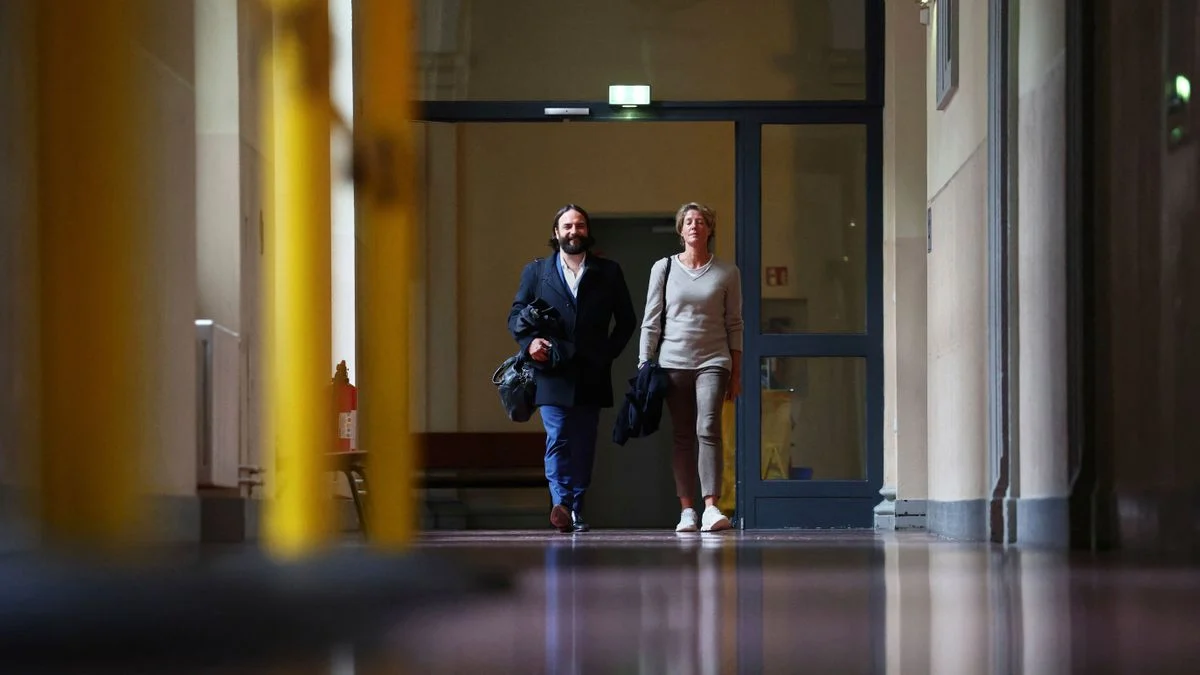
A critical component of the ongoing proceedings involves the testimony of key figures who worked within the Ministry of Transport during the Scheuer era. The defense has attempted to frame the accusations against the former minister as the product of professional jealousy or "rachsucht" (a desire for revenge) from former subordinates or political rivals.
In recent courtroom sessions, witnesses have been grilled on the internal climate of the ministry. One key witness, who provided insights into the decision-making process in 2018, explicitly rejected the defense’s characterization. "My testimony is based on the archival record and the emails exchanged at the time," the witness stated under oath. "To label this as revenge is a tactical distraction. We are here because hundreds of millions of euros of public money were gambled away against the explicit advice of the legal department."
The witness detailed how technical warnings regarding the "termination clauses" in the contracts were flagged to the minister’s inner circle but were ostensibly ignored in the rush to sign the deal before the political window of opportunity closed.
Supporting Data and Fiscal Implications
The financial implications of the Pkw-Maut go beyond the €243 million settlement. Critics point to the significant administrative costs, the loss of potential toll revenue that was factored into previous budgets, and the long-term damage to the reputation of the German Ministry of Transport.
| Cost Category | Estimated Impact (in € Millions) |
|---|---|
| Initial Setup/Consultancy Fees | 35 |
| Settlement Payout to Operators | 243 |
| Administrative/Legal Overhead | 22 |
| Total Estimated Fiscal Loss | 300 |
This figure does not account for the opportunity cost of the funds, which could have been directed toward failing bridge infrastructure or the modernization of the rail network—two areas that have suffered from chronic underinvestment during the period the ministry was preoccupied with the toll.
Official Responses and Political Fallout
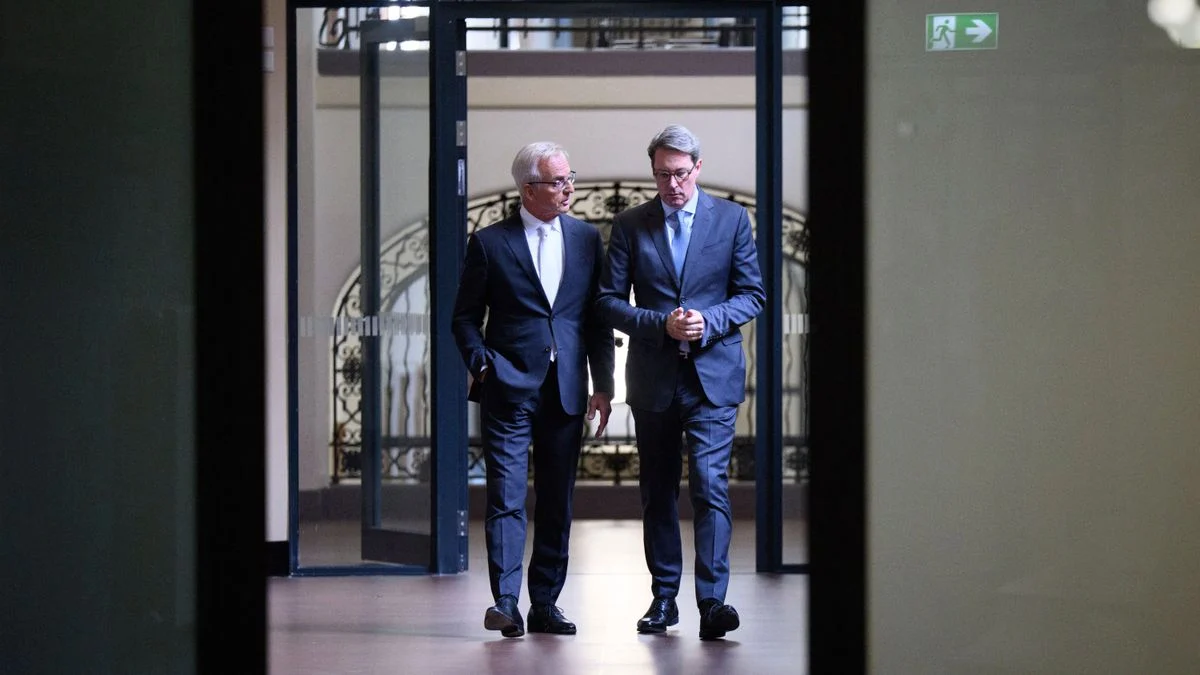
The defense team for Andreas Scheuer maintains that the former minister acted in good faith, believing the toll was legally sound based on initial assessments. They argue that the decision to sign the contracts was a political one, made with the aim of fulfilling a coalition agreement, and that ministerial discretion allows for such calculated risks.
“The minister was working under the assumption that the European Commission would eventually approve the model,” a spokesperson for Scheuer stated. “To characterize political decision-making as a criminal or negligent act sets a dangerous precedent for the executive branch.”
Conversely, the opposition in the Bundestag—including the Greens and the FDP (prior to their current coalition)—has accused Scheuer of "deliberate deception." They argue that the ministry intentionally withheld information from the Budget Committee to prevent them from blocking the contract awards.
Implications: The Long-Term Impact on Governance
The Scheuer case has become a litmus test for ministerial accountability in Germany. It raises profound questions about the “Kultur des Scheiterns” (culture of failure) in German politics.
- Administrative Independence: There is a growing debate about whether the legal department of a ministry should have the power to veto a minister’s political agenda if that agenda carries significant financial or legal risk.
- Transparency in Procurement: The toll disaster has led to calls for more stringent oversight of contract negotiations involving private operators, ensuring that “termination risk” is properly accounted for in the public eye.
- Personal Liability: While German ministers are generally protected by the principle of political responsibility rather than personal liability, this case has pushed the boundaries of what is considered "negligent" behavior. If the court finds that Scheuer ignored expert warnings to serve his own political narrative, it could fundamentally change how future ministers interact with their professional civil service staff.
Conclusion: A Lingering Shadow
As the trial continues, the Pkw-Maut stands as a cautionary tale of hubris. Whether or not Andreas Scheuer is found legally liable for the financial losses, the political damage is irreversible. The case has eroded public trust in the ability of the federal government to manage large-scale infrastructure projects.
For the witnesses and the civil servants involved, the struggle is about preserving the integrity of their roles. They refuse to be painted as disgruntled subordinates seeking revenge; instead, they see themselves as the last line of defense against the misuse of public funds. As the courtroom sessions progress, one thing remains clear: the toll road to nowhere has left a permanent scar on the German political landscape, serving as a reminder that when politics ignores the rule of law and expert advice, the bill is eventually paid by the taxpayer.