The tranquil, sun-drenched facade of Marbella—a playground for Europe’s elite and a sanctuary for the international jet set—has been shattered by a brutal act of violence. On Wednesday, the quiet routine of a private aesthetic surgery clinic was transformed into a crime scene, as a 57-year-old German surgeon was gunned down in an apparent targeted execution. The brazen nature of the attack, occurring in broad daylight within the professional confines of the victim’s own practice, has sent shockwaves through the Costa del Sol.
As investigators race to piece together the events, a significant breakthrough has emerged: Spanish law enforcement authorities confirmed the arrest of an 18-year-old Swedish national suspected of carrying out the fatal shooting. While the suspect is in custody, the motives behind this chilling assassination remain shrouded in mystery, prompting a wide-ranging investigation into the professional and personal life of the victim.
The Anatomy of the Attack: A Professional Execution
The incident unfolded on Wednesday in what local authorities describe as a calculated, cold-blooded operation. According to reports from major Spanish publications including El Mundo, El País, and OK Diario, a lone assailant, his face concealed by a mask, entered the medical facility.
Eyewitnesses and initial police reports indicate that the gunman moved with chilling precision. Without warning, he approached the 57-year-old doctor and discharged his weapon multiple times. Crucially, investigators noted that the shots were directed at the victim’s head, an indication that the assailant intended to ensure a fatal outcome rather than merely intimidate or injure.
Despite the rapid arrival of emergency medical services, the trauma inflicted proved insurmountable. The surgeon succumbed to his injuries at the scene. In the immediate aftermath of the gunfire, the perpetrator fled the clinic. Reports suggest he utilized a motorcycle to make his escape, navigating the narrow streets of Marbella to vanish before police cordons could be established. Law enforcement officials have not ruled out the possibility that the gunman had external support, suggesting that a second individual may have acted as a getaway driver or accomplice during the reconnaissance phase of the attack.
Chronology of a Breaking Investigation
The speed of the Spanish police response has been noted as a significant factor in the swift apprehension of the suspect.
- Wednesday Morning: The shooting occurs at the private clinic in Marbella. Emergency services are alerted, but the victim is declared dead shortly after their arrival.
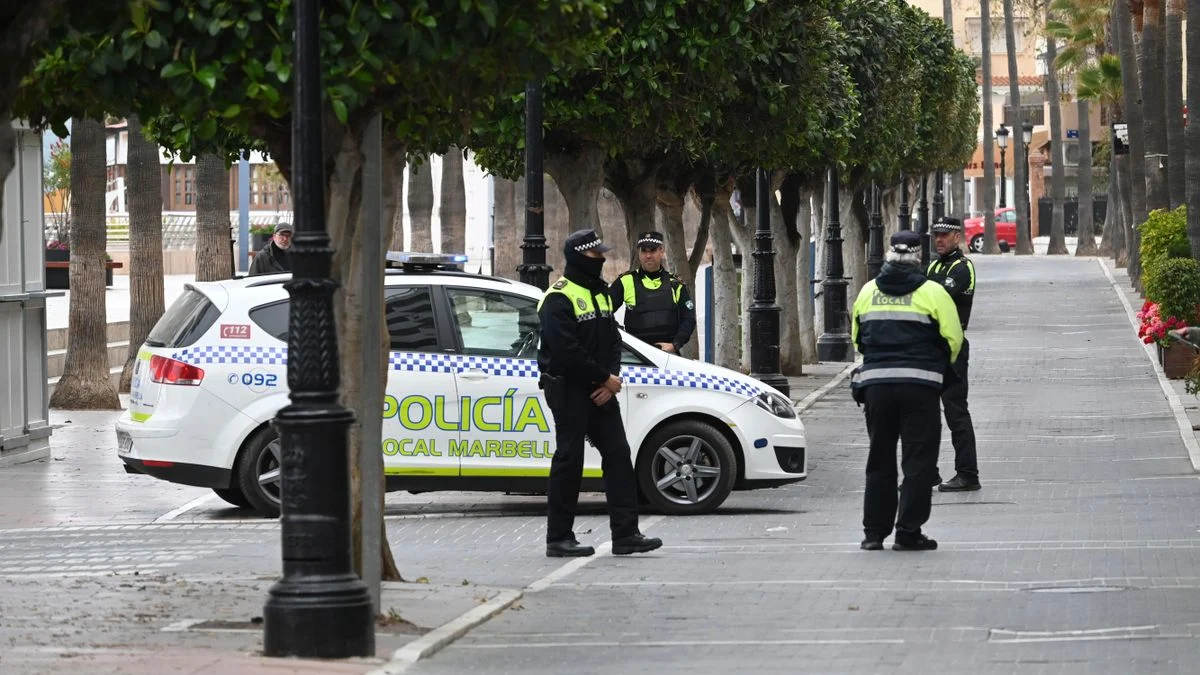
- Wednesday Afternoon: A massive manhunt is launched across the Costa del Sol. Police set up checkpoints and review CCTV footage from the clinic’s vicinity, identifying the getaway route.
- Wednesday Evening: Based on physical evidence and eyewitness descriptions, authorities identify a person of interest.
- Thursday Morning: Spanish media outlets report that an 18-year-old Swedish citizen has been taken into custody. The suspect is currently being held for questioning as investigators attempt to link him definitively to the forensic evidence collected at the scene.
The transition from the crime scene to the interrogation room has been rapid, but the legal complexities of the case are only beginning. The involvement of a foreign national as a suspect has triggered a cross-border exchange of information between Spanish police and Swedish intelligence agencies, as authorities look for links between the young suspect and criminal networks that might have commissioned the hit.
The Victim: A Life Devoted to Aesthetic Excellence
The victim, a 57-year-old German national, was a prominent figure in the specialized field of aesthetic surgery. He had built a reputation for excellence, drawing a high-profile clientele to his Marbella clinic. While the German Foreign Office has confirmed they are in contact with local authorities, they have remained tight-lipped regarding the victim’s identity, citing privacy concerns for the family.
In the medical community of the Costa del Sol, the surgeon was regarded as a professional who operated at the highest level of industry standards. Colleagues expressed shock, describing him as a man focused on his practice. The question now haunting his peers is how a medical professional, seemingly removed from the volatility of street crime, could become the target of such a violent resolution.
Examining the Motives: Professional or Personal?
The core of the police investigation is currently focused on the "why." A targeted attack in a professional setting rarely happens without cause. Investigators are exploring several avenues:
1. The Professional Connection
The police are auditing the surgeon’s patient files and business dealings. In the world of high-end plastic surgery, disputes over results, financial disagreements, or professional jealousy are common, though they rarely escalate to violence. Investigators are looking for any recent "problematic" patients or contractual disputes that could have provided a motive for vengeance.
2. Personal Vendettas
Beyond the clinic, police are investigating the surgeon’s private life. This includes examining his social circle, any recent threats he may have reported, and his financial history. The use of a professional hit-style approach—a masked gunman, a swift getaway, and fatal precision—suggests a level of planning that usually points to more than a simple personal argument.
3. Organized Crime and External Pressure
While authorities have stated there is currently no evidence linking the surgeon to organized criminal activity, the Costa del Sol has historically been a hub for international syndicates. The use of a young, foreign mercenary—a common tactic in contract killings—has led some observers to speculate whether the doctor was inadvertently caught in a dispute involving third parties, such as money laundering or territorial conflict that may have utilized his clinic as a front or a target.
The Implications for Marbella and the Expat Community
The murder has sent a chill through the large expatriate community in Marbella. For decades, the region has been a sanctuary for wealthy Europeans looking for a lifestyle characterized by sun, safety, and exclusivity. However, the recurring reports of violent incidents involving foreign nationals have sparked a heated debate regarding security in the region.
The fact that the suspect is an 18-year-old Swedish national has added a new dimension to the discussion about the "exportation" of crime. Nordic countries have recently struggled with a rise in gang-related violence, and there is growing concern that these criminal structures are extending their reach into the Mediterranean, using Spain as a base for operations or a destination for settling scores.
Official Responses and Public Safety
The Spanish government and local authorities in Marbella are under significant pressure to demonstrate that the region remains safe for residents and tourists. A police spokesperson confirmed that the investigation is a top priority and that additional resources have been deployed to secure the area.
"We are committed to finding everyone involved in this heinous act," the spokesperson stated. "This is not just a murder; it is an attack on the security and the reputation of our community. We will follow the evidence wherever it leads, regardless of the suspect’s nationality."
Legal experts predict that the trial will be a landmark case for the Spanish judicial system, particularly in how it handles international criminal collaboration. If it is proven that the murder was a contract killing, it will necessitate a significant upgrade in how the state monitors the movement of foreign individuals who may be involved in illicit activities.
Looking Ahead: A Community in Mourning
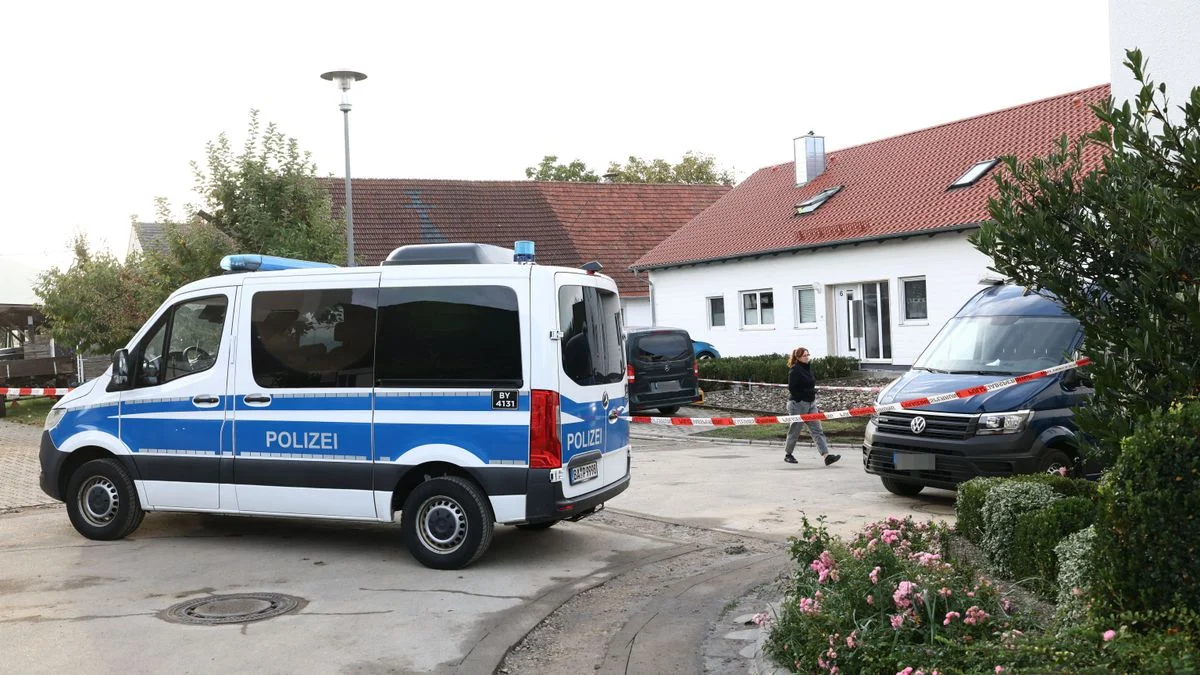
As the investigation continues, the clinic where the tragedy occurred remains closed, draped in police tape. For the local community, the event serves as a grim reminder that even the most affluent and seemingly secure enclaves are not immune to the darkness of human nature.
The German medical community, in particular, is reeling. Organizations are expected to release statements regarding the safety of medical professionals working abroad. Meanwhile, the family of the victim is being supported by the German consulate in Spain, as they wait for the remains to be released for transport back home.
For the investigators, the next 48 hours are critical. The interrogation of the 18-year-old suspect is expected to yield the identity of potential accomplices and, ultimately, the masterminds who ordered the hit. Whether this was a case of a professional rivalry gone wrong or a more sinister entanglement with international criminal syndicates remains to be seen.
One thing is certain: the death of this surgeon has left a void in his field and has fundamentally altered the sense of peace in Marbella. The case stands as a cautionary tale about the complexities of modern life on the Costa del Sol, where the shadows of the criminal underworld are increasingly encroaching upon the sun-drenched streets of the elite. As the legal process begins, the world watches, waiting for answers to the questions that currently haunt the halls of the quiet clinic where a life was so cruelly cut short.