


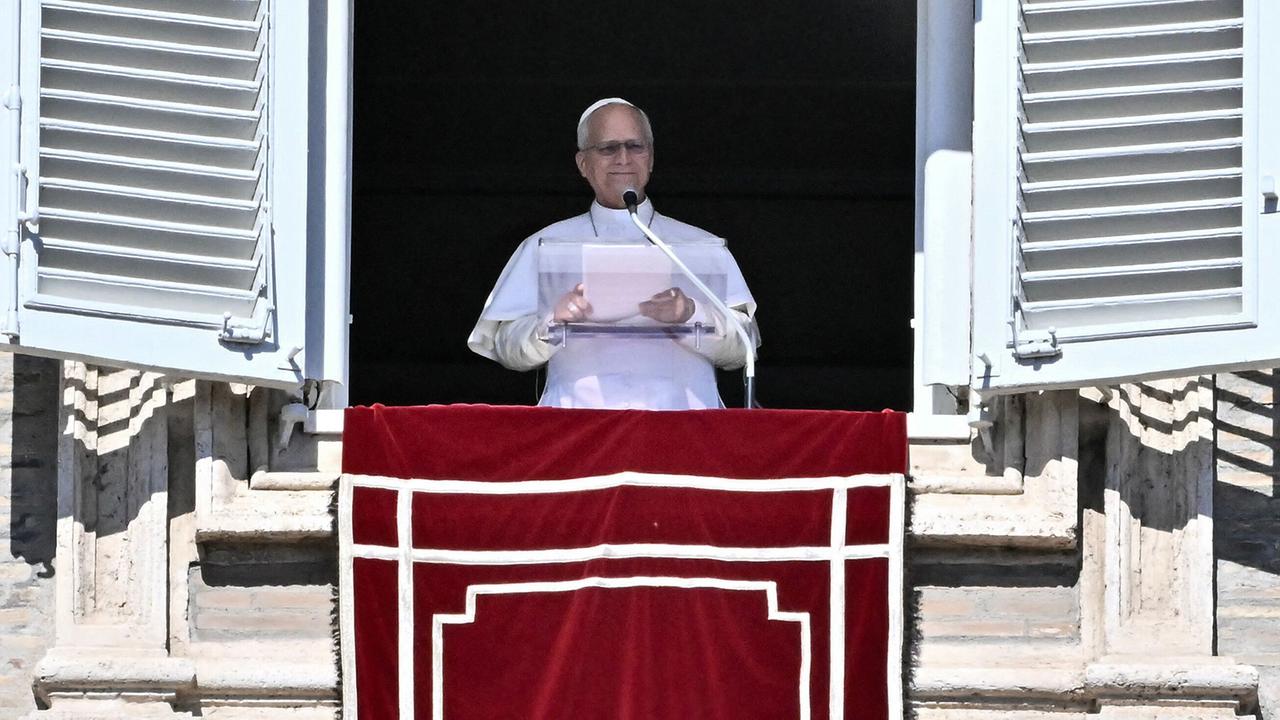
Vatican City – October 11, 2026, 1:22 PM CET – In a development that has sent ripples of concern through the global Catholic community, His Holiness Pope Leo XIV is scheduled to undergo surgery in the coming days to address a nodule discovered in his lung. The announcement, made by the Pontiff himself during his customary Sunday address to the faithful gathered in St. Peter’s Square, has necessitated the postponement of his highly anticipated two-week pastoral visit to South America, originally slated for next month.
While the Vatican has emphasized that the nodule was detected at an "very early stage," the news has cast a shadow over the upcoming papal itinerary and prompted a swift reassessment of the Holy See’s immediate agenda. The surgery, reportedly set to take place at the renowned Gemelli University Hospital in Rome, is expected to require approximately one week for recovery, according to the Holy See’s press office.
The Personal Announcement and Immediate Concerns
Pope Leo XIV, who ascended to the papacy in May of the previous year following the passing of Pope Francis, addressed the faithful with his characteristic calm demeanor. "Brothers and sisters," he stated, his voice carrying across the vast expanse of the square, "in the spirit of transparency and with the trust you have always shown me, I wish to share a personal matter. During a recent medical examination, a small nodule was identified in my lung. Doctors have advised that it be removed, and I have accepted their recommendation."
The 71-year-old Pontiff, known for his robust health and tireless dedication to his ministry, did not elaborate further on the specifics of the nodule, choosing to defer to the medical professionals. However, his willingness to disclose this information directly to the public underscores a commitment to open communication that has become a hallmark of his pontificate.
The Vatican’s Press Office subsequently issued a brief statement confirming the Pope’s upcoming surgery. "His Holiness Pope Leo XIV will undergo a minor surgical procedure to remove a pulmonary nodule," the statement read. "The nodule was discovered during a routine medical check-up and is believed to be in its initial stages. The Holy Father is in good spirits and has the full confidence of his medical team. Recovery is anticipated to take approximately one week, during which time official papal engagements will be adjusted accordingly."
Postponement of Landmark South American Journey
The most immediate and tangible consequence of the Pope’s health development is the postponement of his ambitious South American tour. This journey, meticulously planned for November, was set to be the first major international pastoral visit of Pope Leo XIV’s pontificate and held significant personal importance for him. The itinerary included stops in several nations, with a particular emphasis on Peru, a country where he served as a missionary and bishop for many years before his elevation to the cardinalate and eventual election as Pope.
The South American continent holds deep spiritual and historical resonance for the Catholic Church, and Pope Leo XIV’s visit was eagerly anticipated by millions of faithful across the region. His planned engagement in Peru was expected to highlight the enduring legacy of his pastoral work and foster renewed spiritual engagement. The decision to postpone, while undoubtedly a difficult one, reflects the paramount importance of the Pope’s health and the need for him to fully recover before undertaking such a demanding travel schedule.
"While the postponement of this deeply anticipated journey is regrettable, the health and well-being of His Holiness are of the utmost priority," stated Cardinal Pietro Parolin, the Vatican Secretary of State. "We are working closely with the relevant authorities and dioceses in South America to identify a new timeframe for the Pope’s visit that will allow him to fulfill his pastoral commitments without compromise."
A Look at Pope Leo XIV’s Papacy and Health History
Pope Leo XIV’s papacy, though relatively short thus far, has been marked by a focus on interfaith dialogue, social justice, and a renewed emphasis on the Church’s pastoral mission. His ascension to the papacy in May 2025, at the age of 70, made him one of the younger pontiffs in recent history. This youthfulness, coupled with his evident energy and dedication, had led many to believe he would enjoy a long and vigorous pontificate.
Prior to his election, and since his time as a bishop and later as a Cardinal, Pope Leo XIV has generally been known to be in good health. No significant health concerns had been publicly disclosed until this recent announcement. This makes the discovery of the lung nodule all the more surprising to observers and the wider Catholic public.
Understanding Pulmonary Nodules: Medical Context
Pulmonary nodules, often referred to as lung nodules, are small, round or oval-shaped abnormalities that can be found in the lungs. They are typically detected through imaging tests such as X-rays or CT scans. The size of these nodules can vary, but they are generally considered to be less than three centimeters in diameter.
The causes of pulmonary nodules are diverse and range from benign to malignant. Common benign causes include:
- Infections: Old scars from past infections like tuberculosis or pneumonia can form nodules.
- Inflammatory conditions: Certain inflammatory diseases can lead to the formation of nodules.
- Benign tumors: These are non-cancerous growths that can occur in the lungs.
However, pulmonary nodules can also be an indicator of more serious conditions, including:
- Lung cancer: A nodule can be an early sign of primary lung cancer.
- Metastases: Cancerous cells that have spread from another part of the body to the lungs can form nodules.
Medical professionals typically evaluate the characteristics of a nodule, such as its size, shape, density, and rate of growth, to determine its nature. In many cases, a nodule identified at an early stage, as described by the Pope’s medical team, can be successfully treated or managed. The fact that it was detected during a routine check-up is a positive indicator, suggesting proactive medical care.
Official Responses and Global Reactions
News of the Pope’s impending surgery has elicited a wave of concern and well wishes from religious leaders, government officials, and the faithful worldwide.
Cardinal Timothy Dolan of New York expressed his prayers for the Pope’s swift recovery. "We join our hearts in prayer for His Holiness Pope Leo XIV as he prepares for this necessary surgery," Cardinal Dolan stated. "May the hands of the surgeons be guided by divine wisdom, and may the Holy Father experience a complete and rapid healing. His dedication to the flock is an inspiration to us all."
From the political sphere, many world leaders have extended their support. A spokesperson for the United Nations commented, "The UN family sends its best wishes to Pope Leo XIV for a successful surgery and a full recovery. We value his continued leadership and spiritual guidance on matters of global peace and human dignity."
The Catholic faithful, in particular, have responded with an outpouring of prayers and messages of solidarity. Social media platforms have been flooded with hashtags such as #PrayForPopeLeoXIV and #GetWellSoonHolyFather, reflecting the deep affection and respect the Pontiff commands.
Implications for the Holy See and Future Papal Engagements
The postponement of the South American tour, while a temporary setback, highlights the logistical complexities and delicate balance the Vatican must maintain when managing the Pope’s health. The Holy See is now tasked with rescheduling a significant international visit, which involves extensive coordination with multiple governments, dioceses, and security arrangements.
Furthermore, this event underscores the inherent vulnerability of any human leader, even one entrusted with such profound spiritual authority. The Catholic Church, with its global reach and influence, relies heavily on the visible presence and leadership of the Pope. Any disruption to his health, therefore, has far-reaching implications.
The Vatican’s commitment to transparency in this matter is crucial for maintaining the trust and confidence of the faithful. By sharing the news directly and providing regular updates, the Holy See aims to mitigate potential anxieties and ensure that the focus remains on the Pope’s recovery and his eventual return to full capacity.
Looking ahead, the Holy See will likely continue to monitor the Pope’s health closely, with a renewed emphasis on ensuring he does not overexert himself, especially as he prepares for future international engagements. The success of the surgery and his subsequent recovery will be keenly observed, with hopes that he will soon be able to resume his vital pastoral duties and continue his impactful pontificate. The immediate focus, however, remains on wishing Pope Leo XIV strength and a swift return to health.


