


Madrid, Spain – October 7, 2026 – The woman whose plight ignited a nationwide movement against Spain’s escalating housing crisis, 87-year-old Maricarmen Abascal, has passed away. The tenant association announced her death today, marking a somber conclusion to a story that has deeply resonated across the nation and highlighted the devastating human cost of Spain’s ongoing struggle with affordable housing. Abascal’s forced eviction from her Madrid apartment, a home she had occupied for over seven decades, became a potent symbol of the systemic issues plaguing the Spanish housing market, triggering widespread protests and political upheaval.
Abascal’s final days were marked by a bittersweet resolution. While a settlement was reached that would have allowed her to avoid further displacement, the agreement arrived too late to reverse the toll the ordeal had taken on her health. Her passing underscores the urgency and the profound social impact of the housing affordability crisis that has gripped Spain, driving up rents and forcing long-term residents out of their communities.
The Unfolding Tragedy: A Life Displaced
The story of Maricarmen Abascal is a stark illustration of the challenges faced by many Spanish citizens in the current economic climate. For over 70 years, Abascal had been a resident of her Madrid apartment, a testament to stability and community. However, this long-standing security was shattered when a new investor acquired the property and, according to tenant advocacy groups, dramatically increased her rent. The proposed rent hike, reportedly a staggering 275% increase to €2,650 per month, rendered the cost of living in her own home unaffordable.
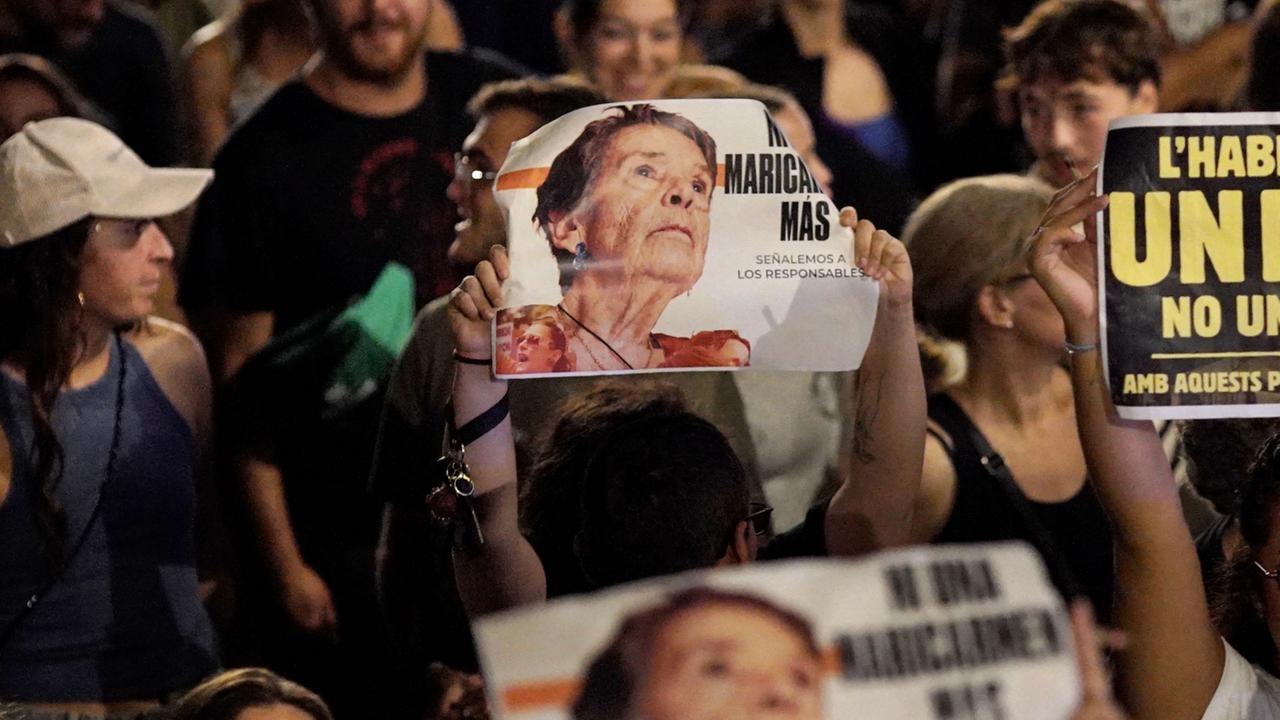
The forced eviction itself was a traumatic event, captured in widely circulated images of the elderly woman being carried out of her apartment on a stretcher. The physical and emotional strain of the process led to her hospitalization due to exhaustion. This dramatic incident served as a catalyst, galvanizing public anger and drawing international attention to the severity of Spain’s housing crisis. The slogan "We are all Maricarmen" became a rallying cry for protesters across the country, demonstrating a collective empathy and a shared concern for the vulnerability of citizens facing similar prediculations.
A Timeline of Crisis and Contention
The events surrounding Maricarmen Abascal’s eviction and subsequent passing unfold against a backdrop of growing social unrest and political maneuvering. The timeline of this unfolding tragedy highlights the slow pace of legislative action in the face of escalating human distress:
- Early 2026: Reports emerge of significant rent increases by new property investors in Madrid and other major Spanish cities, impacting long-term residents.
- Mid-2026: Maricarmen Abascal’s landlord, reportedly an investor, initiates proceedings to significantly raise her rent, making her continued tenancy financially untenable.
- Late Summer 2026: Facing an insurmountable rent increase, Abascal is subjected to a forced eviction from her lifelong home in Madrid. Images of her being carried out on a stretcher spark widespread outrage.
- Early Autumn 2026 (Weeks preceding her death): Following her hospitalization, tenant associations and concerned citizens engage in intense negotiations with the investor and relevant authorities. A settlement is eventually reached, offering a potential resolution to Abascal’s housing situation.
- October 7, 2026: The tenant association announces the passing of Maricarmen Abascal, confirming that the resolution, while a gesture of goodwill, arrived too late to prevent the tragic outcome. Her death is attributed to the severe stress and exhaustion caused by the eviction process.
- October 7, 2026 (Evening): News of Abascal’s death reverberates across Spain, intensifying national mourning and renewing calls for immediate and effective housing reforms.
Supporting Data: The Broader Housing Landscape
Maricarmen Abascal’s personal ordeal is not an isolated incident but a symptom of a much larger and deeply entrenched housing crisis affecting Spain. Several key indicators paint a stark picture of the nation’s affordability challenges:
- Soaring Rental Prices: According to various housing market analyses, average rental prices in major Spanish cities like Madrid and Barcelona have seen double-digit percentage increases year-on-year for the past several years. This surge outpaces wage growth for a significant portion of the population.
- Limited Housing Stock: A persistent shortage of affordable housing, particularly in urban centers, exacerbates the problem. Decades of underinvestment in social housing and the increasing conversion of residential properties into short-term tourist rentals have contributed to this scarcity.
- Vulnerability of Elderly and Low-Income Households: Abascal’s case highlights the particular vulnerability of elderly individuals and low-income families who often lack the financial buffer to absorb sudden rent increases or the resources to relocate to more affordable areas. Their long-term ties to communities are often severed by market forces beyond their control.
- Impact of Foreign Investment: The influx of foreign investment in the Spanish real estate market, while contributing to economic activity, has also been cited as a driver of rising property values and rental costs, sometimes displacing local residents.
- Legislative Lag: Despite growing public pressure, legislative efforts to effectively curb rent increases and promote affordable housing have faced significant hurdles, often getting bogged down in political disagreements and facing legal challenges.
The data consistently demonstrates that the situation Abascal found herself in is not an anomaly but a recurring pattern for many Spaniards struggling to find and maintain secure and affordable housing.
Official Responses and Political Ramifications
The widespread public outcry following Maricarmen Abascal’s forced eviction compelled a response from the highest levels of the Spanish government. Prime Minister Pedro Sánchez, leading a minority socialist government, acknowledged the severity of the housing crisis and its impact on citizens like Abascal.
In the immediate aftermath of the protests, Sánchez’s government intensified efforts to push through legislative proposals aimed at addressing the housing crisis. These proposed measures reportedly included measures to cap rent increases in high-demand areas, incentives for developers to build more affordable housing, and stronger protections for tenants against arbitrary evictions. However, the government’s minority status meant that securing a parliamentary majority for these initiatives proved to be a formidable challenge.
The inability to pass significant housing reform legislation in a timely manner, coupled with the ongoing economic pressures on households, led to a significant political fallout. In a move that surprised many, Prime Minister Sánchez announced snap general elections for late November 2026. This decision was widely interpreted as a response to the growing public dissatisfaction with the government’s handling of the housing crisis and other socio-economic issues.
Current opinion polls at the time of reporting indicate a lead for the opposition conservative People’s Party (PP) and the far-right Vox party. The outcome of these elections carries significant implications for the future direction of Spain’s housing policy, with different parties offering vastly different approaches to tackling the complex challenges. The tragic story of Maricarmen Abascal has undeniably become a central theme in the political discourse leading up to these crucial elections.
Broader Implications: A Nation at a Crossroads
The passing of Maricarmen Abascal represents more than the loss of an individual; it signifies a poignant moment in Spain’s ongoing struggle with its housing crisis. Her story has amplified the voices of countless others facing similar predicaments, forcing a national reckoning with the social consequences of economic policies and market dynamics.
The intense public reaction underscores a growing societal demand for greater housing security and affordability. The slogan "We are all Maricarmen" speaks to a collective recognition that the issue transcends individual circumstances and touches upon fundamental rights and the well-being of communities.
The political repercussions are also significant. The government’s decision to call early elections highlights the pressure it faces to demonstrate tangible progress on issues of public concern. The housing crisis, once a background concern, has now been thrust into the forefront of the national political agenda, shaping electoral campaigns and influencing voter sentiment.
Moving forward, Spain faces a critical juncture. The challenge lies in translating the widespread public outcry and the symbolic tragedy of Maricarmen Abascal’s story into concrete, effective, and sustainable housing policies. Whether through legislative reform, increased investment in social housing, or other innovative solutions, the nation must grapple with how to ensure that the fundamental human need for shelter does not become an insurmountable barrier for its citizens. The legacy of Maricarmen Abascal will undoubtedly serve as a constant reminder of the human cost of inaction and the urgent need for a more equitable and secure housing future for all Spaniards.


