


Eurovision Song Contest Plagued by Political Discord: Five Nations Boycott Amidst Gaza Conflict and Accusations of Manipulation
Vienna, Austria – May 12, 2026 – The glittering spectacle of the Eurovision Song Contest (ESC), typically a celebration of musical diversity and European unity, finds itself overshadowed by profound political tensions this year. Five participating nations – the Netherlands, Spain, Slovenia, Iceland, and Ireland – have announced their withdrawal from the 2026 competition, citing their strong objections to Israel’s ongoing military operations in the Gaza Strip and allegations of political manipulation surrounding Israel’s participation. This boycott not only fractures the Eurovision family but also mirrors and amplifies deep divisions within the European Union regarding its approach to the Israeli-Palestinian conflict.
The decision by these nations marks a significant departure from the ESC’s long-standing tradition of remaining apolitical. While the contest has occasionally been a platform for subtle political messaging, this year’s widespread boycott signals a stark refusal to separate artistic performance from current geopolitical realities. The ramifications extend beyond the stage, prompting urgent debates across the continent about the role of culture in diplomacy and the EU’s capacity to forge a unified foreign policy.
The Unfolding Crisis: A Political Divide on the Eurovision Stage
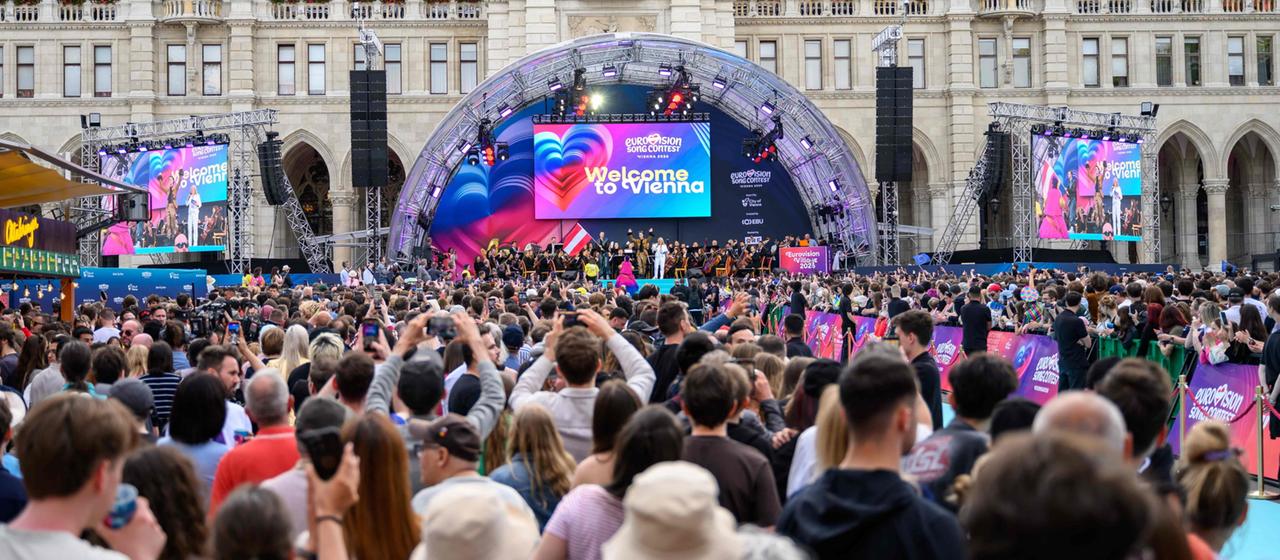
The Eurovision Song Contest, a beloved annual event that captivates millions across Europe and beyond, has been thrust into an unprecedented political maelstrom. The decision by five nations to boycott the 2026 edition, scheduled to be held in Vienna, Austria, has sent shockwaves through the continent, highlighting the growing chasm between cultural celebration and the harsh realities of international conflict.
The core of the controversy lies in the participation of Israel, a regular and often successful contender in the competition. Critics argue that allowing Israel to compete, given the ongoing humanitarian crisis and widespread international condemnation of its military actions in Gaza, is untenable and morally reprehensible. This sentiment has resonated deeply in several European countries, leading to the collective decision to withdraw.
The Netherlands: A Nation Divided
In the Netherlands, a nation with a rich history in the ESC and a proud record of five victories, the boycott has ignited a fierce public debate. Current polling indicates a near 50/50 split in public opinion, underscoring the deep divisions within Dutch society. The national broadcaster, NPO, through its member organization Avrotros, which is typically responsible for organizing and broadcasting the ESC, has found itself at the center of this contentious decision.
Taco Zimmermann, the director of Avrotros, expressed profound regret over the boycott. "It is terribly sad," he stated, "we are all losers." Zimmermann articulated the internal conflict: "On the one hand, we want to celebrate peace with Europe and enjoy a magnificent festival. But that is being sabotaged." He further elaborated that the current context renders the event incompatible with their values, leaving them with no other recourse.
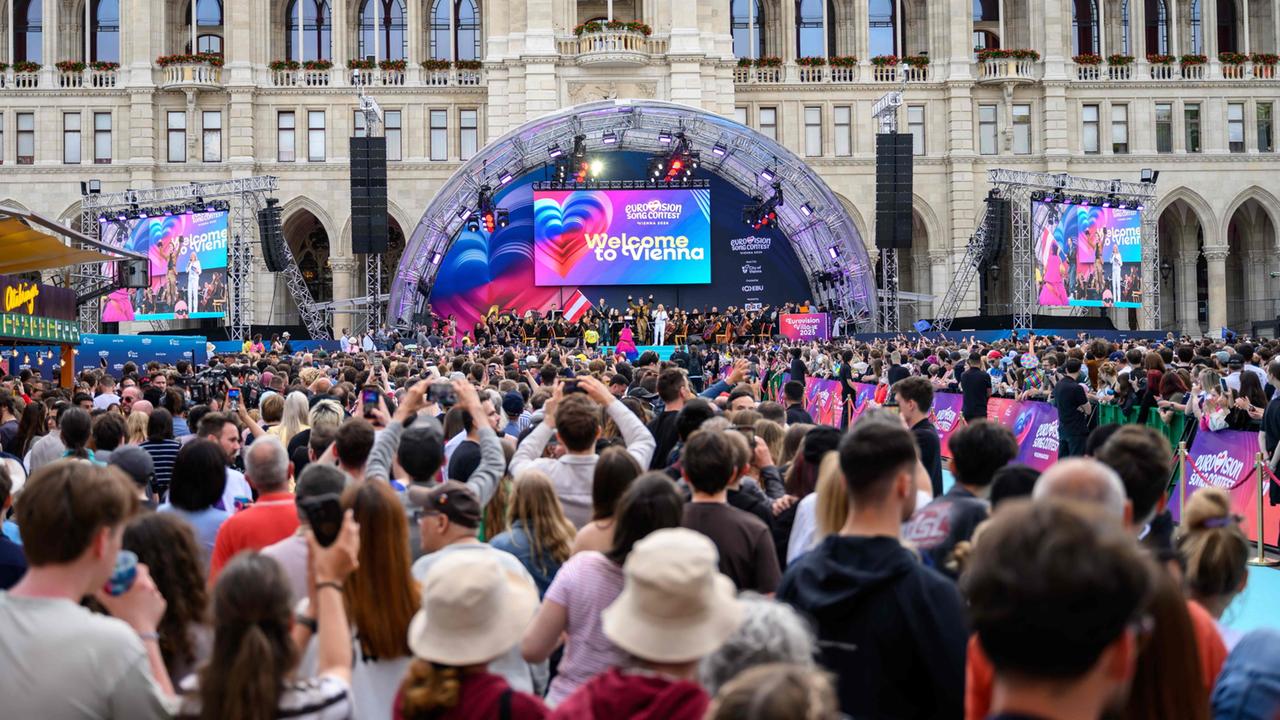
The argument that the ESC cannot be decoupled from politics is a prevailing sentiment among those supporting the boycott. They contend that to ignore the geopolitical situation would be to implicitly endorse it. Conversely, a significant portion of the population believes that the artists, who have worked tirelessly for their participation, should not be penalized for the political actions of their governments. This fundamental disagreement showcases the complex interplay between art, identity, and political responsibility.
Two Pillars of the Boycott: Gaza and Allegations of Manipulation
The decision to abstain from the Eurovision Song Contest is not a monolithic one but rather rooted in two primary concerns that have coalesced to form a formidable opposition.
1. Condemnation of Israeli Actions in Gaza:
The most prominent and widely cited reason for the boycott is the visceral opposition to the Israeli government’s military campaign in the Gaza Strip. The scale of the humanitarian crisis, the high civilian casualty rate, and the widespread international criticism leveled against Israel’s conduct have created an environment where participation in a celebratory, pan-European event feels deeply inappropriate to many. For these nations, remaining silent or proceeding as usual would be tantamount to tacit approval of actions they deem to be in violation of international law and fundamental human rights.
2. Accusations of Political Interference and Undue Influence:
Beyond the immediate humanitarian concerns, a significant contributing factor to the boycott is the lingering shadow of past allegations. Specifically, there are accusations that the Israeli government, during the previous ESC held in Switzerland, financed a campaign to promote its own artist. This was widely perceived as an attempt to unfairly influence the outcome of the competition, blurring the lines between artistic merit and state-sponsored political maneuvering.
In response to such concerns, the European Broadcasting Union (EBU), the organizer of the ESC, had purportedly adjusted its rules for the current year. However, for the boycotting nations, these adjustments have proven insufficient to allay their fundamental reservations. The perceived lack of a robust and transparent mechanism to prevent political interference, coupled with the ongoing conflict in Gaza, has solidified their resolve.
This dual rationale underpins the withdrawal of Spain, Slovenia, Iceland, and Ireland, aligning them with the Netherlands in a united front against Israel’s participation.
A Divided Continent: Voices of Dissent and Support
While these five nations have chosen to withdraw, a substantial majority of 35 participating nations are proceeding with the competition. This stark contrast highlights the deep divisions across the continent. German Chancellor Friedrich Merz, representing a nation that has historically maintained strong ties with Israel, voiced his strong disapproval of the boycott, calling it a "scandal" and asserting, "Israel belongs to it." This sentiment reflects a segment of European leadership that prioritizes inclusivity and seeks to maintain cultural bridges even amidst political turmoil.
The ongoing debate surrounding Israel’s participation in the ESC is not an isolated incident but rather a potent microcosm of broader political disagreements within the European Union. The conflict in the Middle East has consistently challenged the EU’s ability to articulate and implement a cohesive foreign policy.
A Symbol for the EU: Navigating the Complexities of "Israel Policy"
The ESC controversy serves as a potent symbol for the ongoing, often fractious, debates within the European Union concerning its "Israel policy." Daniel Gerlach, a seasoned Middle East expert, highlighted this parallel in a recent edition of the ARD Europa podcast, "punkt EU." He observed that while the EU aspires to a unified approach toward the Middle East and universally supports the concept of Palestinian statehood, the practical implementation of such policies reveals a "very disparate picture."
The EU has recently managed to agree on common sanctions against certain violent Israeli settlers, a move that, while incremental, signifies a rare moment of consensus. However, for many, these measures fall far short of what is necessary. Nations like Belgium are actively pursuing an import ban on products originating from Israeli settlements in the West Bank. Similarly, both the Netherlands and Italy have suspended military cooperation with Israel, signaling a hardening of their stance.
More assertive measures are being advocated by Spain, Ireland, and Slovenia, who are calling for the suspension of the EU-Israel Association Agreement. This agreement currently grants Israel preferential market access to the EU, making the Union its most significant trading partner. The push for its suspension underscores a desire for more significant leverage in influencing Israeli policy.
Unity Undermined: Disagreement Weakens Political Clout
The European Union’s efforts to adopt a more stringent approach toward the Israeli government are repeatedly hampered by a lack of unanimity among its 27 member states. This internal division, as Gerlach points out, is "curious," with each nation often pursuing its own distinct argumentative path and deriving its own policy from it. This fragmentation, he argues, ultimately diminishes the EU’s standing and influence in navigating the multifaceted conflicts of the Middle East.
The parallel between the political fault lines in major policy arenas and those playing out on the grand stage of the Eurovision Song Contest is striking. As the Middle East expert notes, the boycott by a significant economic player like Spain could ultimately prove detrimental to a major European institution – the EBU, the organizer of the ESC. This highlights how cultural and political spheres are increasingly intertwined, with economic and diplomatic decisions having tangible impacts on the future of international cultural events. The 2026 Eurovision Song Contest, therefore, stands not just as a competition of songs, but as a stark reflection of Europe’s own internal political divisions and its struggle to forge a unified voice on the world stage.


Leave a Reply