


Warsaw, Poland – October 10, 2026 – A chilling series of knife attacks on schools across Poland has sent shockwaves through the nation, shattering a perception of relative safety and igniting widespread concern among parents, educators, and authorities. The latest incident, which occurred this Thursday, resulted in the deaths of two individuals and injured several others, marking a grim escalation in a trend that has gripped the country in recent days. As authorities scramble to understand and address this disturbing phenomenon, the nation is left to confront the unsettling reality of school violence, a threat previously considered more prevalent in Western nations and North America.
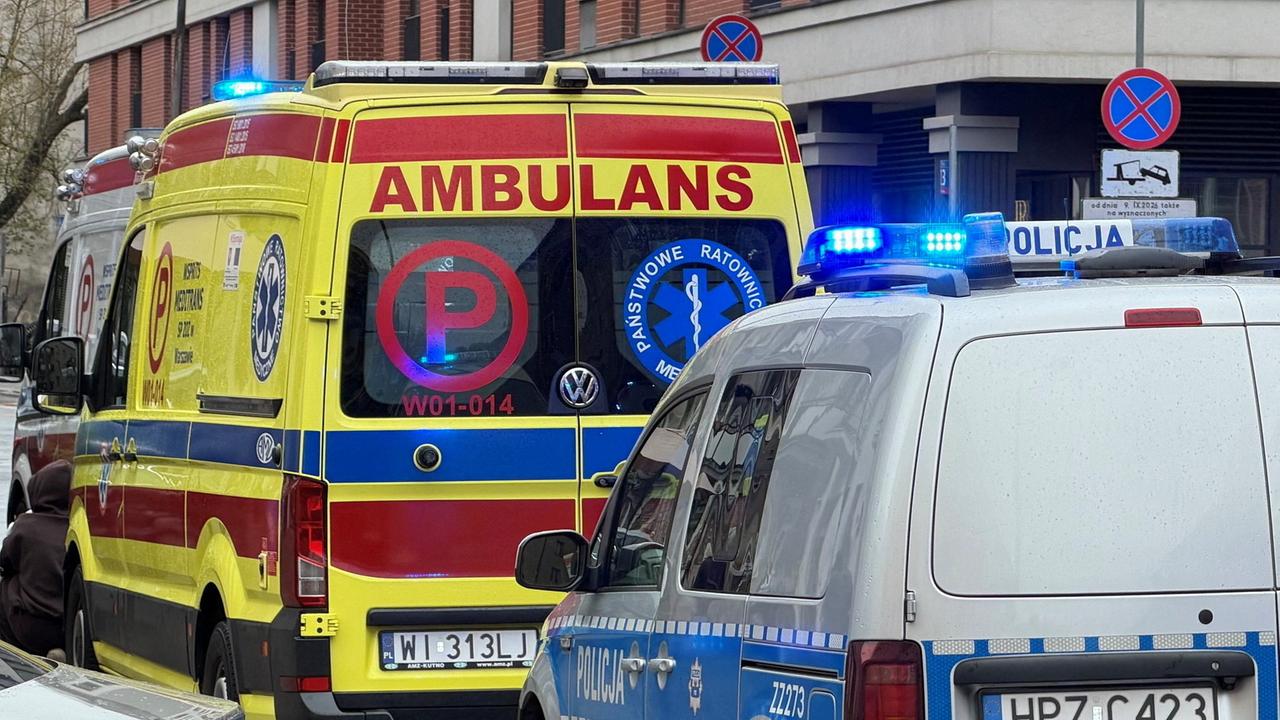
The most recent attack unfolded at a school catering to both adolescents and adults in Warsaw. According to police reports, a 21-year-old female student allegedly entered the school’s secretariat and attacked three young women who were present to submit documents. A quick-thinking school employee managed to disarm the assailant, securing the knife before handing the suspect over to the responding law enforcement officers. While the motive behind this latest act of violence remains unclear, preliminary investigations indicate that the suspect and her victims were not known to each other, adding another layer of mystery to the unfolding crisis.
This latest incident follows a series of alarming attacks that have shaken Poland’s educational institutions. Just days prior, on Thursday, a 15-year-old perpetrator unleashed a knife attack at a school in Leszczydol-Nowiny, approximately 70 kilometers northeast of Warsaw. This brutal assault tragically claimed the life of the school’s caretaker and left two other individuals injured. Prime Minister Donald Tusk revealed a disturbing detail about this attack: the assailant was reportedly wearing a helmet equipped with a camera, suggesting a premeditated intention to record and potentially disseminate the violent act.
Adding to the growing unease, the day before the Leszczydol-Nowiny incident, a 19-year-old individual armed with a knife injured nine people, two of them critically, at a vocational school in Ostroleka, located about 100 kilometers north of Warsaw. While the motives behind these individual acts of violence are still under investigation, police have stated that there is currently no evidence suggesting a direct link between the most recent Warsaw attack and the previous incidents in Leszczydol-Nowiny and Ostroleka. However, the sheer proximity in time and the targeting of educational institutions have fueled widespread speculation and anxiety.
A Chronology of Escalating Violence: Unraveling the Pattern
The emergence of this violent trend has been swift and deeply unsettling. What began as isolated incidents has rapidly coalesced into a pattern that is forcing Poland to confront a new and unwelcome reality.
- Wednesday, October 7, 2026: A 19-year-old attacker injures nine people, two severely, at a vocational school in Ostroleka. The motive remains under investigation.
- Thursday, October 8, 2026: A 15-year-old assailant carries out a knife attack at a school in Leszczydol-Nowiny. The school caretaker is killed, and two other individuals are injured. Prime Minister Donald Tusk reveals the attacker wore a helmet with a camera, indicating a possible intent to record the event.
- Thursday, October 8, 2026 (later in the day): Another school attack occurs in Warsaw, where a 21-year-old female student allegedly stabs three young women in the school’s secretariat. The attacker is apprehended by school staff and handed over to the police. The victims sustained injuries, with one 17-year-old requiring hospitalization.
This rapid succession of attacks has created a palpable sense of fear and insecurity within Polish communities. The psychological impact on students, teachers, and parents is immense, as the safe haven of schools has been breached by acts of shocking brutality.
The Digital Undercurrent: Investigating Online Threats and Suspects
The investigation into these attacks is proving to be a complex undertaking, extending beyond the immediate crime scenes to the murky depths of the internet. Law enforcement agencies are meticulously examining online communications, including threats, announcements, photographs, and videos, many of which appear to have been posted by teenagers. This digital footprint suggests a potential undercurrent of online radicalization or communication that may have contributed to the planning or inspiration of these violent acts.
According to police spokespersons, the scale of this online activity is significant. As of the latest reports, authorities have identified 231 suspected cases of online threats and communication related to school violence. In response to this, a total of 76 individuals have been arrested in connection with these investigations. This proactive approach underscores the authorities’ commitment to not only apprehending perpetrators but also to preventing future attacks by disrupting any potential networks or communication channels that may be fostering such violence.
The focus on online activity highlights a modern dimension of school violence, where digital platforms can be used to disseminate extremist ideologies, glorify violence, or even coordinate attacks. The sheer volume of suspected cases indicates a widespread problem that requires a multi-faceted approach, involving not only traditional policing but also digital forensics and cybercrime units.
Official Responses: Reassurance and Heightened Security Measures
In the wake of the escalating violence, Polish authorities have been working to reassure the public while simultaneously implementing measures to enhance school safety. The government has acknowledged the gravity of the situation and pledged to take decisive action to protect its citizens, particularly its youth.
Prime Minister Donald Tusk has been a vocal proponent of addressing the issue, emphasizing the need for swift and effective responses. His public statements have aimed to convey a sense of control and determination in the face of the unfolding crisis. The government has also been in close contact with educational institutions to assess their security protocols and provide guidance on best practices.
The Ministry of Education has reported that nearly 60 schools across Poland were temporarily closed on Friday, October 9th. This decision, while disruptive, was made out of an abundance of caution to allow for a thorough review of security measures and to prevent any further immediate threats. Many other schools have significantly tightened their entry controls, implementing stricter protocols for visitors and ensuring that only authorized personnel gain access to school premises. These enhanced security measures are intended to create a more secure environment for students and staff and to deter potential attackers.
The police force has been working tirelessly to investigate each incident, gather evidence, and apprehend those responsible. The emphasis on identifying and dismantling any potential online networks involved in the propagation of violent messages is a critical component of their strategy. Furthermore, the government is reportedly exploring long-term solutions to address the root causes of school violence, which may include mental health support for students, educational programs on conflict resolution, and initiatives to foster a more positive school climate.
Broader Implications: A Nation Confronting a New Reality
The series of school knife attacks in Poland carries profound implications for the nation’s social fabric and its perception of safety. For decades, Poland, like many Central and Eastern European countries, has been spared the widespread school violence that has plagued other parts of the world. This relative peace contributed to a sense of security that is now being severely tested.
The attacks have ignited a national conversation about the underlying causes of such violence. While the immediate focus is on apprehending perpetrators and enhancing security, deeper questions are being raised about societal factors that might contribute to youth aggression and violence. These could include issues related to mental health, social isolation, the influence of media and online content, and pressures faced by young people in an increasingly complex world.
The economic impact, while not yet fully quantified, is also a consideration. Increased security measures, potential school closures, and the psychological toll on the workforce could have ripple effects. Furthermore, the international perception of Poland’s safety and stability could be affected, particularly if the trend continues or if links to broader extremist ideologies are established.
The events have also highlighted the interconnectedness of online and offline realities. The use of the internet to document or potentially plan attacks underscores the need for a holistic approach to security that addresses both physical and digital threats. This necessitates collaboration between law enforcement, educational institutions, technology companies, and parents to create a safer environment for young people.
As Poland navigates this challenging period, the resilience and determination of its people will be crucial. The nation is being forced to confront a new and disturbing reality, one that demands a comprehensive and compassionate response. The focus must remain not only on immediate security but also on understanding and addressing the complex factors that contribute to such acts of violence, ensuring that the safety and well-being of its students are paramount. The coming weeks and months will be critical in determining how Poland adapts to this new landscape of threat and in reaffirming its commitment to a secure future for its schools and its children.


