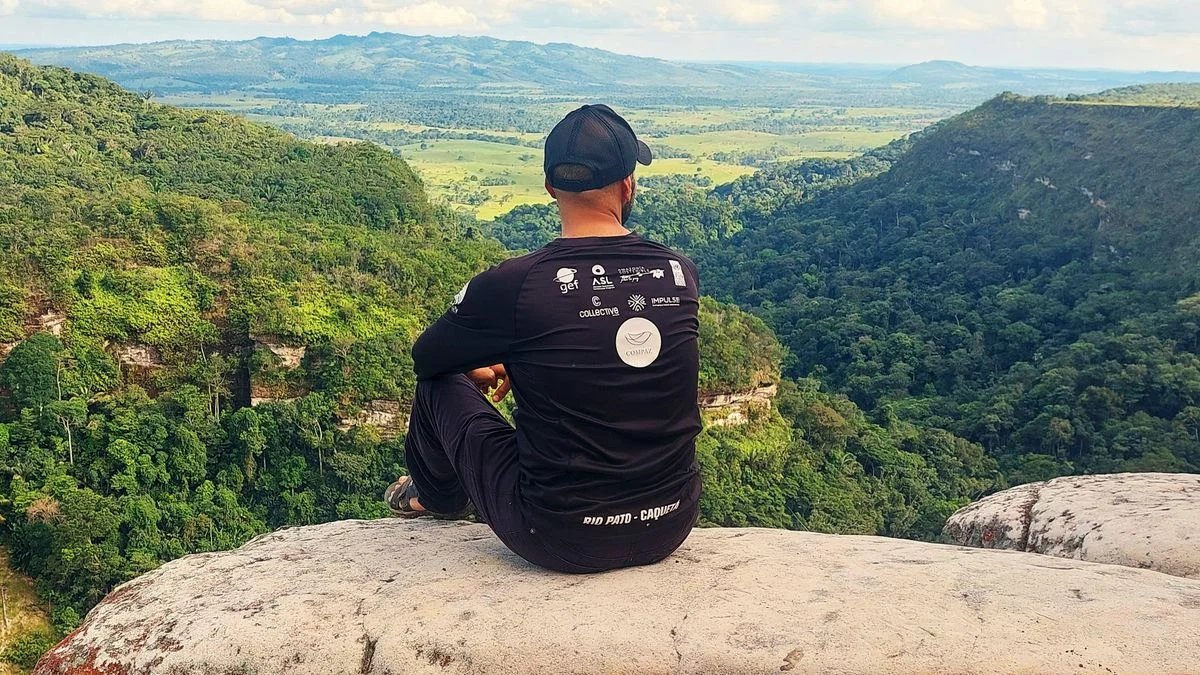
The verdant, mist-covered canopies of the Guaviare department in Colombia, once a terrifying stronghold for the Revolutionary Armed Forces of Colombia (FARC), are undergoing a surreal metamorphosis. Where AK-47s once rattled and kidnappings were a staple of the regional economy, former combatants are now brandishing binoculars and trekking poles, welcoming international tourists to experience the untamed beauty of the Amazonian transition zone. This pivot from guerrilla warfare to community-led ecotourism represents one of the most complex and fascinating socio-political experiments in modern Latin American history.
Main Facts: A New Frontline for Peace
The transition of former FARC members into tourism entrepreneurs is not merely a hobby; it is a fundamental pillar of the 2016 Peace Agreement between the Colombian government and the insurgency. Following the demobilization of thousands of fighters, the challenge of reintegration loomed large. Many ex-combatants, having spent their entire adult lives in the jungle, found themselves without civilian skills or economic prospects.
The initiative, largely localized in areas like Meta and Guaviare, focuses on "peace tourism." By transforming former hideouts and strategic guerrilla corridors into nature trails, bird-watching sites, and community-run lodges, these former militants are attempting to reclaim the narrative of the regions they once held captive. The projects are frequently supported by NGOs, international aid agencies, and the Colombian government’s Agency for Reintegration and Normalization (ARN), aimed at turning the "Red Zones"—once no-go areas for civilians—into sustainable economic hubs.
Chronology: From Conflict to Canopy
2016: The Signing of the Accord
The Havana Peace Agreement was signed, officially ending over five decades of armed conflict. The immediate priority was the disarmament and cantonment of approximately 7,000 to 13,000 FARC combatants into Territorial Areas for Training and Reintegration (TATR).
2017–2019: The Seeds of Change
In regions like the Sierra de la Macarena, former rebels began to organize cooperatives. They realized that their intimate knowledge of the impenetrable jungle—once used to evade the Colombian military—was an invaluable asset for navigating the wilderness. The first "peace routes" were mapped, focusing on remote waterfalls and rare wildlife sightings.
2020–2022: The Post-Pandemic Push
Despite the global downturn in tourism due to COVID-19, interest in "off-the-beaten-path" travel surged. Colombia’s tourism board began cautiously marketing regions previously considered dangerous. Ex-combatants started formal training in English, hospitality, and ecological conservation, transitioning from soldiers to guides.
2023–2024: Scaling the Model
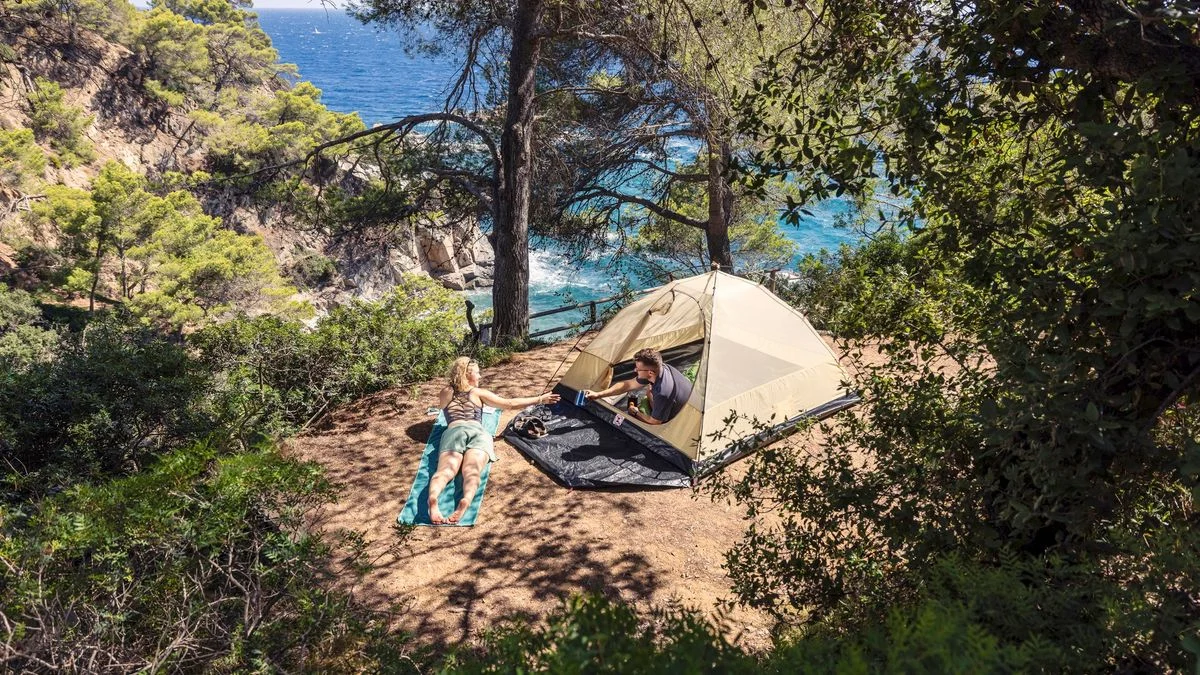
Today, several collective projects have reached a level of maturity where they host international delegations and adventure travelers. The model has expanded from simple hiking tours to complex eco-lodges that prioritize environmental conservation as a method of protecting the land from illegal gold mining and coca cultivation.
Supporting Data: The Economics of Reconciliation
The economic viability of these ventures is supported by both public and private investment. According to data from the Colombian Ministry of Commerce, Industry, and Tourism, the "Peace Tourism" sector has contributed to a 15% increase in regional economic activity in post-conflict zones.
- Direct Employment: Approximately 1,200 ex-combatants are now formally employed in tourism-related roles across the country.
- Environmental Impact: By providing an alternative income stream, these projects have successfully deterred illegal logging and poaching in over 50,000 hectares of protected land.
- Safety Trends: While some regions remain volatile due to FARC dissident groups, the specific "Peace Route" zones have reported a 90% reduction in kidnapping and violent crime since the inception of the tourism cooperatives.
However, the financial sustainability remains fragile. Most cooperatives operate on razor-thin margins, often requiring constant influxes of international aid to maintain infrastructure and marketing budgets. The dependency on foreign donors is a significant vulnerability in the long-term outlook for these enterprises.
Official Responses and Stakeholder Perspectives
The reception of these projects has been polarized.
The Colombian Government: Government officials, particularly those within the ARN, champion these projects as the "gold standard" for successful reintegration. They argue that the projects fulfill the state’s obligation to provide economic alternatives to re-armament. "Every tourist we welcome is a sign that the cycle of violence is truly broken," noted a representative from the Ministry of Tourism in a recent briefing.
Victims’ Advocacy Groups: Not all stakeholders are supportive. Many families of kidnapping victims or those displaced by the FARC have expressed profound discomfort with the romanticization of the jungle areas where their loved ones suffered. There is a palpable tension between the narrative of "reconciliation through tourism" and the demand for justice and accountability. Critics argue that the rebranding of these areas may overlook the historical trauma embedded in the soil.
The Ex-Combatants: For the former fighters themselves, the response is one of cautious optimism. Many express that tourism provides not just an income, but a sense of purpose. As one former commander now leading a bird-watching collective stated: "I spent 20 years hiding in these trees to avoid being seen. Now, I spend my days teaching people how to look for the things hidden within them. It is a profound change in perspective."
Implications: The Risks and the Rewards
The implications of this movement are far-reaching, both for Colombia and for other nations struggling with post-conflict transitions.
The Security Dilemma
The most pressing implication is security. These tourism projects often exist in a power vacuum. While the FARC signed a peace deal, dissident factions and other criminal groups (such as the ELN or the Gulf Clan) continue to operate in the shadows of the jungle. Tourists entering these regions are effectively entering a space where the state’s authority is tenuous. The kidnapping of a tourist would be a catastrophic blow to the entire movement, potentially setting back years of diplomatic and social progress.
The Challenge of Sustainability
The "ex-guerrilla" label is a double-edged sword. While it attracts the "adventure tourist" looking for a gritty, authentic experience, it may alienate the mainstream traveler who seeks relaxation and security. Marketing a war zone as a vacation destination requires a delicate balance of transparency and PR.
The Moral Calculus
Perhaps the most significant implication is moral. Can the atrocities of a 50-year conflict be "washed away" by the presence of backpackers? The tourism model forces a confrontation with the past. When a guide who once planted landmines now points out a rare orchid to a visitor from Europe, the act of transformation is undeniable, but it does not erase the history of the land.
A New Model for Conflict Resolution?
If successful, this model could be exported to other conflict-torn regions, such as parts of the Democratic Republic of the Congo or Myanmar, where remote, natural beauty is currently overshadowed by insurgency. By formalizing the transition from combat to conservation, these nations might find a pathway to peace that involves the very people who once threatened it.
Conclusion
The transformation of FARC guerrillas into eco-tourism guides in the jungles of Colombia is an ambitious, fragile, and deeply human endeavor. It is a story of redemption, economic necessity, and the raw, unyielding power of nature to absorb the scars of history. While the threat of violence remains a constant shadow, the growing number of visitors walking through the Colombian Amazon suggests that there is a hunger for a different kind of narrative—one where the jungle is no longer a place of hiding, but a place of discovery.
As the international community watches, the success of these projects will likely depend on three factors: the continued protection of the environment, the ongoing support of the Colombian state, and, perhaps most importantly, the ability of these former fighters to bridge the gap between their violent past and a peaceful, sustainable future. For now, the bird-watchers and hikers who venture into the Guaviare are not just tourists; they are witnesses to a precarious, yet hopeful, experiment in turning swords into pruning hooks.