She is victim and perpetrator, seductress and the seduced, a harbinger of doom and a tragic soul, depending on whom you ask. To the pious, she is a fallen woman; to the poets, a fatal beauty; to the Germans, she is a mirror reflecting the dual nature of their own cultural identity—torn between deep melancholy and a fierce, restless hunger for life. She is the Loreley: the golden-haired siren of the Middle Rhine, combing her hair atop a jagged slate cliff, forever drawing sailors toward their watery graves. She is the archetypal German myth, a figure as contradictory as the land that birthed her.
Main Facts: The Living Myth of the Middle Rhine
The current physical embodiment of this legend is a 26-year-old supply chain manager named Selina. Hailing from a village at the foot of the cliff, she is the 26th person to officially hold the title of "Loreley" since 1930. While she admits to having little interest in the dense verses of Heinrich Heine or Clemens Brentano, she carries out her representative duties with a quiet dignity, often wearing a self-designed, shimmering turquoise tulle gown that mimics the play of light on the Rhine.
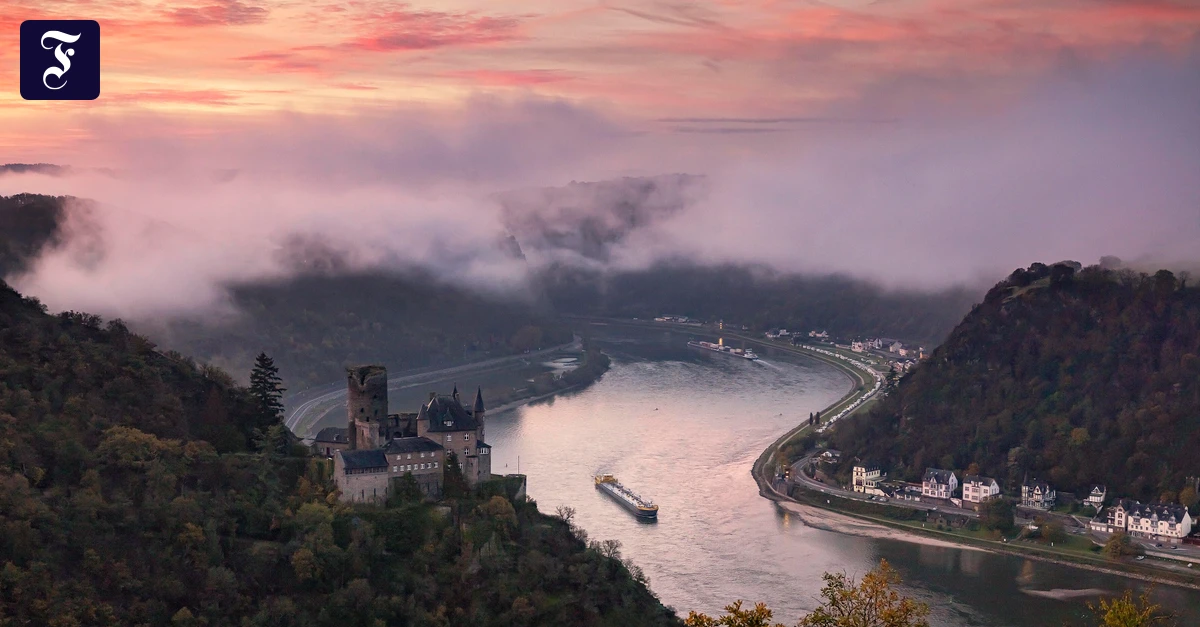
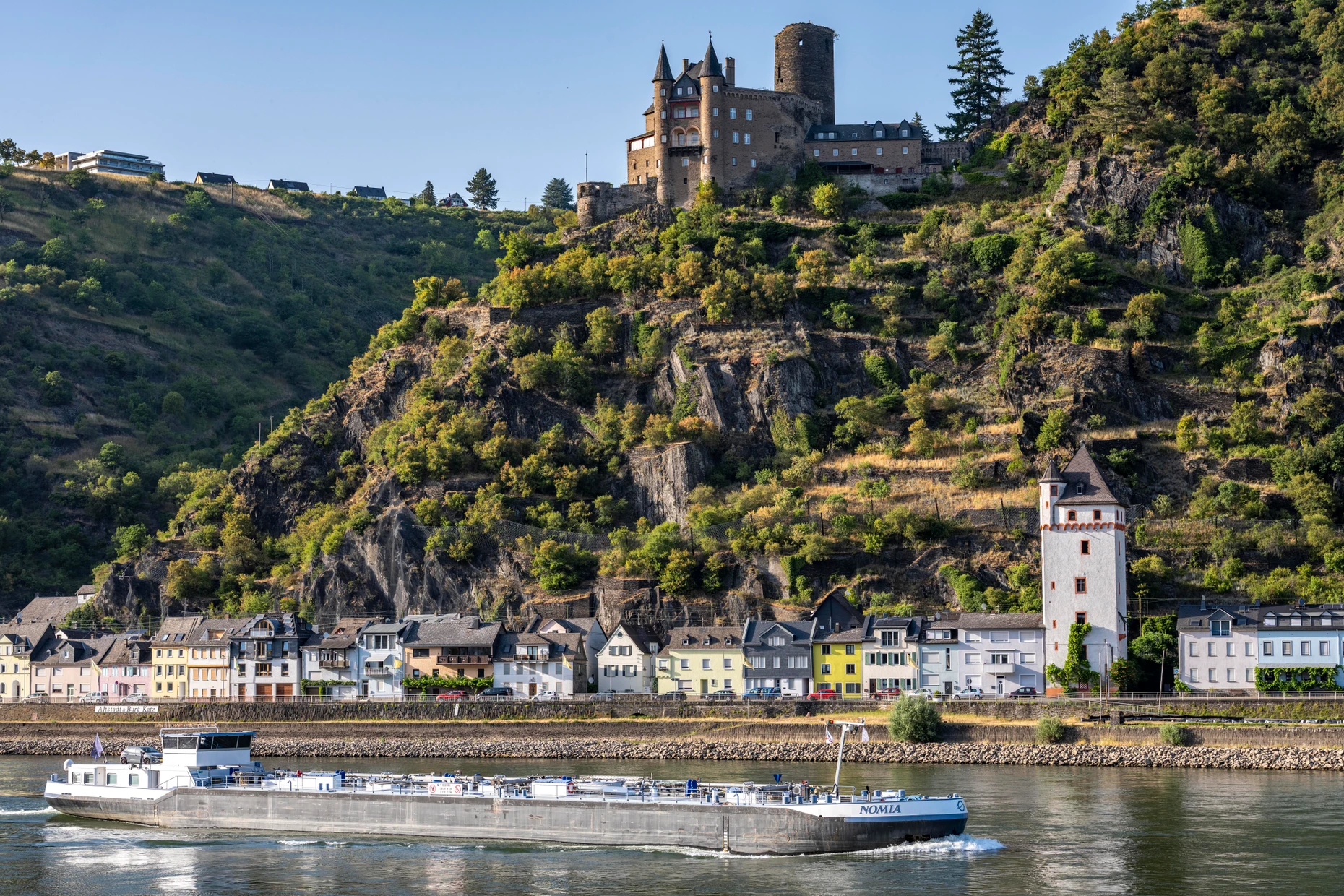
The "real" Loreley, however, remains a phantom. The cliff itself—a 132-meter-high black slate promontory near St. Goarshausen—has been a magnet for travelers for centuries. It is here that the river narrows from 300 to a mere 100 meters, creating treacherous whirlpools and currents that have claimed countless vessels. For the modern visitor, the myth is no longer just a story; it is a tourist infrastructure. From the "Myth Hall" with its polished stone foundations to the interactive "Listening Rocks" that explain the sevenfold echo, the site is a carefully curated monument to a tragedy that never physically occurred.
Chronology: From River Danger to Romantic Icon
The evolution of the Loreley myth is a study in literary invention:
- Pre-1800: For centuries, boatmen navigating the dangerous bend near St. Goar blamed their shipwrecks on evil spirits or grumpy dwarves. They invoked the protection of Saint Goar, the patron saint of sailors.
- 1800: Romantic poet Clemens Brentano, feeling the local lore lacked flair, invented the character of a "beautiful enchantress" living in Bacharach. In his ballad, she is a woman spurned by love, eventually leaping to her death from the rock after being sentenced to exile by a bishop.
- 1823: Heinrich Heine solidified the icon. His poem, Die Loreley, turned her into the quintessential siren, singing as she combs her golden hair.
- 1837: Friedrich Silcher set Heine’s poem to music, cementing the Loreley in the collective consciousness as a postcard-perfect image of "Rheinromantik."
- 19th & 20th Century: The region became a staple of the "Grand Tour" for English nobility, attracting luminaries like Lord Byron and J.M.W. Turner, who sketched the landscape, further romanticizing the "wonderland" of the Rhine.
Supporting Data: The Dual Reality of the Region
The Middle Rhine is a landscape of stark contrasts. Since being declared a UNESCO World Heritage site in 2002, overnight stays have stabilized at roughly three million per year. The Rhinesteig trail and the Rheinburgenweg have transformed the area into a premier hiking destination.
However, the reality for local residents is more complex. The town of Kaub, for instance, serves as a poignant example of the region’s economic struggle. Once a bustling center of river commerce, the town now faces a declining youth population and the quiet abandonment of storefronts. "Aunt Marion’s" local grocery store remains one of the few anchors of daily life, serving as everything from a post office to a tourist information point.

The most jarring modern intrusion is the relentless noise of the railway. The Middle Rhine serves as a critical North-South axis for European freight, with some 800 trains thundering through the narrow valley daily. The constant roar effectively drowns out the "sevenfold echo" of the legends, creating a disconnect between the serene, romantic image promoted to tourists and the industrial reality of 21st-century logistics.
Official Responses and Cultural Preservation
Local stakeholders are caught between preserving the past and surviving the present. Jörg Lanius-Knab, a seventh-generation winemaker in Oberwesel, highlights the struggle of the viticulture industry. The Middle Rhine is the only German wine region comprised exclusively of extreme, steep-slope vineyards. These "Wingerte" require four times the labor of flat-land farms, yet the rising costs and the noise pollution from the train lines make the profession increasingly unsustainable.
"We are fighting to keep these vineyards alive," Lanius-Knab notes. "The complexity of the wine, born from vines that must dig deep into the slate to survive, is our heritage." Despite the challenges, local efforts persist. The installation of the "Turner Route"—bronze plaques that allow visitors to stand exactly where William Turner painted in 1817—and the revitalization of historic castles into hotels and cultural centers represent a concerted effort to keep the region’s soul intact.
Implications: The Enduring Power of a Tragic Archetype
The Loreley remains a "displaced" myth. Even though the original poem places her near Bacharach, the rock at St. Goarshausen is universally accepted as her home. This displacement is emblematic of how culture operates: truth is secondary to the emotional resonance of the story.
The paradox of the Loreley is that her "death" was the catalyst for her immortality. By choosing to jump from the cliff, she transformed from a mortal woman into an eternal spirit of the river. This narrative of a "dead, yet living" entity perfectly mirrors the current state of the Middle Rhine. It is a region that feels "exhausted" by the weight of its own history, yet it remains undeniably alive, anchored by the resilience of those who continue to cultivate its steep slopes and tell its stories.
Whether it is the tourists on the nostalgic paddle-steamer Goethe, who fall into a sudden, hushed silence as they pass the cliff, or the locals who continue to navigate the currents of modernization, the Loreley is not merely a statue or a song. She is the personification of the Rhine itself—dangerous, beautiful, and profoundly complex. As long as the river flows and the trains continue to roar, the siren of the Middle Rhine will continue to haunt the imagination of all who pass through her narrow, dark-watered passage. She is, and will remain, the most poignant of all German myths, an unshakeable reminder that even in the face of inevitable decline, there is a certain, haunting beauty in the struggle to endure.