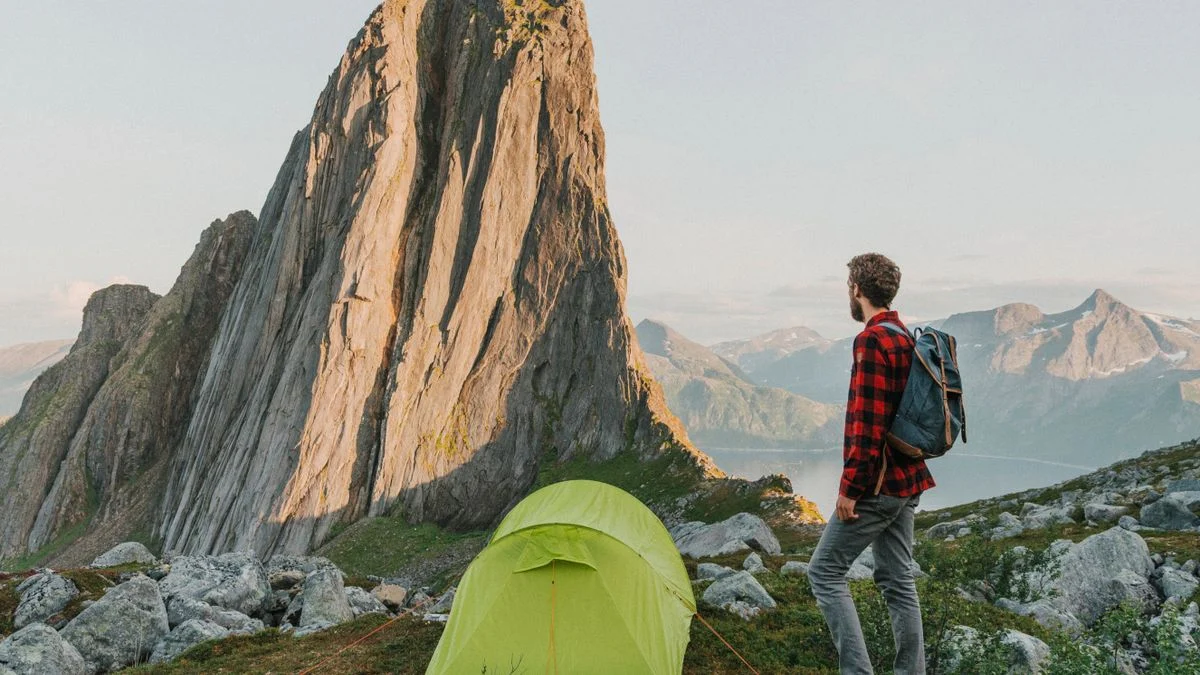
The call of the Scandinavian wilderness—with its vast, untamed plateaus, mirror-like glacial lakes, and the ethereal glow of the midnight sun—is a siren song for hikers worldwide. Yet, for the uninitiated, transitioning from a casual weekend walk to a multi-day, self-sufficient trek through the backcountry of Sweden, Norway, or Finland is a daunting leap. Success in the north requires more than just physical stamina; it demands meticulous preparation, respect for volatile weather systems, and an intimate understanding of "Allemansrätten"—the right of public access that defines Nordic outdoor culture.
The Foundation of a Successful Expedition: Main Facts
Long-distance hiking in Scandinavia is not merely a sport; it is an exercise in autonomy. Unlike the manicured trails found in parts of Central Europe or North America, Scandinavian wilderness routes—such as the Kungsleden (King’s Trail) in Sweden or the Hardangervidda in Norway—often traverse terrain that is rugged, exposed, and far from cellular connectivity.
The primary challenge for first-timers is the "weight-to-comfort" ratio. Carrying everything required for survival—shelter, sleeping system, nutrition, and safety gear—means the average pack weight for a week-long trek ranges between 12 and 18 kilograms. Mastering the art of ultralight packing without compromising safety is the hallmark of the experienced Nordic hiker.
Furthermore, the weather in the Arctic and sub-Arctic regions is famously temperamental. It is common to experience four seasons within a single day. Hypothermia is a genuine risk even in mid-July, necessitating a layered clothing strategy centered on merino wool, high-performance insulation, and reliable hardshell protection.
Chronology of Preparation: From Planning to Departure
A successful first tour is built months before the boots touch the trail. To ensure a safe and enjoyable journey, consider this four-stage timeline:
Phase 1: The Six-Month Horizon (Route Selection)
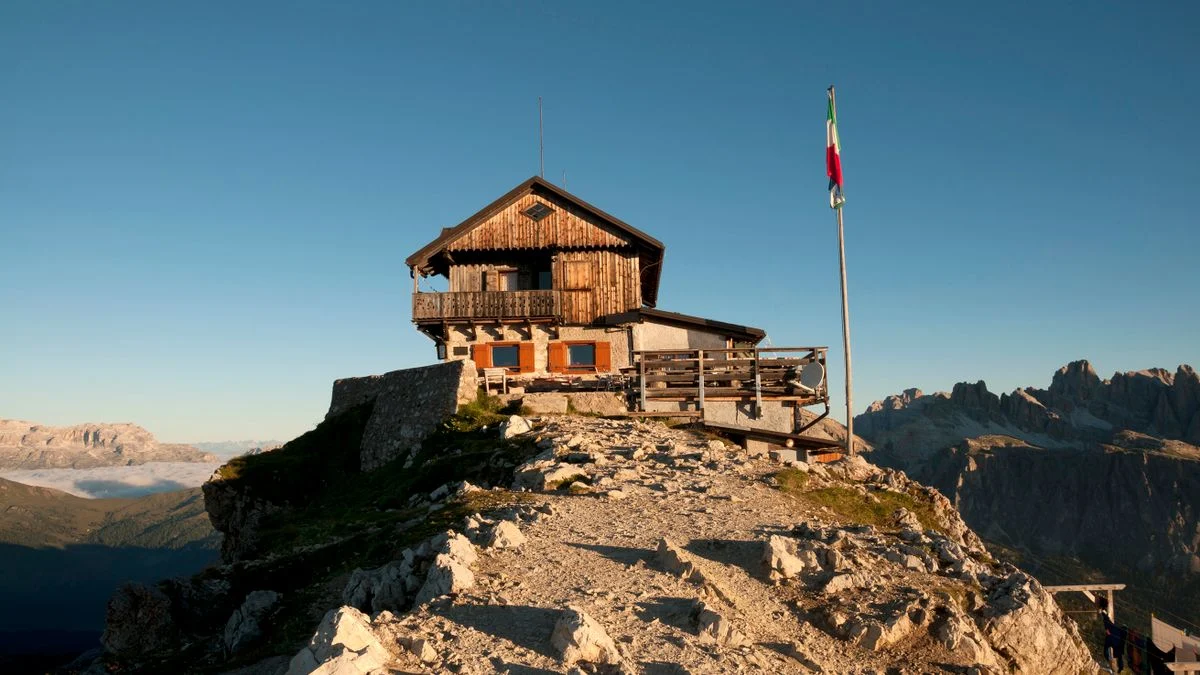
Do not attempt a remote, off-trail expedition for your first outing. Opt for well-marked trails with infrastructure. In Sweden, the STF (Svenska Turistföreningen) maintains a network of mountain huts. For your first trip, planning a route that connects these huts provides a crucial "safety net" should the weather turn catastrophic.
Phase 2: The Three-Month Horizon (Gear Acquisition and Shakedown)
This is the phase of rigorous testing. Do not take brand-new gear on your first trek. Use your tent in your garden or a local park; test your stove in windy conditions; break in your hiking boots on uneven terrain to prevent blisters, which remain the number one cause of failed expeditions.
Phase 3: The One-Month Horizon (Physical Conditioning)
Focus on endurance rather than speed. Incorporate "rucking" into your routine—walking with a weighted pack to condition your shoulders and joints. Focus on stabilizing muscles in the ankles and core, which will be put to the test on the rock-strewn paths of the Scandinavian interior.
Phase 4: The Final Week (Logistics and Safety)
Check the weather forecasts via local meteorological services like Yr.no. Leave a detailed itinerary with a trusted contact back home. Pack your food in waterproof bags and ensure your first-aid kit is tailored to the specific environment (blister care, antiseptic, and basic trauma gear).
Supporting Data: The Logistics of Survival
Data from regional mountain rescue services suggests that the vast majority of search-and-rescue operations in Scandinavia occur due to two factors: inadequate clothing for rapid weather shifts and navigation errors during visibility-reducing fog.
- Caloric Requirements: A hiker covering 15–20 kilometers a day in mountainous terrain consumes between 3,500 and 4,500 calories. Nutrition should be lightweight and calorie-dense (nuts, dehydrated meals, chocolate).
- Water Safety: While Scandinavia boasts some of the cleanest water in the world, hikers should avoid stagnant pools and areas near livestock. Flowing mountain streams are generally safe, but filters are recommended for peace of mind.
- The "Rule of Three": In survival situations, remember the rule of three: you can survive three minutes without air, three hours without shelter in extreme conditions, three days without water, and three weeks without food. Your gear must prioritize the first three.
Official Perspectives: The Philosophy of "Allemansrätten"
The Nordic countries operate under the principle of Allemansrätten (The Right of Public Access). This allows individuals to roam freely, pick berries, and camp on most land, provided they do not disturb or destroy.
Official tourism boards and environmental agencies, such as the Swedish Environmental Protection Agency (Naturvårdsverket), emphasize that this right is a responsibility, not a luxury. "Leave No Trace" is the absolute minimum requirement. This means carrying out all trash, using established fire pits (or better, gas stoves to avoid wildfires), and respecting the sanctity of the wilderness.
Local rangers stress that first-time hikers often underestimate the terrain’s difficulty. The trails are not "walks" in the traditional sense; they are rugged paths that require constant focus. Officials advise that hikers should be prepared to turn back if the conditions become too severe. There is no shame in retreating; the mountains will remain for your next attempt.
Implications: The Psychological Shift
Embarking on a first long-distance trek in Scandinavia changes a person. The isolation—the silence of the vast tundra—strips away the digital noise of modern life. It forces a recalibration of priorities. When your world is reduced to your pack, the trail, and the horizon, the complexities of daily life shrink into insignificance.
However, this transition also carries the risk of "nature deficit." Many novice hikers suffer from a psychological shock when they realize they are entirely responsible for their own well-being. This is why the first tour should be seen as an apprenticeship. You are learning the language of the wind, the texture of the moss, and the limits of your own endurance.
Practical Tips for the Novice:
- Footwear: Avoid heavy leather boots if you are doing significant mileage; modern trail runners offer better drainage and reduced fatigue.
- Navigation: Never rely solely on a smartphone. Carry a physical map and a compass, and—crucially—know how to use them.
- The "Slow Start": Limit your first day to 10–12 kilometers. Your body needs time to adjust to the constant weight and uneven ground.
- Community: Engage with other hikers in the huts. The community is a wealth of information regarding trail conditions, stream crossings, and upcoming weather fronts.
Conclusion: Entering the Wild
To hike in Scandinavia is to engage in a dialogue with nature at its most pristine. It is an experience that demands humility, preparation, and an open heart. By respecting the environment, investing in reliable gear, and prioritizing safety over personal ambition, the first-time trekker can unlock a lifetime of wilderness exploration.
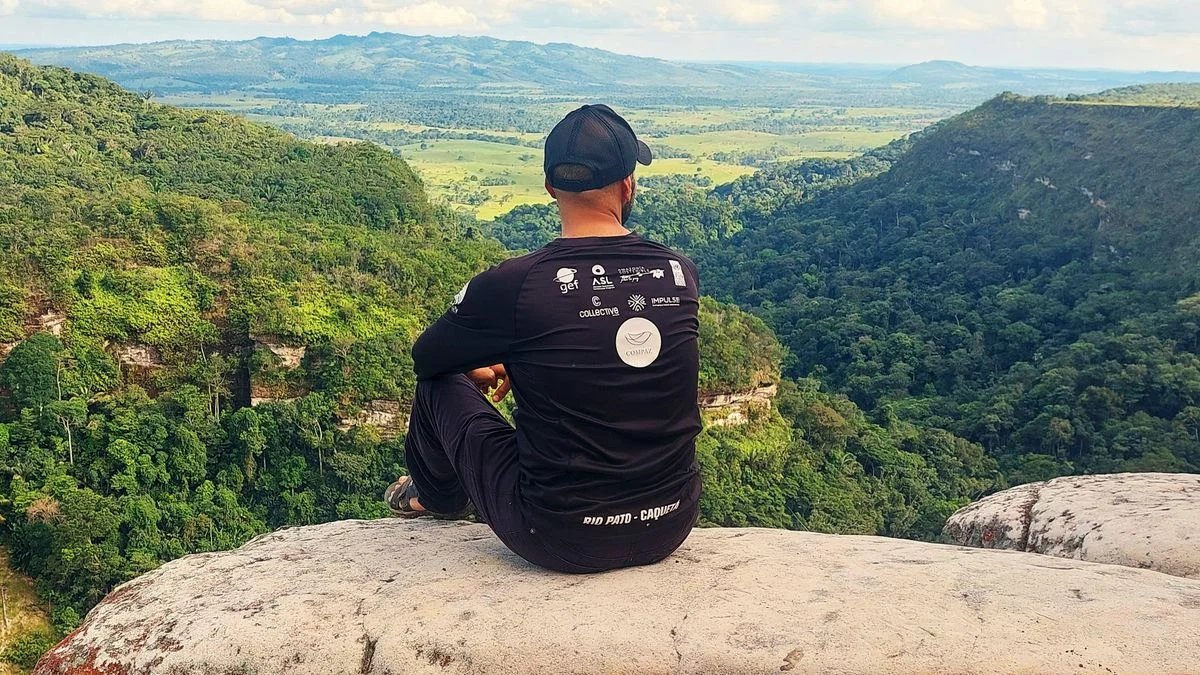
As you stand on a ridge looking out over the endless, undulating valleys of the Scandinavian mountains, the weight of your pack will fade, replaced by the profound realization that you have earned your place in this vast landscape. It is not just a hike; it is the beginning of a profound connection to the wild earth—a journey that, once started, is rarely ever truly finished.