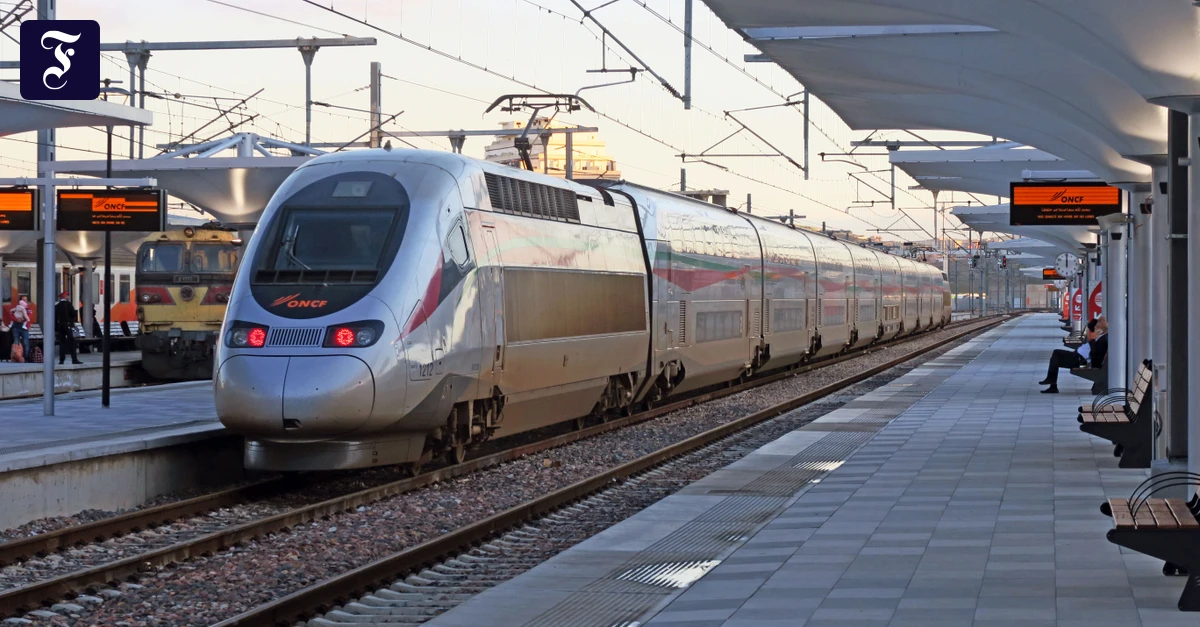
"Everyone talks about the weather, but the railway actually runs." This classic German adage takes on a new, literal meaning in Morocco. As the Al Boraq—the high-speed train named after the mythical winged creature that carried the Prophet Muhammad from Mecca to Jerusalem—glides out of Rabat, it does so with a punctuality that would make even the most efficient European rail operators envious. Painted in striking red and green, the national colors, the train slices through the North African landscape at 320 kilometers per hour, indifferent to the torrential rains that have recently transformed the countryside into a patchwork of temporary lakes and vivid, marigold-dotted meadows.
This is not just a train line; it is the pulse of a nation in the midst of a radical transformation. As Morocco prepares to co-host the 2030 FIFA World Cup alongside Spain and Portugal, the country is undergoing a comprehensive infrastructure overhaul that aims to redefine its place on the global map.
The Engineering of Ambition: The Al Boraq
The Al Boraq is Africa’s first and, to date, only true high-speed rail network. Connecting the economic powerhouse of Casablanca with the northern port city of Tangier, the service has become a runaway success. In its first five years of operation, it has moved over five million passengers, maintaining a level of reliability where even a few minutes of delay is considered a notable event.
Ahmed Bouhaltit, the technical director of the Moroccan National Railways Office (ONCF), views the current success as merely a prologue. "The rain, the wind, the challenges of the terrain—none of it affects our operations," Bouhaltit notes, adjusting his suit as the train speeds toward Tangier. His vision for the future is expansive: by 2030, the double-decker French-engineered trains are slated to extend their reach to Marrakesh. Following this, plans are already in motion to stretch the network toward Agadir, and eastward through Meknès and Fès, eventually reaching Oujda on the Algerian border.
Chronology of a Modernization Drive
The rapid development of Morocco’s infrastructure is a calculated sprint toward 2030. The government’s master plan is multifaceted and deeply ambitious:
- 2024: The inauguration of the Zaha Hadid-designed Grand Theatre in Rabat, a landmark cultural event attended by high-ranking officials and international dignitaries, signaling the city’s emergence as a global arts hub.
- 2025: Current consolidation of the tourism sector, which has seen visitor numbers double from ten million in 2015 to twenty million today, positioning Morocco as the most visited country on the African continent.
- 2029: Scheduled completion of the expansion of Casablanca’s airport into a major Euro-African transit hub, integrated directly into the high-speed rail network.
- 2030: The centerpiece year. The opening of the new Marrakesh airport, the extension of the rail network to the south, and the expansion of the national highway system from 1,800 to 3,000 kilometers.
Alongside these transport projects, maritime infrastructure is being scaled to match the success of the Tangier Med port. New, massive trade hubs at Nador West Med (Mediterranean) and Port Dakhla Atlantique (Atlantic) are nearing completion, intended to cement Morocco’s role as the primary logistics gateway between Europe and Africa.
The Transformation of Rabat: From History to High-Tech
For decades, Rabat was described by international media as a "city with a thousand-year history, but no tourists." That narrative has been permanently dismantled. Today, the UNESCO World Heritage city boasts hotel occupancy rates between 80 and 90 percent.
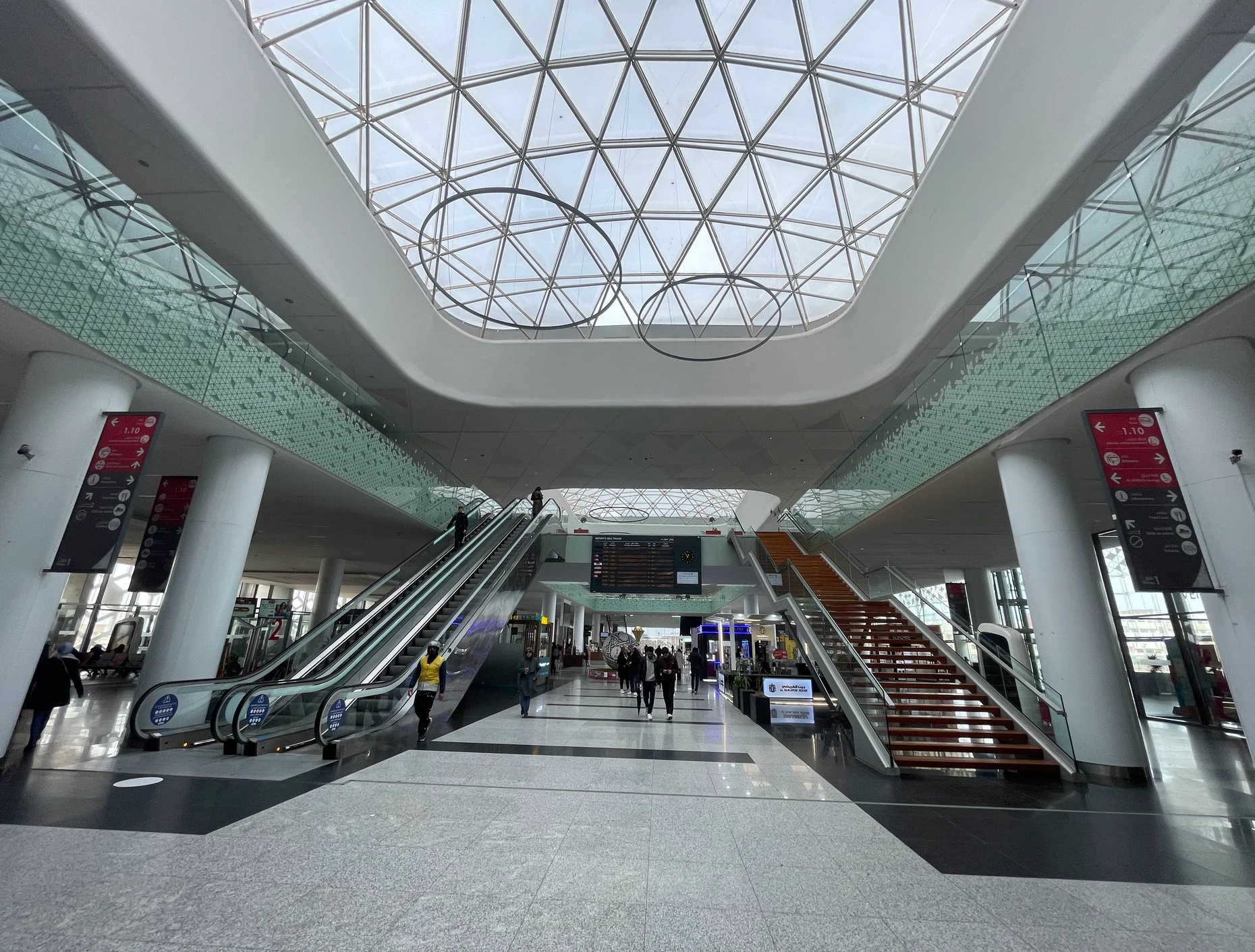
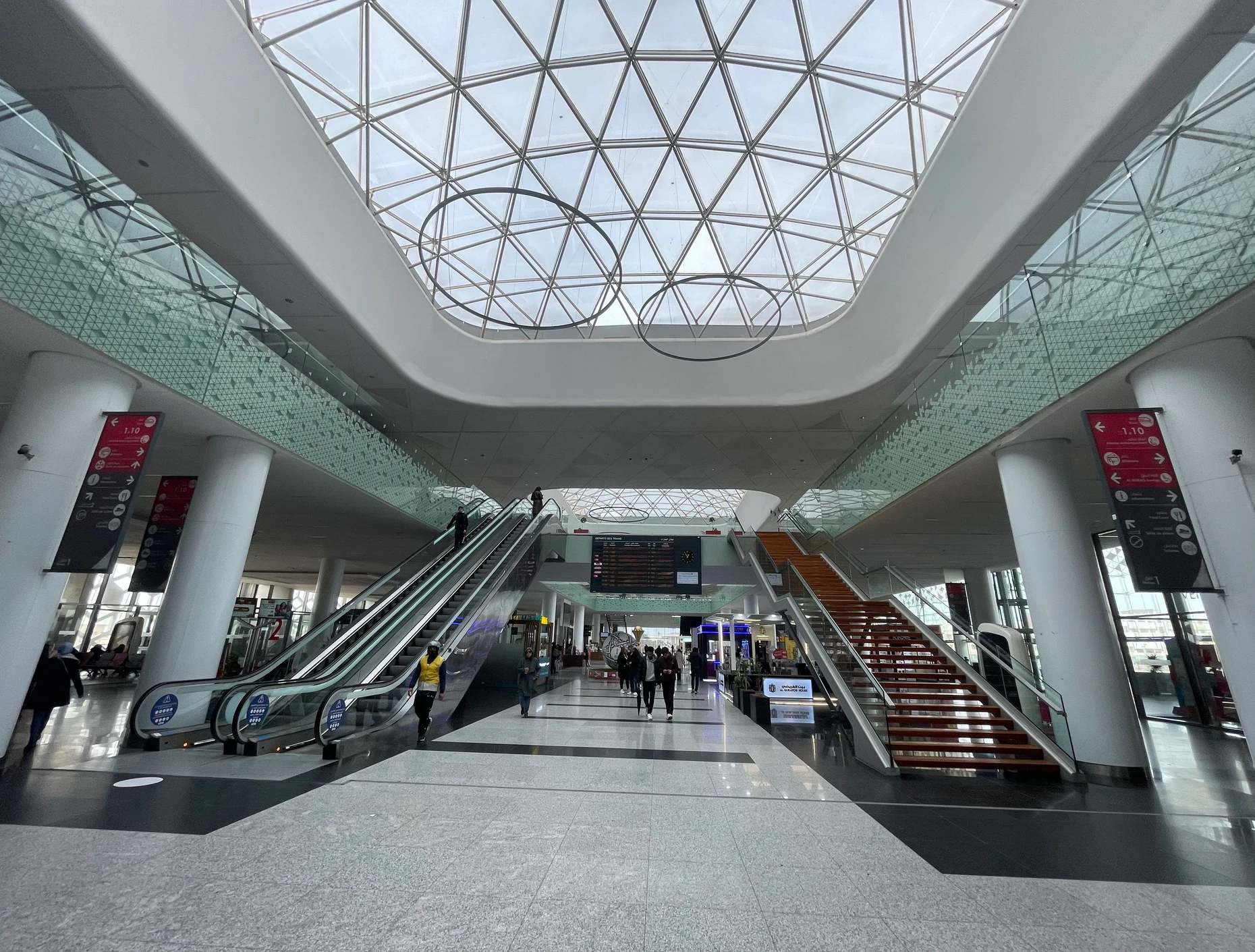
The transformation is visible in the details. The Rabat-Agdal station has been reborn as the largest railway terminal in Africa, featuring luxury lounges, high-speed internet, and a curated selection of international boutiques. The city’s urban planning has become surgical: ficus trees are pruned into precise geometric shapes, and the Medina, which once sheltered Andalusian refugees in the 17th century, has been meticulously restored.
The skyline is also shifting. The Tour Mohammed VI, designed by Spanish architect Rafael de la Hoz, stands as a 200-meter-tall symbol of the city’s "leap into the 21st century." Rising above the historic Tour Hassan, this sleek residential and hotel tower—housing a Waldorf Astoria—mirrors the nation’s desire to look forward without discarding its historical foundations.
Cultural Renaissance: Tangier’s Second Act
Tangier, long the playground for the international avant-garde—from Paul Bowles to the Rolling Stones and William S. Burroughs—is currently experiencing its most significant revival since its days as an International Free Zone.
After decades of relative stagnation following its integration into Morocco in 1956, Tangier has been reclaimed as a vibrant center of commerce and culture. King Mohammed VI’s investment in the city has been personal and profound. Beyond the railway and the port, the city’s historic Kasbah has undergone a total cultural rejuvenation. New museums honor the legacy of Ibn Battoutta, the 14th-century explorer who traveled 100,000 kilometers across the known world, while private investors like Anne Igou have turned derelict sultan’s palaces into high-end boutique hotels.
"Tangier is the most exciting city in Morocco again," says Igou, who relocated from Arles to restore a historic property in the Kasbah. "It is creative, vibrating, and always in flux." With a population that has doubled to 1.3 million since the turn of the millennium, Tangier is no longer just a destination for nostalgia; it is a hub for the future.
Implications for Tourism and Industry
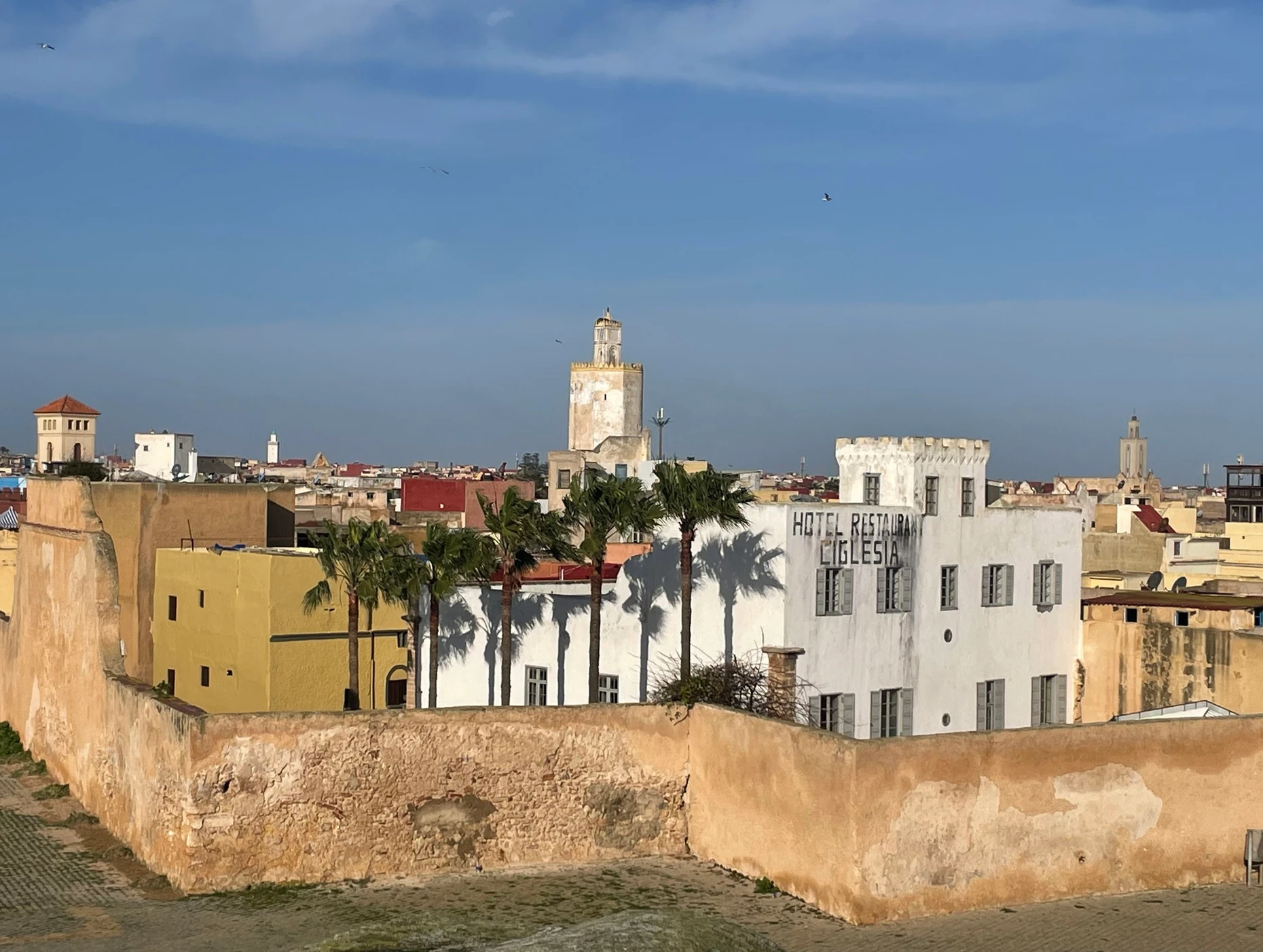
While the Al Boraq steals the headlines, the secondary rail and road network is also receiving vital upgrades. In El Jadida, a city defined by its Portuguese colonial history and the "Citè portugaise" UNESCO site, the modernization of regional rail lines will soon bring the city within a 60-minute commute of Casablanca.
These infrastructural ties are creating a ripple effect. Smaller towns like Azemmour, once remote, are finding themselves integrated into a broader economic corridor. The conversion of an old school into the Maison de l’Artisan in Azemmour, where craftsmen like 74-year-old instrument maker Homine Bouchaid teach the art of the Oud, shows that modernity does not have to come at the expense of tradition. Instead, it provides the artisans with a broader market and easier access to the world.
However, the tourism shift brings its own challenges. While Morocco remains a top destination, competition from the "All-Inclusive" markets of Egypt and Turkey has forced a change in strategy. The focus has moved toward diversity: attracting a more cosmopolitan traveler who values history, design, and seamless connectivity over standard resort packages.
The Road Ahead
As the sun sets over the Atlantic, the contrast in Morocco is palpable. In the souks of Tangier, women from the Rif mountains sell fresh goat cheese and mint, while just a few kilometers away, digital nomads and international business travelers board the Al Boraq to reach Casablanca in under two hours.
The scale of the investment is massive, but the goal is clear: Morocco is positioning itself to be the vital link in a globalized economy. By 2030, the country will not just be a destination for football fans; it will be a high-speed, hyper-connected gateway. Whether it is the restoration of an 18th-century cistern for a Hollywood film set or the construction of a rocket-shaped skyscraper in the capital, the narrative of modern Morocco is one of relentless, carefully managed momentum.
For the traveler and the observer alike, the message is simple: Morocco is no longer waiting for the future. It is building it, at 320 kilometers per hour.