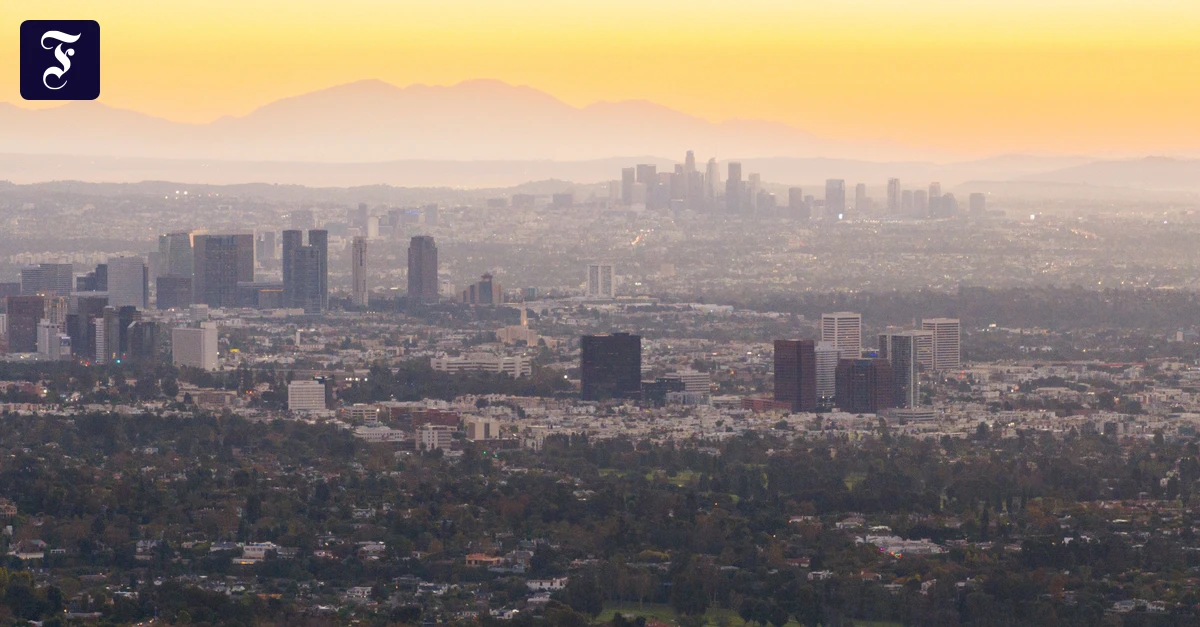
As the world turns its gaze toward the 2026 FIFA World Cup, Los Angeles stands at the epicenter of a cultural and architectural collision. A city defined by its cinematic mirages and sprawling, decentralized urbanity, it is currently preparing to host eight matches in the most expensive stadium ever built. Yet, this celebration of sport is unfolding against a backdrop of complex geopolitical tension, economic volatility, and the persistent, haunting question: Is Los Angeles truly the "greatest" city in the world, or merely a sophisticated simulation of it?
The Architectural Marvel: SoFi Stadium
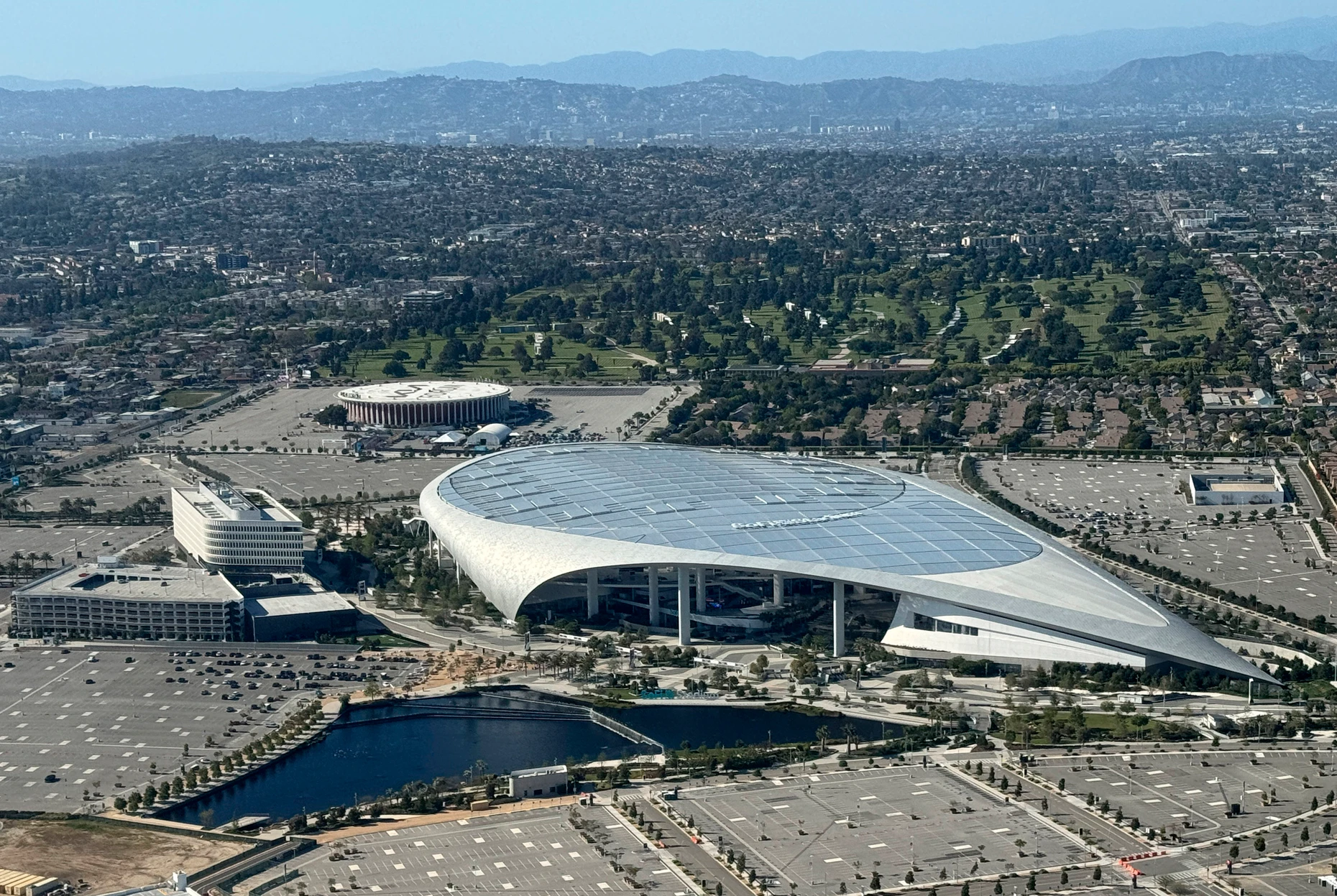
The first encounter with Los Angeles is often one of profound, lingering doubt—a stark contrast to the utilitarian familiarity of European transport hubs. While Frankfurt greets travelers with the modest, functional Waldstadion, Los Angeles welcomes arrivals with the SoFi Stadium.
Resembling an extraterrestrial vessel grounded by George Lucas himself, the $5 billion arena is a masterpiece of technizistic elegance. Its light-flooded, sweeping roof construction spans monumental dimensions, sheltering tribunes that rise with the steep geometry of an ancient Greek amphitheater. Topped with 248,000 LED lights capable of projecting any message, the stadium is a beacon of 21st-century ambition. With a 100-meter-long, 80-million-pixel display loop hovering above the pitch, the venue serves as a futuristic "agora" for the elite sport. It is a structure designed for the spectacle, a testament to California’s unwavering, if sometimes detached, confidence.
Chronology of a Mega-Event in the Trump Era
The journey to the 2026 World Cup has been anything but linear. The narrative of the tournament is inextricably linked to the current political climate in the United States.
- 2020: The SoFi Stadium officially opens, becoming the permanent home for the NFL’s Rams and Chargers.
- 2024: The U.S. tourism industry sets its sights on a "golden year" for 2026, coinciding with the World Cup, the 250th anniversary of the Declaration of Independence, and the centenary of Route 66.
- 2025: A sharp, unexpected decline in international travel—the "Trump Slump"—hits the U.S. market, marking the country as the only major destination to see a decrease in tourism while the rest of the world reports record-breaking figures.
- 2026 (Pre-Tournament): The relaxation of stringent entry requirements—including the controversial $15,000 bond previously demanded of fans from nations like Algeria, Senegal, and Tunisia—signals a frantic attempt to salvage the tournament’s international image.
Supporting Data and Economic Realities
The figures surrounding the tournament are as gargantuan as the infrastructure itself. FIFA anticipates a $6 billion profit, while the U.S. hospitality sector initially projected $30 billion in additional revenue. However, these forecasts are currently overshadowed by the $80 billion in estimated losses the tourism industry has already absorbed due to a combination of political friction and entry restrictions.
The SoFi Stadium project alone underscores the sheer scale of the investment. With $30 million per year in naming rights alone, the venue is a financial titan. Yet, the juxtaposition between the high-tech, $5 billion arena and the reality of the surrounding city—where oil pumps still nod in the background of residential zones—remains a defining paradox of the Californian landscape.
Official Responses and the "World Event" Strain
Kathryn Schloessman, head of the Los Angeles Sports & Entertainment Commission, finds herself in a delicate position. Publicly, she champions the city’s readiness, promising fan-fests and affordable public transport ($1.75 per ride). Privately, however, there is an acknowledgment that the broader geopolitical climate has made the logistics of hosting a truly global event significantly more difficult.
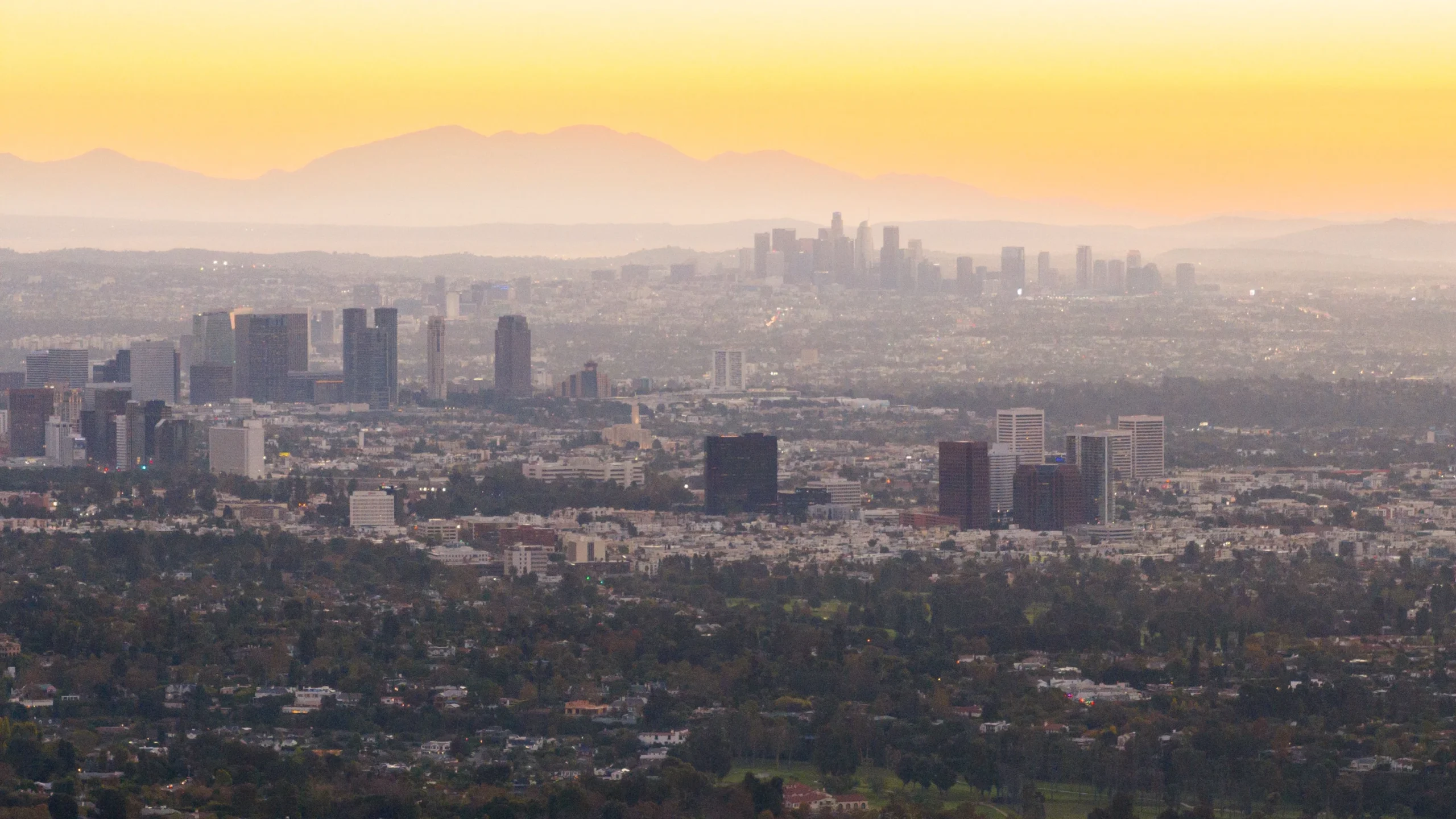
"We will be in World Cup fever," Schloessman insists. But in a sprawling, 15-million-person megalopolis, "fever" is a relative term. Los Angeles does not function as a single, unified city; it is a series of 72 suburbs in search of a center, a non-linear, organic growth that defies traditional urban planning.
The Psychological Landscape of the Megalopolis
Beyond the gleaming glass and steel of the stadium, Los Angeles remains a riddle. Historically branded as the "most brutal" or "loneliest" city in America by writers like Jack Kerouac, it often feels like a simulation. It is a city that everyone knows through the lens of cinema, yet no one can truly map.
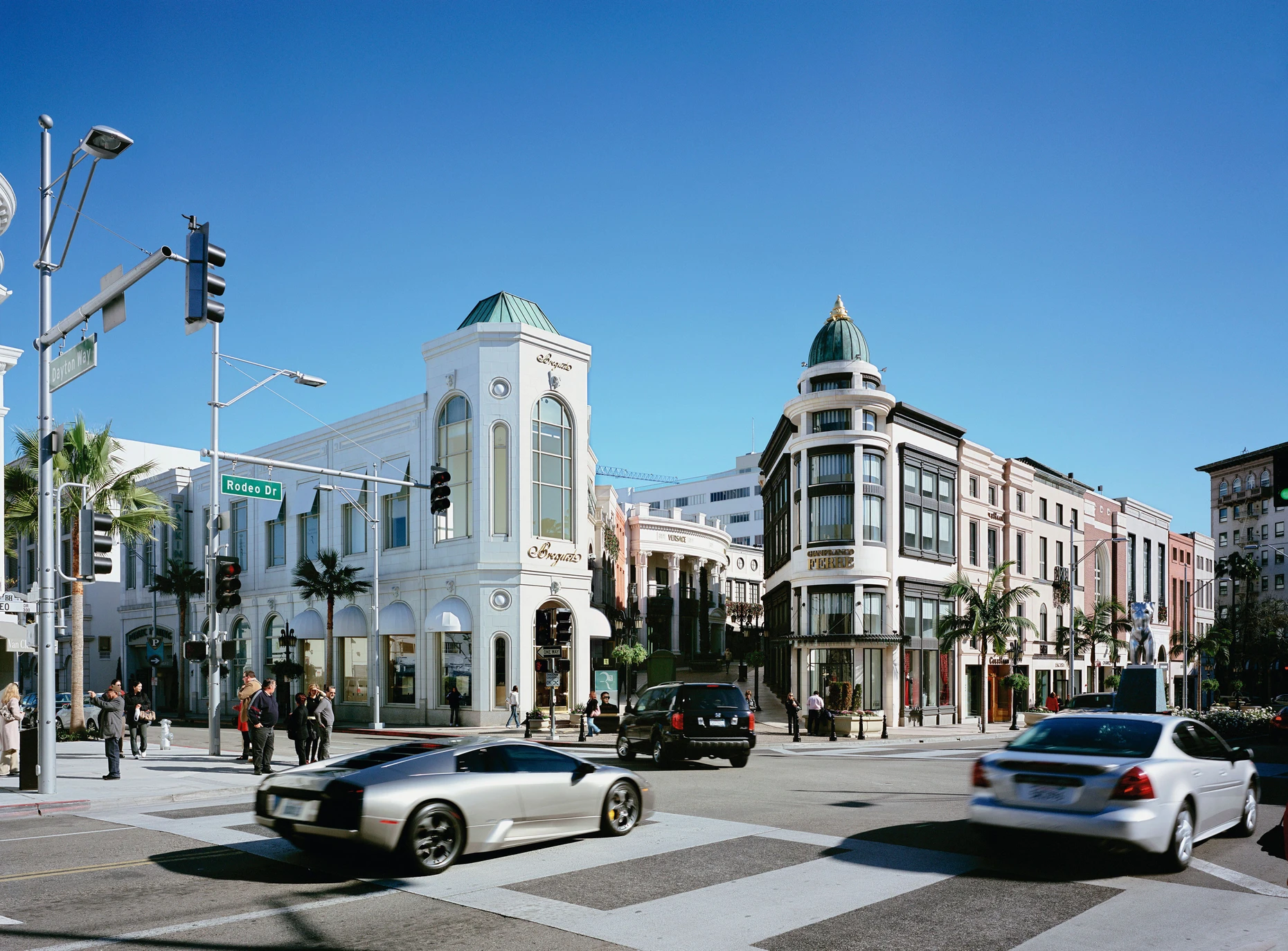
In the tony enclaves of Beverly Hills and Bel Air, the culture of "Rejuvify"—the pursuit of eternal youth through Microneedling, CO2 facials, and advanced body sculpting—reigns supreme. This is the city of Andy Warhol’s observation: a place where the exterior is everything, and everything is, in a sense, plastic. Yet, this surface-level perfection masks a surprisingly inclusive, multi-ethnic society. In restaurants across the city, the blend of white, Black, Hispanic, and Asian residents working and dining together suggests that the American Dream is still being actively negotiated, even if it is sold in packages of silicone and celebrity.
Implications: A City of Infinite Mosaics
The true character of Los Angeles is not found in its glossy downtown or its star-studded hills, but in its disparate, shining mosaic pieces. Whether it is the artistic rigor of The Broad museum, where Warhol and Rauschenberg challenge the city’s ephemeral nature, or the historic Memorial Coliseum—the only stadium to host three Olympic Games (1932, 1984, and 2028)—there is a desire here to create something permanent.
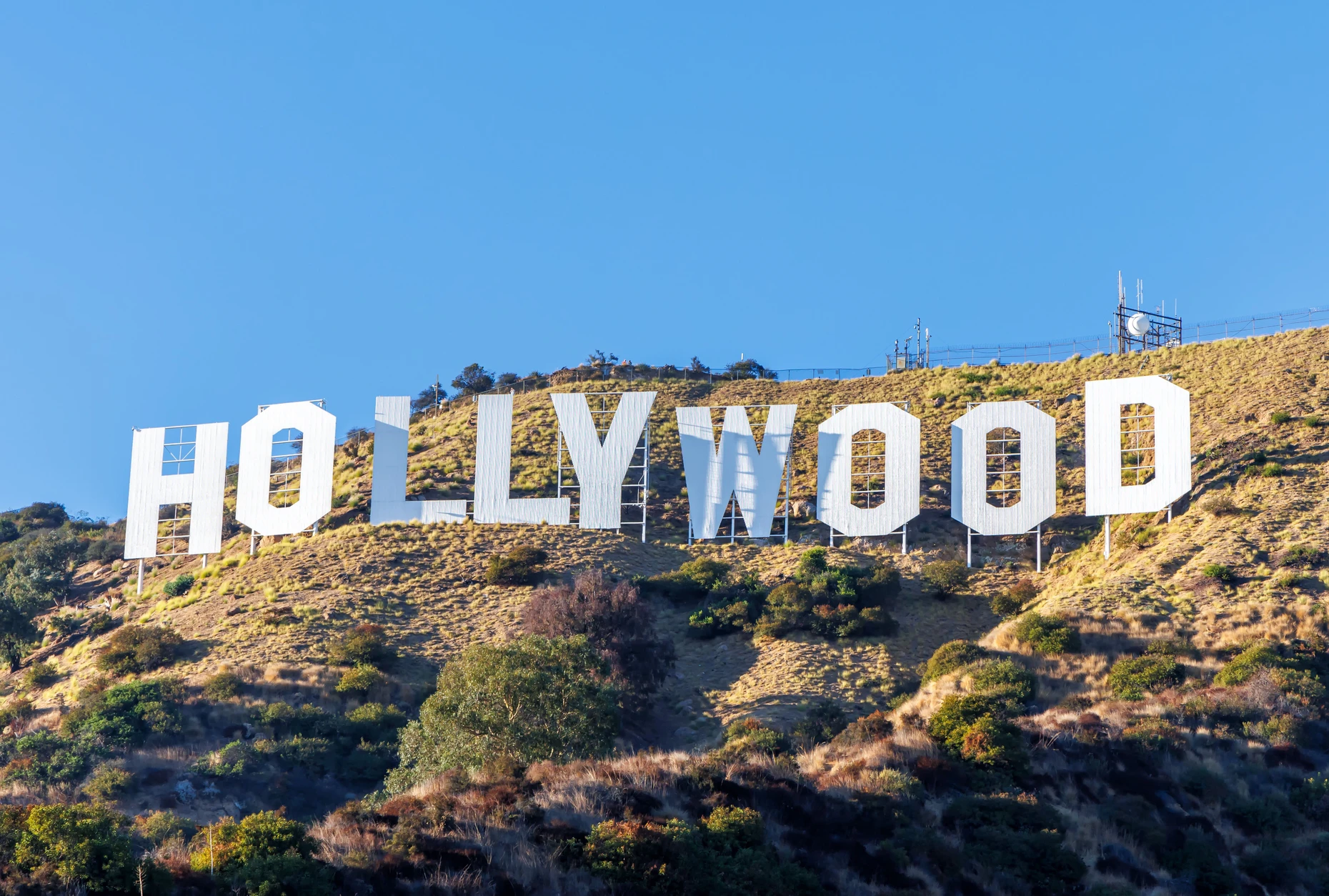
The Griffith Park experience further cements this. Named after a benefactor who was a gold-rush magnate with a dark, violent past, the park is a microcosm of the city’s history: a mix of Spanish mission heritage, Hollywood myth-making, and rugged, untamed wilderness. It is the site where the "reality" of the city meets the "imagination" of the films that have defined it for a century.
Conclusion: The Measure of Excess
As the World Cup matches approach, Huntington Beach—the self-proclaimed "Surf City"—serves as the final, necessary lens through which to view Los Angeles. When the megalopolis of concrete and chrome meets the Pacific Ocean, it transforms into a space of democratic leisure.
Los Angeles is not the center of the world, but it is perhaps the world’s most intense manifestation. It is a city of superlatives: the most expensive stadium, the deepest social divides, the most aggressive pursuit of beauty, and the most expansive, ungraspable urban reach. For the millions of visitors arriving for the FIFA World Cup, the city will likely function as it always has: as a mirror reflecting their own desires and anxieties back at them. It is a human-friendly monster, a shimmering chimera that, in its boundless, excessive way, remains one of the most compelling places on Earth. It is a place that cannot help but be measureless, and perhaps, that is its greatest gift.