The ongoing conflict in Ukraine has reached a complex new juncture, characterized by intensified Russian strikes on critical infrastructure, high-level diplomatic maneuvering, and surprising humanitarian developments involving the United States. As winter approaches, the situation on the ground remains precarious for the Ukrainian population, even as President Volodymyr Zelenskyy seeks to secure long-term Western support amid shifting political landscapes in Washington.
Main Facts: A Dual-Track Strategy
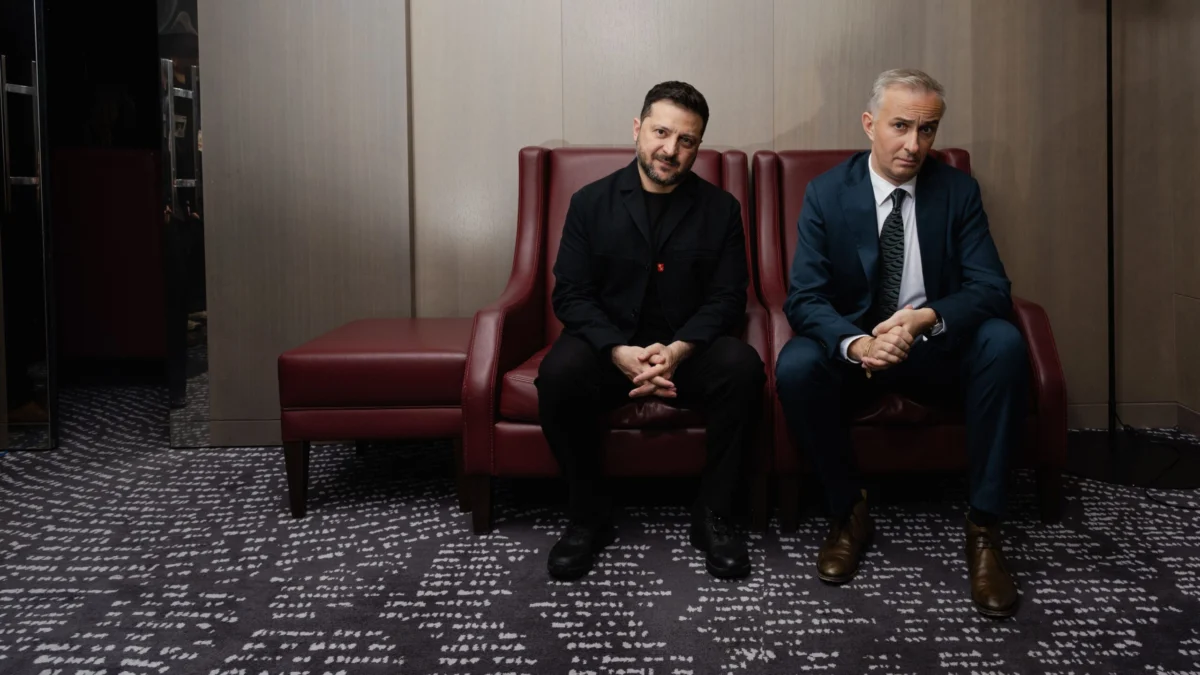
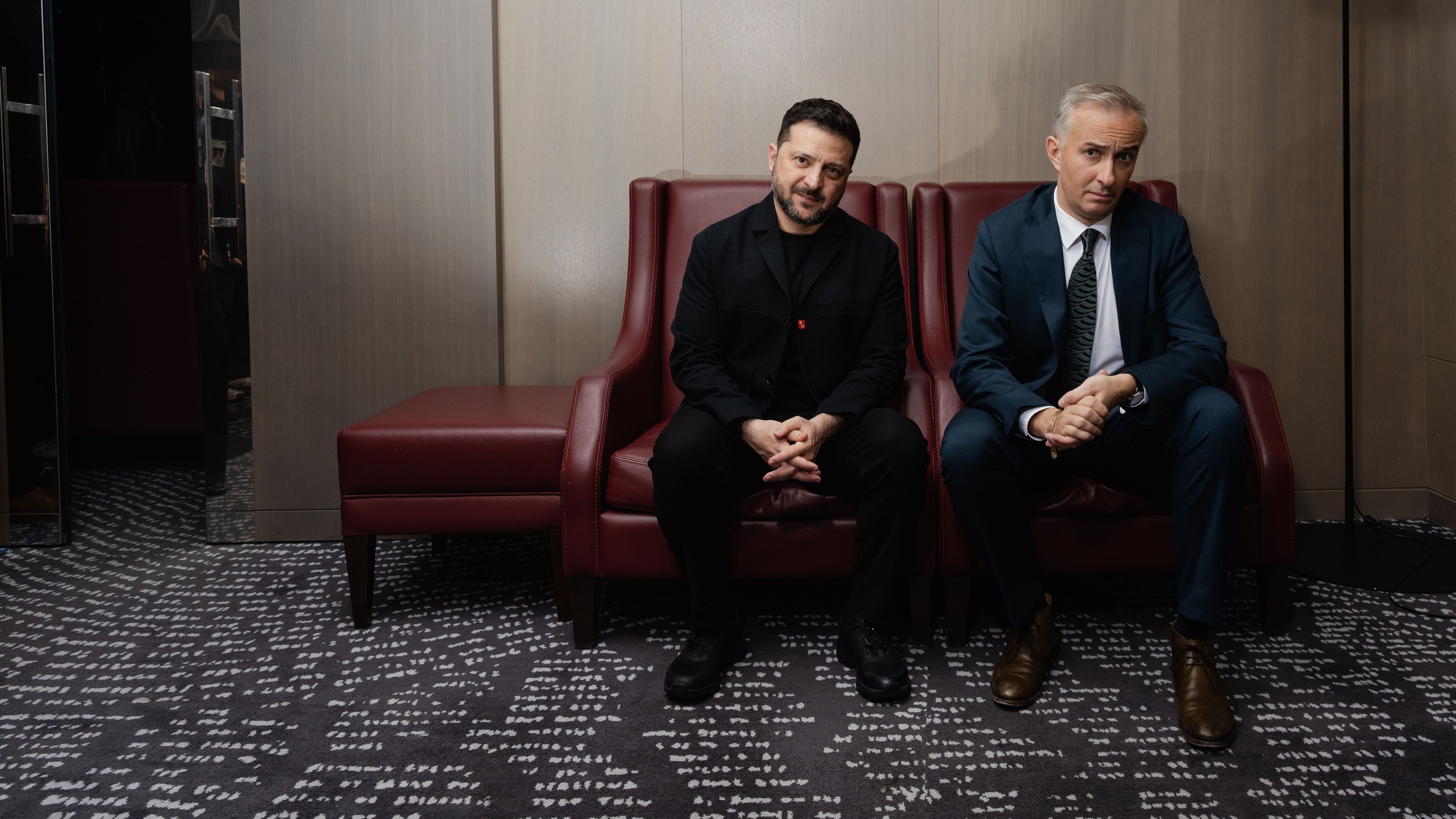
President Volodymyr Zelenskyy is currently pursuing a dual-track strategy to navigate the war’s third winter. On one hand, he is working to maintain robust support from the United States, positioning the outcome of the recent U.S. midterm elections as a potential catalyst for increased military and financial aid. In a high-profile interview with ZDF, Zelenskyy emphasized his gratitude toward the Republican party while underscoring that the Democratic platform’s explicit focus on strengthening the transatlantic link provides the clearest path for sustained support.
Simultaneously, the Ukrainian government is engaging in delicate diplomatic efforts to initiate negotiations with Russia. These efforts include back-channel communications with U.S. officials, such as special envoy Steve Witkoff and Jared Kushner, to propose a framework for a potential end to hostilities. However, the prospect of a breakthrough remains slim, as both sides remain deeply entrenched in their positions.
Chronology of Recent Escalations
The recent days have been marked by a significant uptick in kinetic activity:
- November 3–4: Russia launched massive, coordinated strikes on Ukraine’s energy infrastructure. Power plants in the Kyiv and Zhytomyr regions were hit, leading to widespread outages and forcing nuclear facilities to throttle output.
- November 4: The death toll at a humanitarian aid distribution point in southern Ukraine rose to 37, with dozens still feared trapped under the rubble.
- November 5: A series of drone attacks struck deep into Russian territory, including a major fire at an Ozon logistics center in Adygejsk, marking the second time the facility has been targeted since July.
- November 6: Reports emerged from the Belgorod region of Russia, where local authorities confirmed three deaths resulting from Ukrainian drone strikes.
- November 7: The successful conclusion of a six-day ceasefire in the frontline city of Oleschky allowed for the evacuation of civilians, a rare humanitarian success story brokered with international assistance.
Infrastructure Under Siege: The Human Cost
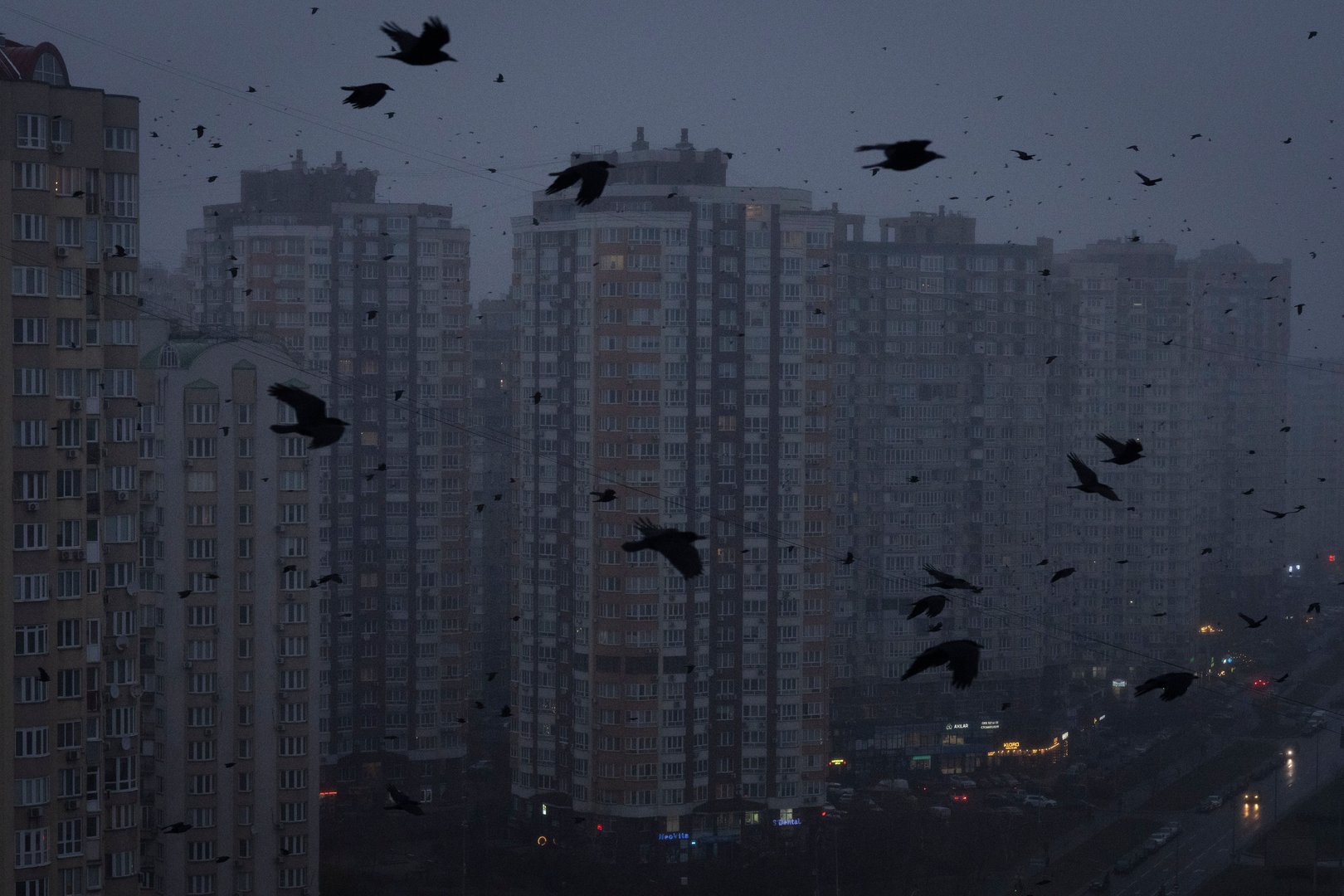
The tactical shift in Russian warfare—targeting the electrical grid and water supply—has placed immense pressure on the Ukrainian civilian population. According to the Ukrainian Ministry of Energy, the recent strikes have left millions without consistent access to power or water.
In the capital, Kyiv, the situation has become increasingly dire. Local authorities have established "invincibility centers" where residents can charge devices and access basic heating, as the grid struggles to recover from repeated strikes. The strategic intent behind these attacks is clear: to erode public morale and cripple the country’s industrial capacity as the temperatures drop.
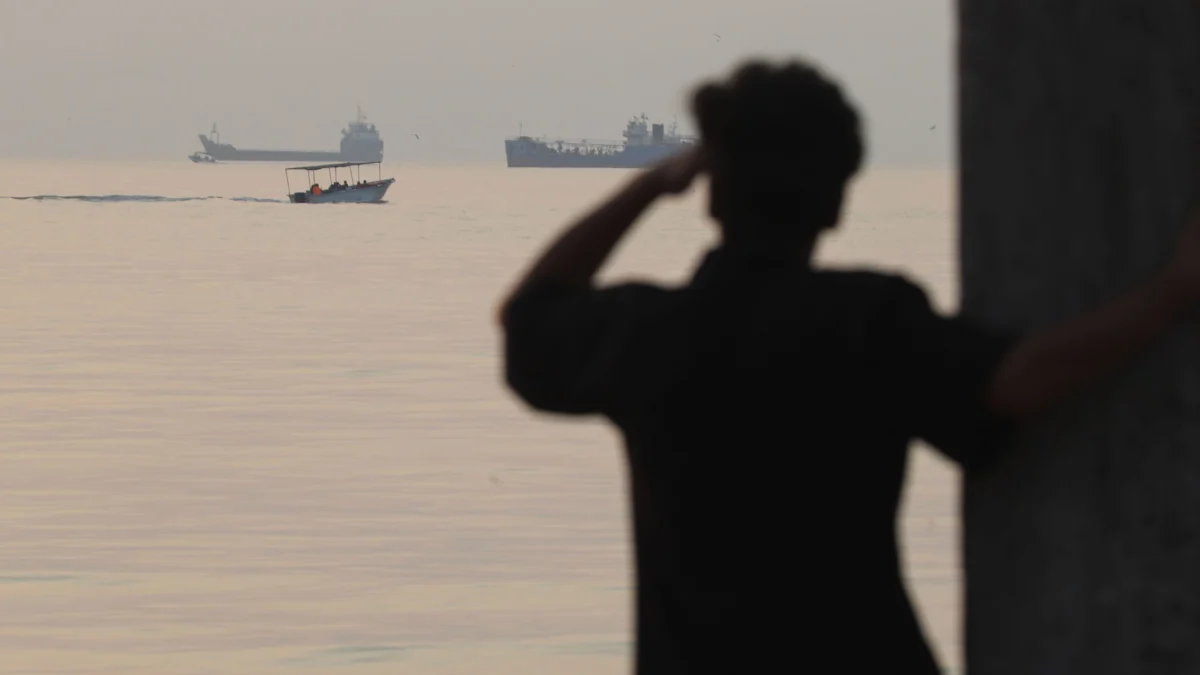
Beyond the energy sector, the conflict continues to disrupt global supply chains. Chancellor Friedrich Merz has pointedly accused Russia of inciting a global food crisis through its persistent attacks on cargo vessels in the Black Sea. By targeting the shipping lanes essential for grain exports, Moscow is effectively weaponizing food security to exert pressure on the international community, particularly the world’s most vulnerable nations.
Diplomatic Maneuvering and the "Oleschky Model"
One of the most unexpected developments in recent days has been the involvement of Melania Trump in facilitating a humanitarian ceasefire. The Ukrainian government, in a significant diplomatic gesture, awarded the U.S. First Lady the Order of Princess Olga, 1st Class, recognizing her role in negotiating the evacuation of the besieged city of Oleschky.
This six-day pause in hostilities was the longest of its kind since the start of the full-scale invasion. It allowed for the safe transit of civilians—who were given the choice of relocating to either Ukraine or Russia—and the delivery of essential humanitarian aid.
While some observers suggest this could serve as a "pilot model" for future localized ceasefires, President Zelenskyy remains skeptical of broader peace talks with the Kremlin. In his recent remarks, he stated that an invitation to dialogue with Vladimir Putin would be "destructive" if it lacked substance. Zelenskyy noted, "It would be an official, dry phone call in which I would have to listen to another historical lecture from the head of the Russian Federation."
Official Responses and Strategic Implications
The international response to the latest escalation has been one of continued, albeit cautious, resolve.
The View from Berlin
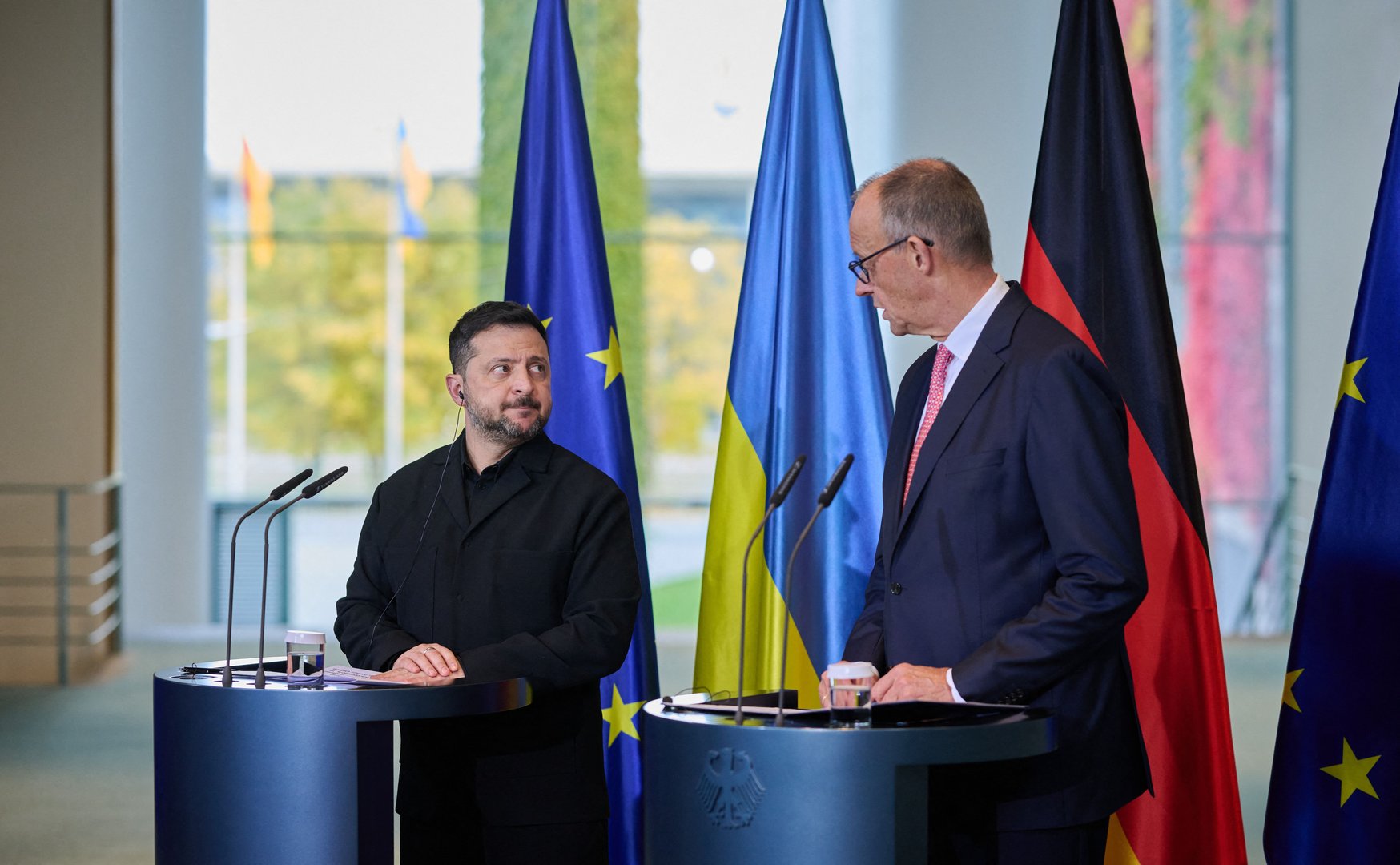
German Chancellor Friedrich Merz has been vocal regarding the sustainability of the war effort. Addressing the heavy losses suffered by Russian forces—estimated at over 26,000 dead and 26,000 severely wounded in October alone—Merz underscored that the sheer scale of the attrition is placing enormous strain on the Russian state. "It is now up to Russia to show that it is ready for serious negotiations," Merz stated. "We will continue to increase the pressure on Moscow."

The Transatlantic Security Perspective
In Washington and Brussels, the focus has shifted toward institutionalizing security guarantees. The European Commission is currently spearheading a series of high-level meetings with representatives from the U.S., NATO, and the World Bank to coordinate long-term reconstruction plans. These meetings, which build upon previous consultations held in Miami, aim to provide the "steel-reinforced" security guarantees that Zelenskyy has repeatedly requested as a prerequisite for any post-war stability.
The Strategic Threat to Europe
Zelenskyy’s warnings at the Berlin Security Conference highlighted the existential nature of the threat. He urged European leaders to look beyond the immediate battlefields of Ukraine. "Look at the military infrastructure that Russia has built in recent years," he argued. "Is it all for Ukraine? It is too much for just one country. It is directed against you."

Implications: The Path Forward
As the conflict moves into the winter months, three core implications have emerged:
- The Energy War as a Decider: The ability of the Ukrainian state to maintain power and heating will be the primary metric of resilience. If the energy grid collapses, the pressure for a negotiated settlement on unfavorable terms will mount significantly.
- The U.S. Political Factor: The outcome of the U.S. Congressional sessions and the alignment of the new administration will dictate the volume and velocity of military aid. Zelenskyy’s pivot to emphasize both Democratic and Republican support suggests he is aware that the "bipartisan shield" is the only thing standing between the Ukrainian military and a critical equipment shortfall.
- The Erosion of Diplomacy: The rejection of high-level talks, coupled with the continued targeting of logistics centers and infrastructure, suggests that both sides are preparing for a protracted war of attrition. The "Oleschky Model" remains a localized anomaly rather than a blueprint for national peace, as the fundamental lack of trust between Kyiv and Moscow prevents meaningful dialogue.
Ultimately, the war in Ukraine is no longer just a territorial dispute; it has become a fundamental test of the international order. As Chancellor Merz and President Zelenskyy have both emphasized, the cost of inaction is not merely measured in the ruins of Ukrainian cities, but in the potential for a wider, more destabilizing conflict across the European continent. For now, the strategy remains one of endurance: hardening the infrastructure, maintaining the diplomatic coalition, and hoping that the cumulative pressure of economic sanctions and battlefield losses will eventually force a shift in the Kremlin’s calculus.