
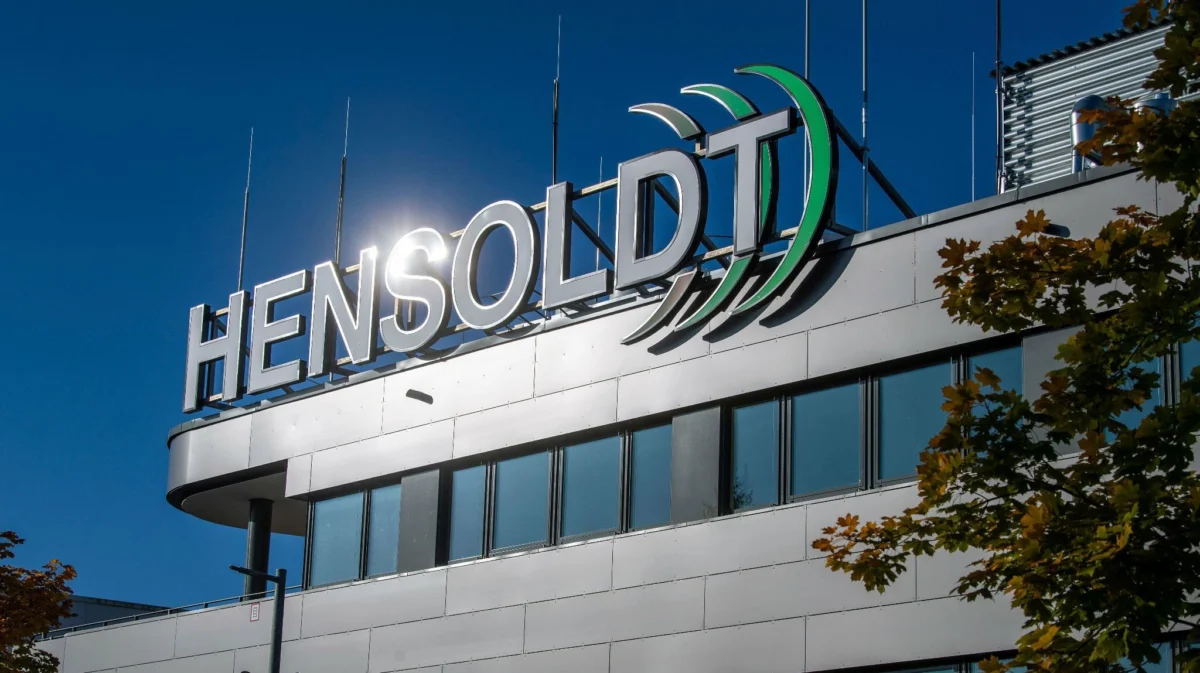
The global financial landscape is currently defined by a divergence in corporate fortunes. As the third-quarter earnings season reaches its zenith, major players across the defense, automotive, industrial, and technology sectors are reporting results that highlight the complex interplay of geopolitical instability, shifting consumer demand, and the relentless pressure of technological transformation.
From the resurgence of European defense spending to the cooling of the American consumer appetite and the unprecedented demand for AI-driven infrastructure, the latest data from companies ranging from Rheinmetall and Hensoldt to Toyota and the Commerzbank reveals a corporate world in transition.
The Core Narrative: Defense, Technology, and Resilience
The defining theme of the current quarter is the massive capital allocation toward defense and security. Amidst heightened geopolitical tensions in Europe and beyond, traditional manufacturers are pivoting rapidly to meet state-level demand. Simultaneously, the "AI boom" continues to act as a primary catalyst for industrial technology firms, which are hitting record revenue milestones even as other sectors—specifically automotive and retail—grapple with structural headwinds.

Key highlights from the reporting period include:
- Defense Sector Strength: Companies like Hensoldt and Renk are reporting significant growth in order books, validating the "Zeitenwende" and the broader trend of European rearmament.
- The AI Engine: Austrian substrate specialist AT&S reported record revenue, driven entirely by the insatiable appetite for high-end components required for artificial intelligence applications.
- Automotive Volatility: While Toyota has defied gravity with a major profit surge, the broader automotive supply chain—evidenced by the struggles of Aumovio and Continental—remains under extreme pressure from high input costs and cooling demand.
- Financial Stability: The banking sector, led by Commerzbank’s record-breaking performance, continues to benefit from higher interest environments, maintaining robust bottom lines despite broader economic stagnation.
Chronology of Corporate Performance: A Sector-by-Sector Breakdown
Defense and Industrial Engineering
The defense industry remains the primary engine of European industrial growth. Hensoldt has raised its full-year guidance following a robust nine-month performance, citing sustained high demand for defense technology across Germany and the European Union. CEO Oliver Dörre highlighted that the structural increase in defense spending is now finally translating from government pledges into tangible, realized revenue.
Similarly, Renk, the specialized manufacturer of tank transmissions, reported a 45% surge in new orders, with its order backlog reaching a staggering €7.6 billion. The company’s ability to scale production is being tested, but the bottom-line results confirm that the surge in European procurement is not merely a temporary spike but a long-term cyclical trend.

Technology and Semiconductors
AT&S shattered its own internal records this quarter. Reporting a 52% increase in revenue to €682 million, the company confirmed that the strategic shift toward high-end IC substrates for AI is paying off. Their EBITDA margin improved to 35.8%, a figure that underscores the high-value nature of the AI hardware supply chain.
In the semiconductor materials space, Siltronic has also adjusted its outlook upward. Despite the cyclical nature of the wafer industry, the company is benefiting from a more favorable exchange rate environment and the persistent demand for chip-grade silicon, effectively silencing fears of a prolonged downturn.
Automotive and Mobility
The picture in the automotive sector is starkly polarized. Toyota shocked the Tokyo Stock Exchange with a 14% single-day share price surge—the largest since 2008—following a profit jump of one-third. The success of their hybrid portfolio, combined with the tailwind of a weak Yen, has allowed them to outperform analyst expectations significantly.
Conversely, the supply chain is feeling the heat. Aumovio reported a 10.5% drop in operating profit, citing a decline in global car production and the costs associated with settling legal disputes over brake components. Continental has also been forced to navigate a narrow path, as it deals with rising raw material costs while attempting to stabilize its core tire business.
Retail and Services
HelloFresh continues to struggle with revenue growth, as inflation-weary consumers reduce discretionary spending on meal kits. However, the company has managed a "profit jump" through ruthless cost-cutting and a reduction in marketing expenditure, signaling a transition from a growth-at-all-costs phase to a focus on margin preservation. McDonald’s has also faced a decline in foot traffic in its US home market, highlighting a global trend of consumer resistance to price hikes.
Supporting Data: The Financial Landscape
| Company | Key Metric | Performance |
|---|---|---|
| AT&S | Revenue Growth | +52% |
| Renk | Order Intake | +45% |
| Commerzbank | Net Profit (9mo) | €2.7 Billion (Record) |
| Toyota | Oper. Profit | +33% |
| Swiss Re | Net Profit | $1.34 Billion (Exceeding Est.) |
The data suggests that while top-line growth is hard to come by for consumer-facing businesses, B2B and specialized industrial firms are operating in a separate, more lucrative reality.

Official Responses and Strategic Guidance
Management teams have been notably cautious regarding the macroeconomic outlook for 2027. Siemens Healthineers has signaled a period of stagnation, with the company anticipating flat profits as it navigates a challenging regulatory and pricing environment.
In the banking sector, Commerzbank management remains committed to its target of a record €3.4 billion profit for the year, focusing on strict cost discipline despite the looming threat of an economic slowdown in Germany.
Rheinmetall provides a cautionary tale for the defense sector; despite the massive growth in demand, the company was forced to lower its forecast for the second time this year. The reason? The complexities of the German procurement system. Specifically, the delayed acquisition of the "Boxer" armored vehicle has created a bottleneck that even a company with an overflowing order book cannot ignore. This serves as a vital reminder that administrative and bureaucratic hurdles remain a significant risk factor for companies relying on state contracts.

Implications: Where Does the Market Go from Here?
The primary implication of this quarter’s results is that selectivity is paramount. The "rising tide" that characterized the post-pandemic recovery has receded, leaving investors to choose between companies with clear secular growth drivers—such as AI, defense, and hybrid automotive technology—and those struggling with the structural limitations of legacy business models.
1. The Geopolitical Risk Premium
The consistent performance of defense firms suggests that the "Geopolitical Risk Premium" is now a permanent fixture in corporate valuation. Governments in Europe are no longer just making promises; they are signing checks. This will provide a long-term floor for the earnings of companies like Hensoldt and Renk, provided they can manage the operational complexities of scaling production.
2. The AI-Infrastructure Cycle
The results from AT&S and the broader semiconductor sector indicate that the AI hype is transitioning into an infrastructure build-out phase. Companies that provide the physical hardware—the substrates, the wafers, the transmission systems—are beginning to see their order books reflect the massive capital expenditure cycles of the tech giants.

3. The Consumer "Pivot Point"
The divergence between McDonald’s and HelloFresh on one hand, and the luxury and high-performance sectors on the other, suggests a bifurcated consumer market. Households are becoming increasingly price-sensitive, which will force companies to either improve their operational efficiency to protect margins or face the risk of eroding market share.
4. Banking as a Safe Haven
The record performance of the Commerzbank is an outlier in a weak German economy, but it demonstrates the power of the interest-rate environment. Banks have effectively become the "utilities" of the current cycle, providing stable cash flows while other sectors oscillate between growth and contraction.
Conclusion
The current earnings cycle has provided a masterclass in market differentiation. While the broader economic narrative remains one of uncertainty, high-interest rates, and geopolitical friction, individual sectors have found ways to thrive. The winners are those who have successfully aligned their operations with the structural demands of the decade: defense, decarbonization through hybrid mobility, and the massive technological shift toward AI. For the losers, the message is equally clear: in an era of high costs and selective demand, there is no longer room for inefficiency. As we look toward the final quarter of 2026, the focus will shift from headline growth to the ability of these firms to maintain their margins in an increasingly competitive and politically fraught global market.