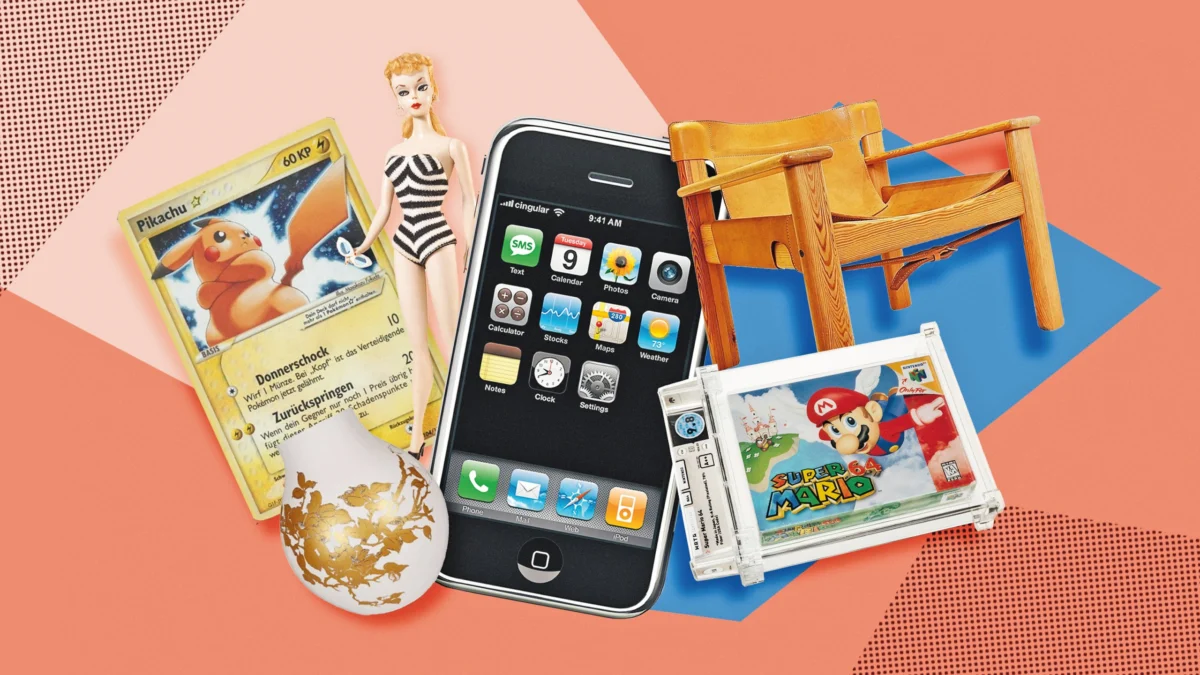
In the world of high-stakes investment, the most lucrative assets are no longer just blue-chip stocks, gold bars, or real estate. Increasingly, the most sought-after treasures are sitting gathering dust in attics, garages, and forgotten storage units. From original, factory-sealed iPhones to 1990s video games and even mass-produced furniture, a new class of "alternative assets" has emerged, turning everyday consumer goods into modern-day gold mines.
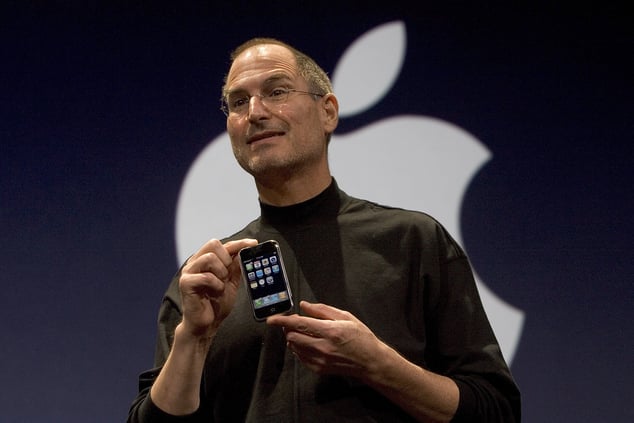
The numbers are staggering. In 2023, a first-generation iPhone—the device that revolutionized mobile communication—was auctioned for a record-breaking $190,000. When it launched in 2007, the same phone cost just $499. This represents a value increase of nearly 38,000 percent. While this specific unit was a rare four-gigabyte model, the broader market for "mint-condition" nostalgia is showing no signs of slowing down.

The Anatomy of a Sammlermarkt: How Value Is Created
What transforms a piece of mass-produced plastic or silicon into a six-figure asset? According to Jacco Scheper, managing director of Heritage Auctions Europe, the phenomenon is driven by a unique intersection of rarity, nostalgia, and generational shifts in wealth.
Heritage Auctions, a global leader in the collectibles market, made headlines five years ago when it sold a pristine, unopened copy of Super Mario 64 for $1.56 million. For perspective, the game retailed for roughly $60 to $70 when it hit the shelves in 1996.

"Videogames like these were never meant to be exclusive," says Scheper. "They were ubiquitous. Everyone had one." The key to the astronomical price, however, is the state of the object. "The fact that the game remained sealed in its original shrink-wrap is what changes the game entirely. It is a time capsule."
This "time capsule" effect is the cornerstone of the collectibles market. When a generation that grew up with these items reaches its peak earning years, they often seek to recapture their youth. They are no longer just buying a game or a phone; they are buying a tangible connection to their childhood.
Chronology of the Nostalgia Boom
The rise of the "modern collectible" has not happened overnight. It is a slow-burn process that typically follows a three-decade cycle:
- 1990s–2000s: The Era of Mass Consumption: Products like the original iPhone, Nintendo 64 games, and Pokémon cards become cultural staples. They are bought by the millions, used, and often discarded.
- 2010s: The "Lost" Years: As technology evolves, these items become obsolete. They are relegated to basements and attics. The supply of "pristine" items plummets as the majority of units are either used, damaged, or thrown away.
- 2020s: The Investment Realization: The generation that grew up with these products enters their 30s and 40s. They have disposable income and a growing desire for status symbols that reflect their personal history. Auction houses and online platforms facilitate the professionalization of this market.
Supporting Data: When Toys Outperform Stocks
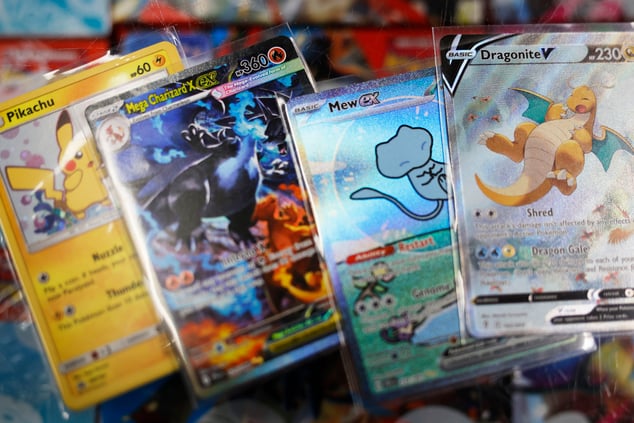
The data on these assets is increasingly difficult to ignore. Pokémon, now recognized as the largest media franchise in history, has generated between $130 billion and $280 billion in total revenue over the last 30 years. This massive cultural footprint provides the necessary fuel for a secondary market.

In early 2024, a "Pikachu Illustrator" card was sold to a US investor for $16.5 million. Similarly, a first-edition 1959 Barbie doll, if found in its original, unopened packaging, can command upwards of $27,000.
These figures highlight a vital lesson: rarity alone is not enough. A rare item with no cultural resonance will remain worthless. A rare item that triggers a deep, collective nostalgia—supported by a massive, ongoing media franchise—becomes a high-value asset.
The Role of Cultural Shifts and Institutional Analysis
Janine Seitz, a prominent futurist specializing in consumer trends, argues that we must look for "societal pivots" to identify the next generation of collectibles.
"Objects become collectibles when they signify a fundamental change in how we live," Seitz explains. "The iPhone didn’t just change our pockets; it changed the way humans interact with reality. That is why it has become such a potent artifact."

Looking forward, Seitz points to the current wave of Artificial Intelligence. "I could easily see early, flawed AI-generated images or early AI-driven hardware becoming the next ‘first-generation’ collectible. Collectors love stories of human progress, and the ‘clunky’ first versions of revolutionary technology are the ultimate embodiment of that."
However, Seitz also offers a warning. The modern retail landscape is designed for short-term cycles. "We live in a world of ‘fast consumption.’ Social media trends are designed to vanish in months. Because people are no longer building long-term emotional attachments to these ephemeral products, it is becoming increasingly difficult for new items to achieve ‘classic’ status."
Implications: The New Frontiers of Collecting
If you are looking to identify the next big thing, experts suggest shifting your focus toward three primary categories:
1. Technology: Digital Scarcity
The hardware is becoming secondary to the software trapped inside it. Toby Wickwire, a technology expert at the auction platform Catawiki, suggests that smartphones with specific, defunct applications installed—such as the original Flappy Bird—are already seeing value spikes. Similarly, gaming consoles that house unique, unreleased, or discontinued "playable teasers" are becoming targets for serious collectors.

2. Design and Furniture: The Ikea Paradox
It may sound counterintuitive, but mass-market design is a growing investment category. A set of PS-Jonsberg vases designed by Hella Jongerius for Ikea sold for $2,450 in a recent auction—nearly 20 times their original retail price. The Varmblixt donut lamp by Sabine Marcelis is currently being watched by design experts as a potential candidate for future "cult" status.
3. Sports Memorabilia: The Gender Gap
Giovanni Cerra, an expert in sports memorabilia, points to a massive, untapped market: women’s sports. "The market for women’s sports memorabilia is still in its infancy, yet the sport itself is growing exponentially," says Cerra. "Buying game-worn jerseys now, while they are still affordable, could prove to be a very savvy long-term play."

Official Responses and The "Grading" Reality
Regardless of the category, there is one rule that remains absolute: the condition is everything. The industry has seen the rise of "Grading" companies—third-party institutions that analyze items for authenticity and condition.
"Nuance is the difference between a fortune and a bargain," says Scheper. "A bank note that has been folded once can lose 50 percent of its market value instantly. A card that is a ‘9’ on a grading scale might be worth $5 million, but a ’10’ might be worth $16 million."

The implication for the amateur collector is clear: if you believe you have a future collectible, do not touch it. Do not open it. Do not play with it. Protect it from light, moisture, and temperature fluctuations.
Conclusion: Is This a Bubble?
As with any market experiencing explosive growth, skeptics warn of a bubble. The shift from philately (stamp collecting) and numismatics (coin collecting) to video games and sneakers is undeniable. Stamps, once the cornerstone of every collector’s hobby, have seen their market shrink as the daily necessity of sending physical letters evaporated.

"Markets depend on the daily reality of the people," says Scheper. "As our reality becomes more digital, our physical collections will become more focused on the devices that enabled that transition."
For the average person, the lesson is not necessarily to start hoarding every gadget they buy, but to recognize the cultural significance of the items they own. The next $190,000 asset might not be a rare painting or a classic car; it might be the box currently sitting in your closet, waiting for the right generation to come of age and decide that it is finally time to go home.