The strategic waterway of the Strait of Hormuz—the world’s most critical artery for global oil and gas transit—has once again become the epicenter of a dangerous geopolitical standoff. Following a series of explosions targeting commercial vessels and renewed military posturing, the region is bracing for a potential expansion of the ongoing Iran-led conflict. As crude oil prices fluctuate wildly in response to the chaos, the international community watches with bated breath to see if a diplomatic off-ramp can be found before the situation spirals into full-scale regional warfare.
The Current Crisis: A Summary of Key Events
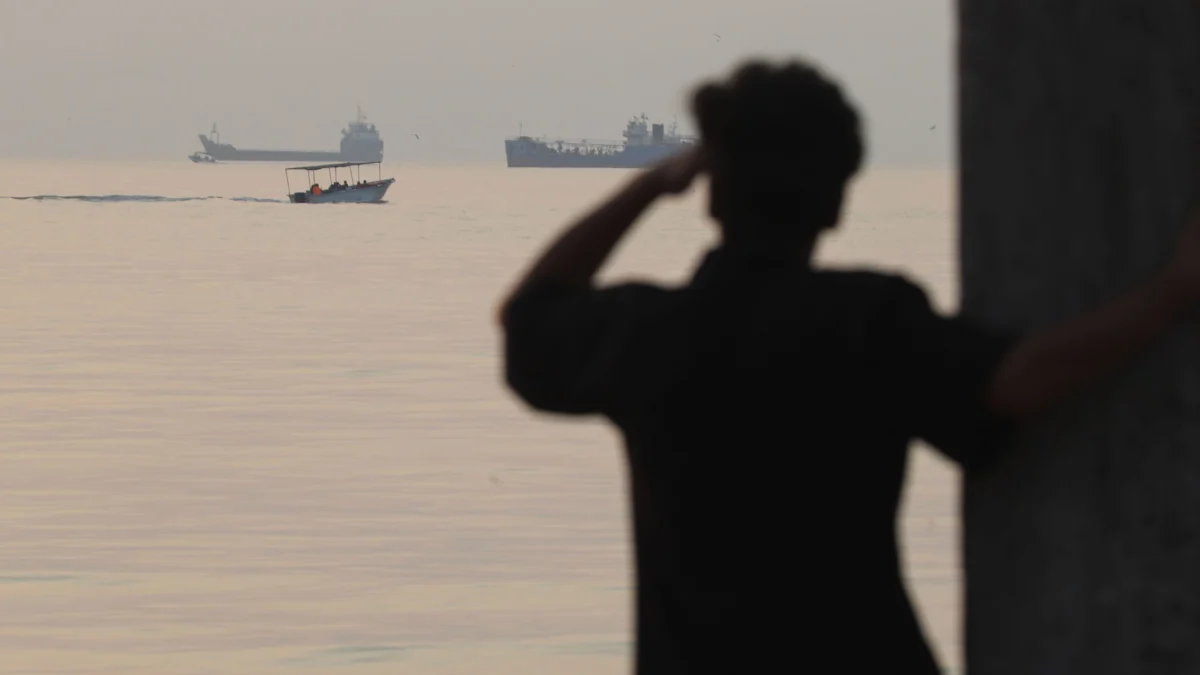
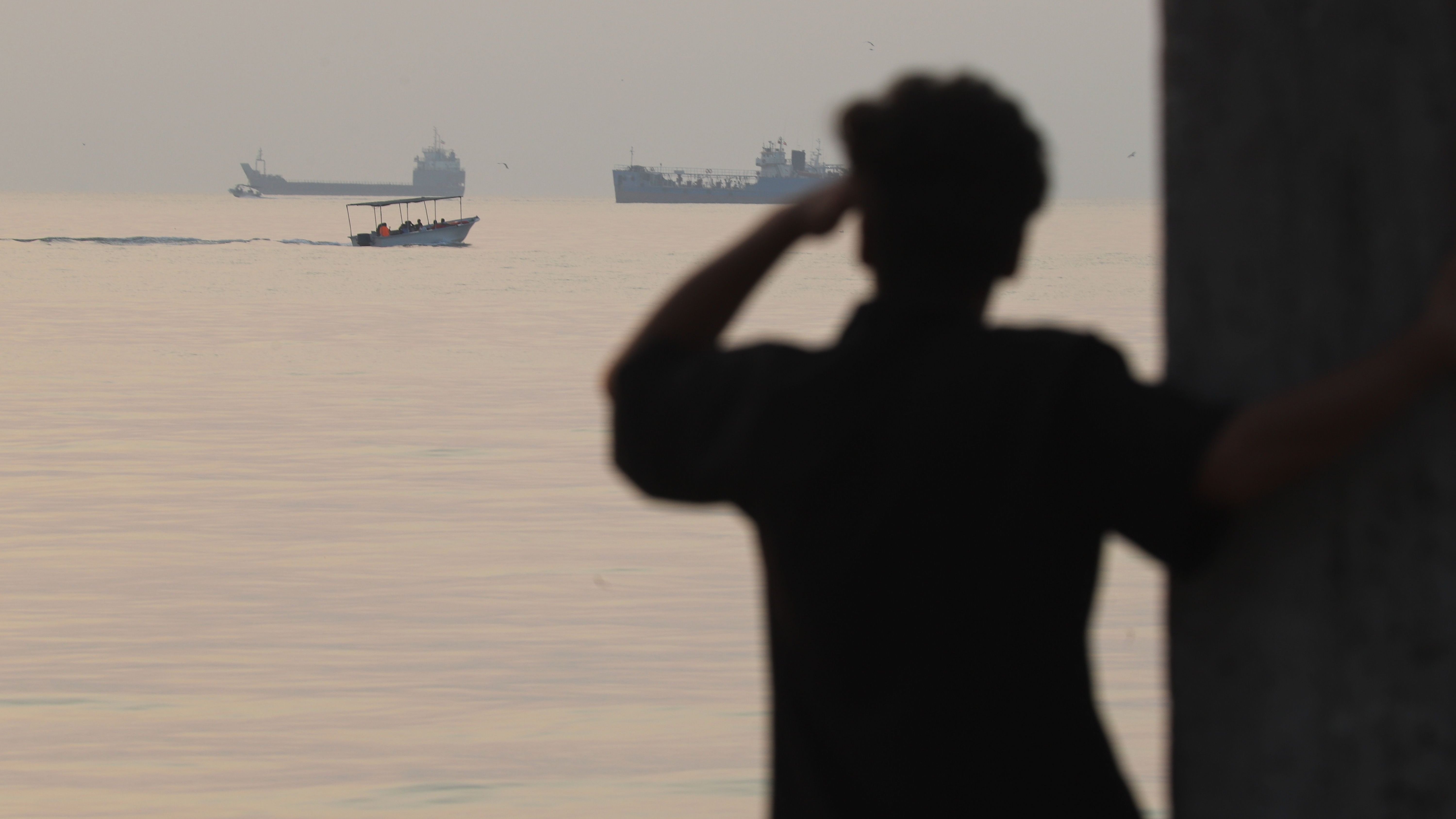
The latest surge in tensions began when Iranian sources reported that multiple vessels were incapacitated within the Strait of Hormuz. According to the Iranian Revolutionary Guard Corps (IRGC), several tankers and a support tug were struck by sea mines while traversing the narrow, 35-to-40-kilometer-wide maritime passage.
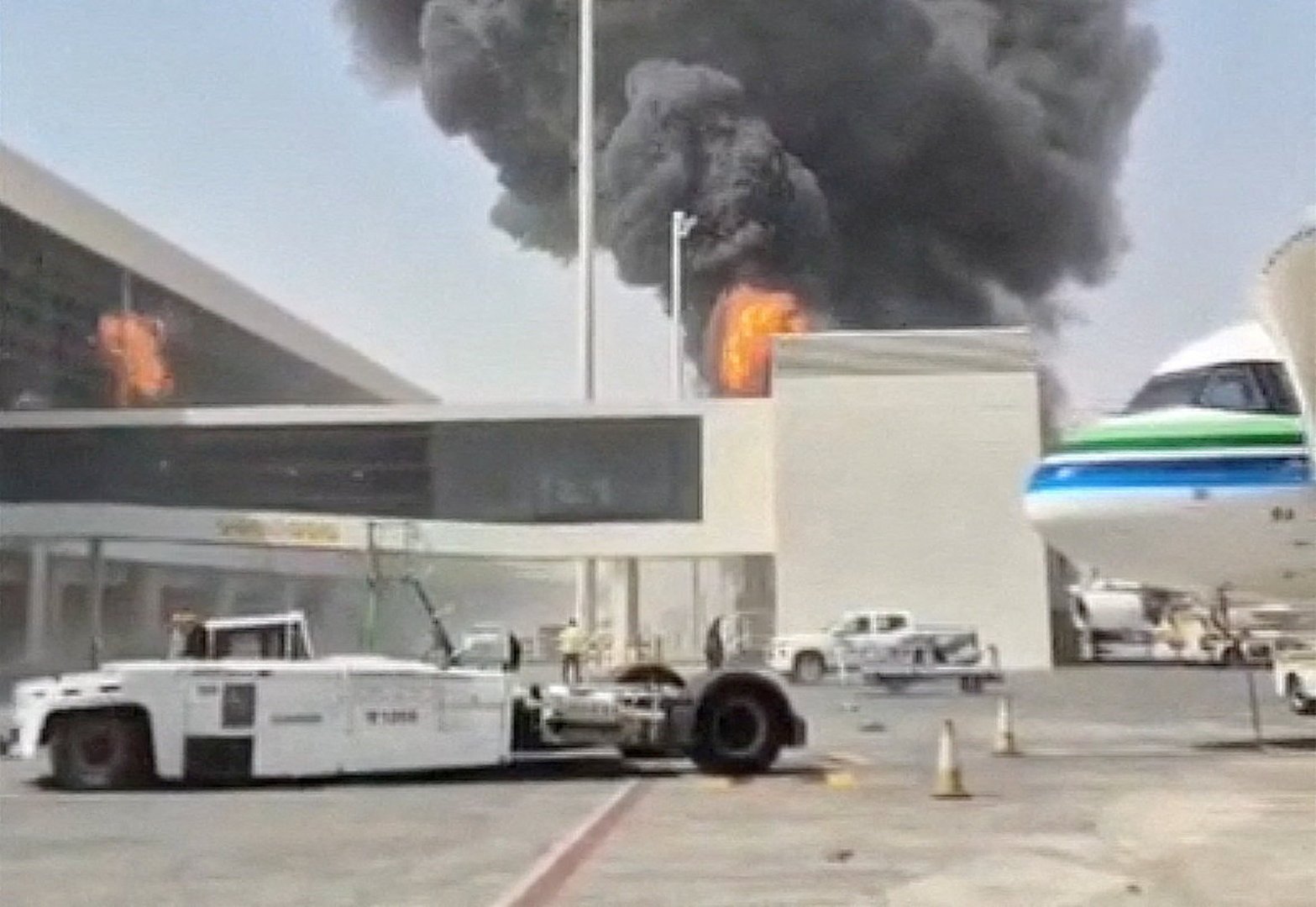
Tehran claims these vessels were violating "unauthorized routes" and failing to adhere to the designated corridors mandated by the Iranian military. Simultaneously, the conflict has widened, with the Iran-backed Houthi militia claiming a fresh rocket strike on the international airport in Riyadh, Saudi Arabia, further complicating the security landscape for the Gulf monarchies.
Against this backdrop of kinetic action, global energy markets have responded with volatility. Oil prices, which had recently dipped to their lowest levels since early September due to faint hopes of a diplomatic breakthrough, have begun to tick upward again as investors fear the long-term closure or obstruction of the Strait.

Chronology of Recent Escalations
The current phase of the conflict is defined by a rapid succession of military and diplomatic maneuvers:
- Late February/Early March: Following a series of limited military engagements between the U.S., Israel, and Iran, Tehran tightened its maritime restrictions in the Strait, declaring specific corridors that international shipping must follow under Iranian supervision.
- The November 3rd Incident: Iranian state media reported that four tankers were destroyed after striking mines. The IRGC asserted that these vessels were attempting to bypass mandatory transit routes.
- The Houthi Front: In parallel with the maritime incidents, the Houthi movement intensified its campaign against Saudi infrastructure, specifically targeting the Riyadh airport with long-range projectiles, leading to a state of high alert across the Kingdom’s civil defense agencies.
- The U.S. Response: Reports have emerged, substantiated by U.S. government officials, that the United States conducted targeted strikes on Iranian positions on the island of Qeshm. These strikes were reportedly in response to a missile launch directed at a U.S. aircraft.
- Diplomatic Efforts: China has moved to position itself as a potential mediator, announcing plans to send a special envoy to Iran, Oman, and Saudi Arabia to de-escalate tensions. Meanwhile, the Iranian government has proposed a "two-day" plan to reopen the Strait, provided the U.S. meets specific demands, including the lifting of blockades on Iranian ports and the cessation of sanctions on oil exports.
Economic Implications: The Energy Market at Risk
The Strait of Hormuz is not merely a geographic bottleneck; it is the "jugular vein" of the global energy economy. Approximately 20% of the world’s petroleum liquids pass through this channel daily. Any disruption here has immediate, cascading effects on the global cost of living.
For several weeks, the conflict has suppressed export volumes significantly. Data providers, including Kpler, have noted that oil exports through the Strait have plummeted to levels not seen since late August. Currently, exports are hovering at roughly 45% of pre-war levels.
The market’s reaction has been erratic. Initially, rumors of potential diplomatic breakthroughs saw the price of Brent crude drop toward $94 per barrel, with West Texas Intermediate (WTI) falling toward $87. However, the subsequent news of the tanker explosions and renewed U.S. strikes triggered a sharp reversal, with Brent surging back above $107 per barrel. Analysts warn that if the "geopolitical risk premium" remains high, these prices could continue to climb, placing immense pressure on the U.S. and European economies.
The Political Landscape: Israel and the U.S.
The domestic political situation in Israel and the United States is deeply intertwined with these military developments.
The Israeli Election Impasse
In Israel, the political climate remains fractured. Following the recent parliamentary elections, the Israeli Election Commission has cleared the results of fraud allegations leveled by Prime Minister Benjamin Netanyahu’s Likud party against Arab-led factions. Despite the lack of evidence for widespread irregularities, the accusations have deepened the social divide. With neither the right-wing bloc nor the opposition achieving a clear 61-seat majority, President Isaac Herzog has begun the arduous process of consulting with party leaders to form a government. This political gridlock limits Israel’s ability to project a unified stance toward the escalating maritime threat.

The U.S. Stance
In Washington, the narrative remains fluid. President Donald Trump, facing pressure ahead of midterm elections, has attempted to balance a policy of "peace through strength" with the need to avoid a full-scale regional war that could further damage the U.S. economy through high fuel prices.
While Trump has been criticized for mixed signals—alternating between threats of attack and suggestions that he is "ready" to negotiate—Vice President JD Vance has struck a more optimistic tone, suggesting that diplomatic channels remain open. However, the U.S. remains adamant that any deal must include binding, verifiable constraints on Iran’s nuclear program, a demand that Tehran continues to resist.

Official Responses and Strategic Posturing
The Iranian Perspective
Tehran’s rhetoric suggests a dual-track strategy: "defense and diplomacy." Foreign Ministry spokesperson Ismail Baghai has emphasized that the Islamic Republic is prepared to restore normal transit through the Strait of Hormuz within 48 hours of an agreement, provided Washington adheres to their seven conditions. These include the total lifting of the blockade on Iranian ports, the removal of sanctions on oil sales, and a ceasefire that encompasses Lebanon. The regime continues to insist that its actions in the Strait are defensive measures designed to ensure regional security and counter what it terms "foreign interference."
The International Response
The international community remains divided. While the U.S. and Israel have coordinated on limited strikes, other major powers are wary. China’s decision to dispatch a special envoy indicates that Beijing is increasingly concerned about the impact of the conflict on its own energy security. President Xi Jinping has publicly stated that the Gulf region should not be a "plaything for great power rivalries," a thinly veiled critique of U.S. interventionist policy.

The Human and Logistical Toll
Beyond the high-level geopolitical posturing, the crisis has had tangible, localized impacts. In the West Bank, the Israeli military has recently concluded a week-long operation in the Hebron area. While the governor of Hebron, Chalid Dudin, reported that the army has begun to withdraw and that the 3,300 displaced residents may return home, the infrastructure damage is extensive.
Furthermore, the conflict has forced the cancellation or postponement of major cultural and sporting events. The Asian Football Confederation (AFC) recently announced that the 2027 Asian Cup, originally scheduled for Saudi Arabia, will be pushed back to late 2027 and early 2028 due to the "extraordinary circumstances" and logistical disruptions caused by the regional conflict.

Looking Ahead: The Path to De-escalation
The situation in the Strait of Hormuz stands at a precarious threshold. The competing interests of the U.S. and its allies against the regional ambitions of Iran and its proxies create a cycle of action and reaction that is difficult to break.
The key to preventing a wider conflict likely lies in three areas:

- Direct Communication: The ongoing, albeit quiet, negotiations in Doha between Iran and Qatari intermediaries serve as the most vital mechanism for preventing a miscalculation that leads to open war.
- Economic Stabilization: If the U.S. and Iran can reach a temporary agreement on oil exports—perhaps a "freeze-for-freeze" deal—the immediate pressure on global energy markets might ease, providing space for deeper diplomatic engagement.
- Regional Stability: The role of regional powers like Oman and Saudi Arabia will be critical. If these nations can facilitate a broader security dialogue that addresses both the maritime security concerns and the Houthi insurgency in Yemen, the current state of "contained conflict" may prevent the catastrophe of a larger regional war.
For now, the Strait of Hormuz remains a powder keg. As tankers lie at anchor and military patrols increase, the world is reminded of how quickly the global economy can be brought to a standstill by the failure of diplomacy in one of the world’s most vital waterways. The coming weeks will determine whether the current tensions lead to a new era of regional negotiation or a deeper, more entrenched conflict.