Washington D.C./Tehran – In a dramatic turn of events that underscores the volatile nature of US-Iran relations, former U.S. President Donald Trump announced new talks with Tehran set to commence on Monday. This declaration came swiftly after his provisional decision to defer further military strikes against Iran, a move he claimed was prompted by requests from Iran and other key Gulf allies. However, Iran has vehemently denied making any such requests, dismissing Trump’s assertions as "nothing but a new lie" and characterizing the impending discussions as merely an "exchange of opinions."
The announcement injects a fresh dose of uncertainty into an already fraught geopolitical landscape, where the Strait of Hormuz remains a critical flashpoint and Iran’s nuclear ambitions continue to be a source of profound international concern. Trump, speaking to journalists aboard Air Force One on Sunday, stated, "What we are doing is, we are talking to them in the form of negotiations. It starts tomorrow afternoon." He offered no immediate details regarding the location or participants of these prospective talks, leaving many observers to question the true nature and potential efficacy of the proposed dialogue.
This sudden pivot towards negotiation follows a period of heightened rhetoric and near-miss military confrontation. Just days prior, Trump had threatened Iran with "massive attacks," asserting that the U.S. would "go after them very hard." His subsequent claim of an impending "largest attack since World War II" further amplified the sense of imminent conflict, only to be followed by this abrupt de-escalation and call for talks. The rapid oscillations between bellicose threats and diplomatic overtures have become a hallmark of Trump’s foreign policy approach, particularly concerning Iran.
Main Facts and Immediate Reactions
The core of the unfolding narrative centers on two conflicting accounts: Trump’s assertion of a requested de-escalation leading to negotiations, and Iran’s categorical denial. On Saturday evening, Trump had used his social media platform, Truth Social, to announce that the United States and Israel would temporarily refrain from further attacks on Iran. He attributed this decision to appeals from Iran, Saudi Arabia, the United Arab Emirates, and Qatar, citing a purported agreement on the "outlines of a deal."
This claim was swiftly challenged by Iranian military officials. The Iranian news agency Mehr quoted these officials on Sunday, refuting Trump’s statement as entirely fabricated. For Iran, the upcoming discussions are not a result of succumbing to pressure or requesting a halt to attacks, but rather an ongoing "exchange of opinions" on specific regional issues. Hassan Ghaschghawi, an Iranian parliamentarian and spokesperson for the Committee for National Security, affirmed in a television interview on Sunday that "efforts are underway" to revive an earlier agreement, emphasizing that "the main issue is the Strait of Hormuz."
The divergent interpretations immediately cast a shadow over the prospects of any meaningful progress. While Trump framed the move as a direct result of concessions and a step towards a comprehensive agreement, Iran portrayed it as a continuation of existing diplomatic efforts, albeit under intense pressure. The lack of clarity on the agenda, participants, and even the fundamental premise of the talks underscores the deep mistrust and communication challenges that plague US-Iran relations.

Chronology of Escalation and De-escalation
The current situation is the culmination of years of escalating tensions, marked by a series of critical junctures:
- 2018: US Withdrawal from JCPOA: A pivotal moment was Trump’s decision in May 2018 to withdraw the United States from the Joint Comprehensive Plan of Action (JCPOA), the landmark nuclear deal signed in 2015. This withdrawal, accompanied by the re-imposition and intensification of crippling sanctions on Iran, effectively dismantled the fragile framework for nuclear non-proliferation and economic integration that had been established. Iran, in response, gradually began to roll back its commitments under the deal, increasing uranium enrichment levels and restricting international inspections.
- 2019-2020: Tanker Attacks and Drone Downing: The Gulf region witnessed a surge in maritime incidents, including attacks on oil tankers in the Gulf of Oman, which the U.S. and its allies attributed to Iran. In June 2019, Iran shot down a sophisticated U.S. surveillance drone over the Strait of Hormuz, claiming it had violated Iranian airspace. Trump subsequently approved military strikes in retaliation but famously called them off at the last minute, citing potential high casualties.
- January 2020: Assassination of Qasem Soleimani: The U.S. assassination of Iranian Major General Qasem Soleimani, commander of the Quds Force, in Baghdad in January 2020, brought the two nations to the brink of all-out war. Iran retaliated with missile strikes on Iraqi bases housing U.S. troops, causing traumatic brain injuries to over 100 American service members.
- Post-Biden Era: Continued Standoff: Despite hopes for a return to the JCPOA under the Biden administration, negotiations stalled, primarily over the lifting of sanctions and Iranian demands for guarantees against future U.S. withdrawal. Incidents in the Gulf continued, including Iranian seizures of commercial vessels and ongoing proxy conflicts across the region.
- Mid-July Resumption of US Attacks: The article mentions that "Mid-July, the USA resumed its attacks." This likely refers to targeted actions or cyberattacks, as full-scale conventional warfare has not been ongoing. This detail highlights a continued pattern of limited, often covert, military engagements alongside diplomatic maneuvers.
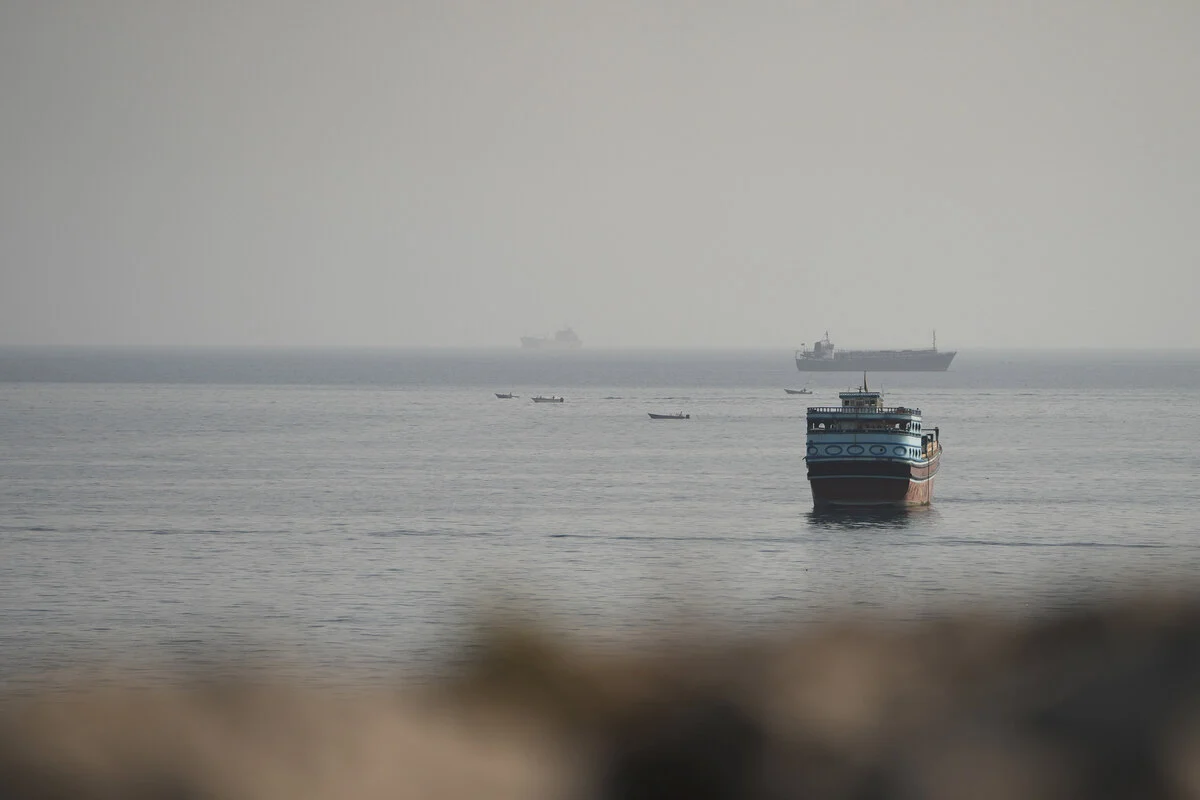
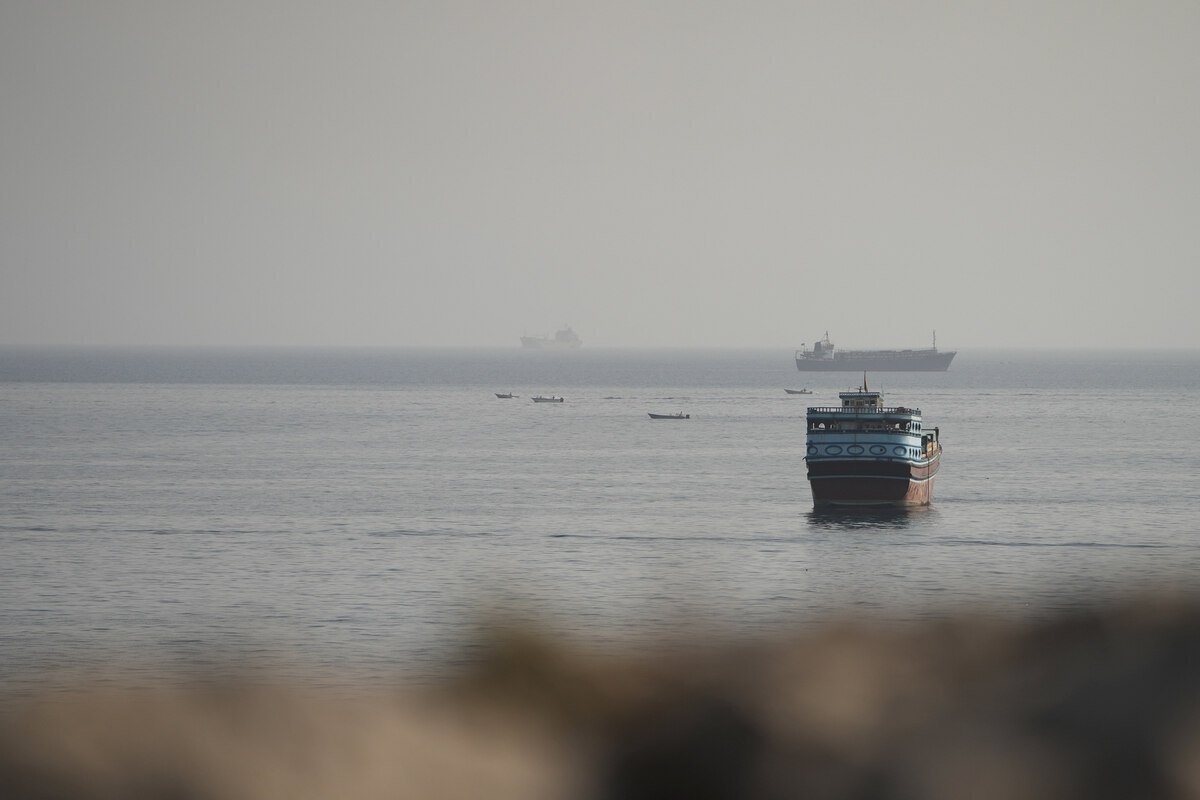
- Recent Threats and De-escalation: Trump’s recent threats of "massive attacks" and his characterization of a planned offensive as "the largest attack since World War II" set a grim backdrop for the region. His subsequent announcement of a temporary halt to these attacks, based on alleged appeals from Gulf allies, and the call for new talks beginning Monday, marks the latest, highly unpredictable chapter in this ongoing saga. The report of an explosion near a tanker in the Strait of Hormuz on Sunday evening, though without casualties, serves as a stark reminder of the persistent dangers in the region even as diplomatic overtures are made.
Supporting Data and Geopolitical Context
The conflict between the U.S. and Iran is deeply rooted in historical grievances, strategic competition, and divergent ideological paths. Several key factors provide essential context:

- The Strait of Hormuz: A Global Choke Point: This narrow waterway, situated between Iran and Oman, is arguably the most strategically important oil transit choke point in the world. Approximately one-fifth of the world’s total oil consumption, and a substantial portion of its liquefied natural gas (LNG), passes through it daily. Any disruption to shipping in the Strait has immediate and severe repercussions for global energy markets. Iran has repeatedly threatened to block the Strait, and has, at times, disrupted shipping, using it as leverage against international sanctions and military threats. The original article mentions Iran blocking the Strait after the "Iran War" – this phrasing is ambiguous but likely refers to the ongoing state of high tension and low-intensity conflict rather than a formal war. Iran’s desire to levy fees on passing ships, which the U.S. vehemently rejects, underscores its attempt to assert sovereignty and control over this vital passage.
- Iran’s Nuclear Program: The primary international concern revolves around Iran’s potential to develop nuclear weapons. The JCPOA was designed to prevent this, but its collapse reignited fears. Iran maintains its program is for peaceful energy purposes, but its continued enrichment of uranium to higher purities and its limitations on IAEA inspections raise proliferation concerns among Western powers and regional adversaries. Any comprehensive deal would need to address this issue robustly.
- Regional Power Dynamics and Proxies: Iran plays a significant role in regional conflicts, supporting various non-state actors such as Hezbollah in Lebanon, Houthi rebels in Yemen, and various Shiite militias in Iraq and Syria. These proxy networks are viewed by the U.S. and its Gulf allies (Saudi Arabia, UAE, Qatar) as destabilizing forces that challenge their security interests and regional dominance. The Gulf states, heavily reliant on secure shipping lanes for their oil exports, have a vested interest in de-escalation, though they also seek to counter Iranian influence. Trump’s claim that these allies requested a halt to attacks, while unconfirmed by the allies themselves, highlights their vulnerability to any widespread conflict.
- Trump’s "Art of the Deal" Diplomacy: Throughout his presidency, Donald Trump often employed a high-stakes negotiating style, characterized by aggressive rhetoric, maximalist demands, and sudden shifts between threats and offers of dialogue. His approach to North Korea, for instance, involved similar patterns of escalating tensions followed by direct, high-profile meetings. This makes it challenging to discern whether his current overtures to Iran represent a genuine strategic shift or another tactical maneuver to gain leverage.
- Economic Pressures: The U.S. sanctions regime has severely impacted Iran’s economy, leading to widespread public discontent. While Iran’s leadership has shown resilience, the economic pain provides a powerful incentive for some form of de-escalation or a new agreement that could ease sanctions.
Official Responses and Conflicting Narratives
The official responses from both sides highlight the deep chasm of mistrust and the carefully curated narratives each nation presents to its domestic and international audiences.
- United States (Donald Trump): Trump’s narrative is one of strength and successful coercion. He presents the temporary halt to attacks as a magnanimous gesture, made possible by Iran and its neighbors recognizing the overwhelming force the U.S. was prepared to unleash. His insistence on the "largest attack since World War II" serves to underscore the perceived threat level and, by extension, the significance of his decision to defer. By claiming that Saudi Arabia, the UAE, and Qatar also requested the de-escalation, he attempts to portray a unified front of concerned regional actors and suggests that his allies trust his judgment to secure a "deal." This framing allows him to claim a diplomatic victory, even if the "deal" remains entirely undefined.
- Iran: Iran’s response is one of defiance and maintaining sovereignty. By denying any request for a halt to attacks and labeling Trump’s statement a "lie," Tehran seeks to avoid appearing weak or capitulating under pressure. Its characterization of the upcoming discussions as an "exchange of opinions" rather than formal "negotiations" implies a less structured and less binding process, preserving its diplomatic flexibility. The focus on the Strait of Hormuz as the "main question" and the pursuit of a "new route" agreement with Oman underlines Iran’s strategic priorities: ensuring its regional influence and economic lifeline, while also asserting its sovereign rights over a vital waterway. The Iranian Foreign Ministry spokesman, Esmaeil Bakaei, articulated a desire for a "route that is acceptable to both sides – neither the northern route nor the southern route, but one that respects the sovereign rights of both sides and guarantees our national interests and our security," specifically noting that this does "not mean the Strait will be reopened." This suggests a complex negotiation, possibly involving shared control or new transit protocols, rather than a simple return to pre-conflict status quo.
- Other Gulf States: The article notes that Trump claimed Saudi Arabia, the UAE, and Qatar requested the cancellation of attacks. However, there are no direct quotes from these nations confirming this. Their silence or carefully worded statements would be crucial to understanding the full regional dynamics. These countries often walk a tightrope, relying on U.S. security guarantees while also seeking to avoid direct military confrontation with Iran that could devastate their economies and infrastructure. Their potential role as mediators or facilitators in any future talks is significant.
Implications for Regional and Global Stability
The announced talks, however tentative, carry profound implications across several dimensions:

- Short-Term De-escalation: The immediate effect is a temporary reduction in the risk of direct military confrontation between the U.S. and Iran. This offers a moment of respite for regional actors and global markets, particularly in terms of oil prices, which tend to react sharply to tensions in the Gulf. However, the underlying issues remain unresolved, and the potential for renewed escalation is ever-present. The reported explosion near a tanker in the Strait of Hormuz on Sunday evening, even if minor, serves as a stark reminder of the fragile security environment.
- Prospects for a New Agreement: The success of these "negotiations" or "opinion exchanges" hinges on bridging significant gaps in trust and fundamental objectives. Iran seeks sanctions relief and security guarantees, while the U.S. (and the international community) aims to curb Iran’s nuclear program and its regional destabilizing activities. The focus on the Strait of Hormuz as a primary topic suggests that immediate, practical de-escalation measures might be prioritized over a comprehensive nuclear deal, at least initially. Oman, with its history of mediating between Washington and Tehran, could play a crucial role in facilitating any breakthrough regarding the Strait.
- Regional Stability: A sustained de-escalation could pave the way for broader regional dialogue and reduce the risk of proxy conflicts intensifying. Conversely, a failure of these talks could lead to renewed and potentially more dangerous escalations, further entrenching the existing fault lines between Iran and its regional adversaries. The involvement of Saudi Arabia, the UAE, and Qatar, even if only alleged by Trump, highlights the broader regional stake in any outcome.
- Global Energy Security: The Strait of Hormuz’s central role means that any progress towards its secure and uninterrupted passage would be a significant boon for global energy security. Conversely, a failure to reach an accommodation could lead to continued disruptions, higher oil prices, and increased economic volatility worldwide. The idea of a "new route" with Oman, while not a full reopening, suggests creative solutions might be explored to ensure continued energy flow.
- Credibility and Trust: The conflicting narratives around the initiation of talks will test the credibility of both the U.S. and Iran on the international stage. For any agreement to be durable, a modicum of trust and reliable communication channels must be established, something that has been severely lacking. Trump’s history of withdrawing from international agreements also raises questions about the long-term viability of any deal struck with the U.S.
- Domestic Politics: Both leaders face domestic pressures. Trump often leveraged foreign policy posturing for domestic political gain. For Iran’s leadership, maintaining a strong stance against perceived U.S. aggression is crucial for domestic legitimacy, even as the population grapples with the economic fallout of sanctions.
In conclusion, Donald Trump’s announcement of new talks with Iran, following a temporary halt to military actions, represents a precarious and potentially pivotal moment in the ongoing US-Iran standoff. While offering a glimmer of hope for de-escalation, the profound mistrust, conflicting narratives, and unresolved core issues ensure that any path towards a lasting resolution will be fraught with challenges. The world watches with bated breath, hoping that "exchanges of opinions" might somehow evolve into meaningful negotiations that avert further conflict in the volatile Middle East.