The familiar, rhythmic chirping that once defined the soundscape of Berlin’s urban plazas is fading. Once the undisputed "sparrow capital" of Germany, the city is witnessing a staggering 70 percent decline in its house sparrow population since 2021. As experts scramble to uncover the cause, a complex interplay of climate change, emerging diseases, and habitat degradation has turned the city into a cautionary tale for urban biodiversity.
The Main Facts: A City Losing Its Soundtrack
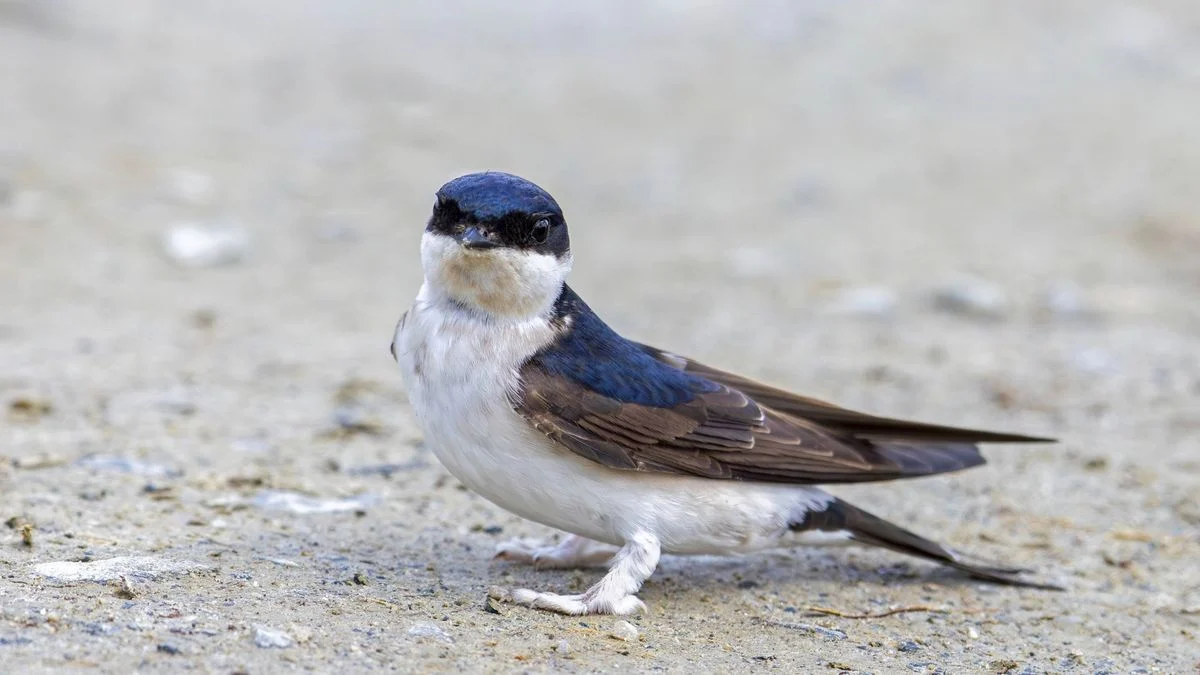
For generations, the house sparrow (Passer domesticus) has been the quintessential city dweller—a bird that thrives in the cracks of urban concrete and survives on the leftovers of human activity. However, recent data from the Naturschutzbund (NABU) Berlin and local ornithological surveys reveal a grim reality: the population is in what experts describe as a "free fall."
Biologist Jörg Böhner, who has monitored Berlin’s avian populations for years, reports that the current numbers are approximately 70 percent lower than they were just three years ago. This collapse is not merely a local anomaly; it is part of a broader, global trend. Across the world, from the bustling streets of London to the historic squares of Amsterdam, the house sparrow is retreating from the urban centers it once dominated. In 2021, the species was officially placed on the "Red List" of endangered species in Norway, signaling that even the most resilient of our avian neighbors is now struggling to survive in the Anthropocene.
Chronology of a Decline: From Ubiquity to Scarcity
To understand the current crisis, one must look at the historical trajectory of the house sparrow. For decades, these birds were ubiquitous, viewed as common pests or delightful urban companions, depending on one’s perspective.

- The Golden Age (Pre-2010s): Berlin was historically viewed as a sanctuary for sparrows. Unlike cities such as Hamburg or Cologne, which saw gradual declines, Berlin remained a stronghold. Ornithologists attributed this to the city’s unique urban planning—a mix of "messy" green spaces, older building structures with plenty of nesting nooks, and an abundance of food waste, which kept the population stable.
- The Turning Point (2020–2021): The decline, while previously slow, accelerated dramatically. Data collected during the "Stunde der Gartenvögel" (Hour of the Garden Birds) census began to show a sharp downward trajectory that defied historical models.
- The Current State (2026): We are now at a tipping point. Suitable nesting sites across the capital are sitting empty. The social structures of these colonial birds—groups typically consisting of 20 to 30 pairs—are breaking down, leading to fragmented, isolated populations that are significantly less resilient to environmental stressors.
Supporting Data: The Science of Survival
The question haunting researchers is simple yet devastating: Why now? Experts are currently investigating several variables, but the evidence points toward a "synergistic effect," where multiple stressors act simultaneously to cripple the population.
The Role of Vogelmalaria (Avian Malaria)
One of the most compelling theories involves the spread of Plasmodium parasites, the agents of avian malaria. As global temperatures rise, the geographical range and reproductive rates of mosquitoes—the primary vectors for these parasites—are expanding.
A landmark study published in the journal Open Science concerning London’s sparrow population found a direct correlation between Plasmodium infections and mortality rates. In declining populations, nearly 74 percent of sparrows tested positive for the parasite. While the infection is rarely immediately lethal, it acts as a debilitating force, reducing the birds’ "fitness," weakening their immune systems, and drastically lowering their survival rates during the harsh winter months. While a similar comprehensive analysis is yet to be conducted for Berlin, experts believe the mechanics of the disease are likely identical.
The Invertebrate Crisis
A bird’s survival is not determined by its ability to eat breadcrumbs at a street cafe. The critical period for sparrow survival is the nesting phase. Research by evolutionary biologist Glenn-Peter Sætre highlights that the decline in insect populations—the "insect apocalypse"—has left a massive nutritional void.

"If the diet of young birds contains too few animal proteins, they grow poorly, and the mortality rate skyrockets," Sætre notes. Modern urban development, characterized by sterile landscaping and the excessive use of pesticides in public parks, has decimated the insect biomass required for nestlings to thrive.
Official Responses and Expert Insights
The scientific community in Germany is sounding the alarm, but they admit that the speed of the decline has caught them off guard. The NABU organization in Berlin has expressed profound concern, noting that the emptiness of once-vibrant nesting colonies is "as if the sparrows had simply dissolved into thin air."
Ornithologists like Jörg Böhner point to the "sanitization" of cities as a secondary factor. "Berlin used to be less sterile," he explains. "The city was messier, which was a blessing for the sparrow. When you pave over every dirt patch and mow every lawn to the height of a carpet, you eliminate the very habitat that supports the food chain upon which the sparrow relies."
There is also a growing push for "Urban Rewilding" as a potential mitigation strategy. By allowing green spaces to remain wild, planting native flora to attract insects, and installing artificial nesting boxes on older, renovated buildings, urban planners may be able to stem the tide. However, critics argue that these measures are merely "Band-Aid" solutions for a deeper, structural failure in how we design our cities to accommodate non-human life.

Implications: A Canary in the Coal Mine
The decline of the house sparrow is more than a sentimental loss of a common bird; it is a profound indicator of the ecological health of our urban environments. The sparrow is a "synanthropic" species—it lives in close proximity to humans. When the sparrow fails to thrive in our cities, it suggests that the urban environment is becoming increasingly hostile to life in general.
Implications for Urban Policy:
- Biodiversity Planning: Future city development must integrate "ecological corridors" that allow species to migrate and find food, rather than forcing them into isolated pockets.
- Climate Adaptation: If avian malaria is indeed the primary driver, urban planners must look at water management and mosquito control in public parks, moving away from stagnant water features that serve as breeding grounds for vectors.
- Public Awareness: As "Birding" gains popularity as a hobby, there is a golden opportunity to turn citizen science into a tool for conservation. The more citizens report their findings, the more data scientists have to identify "refugia"—pockets of the city where the sparrows are still holding on.
Conclusion: The Silence of the City
As we look toward the future, the fate of the Berlin sparrow serves as a sobering reminder of the fragility of our urban ecosystems. The "free fall" of the sparrow is not just a bird problem; it is a human problem. If our cities cannot support one of the most adaptable creatures on the planet, we must ask ourselves what that says about the quality of the urban environment we are creating for ourselves.
The chirping may be fading, but the message is clear: our cities need to be wilder, messier, and more diverse if we want to ensure that the next generation still hears the sound of the sparrow in the morning.