By Financial Analysis Desk
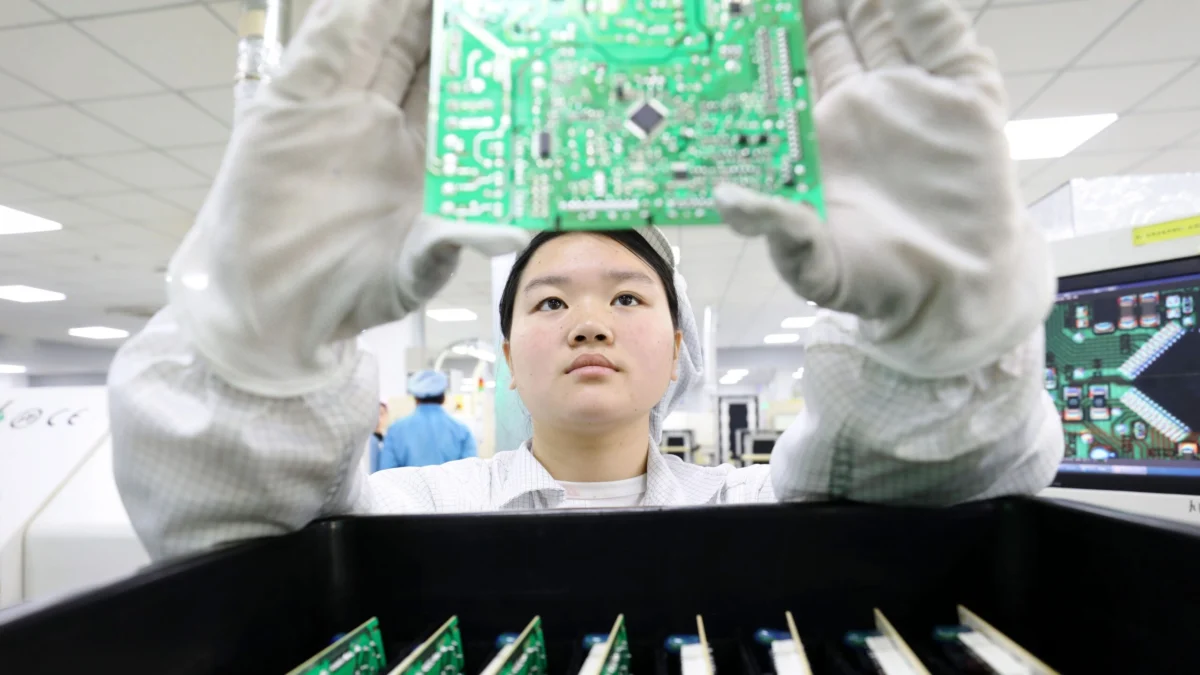
For decades, the printed circuit board (PCB) was the invisible backbone of global industry. Ubiquitous yet overlooked, these green or blue wafers of fiberglass and copper served as the silent facilitators of modern life, connecting components in everything from washing machines to high-end medical diagnostic tools. For procurement managers across Europe, they were a "commodity item"—cheap, plentiful, and always available.
That era of complacency has come to a crashing end. Today, the humble PCB has transformed into the primary headache for European supply chain experts, emerging as a critical bottleneck that threatens the stability of the continent’s manufacturing output. As artificial intelligence giants and hyperscale data center operators aggressively strip Asian factories of their production capacity, European companies are finding themselves at the back of the queue, facing soaring prices and, in many cases, existential production delays.
The Anatomy of the Shortage: Why Now?
The current crisis is not the result of a single catastrophic event, but rather a perfect storm of structural shifts in the global electronics ecosystem.
The AI Land Grab
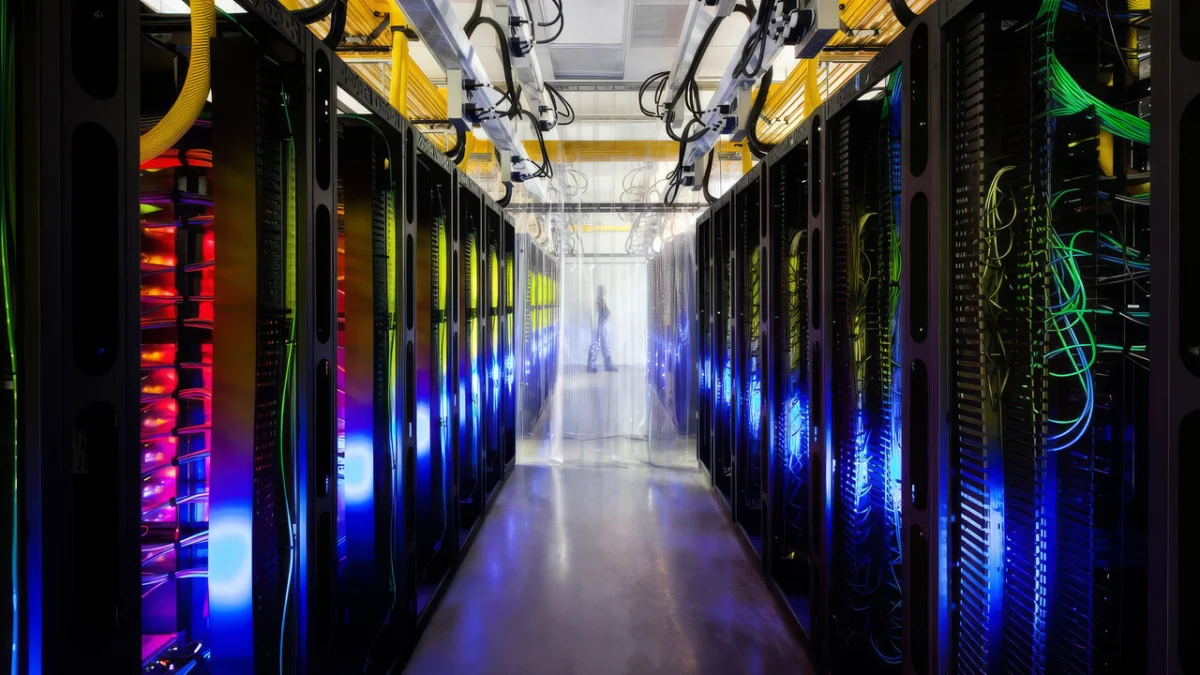
The meteoric rise of generative AI has fundamentally altered the demand curve for high-performance computing. AI infrastructure requires massive arrays of specialized hardware, including high-density, multi-layer PCBs designed to handle extreme heat and data speeds. Major tech players in North America and Asia are currently signing long-term, high-volume contracts with major PCB manufacturers, effectively reserving massive swaths of production capacity years in advance.
The Erosion of Local Capacity
While the demand for sophisticated boards has spiked, Europe’s own production capabilities have been in a state of long-term atrophy. Over the past three decades, European manufacturers—unable to compete with the sheer scale and low labor costs of Asian competitors—moved their production offshore. Today, a significant portion of Europe’s supply chain relies on imports from regions now prioritizing high-margin AI hardware over legacy components.

Chronology of a Disruption
To understand how the market reached this breaking point, one must look at the timeline of the last 24 months:
- Q1 2023: Early signals of "tightening" begin to emerge. Procurement managers report lead times for custom PCBs stretching from 6 weeks to 12 weeks. Most view this as a temporary post-pandemic correction.
- Q3 2023: Global AI investment surges. Large-scale data center builds in the US and China begin consuming high-end PCB capacity at an unprecedented rate.
- Q1 2024: The "spillover effect" reaches the broader electronics market. Factories in Taiwan and South Korea, operating at near-full capacity, begin prioritizing high-value AI contracts, leaving medium-sized European industrial firms struggling to secure orders.
- Q3 2024: Prices for standard and high-layer-count boards see an unprecedented spike. Anecdotal evidence suggests some manufacturers have seen costs rise by 30% to 50% for spot-market orders.
- Current Status: The shortage has shifted from a supply-chain annoyance to a fundamental production constraint. Companies are now reporting that they have the staff and the other components, but cannot finish their final product because they lack the basic boards to link their systems together.
The Economic Data: A Strained Supply Chain
The economic implications of this shortage are profound. According to industry analysts, the "just-in-time" model, which served European manufacturing so well during the 2010s, is now being dismantled in favor of "just-in-case" inventory management.
Noureddine Seddiki, CEO of the Frankfurt-based brokerage Sand & Silicon, describes the current situation with chilling clarity: "We are witnessing a structural supply-demand mismatch. This is not just a blip; it is an emerging, serious bottleneck whose total economic impact is being vastly underestimated by policymakers."
The data supports this concern:
- Capacity Utilization: Major PCB manufacturing hubs in Asia are currently reporting capacity utilization rates exceeding 95%.
- Price Volatility: Unlike silicon chips, which have seen a stabilization in prices, PCB pricing has remained volatile, with lead times fluctuating based on the client’s ability to pay a premium.
- Material Costs: The price of raw materials—specifically copper-clad laminates and specialized resins—has seen inflationary pressure, further exacerbated by shipping costs and geopolitical trade friction.
The Strategic Vulnerability of European Industry
The European industrial model, heavily reliant on high-quality mechanical and electrical engineering, is uniquely vulnerable to this disruption. Unlike the consumer electronics market, which can often swap components or change design specifications quickly, the automotive, medical, and industrial automation sectors have strict regulatory requirements for their hardware.
When a PCB design is certified for a medical device or a car braking system, it cannot be easily changed. If the supply of that specific board dries up, the entire production line grinds to a halt. This "locked-in" nature of European engineering is turning into a massive liability.

A Failure of Industrial Policy?
Critics of current European industrial policy argue that the focus on "Chips Acts" and semiconductor foundries has blinded governments to the importance of the assembly ecosystem. "You can have all the processors you want," one industry consultant noted, "but if you don’t have the board to mount them on, you have a pile of expensive paperweights."
Official Responses and Industry Outlook
While there is no "European PCB Act" in the works, there is a growing chorus of voices calling for a strategic review of the electronics supply chain.
Industry Associations
Groups representing European electronics manufacturers are lobbying for tax incentives to encourage the re-shoring of "mid-tech" production. They argue that while competing with Asia on mass-market, low-cost boards is impossible, Europe could capture the market for high-reliability, high-complexity boards used in critical infrastructure.

The Corporate Pivot
Many firms are now engaging in "Dual Sourcing" strategies. They are no longer relying on a single, low-cost supplier in Asia. Instead, they are paying a premium to maintain small, local, high-cost suppliers within Europe or Eastern Europe, treating the added expense as an "insurance policy" against global supply chain shocks.
Implications: The Long-Term Outlook
The current PCB crisis serves as a wake-up call for the European economy. The "digitization of everything" means that the demand for these components will only continue to rise, whether for the energy transition, autonomous driving, or the expansion of industrial AI.
1. The Cost of Sovereignty
If Europe decides it needs to reclaim its independence in the PCB market, it will come at a cost. Domestic production will inevitably be more expensive than Asian imports, leading to higher prices for end-users and consumers. The question is whether European governments and corporations are willing to pay this "sovereignty premium" to avoid future bottlenecks.

2. Innovation in Design
We may see a push toward "design-for-resilience," where engineers are tasked with designing products that use more standardized, readily available board types, reducing reliance on highly specific, custom-built components that are prone to supply chain failure.
3. Consolidation
The current environment is likely to lead to a wave of M&A activity. Larger industrial conglomerates will likely look to acquire their key suppliers to guarantee their access to boards, potentially squeezing out smaller, less capitalized competitors who cannot afford to buy their way into the supply chain.
Conclusion
The "silent crisis" of the printed circuit board is a stark reminder of how fragile the globalized industrial order has become. For years, the industry operated under the assumption that the components would always be there. Today, those components are the center of a geopolitical and economic tug-of-war.

As Noureddine Seddiki correctly identifies, the economic reach of this bottleneck is wide. From the automotive giants in Germany to the precision engineering firms in Switzerland and the medical tech hubs in Scandinavia, every sector is being forced to confront the reality that the foundation of their digital future is dangerously thin.
Europe stands at a crossroads. It can continue to rely on a global supply chain that is increasingly preoccupied with the demands of AI giants, or it can begin the arduous, expensive, and necessary process of rebuilding its own industrial base. The PCB, once the most boring part of the manufacturing process, has now become the most critical. Ignore it at your own peril.