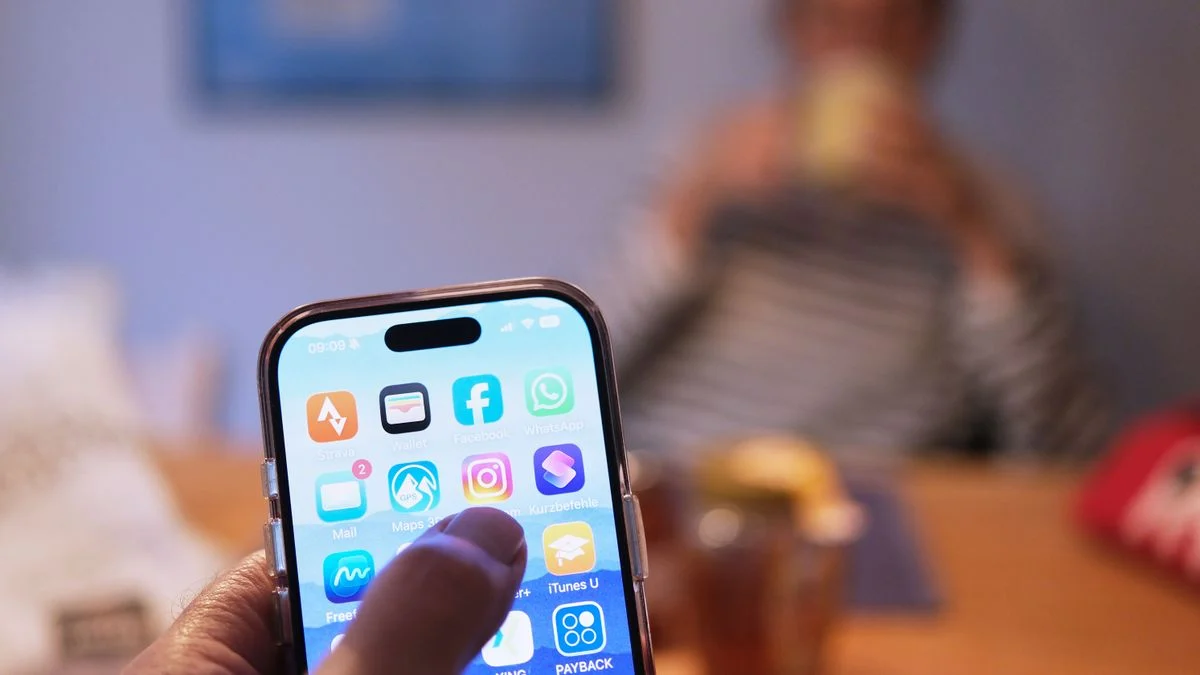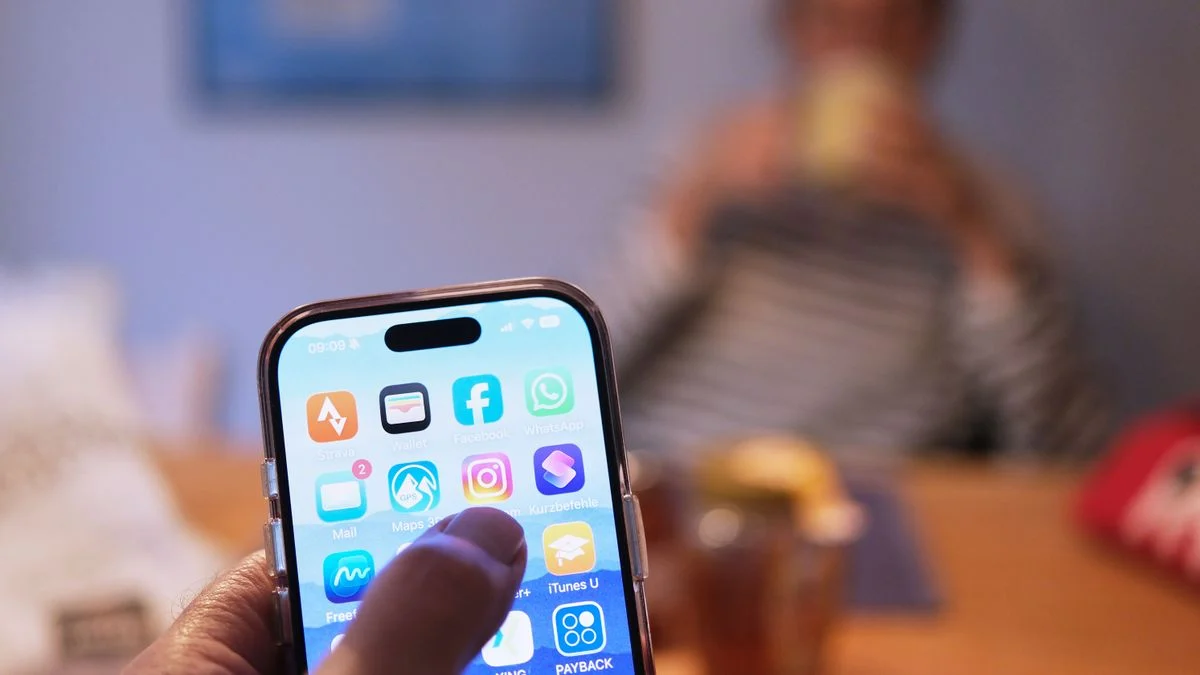
In an era defined by hyper-connectivity, the glowing screen of a smartphone has become an extension of the human hand. Yet, as we grow more tethered to our digital lives, the physical spaces we share with others are suffering. A recent comprehensive survey conducted by the opinion research institute Civey, commissioned by telecommunications giant Vodafone, reveals a stark reality: the persistent urge to check our devices is fundamentally clashing with traditional social norms, turning the dinner table and the romantic date into modern-day battlegrounds of etiquette.
The Main Facts: A Culture of Digital Distraction
The data paints a picture of a society torn between the convenience of the digital world and the necessity of face-to-face interaction. The findings indicate that while most people are acutely aware of what constitutes "bad manners" in a digital context, a significant gap remains between our standards and our actual behavior.
The most prominent finding concerns the dining experience. For the majority of respondents, the dinner table is meant to be a sanctuary for conversation and connection. However, 63 percent of the 2,500 people surveyed stated that they perceive the use of a smartphone by their dining companion as explicitly rude. This sentiment is not merely a generational grievance; it is a widespread consensus on the sanctity of shared meals. Despite this high level of disdain, the data shows that 17 percent of people admit to reaching for their devices at least occasionally while dining with others, suggesting that the "pull" of the screen often overrides our social conscience.
Chronology of the Decline: From Polite Conversation to Screen-Gazing
To understand how we reached this point, one must look at the evolution of mobile technology. Over the past decade, the smartphone has transitioned from a tool for communication to a gateway for entertainment, social media, and professional obligations.
- The Early Adoption Phase: Initially, smartphones were viewed as utility devices. Checking an email or answering a call was seen as a necessary intrusion.
- The Social Media Integration: As apps like Instagram, X (formerly Twitter), and TikTok became embedded in our daily routines, the "check" shifted from functional to habitual.
- The Present State of "Phubbing": Now, we have entered an era of "phubbing"—a portmanteau of "phone" and "snubbing." The survey results indicate that we are now at a critical juncture where the act of ignoring a physical companion for a digital one is being categorized as a major social transgression in almost every public setting.
Supporting Data: Where We Draw the Line
The Civey/Vodafone study provides a granular breakdown of which scenarios trigger the most frustration. The data suggests that the intimacy of the setting directly correlates with the intensity of the perceived rudeness.
The Hierarchy of Digital Impoliteness
- The Dinner Table: 63% view smartphone use here as rude.
- One-on-One Conversation: A staggering 71% of respondents find it offensive when their partner in conversation begins "daddeln" (fiddling) with their phone.
- The Cinema and Theater: While 34% find it rude, only 6% admit to doing it themselves, suggesting that the social pressure of a dark, shared space acts as a strong deterrent.
- The First Date: A high-stakes social situation. 40% of participants view phone usage during a first date as a major "minus point." Encouragingly, only 2% admit to doing this, proving that when the stakes are high, our social restraint improves.
Interestingly, the frequency of these behaviors varies. While 9% of people admit to checking their phones during direct personal conversations, the actual occurrence of such behavior is lower than the high rates of disapproval. This indicates that while we are prone to lapses, we are still largely governed by the desire to maintain social standing.
Gender Perspectives: Subtle Nuances in Discontent
One of the more fascinating aspects of the study is the analysis of gender-based reactions. While the broad consensus on "what is rude" is shared across genders, there are slight variations in where the "red lines" are drawn.
Women, according to the survey, tend to be more sensitive to smartphone usage during standard social interactions like meals and general conversation. This suggests a higher value placed on the continuity of the verbal flow in these contexts. Conversely, men report higher levels of sensitivity when the device is pulled out in more intimate or entertainment-focused settings, such as in the bedroom or during cinema visits. These findings suggest that while the "digital breach" is universal, the psychological context of why it feels like an intrusion varies depending on the social roles and expectations of the participants.
Official Responses and Industry Implications
Vodafone, by commissioning this study, is positioning itself as a leader in the discussion surrounding "digital wellbeing." Industry analysts suggest that telecommunications companies are increasingly interested in the "social cost" of their products. As users become more aware of the negative impacts of excessive screen time, there is a growing market for "intentional connectivity"—the idea that technology should enhance our lives, not detract from our interpersonal relationships.
Experts from the research side of the project emphasize that this data is a wake-up call for users to practice "digital hygiene." The implication is clear: technology should be a tool that we control, rather than a master that commands our attention at the expense of our human connections.
Implications: The Future of Face-to-Face Interaction
What does this mean for the future of social etiquette? We are likely witnessing the development of a new "Digital Code of Conduct."
The Path Forward
- Setting Boundaries: Just as we have social norms for eye contact and volume, we are establishing unwritten rules for phone placement—often face-down or put away entirely during significant social events.
- The "Tech-Free" Movement: We are seeing a rise in "no-phone zones," from restaurants that incentivize diners to keep their phones in a lockbox to homes that designate the dinner table as an electronics-free space.
- Restoring Human Agency: The most vital implication of this data is the reminder that we still have the power to choose. The fact that only 2% of people check their phones on a first date—despite the constant urge to do so—proves that when we decide that a moment is important enough, we are fully capable of putting the screen down.
Conclusion: Reclaiming the Moment
The smartphone is a miracle of modern engineering, capable of bringing the world to our fingertips. However, as the Civey and Vodafone survey highlights, it is also a powerful force of fragmentation. When we prioritize a notification over the person sitting across from us, we are trading a tangible, human connection for a fleeting, digital one.
The data provided by this study does not call for the abandonment of technology, but rather for a more conscious approach to its use. By recognizing that our counterparts find these interruptions rude—and by acknowledging that we, too, feel the sting of being ignored for a screen—we can begin to cultivate a more respectful, present, and human-centric culture. In the end, the most important connection we have is not the one to the internet, but the one to the person sitting right in front of us. It is time we started acting like it.