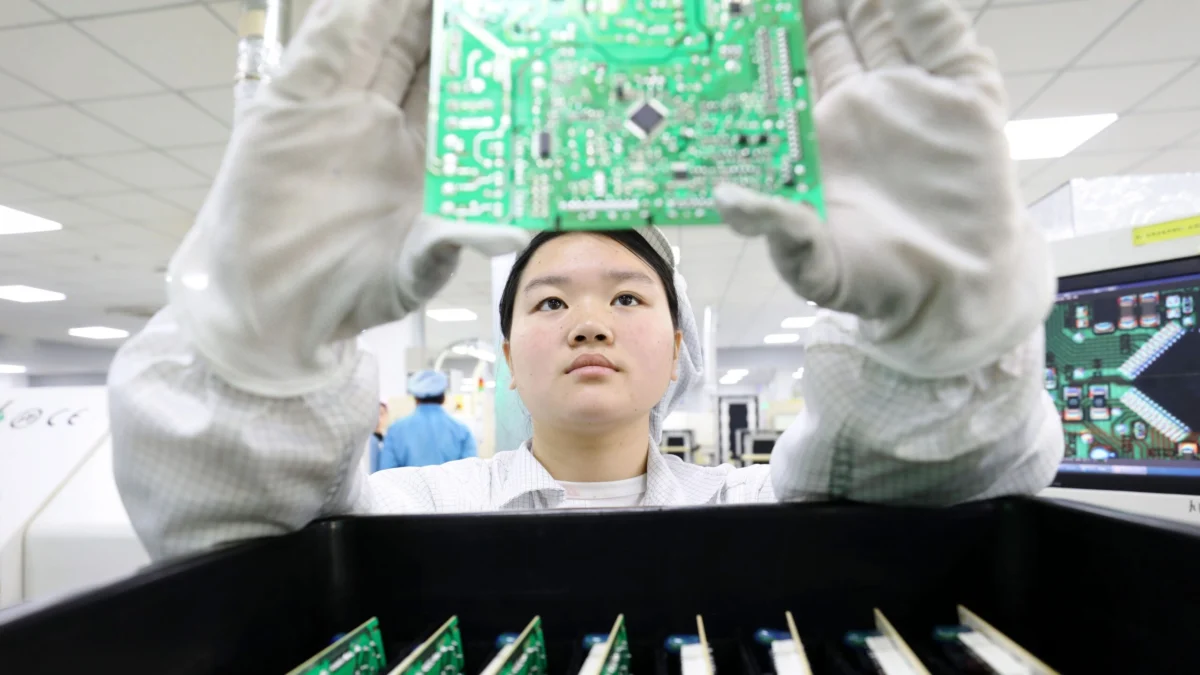
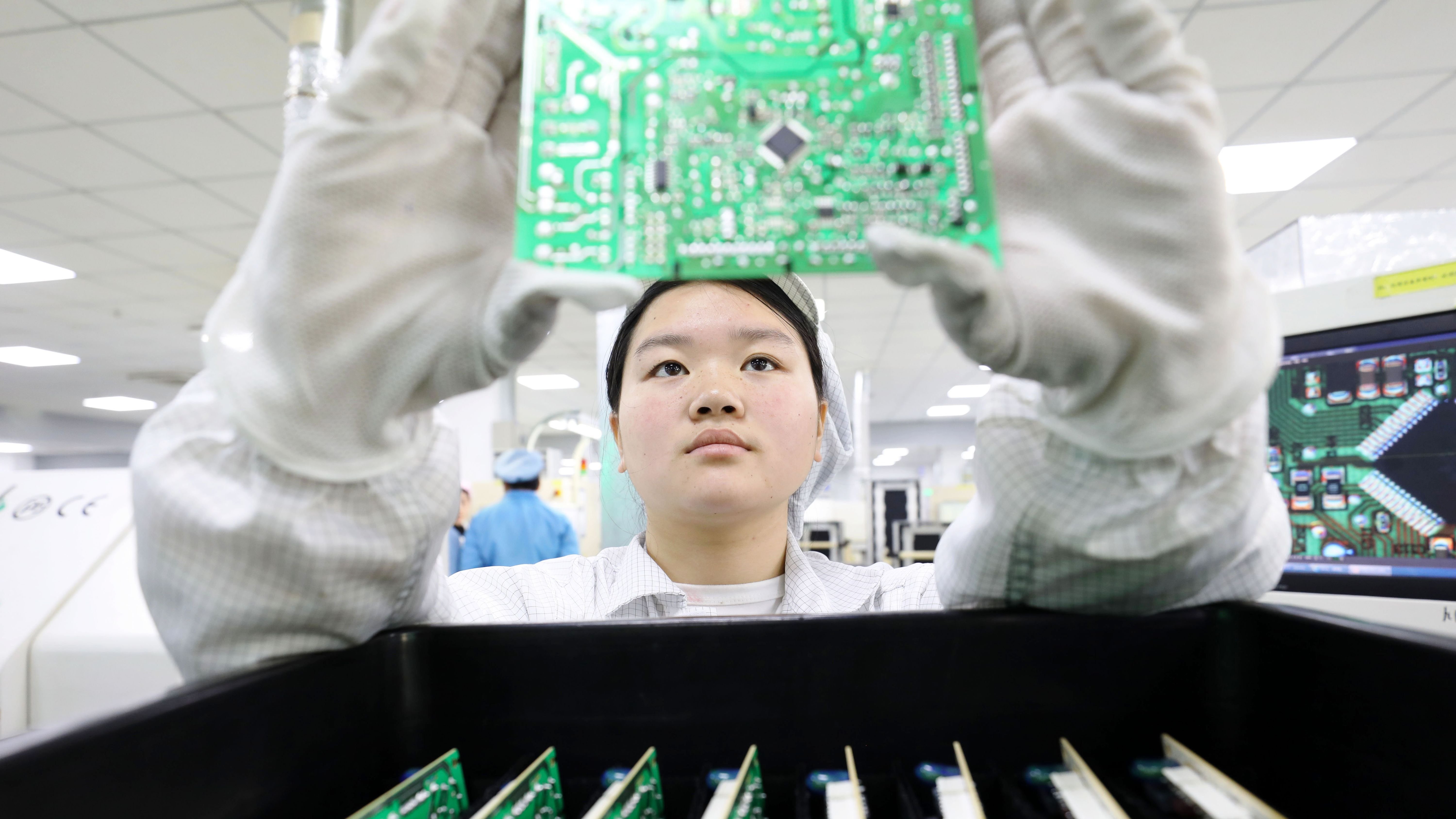
In the modern industrial landscape, few components are as fundamental—or as overlooked—as the printed circuit board (PCB). Often described as the "nervous system" of electronic devices, PCBs are the backbone of everything from the complex control units in luxury automobiles and flight navigation systems in commercial jets to the humble circuitry inside a domestic coffee machine. Yet, a silent, gathering storm is threatening Europe’s technological sovereignty: the continent is running out of these critical components.
With the European manufacturing base for PCBs having largely migrated to East Asia over the past three decades, the continent now faces a strategic vulnerability that experts warn could cripple entire sectors. As supply chains tighten and global priorities shift toward the booming Artificial Intelligence (AI) sector, Europe finds itself at the back of the queue, highlighting a precarious dependence on overseas suppliers that may prove difficult to reverse.
The Evolution of a Dependency: A Chronological Retrospective
The decline of the European PCB industry was not an overnight catastrophe, but a slow, calculated migration driven by the relentless pursuit of cost-efficiency.
- The 1990s: The Era of Globalization: As trade barriers fell and global supply chains integrated, European firms began identifying Asia, particularly China, as a hub for low-cost, high-volume production. Initially, this was viewed as a strategic advantage to maintain competitive pricing for consumer electronics.
- The 2000s: The Great Migration: During this decade, the "offshoring" trend accelerated. European PCB manufacturers, struggling to compete with the sheer scale and lower labor costs of Chinese factories, began to shutter their domestic facilities or pivot toward niche, high-end prototyping.
- The 2010s: Complacency and Consolidation: As Asian suppliers perfected their production processes and reached high standards of quality, European procurement departments solidified their reliance on these partners. The prevailing corporate mantra became "cheaper, faster, better"—a cycle that decimated the local supplier base.
- The 2020s: The Wake-up Call: The post-pandemic supply chain disruptions, combined with the sudden explosion of demand for AI-driven hardware, have shattered the illusion of a frictionless global market. Europe, having outsourced its industrial foundation, now finds its production lines stalled, struggling to secure the components required to keep the continent running.
The Economic Drivers: Why Europe Abandoned Its Own Industry
The collapse of the domestic European PCB sector is primarily an economic narrative. For years, European corporate procurement divisions operated under a singular, uncompromising mandate: price.
Asian manufacturers, particularly those in China, benefited from massive economies of scale, government subsidies, and an integrated ecosystem of raw material suppliers. When a procurement manager for a major automotive OEM (Original Equipment Manufacturer) compared the cost-per-unit of a German-made PCB versus a Chinese-made one, the choice was often mathematically predetermined.
This short-term focus on cost-cutting ignored the long-term strategic value of maintaining a localized supply chain. By prioritizing immediate bottom-line results, European industry leaders effectively hollowed out their own domestic industrial base, leaving them with no bargaining power when global market conditions shifted.
The AI Gold Rush: A New Global Competition
The current crisis has been exacerbated by the meteoric rise of Artificial Intelligence. As technology giants like NVIDIA and other major players in the data center space race to build the infrastructure for the AI revolution, the global demand for high-performance PCBs has skyrocketed.
These massive technology firms possess purchasing power that dwarfs that of traditional European industrial firms. Consequently, Asian manufacturers are prioritizing the orders of these tech behemoths, who are willing to pay a premium to secure capacity. For the European automotive, medical, and industrial sectors, this means being "priced out" of the market. They are finding that their long-term, stable relationships with Asian suppliers are no longer a guarantee of supply when the lucrative AI market is calling.
Implications: A Continent at a Standstill
The ramifications of this shortage extend far beyond simple delays in production. They touch the core of European economic competitiveness and national security.
1. The Automotive Sector in Peril
Germany’s automotive industry, the engine of the European economy, is particularly vulnerable. A modern vehicle contains thousands of individual circuits. If a supplier fails to deliver even a small batch of boards, the assembly line grinds to a halt. The reliance on just-in-time delivery models, which were once the hallmark of efficiency, has now become a strategic liability.
2. Technological Sovereignty
There is an increasing consensus among policy experts that "technological sovereignty" is no longer a buzzword, but a survival imperative. If Europe cannot manufacture its own electronic building blocks, it cannot control its digital future. The current dependence means that European innovation is tethered to the geopolitical stability and industrial priorities of foreign nations.
3. The Vulnerability of Critical Infrastructure
From the power grid to telecommunications and defense systems, the reliance on imported electronics poses a long-term risk to national security. If the supply of PCBs is weaponized through trade restrictions or redirected due to geopolitical tensions, Europe’s ability to maintain its basic functions would be severely tested.
The Warning Signs: Why Experts Were Ignored
For years, industry analysts and trade organizations have been sounding the alarm. They warned that the systematic hollowing out of the domestic manufacturing sector would lead to precisely this scenario. Yet, these warnings fell on deaf ears.
Corporate boards were focused on quarterly earnings, and policymakers were largely enamored with the benefits of a globalized, "borderless" economy. The argument that "we can always buy it cheaper elsewhere" became a convenient excuse to avoid the difficult, capital-intensive work of maintaining a domestic industrial base. Today, that arrogance has transformed into a strategic crisis.
Looking Ahead: Can Europe Rebuild?
Rebuilding a domestic PCB industry will be a monumental task. It requires more than just government funding; it demands a fundamental shift in how the European industry approaches supply chain management.
- Reshoring and Nearshoring: Moving production back to Europe or "nearshoring" to neighboring regions will be essential. This will require massive investments in automation and state-of-the-art facilities to offset higher labor costs.
- Strategic Partnerships: European governments must work closely with private industry to create a stable, long-term framework that encourages domestic production. This includes tax incentives, R&D grants, and the creation of "strategic reserve" policies for critical electronic components.
- A Shift in Procurement Philosophy: Procurement departments must evolve. Moving away from the "lowest price" model toward a "resilience-first" model is the only way to ensure that supply chains remain robust in the face of future global volatility.
The lesson from this crisis is clear: efficiency at the cost of independence is not a strategy; it is a trap. Europe stands at a crossroads. It can continue to rely on the whims of a global market that no longer prioritizes its needs, or it can begin the arduous process of reclaiming its industrial sovereignty. The cost of action will be high, but the cost of inaction—the potential silent collapse of Europe’s industrial heartbeat—is a price the continent cannot afford to pay.