In a move that signals a seismic shift in the race for artificial intelligence supremacy, Elon Musk’s aerospace giant, SpaceX, has reportedly secured a staggering $40 billion in debt financing. The capital is earmarked for an aggressive expansion of the company’s computational infrastructure, specifically for the acquisition of high-end graphics processing units (GPUs).
The announcement, which sent ripples through both the tech and financial sectors, underscores a broader trend: the insatiable hunger for hardware is forcing even the most capital-intensive companies to tap into complex debt markets to sustain their AI ambitions.
The Core Development: Fueling the AI Engine
SpaceX, primarily known for its revolutionary work in reusable rocketry and the global Starlink satellite constellation, is pivoting toward a hybrid identity. By securing $40 billion in credit, the company is positioning itself not just as a transport provider to the stars, but as a formidable player in the global data processing and AI training ecosystem.
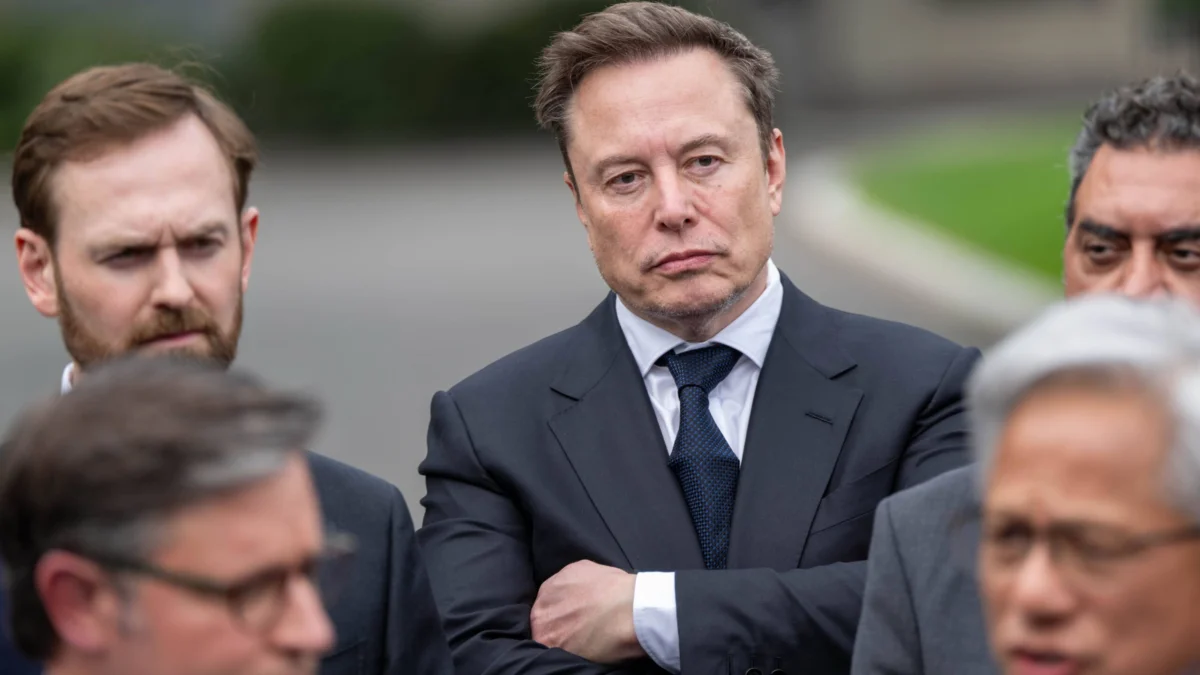
According to statements released by Elon Musk on the platform X, the funds have been successfully raised through a combination of debt instruments. These are largely callable, providing SpaceX with the financial flexibility to manage its debt-to-equity ratio as it navigates the volatile capital requirements of the AI industry.
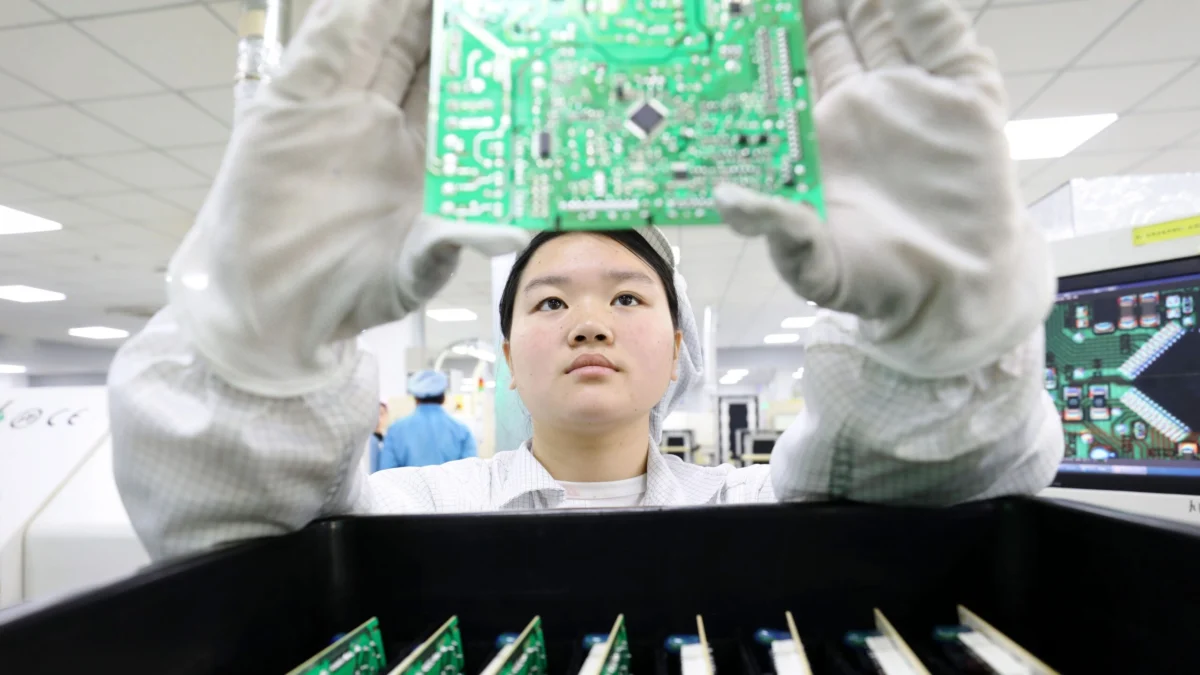
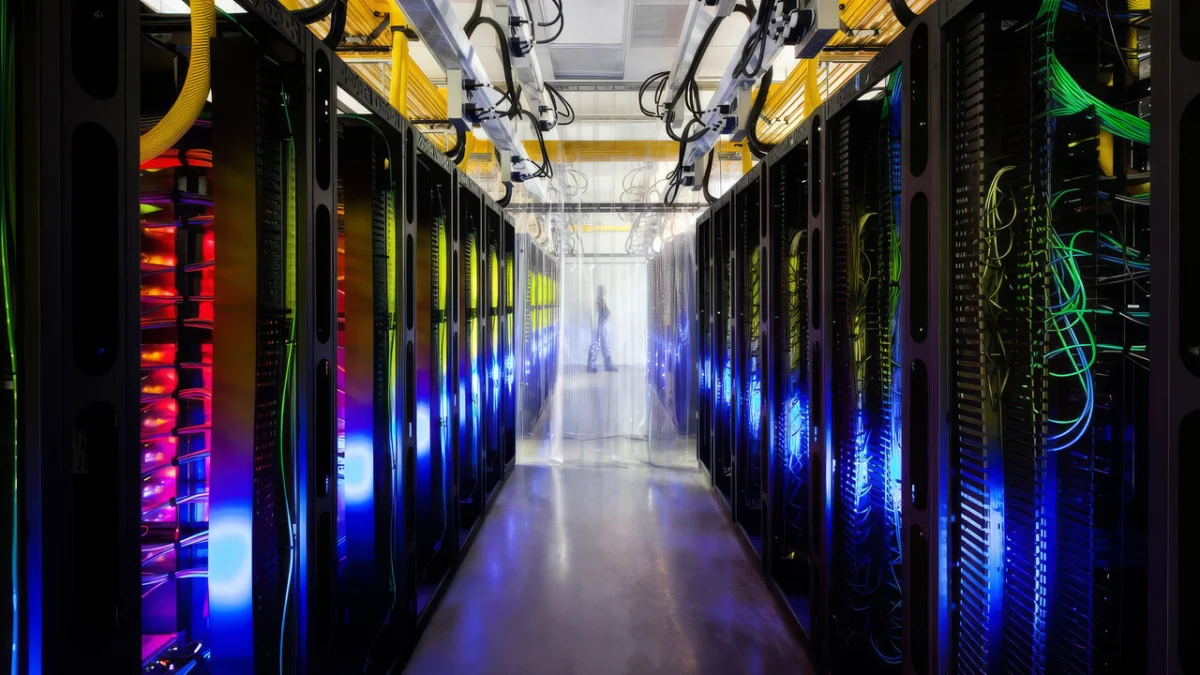
The primary objective for this liquidity injection is the procurement of cutting-edge hardware—specifically advanced GPUs, primarily from industry leader Nvidia. These chips are the lifeblood of modern large language models (LLMs) and neural network training, and the competition to secure them has become one of the defining economic battles of the decade.
Chronology: From Aerospace Pioneer to Compute Powerhouse
To understand the scale of this move, one must look at the timeline of SpaceX’s recent financial trajectory.

- Early 2024: Market analysts began noting a significant increase in SpaceX’s capital expenditure, correlating with the rapid expansion of Starlink ground stations and the "Starship" development program.
- Late Summer 2024: Whispers within the financial sector suggested that SpaceX was quietly engaging with top-tier investment banks and private equity groups. Reports surfaced that the company was looking for a massive credit facility, initially estimated in the tens of billions.
- Early October 2024: Major news outlets, including Reuters, confirmed that negotiations were underway for a $40 billion facility. The primary focus of these discussions was the procurement of Nvidia hardware.
- Late 2024: Elon Musk officially confirmed the financing package, noting that the funds would support hardware deliveries scheduled to arrive in the first and second quarters of the coming year.
This swift transition from "rumored borrower" to "confirmed financier" highlights the efficiency with which Musk manages his enterprises’ creditworthiness.
Supporting Data: A Balance Sheet Built for Growth
The ability to raise $40 billion is not merely a testament to the AI hype cycle; it is a reflection of the robust financial health of SpaceX’s core businesses.
Revenue Acceleration
In the third quarter, SpaceX reported a staggering 161 percent year-over-year revenue increase, reaching $14.58 billion. This growth is driven by a two-pronged strategy:
- Launch Services: A near-monopoly on commercial satellite launches and increasing government contracts (NASA, Department of Defense).
- Starlink: The rapid expansion of the low-earth orbit (LEO) satellite network, which provides high-speed internet globally.
The Investment Gap
While revenues are up, capital expenditures (CapEx) have surged even faster, nearly tripling to $19.6 billion in the most recent quarter. The fact that SpaceX is willing to leverage its debt for $40 billion in hardware suggests that the company expects the return on investment (ROI) from its AI initiatives—likely in automating flight systems, optimizing satellite routing, and potentially selling compute services—to far exceed the cost of borrowing.
The Strategic Rationale: Why $40 Billion?
The sheer magnitude of this investment raises the question: why does a rocket company need the equivalent of a small nation’s GDP in chips?
1. The Compute War
The global race for AI is no longer just about software algorithms; it is about "compute power." Companies that control the physical hardware (the GPUs) control the speed at which they can train and deploy AI models. By securing this supply, SpaceX is effectively hedging against potential chip shortages that could stifle competitors.

2. Vertical Integration of Intelligence
SpaceX is increasingly integrating AI into its operations. From the autonomous landing of the Super Heavy booster to the complex orbital mechanics required to maintain the Starlink constellation, AI is the "brain" that manages the hardware. Investing in massive on-site compute capabilities allows SpaceX to iterate on its designs in real-time, potentially shaving years off development timelines.
3. Starlink’s "Edge" Potential
With thousands of satellites in orbit, the potential to deploy "edge computing"—processing data directly on the satellites or at the ground station level—is a massive opportunity. A $40 billion investment could be the foundation for an AI-driven, space-based computing network that serves industries ranging from defense to autonomous global logistics.
Official Responses and Financial Stability
The financial markets have reacted with a mix of awe and caution. Critics argue that $40 billion in debt is a massive liability, especially if the AI bubble shows signs of cooling. However, SpaceX’s backers emphasize the "callable" nature of the debt.

"The company’s credit profile is unique," says one industry analyst. "You have the government as a primary customer, a recurring revenue model from Starlink, and the highest technological moat in the aerospace industry. This isn’t a speculative tech startup; it’s a critical piece of national and global infrastructure."
Musk himself has been characteristically pragmatic, noting that while the $40 billion is a significant commitment, it is not an "immediate" cash outflow that will impact current quarterly performance. The chips will be delivered over the next six months, and the payment structure is designed to align with the revenue generated by the infrastructure once it is operational.
Global Implications: A New Era of Corporate Power
The implications of this deal extend far beyond SpaceX.

The Dominance of Nvidia
This deal serves as a massive validation for Nvidia’s dominance. Being the primary supplier for a $40 billion order from a company as data-intensive as SpaceX cements Nvidia’s role as the "arms dealer" of the 21st-century AI conflict.
Infrastructure as a Competitive Moat
For other tech companies, this sets a daunting precedent. If the cost of entry for being a "serious" AI player now involves billions of dollars in hardware procurement, the barrier to entry is effectively becoming insurmountable for smaller startups. We are entering an era where the giants (SpaceX, Microsoft, Alphabet, Meta) consolidate their power through the physical ownership of compute infrastructure.
National Security and Tech Sovereignty
Given that SpaceX is a primary contractor for the U.S. government, the deployment of this massive computing power will likely be scrutinized by regulators. The intersection of satellite surveillance, global communications, and high-level AI processing places SpaceX at the very center of the U.S. government’s technological and national security strategy.

Future Outlook: What’s Next?
As the first shipments of these $40 billion worth of chips begin to arrive, the industry will be watching closely to see how SpaceX utilizes them.
- Phase 1: Optimization: Expect to see rapid improvements in SpaceX’s existing platforms. The Starlink network will likely see efficiency gains, and launch operations will likely become even more autonomous.
- Phase 2: New Ventures: The excess capacity could allow SpaceX to offer cloud-computing services, potentially challenging the current dominance of AWS or Azure by offering a unique "space-to-cloud" value proposition.
- Phase 3: The "General Intelligence" Frontier: If these chips are applied to broader AI research, SpaceX could become a major player in the development of Artificial General Intelligence (AGI), potentially utilizing its massive data streams from space to train models that are not just smart, but capable of understanding the physical world in ways no other company can.
Conclusion
The $40 billion debt financing for AI chips is not just a capital expenditure; it is a statement of intent. Elon Musk and SpaceX are betting that the future of the human race is not just in the stars, but in the machines that will navigate us there. By securing the hardware that will define the next decade of computation, SpaceX is ensuring that it remains the architect of the future—both in the air and in the cloud.
As the financial world digests the scale of this transaction, one thing remains clear: the AI arms race has entered a new, industrial phase. And in this race, SpaceX has just secured a massive, perhaps insurmountable, lead.