

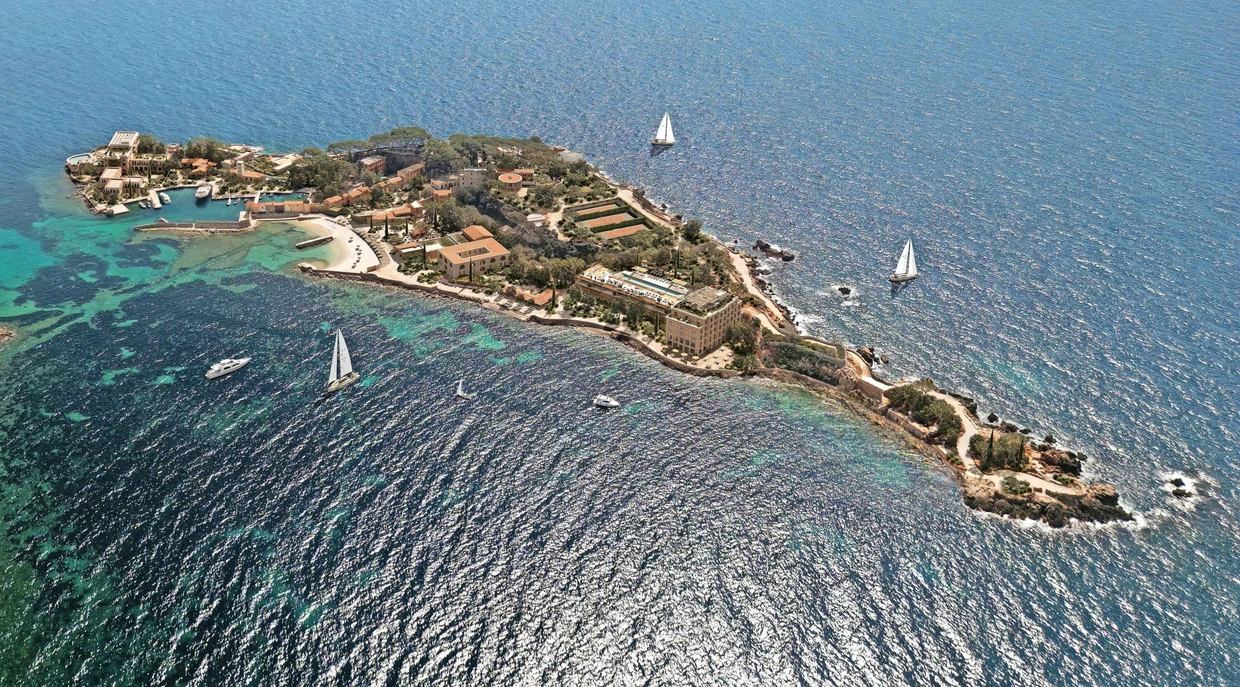
For decades, the Île de Bendor, a tiny, seven-hectare jewel floating in the azure waters off the coast of Bandol, served as a sacred site for the French Riviera’s creative elite. Purchased in 1950 by Paul Ricard—the visionary entrepreneur, artist, and creator of the iconic pastis that bears his name—the island was transformed from a barren rock into a vibrant sanctuary of hospitality, intellectual exchange, and unbridled joie de vivre.
However, as the decades passed, the island began to show its age. When Zannier Hotels announced a five-year transformation project to revitalize the property, local residents in Bandol grew anxious. They feared their beloved landmark would be swallowed by a private, gated enclave for the ultra-wealthy, turning a piece of their collective history into an unreachable, gilded fortress. But as the island reopens its doors, it appears that the "Zannier Île de Bendor" has chosen a different path: one that attempts to balance the high-end demands of modern tourism with the egalitarian, bohemian spirit of its founder.
The Legacy of Paul Ricard: A Haven for the Boheme
To understand the significance of this transformation, one must look back at the 1960s. Paul Ricard was not merely a businessman; he was a patron of the arts who believed that commerce and culture should be inextricably linked. During his tenure, the island became a magnet for artists, poets, and celebrities, boasting two hotels, art galleries, and craft workshops.
Ricard was a "people person," as his great-grandson, Marc de Jouffroy, fondly remembers. He fostered an environment where different social strata could mingle over a glass of pastis and a conversation about art or oceanography. Long before environmentalism became a corporate mandate, Ricard founded the Oceanographic Institute on the nearby island of Les Embiez in 1966 to combat the industrial pollution of the Mediterranean. His legacy was one of accessibility, not exclusion.
A Chronology of Transformation: From Decay to Design
The journey to the current iteration of the island began roughly a decade ago. The site had fallen into a state of disrepair, a ghost of its former glamorous self. For Marc de Jouffroy, who serves as the managing director of the family company, the decision to renovate was deeply personal—he had even held his own wedding on the island ten years ago, amidst the crumbling structures.
Convincing the family to trust an outside hospitality group was no small feat. Arnaud Zannier, the founder of Zannier Hotels, faced the challenge of honoring this storied past while creating a sustainable, modern resort. The result is a five-year labor of love that eschews the "White Lotus" aesthetic of over-produced, sterile luxury in favor of a "whispering luxury" that prioritizes atmosphere and authentic connection.
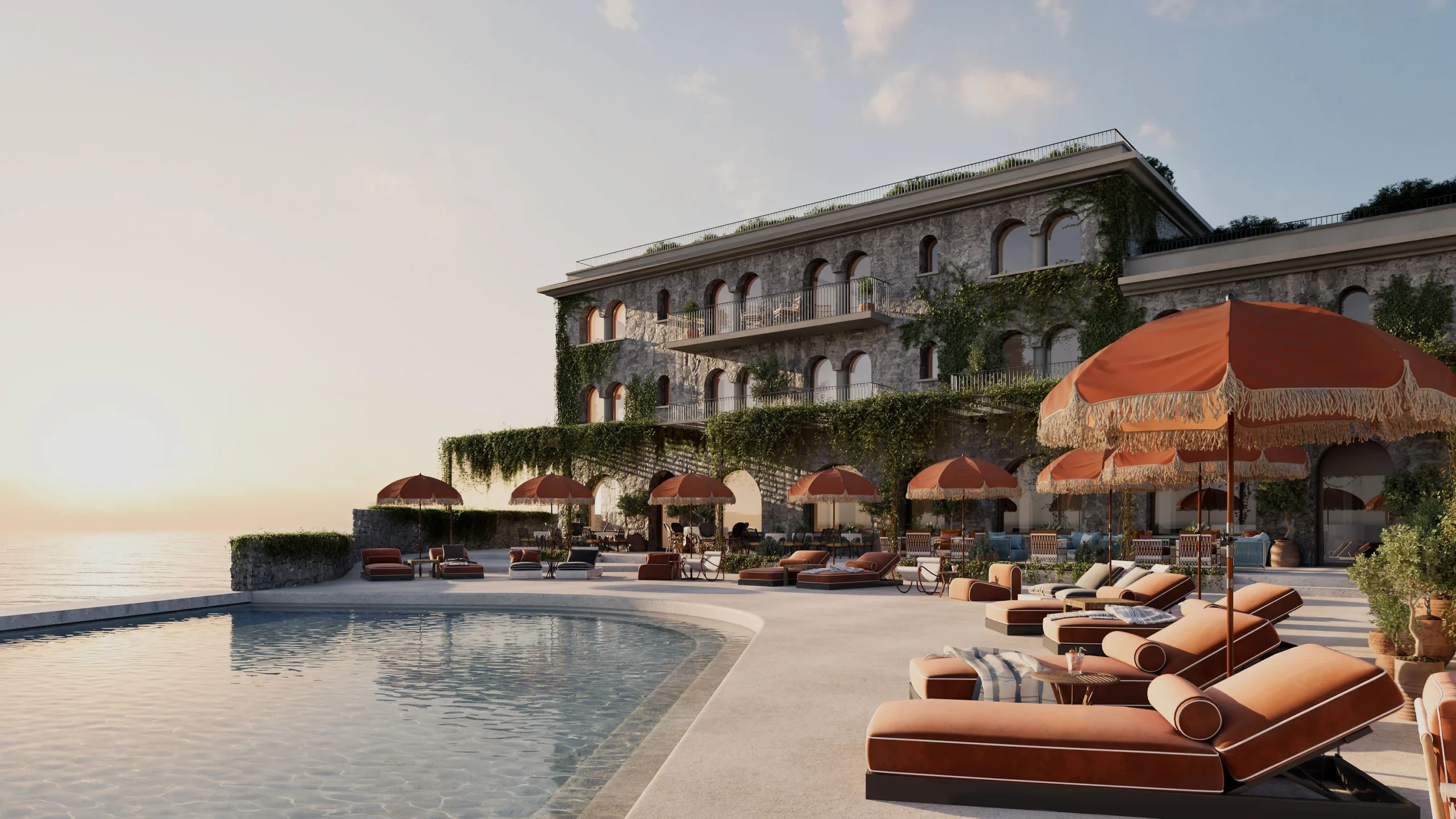
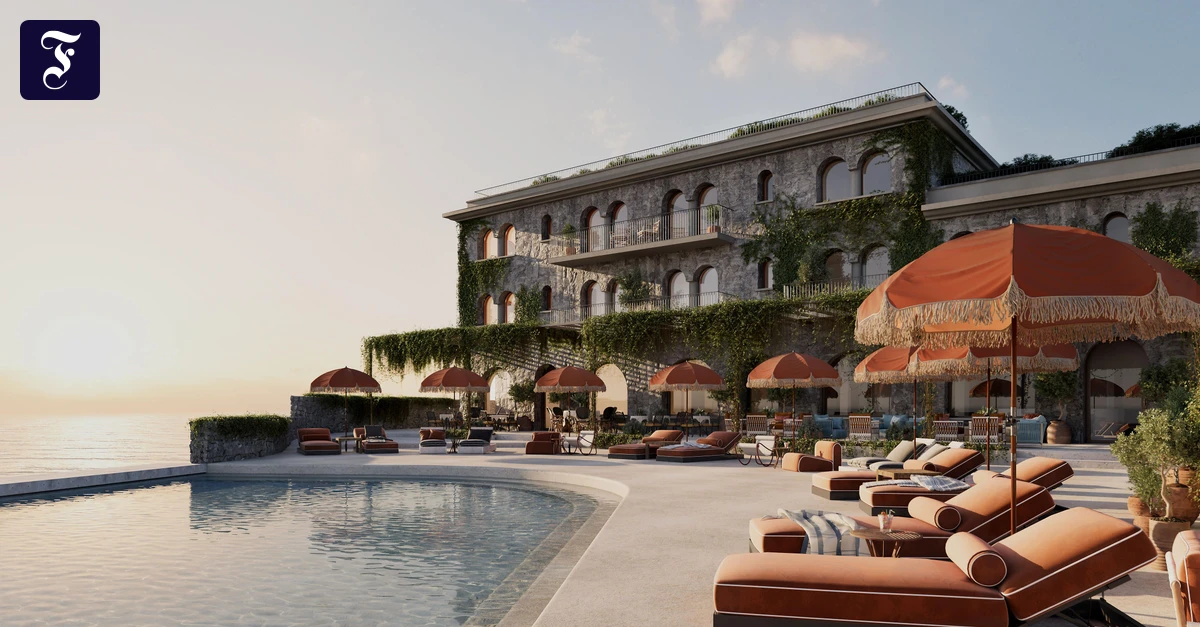
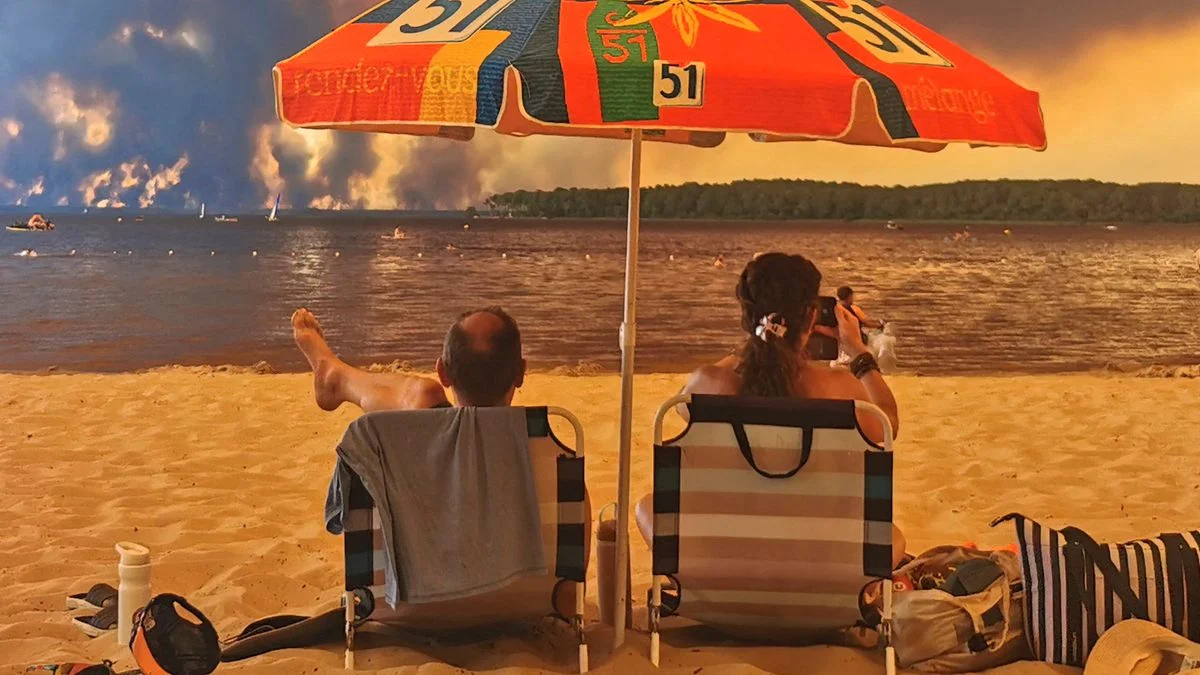
The transformation was marked by a commitment to architectural restoration. The Delos hotel, the island’s primary accommodation with 39 rooms, has been reimagined with natural stone facades, arched doorways, and blutorange umbrellas with delicate corded fringes. The aesthetic is a careful reconstruction of a mid-century Mediterranean dream, one that intentionally avoids the ostentatious displays often found in nearby St. Tropez.
The Reality of Access: A Public-Private Balance
Perhaps the greatest relief for the citizens of Bandol is that the island remains, in many ways, theirs. The ferry continues to run on a half-hour schedule, depositing visitors on the island in less than ten minutes. The public can still stroll along the harbor, swim in the clear waters, and enjoy a coffee or a meal at one of the island’s restaurants, provided they have a reservation.
As the ferry docks, one can see the faces of long-time locals lighting up with a sense of relief. For many, this is a return to a place of childhood memories. One observes couples pointing at the sand, whispering, "Do you remember?"—a testament to the fact that the island’s soul has survived the renovation.
The Artist in Residence: Cultivating the "Invisible Language"
The heart of the island’s identity remains the Village des Artisans. Here, the hotel has invited artists to live and work, ensuring that the creative spirit of the 1960s remains alive. Sculptures and ceramics are scattered across the landscape, not as decorative filler, but as organic additions to the environment.
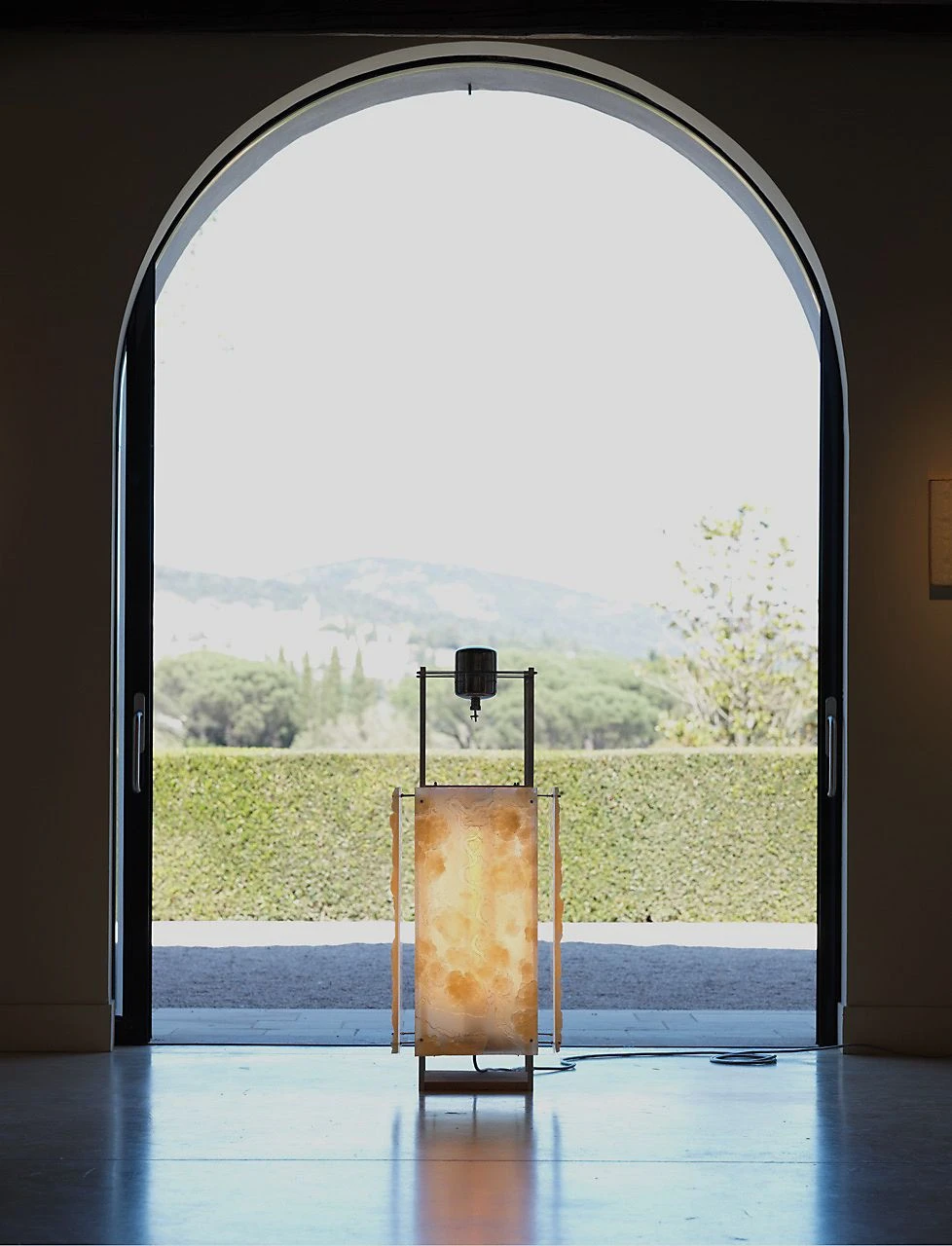
Marion Saxod and Charles Guerlain, the duo behind Nysä Édition, work from a studio on the island. Saxod describes her craft as an "invisible language"—the use of scent, natural materials, and textures to evoke memory. Her works, such as diffusers made from biodegradable plant resins like linseed oil and beetroot molasses, are available for purchase, yet the hotel’s marketing of these artists remains surprisingly restrained.
While this adds to the sense of authenticity, it also creates a curious paradox. The artists must pay for their own cappuccinos at the Delos—a detail that feels jarringly bureaucratic. One cannot help but wonder what Paul Ricard, the man who thrived on spontaneous hospitality, would think of such rigid commercialism. Similarly, one hopes that the pristine white walls of the studios do not constrain the artists, turning their workspaces into mere showrooms rather than genuine crucibles of creation.
Implications: The George Clooney Test
The true litmus test for the new Île de Bendor occurred during the recent birthday celebrations of none other than George Clooney. The actor, now a French citizen with a vineyard in the region, chose to spend his 65th birthday on the island.
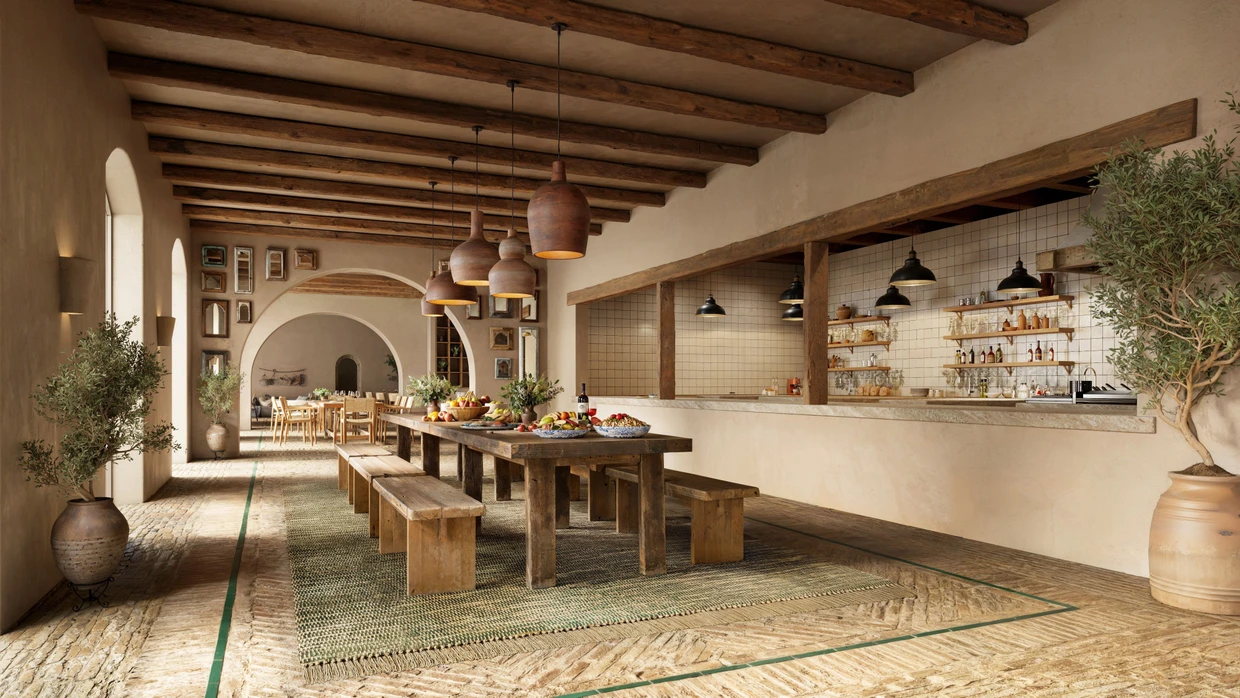
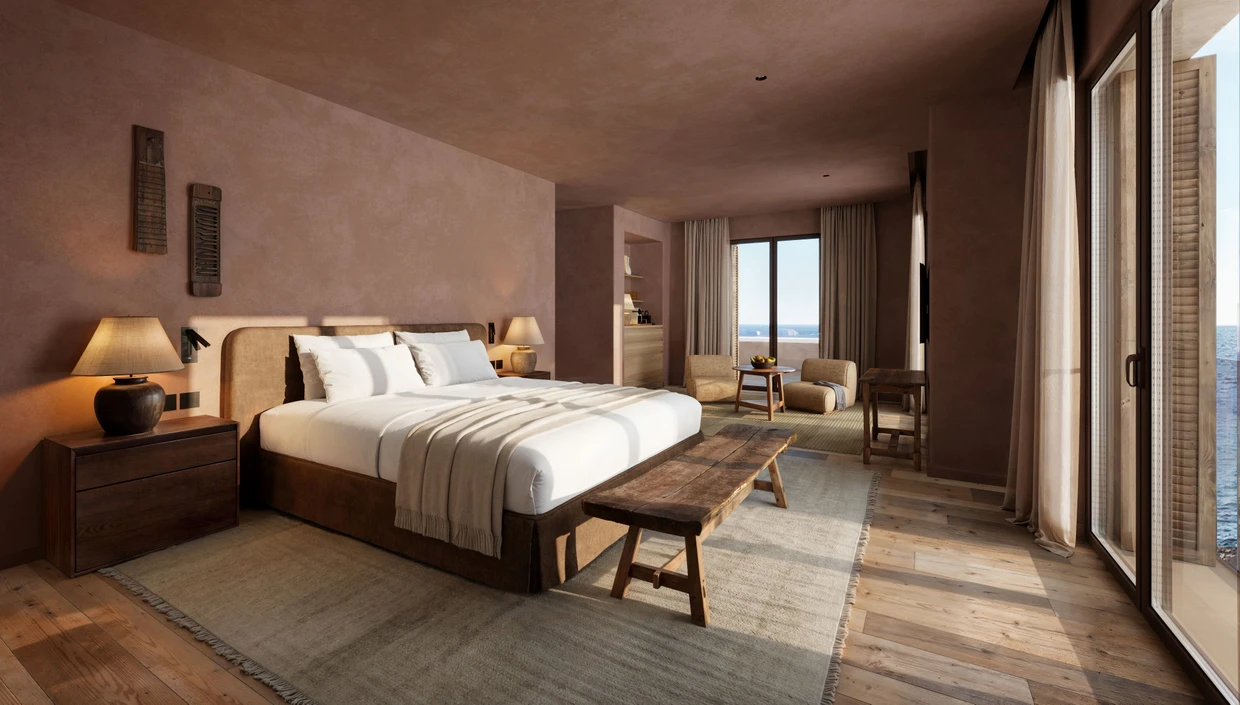
According to Arnaud Zannier, the production team offered to cordon off areas for the celebrity and his wife, Amal, but the couple refused. They wanted to participate in the life of the island, dining at the bustling "Nonna Bazaar" restaurant among other guests. They eschewed the glitz of the Delos for the understated, earthy tones of the Soukana hotel, which prioritizes a sense of regeneration over visual status.
This anecdote serves as the ultimate validation of the Zannier philosophy. By attracting global icons who seek anonymity and authentic connection rather than exclusionary velvet ropes, the island is positioning itself as a "third space"—a place that feels like a private escape but operates with the openness of a public square.
Conclusion: A Fragile Future
The Île de Bendor is a rare experiment in 21st-century tourism. It walks a fine line between maintaining the profitability required to sustain a luxury hotel and preserving the soul of a place that was built on the ideals of a bohemian visionary.
As the ferry leaves the dock at the end of the day, carrying back the day-trippers, the island settles into a quiet, blue-hued serenity. The success of this project will not be measured by the occupancy rates of the Delos, but by whether it remains a place where the local community still feels they have a stake. For now, the spirit of Paul Ricard seems to be resting easily. The glamour is back, but it is a quiet, whispering sort of glamour—one that invites you to stay, to swim, and perhaps, to dream of a simpler, more connected Mediterranean.













Leave a Reply