

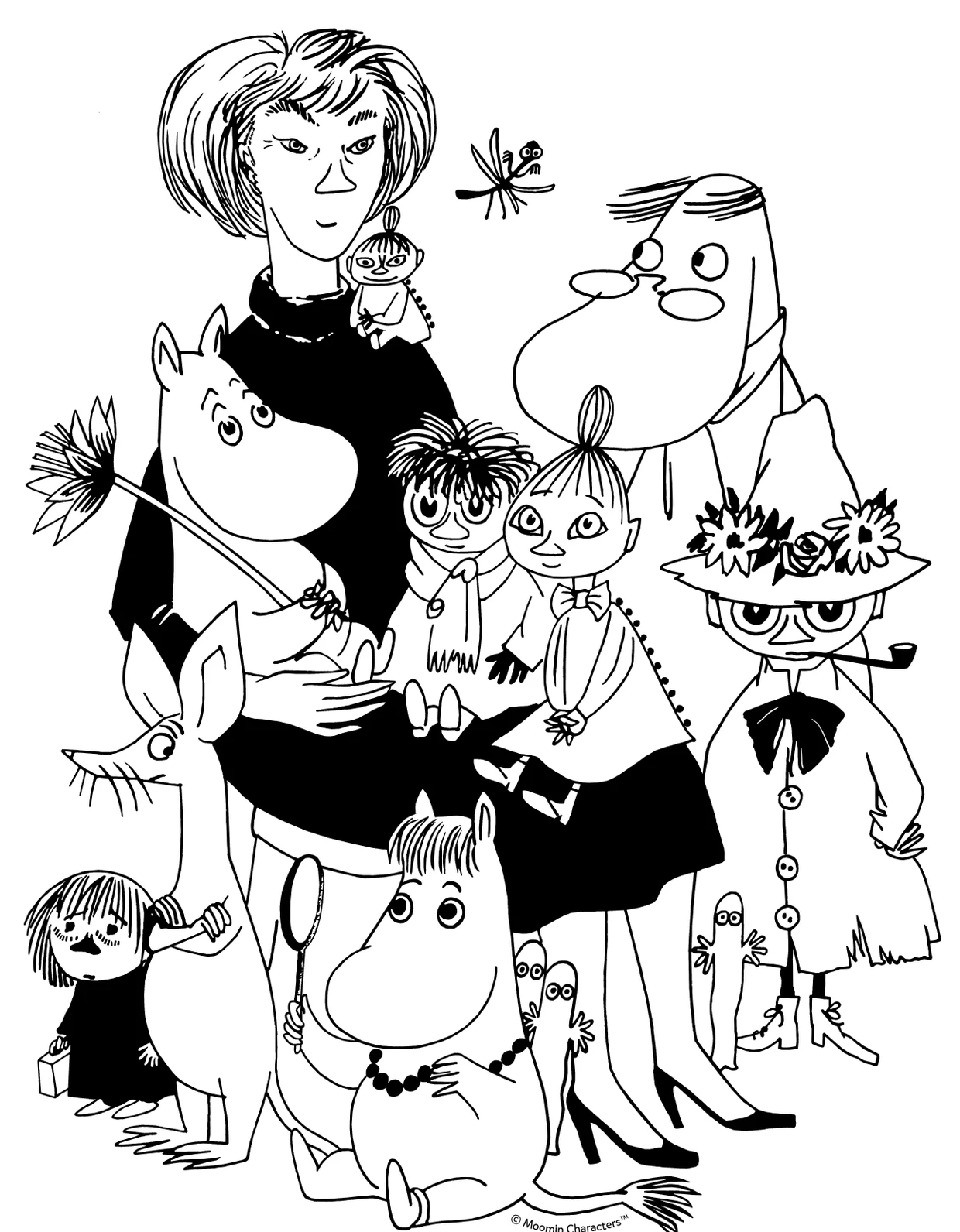
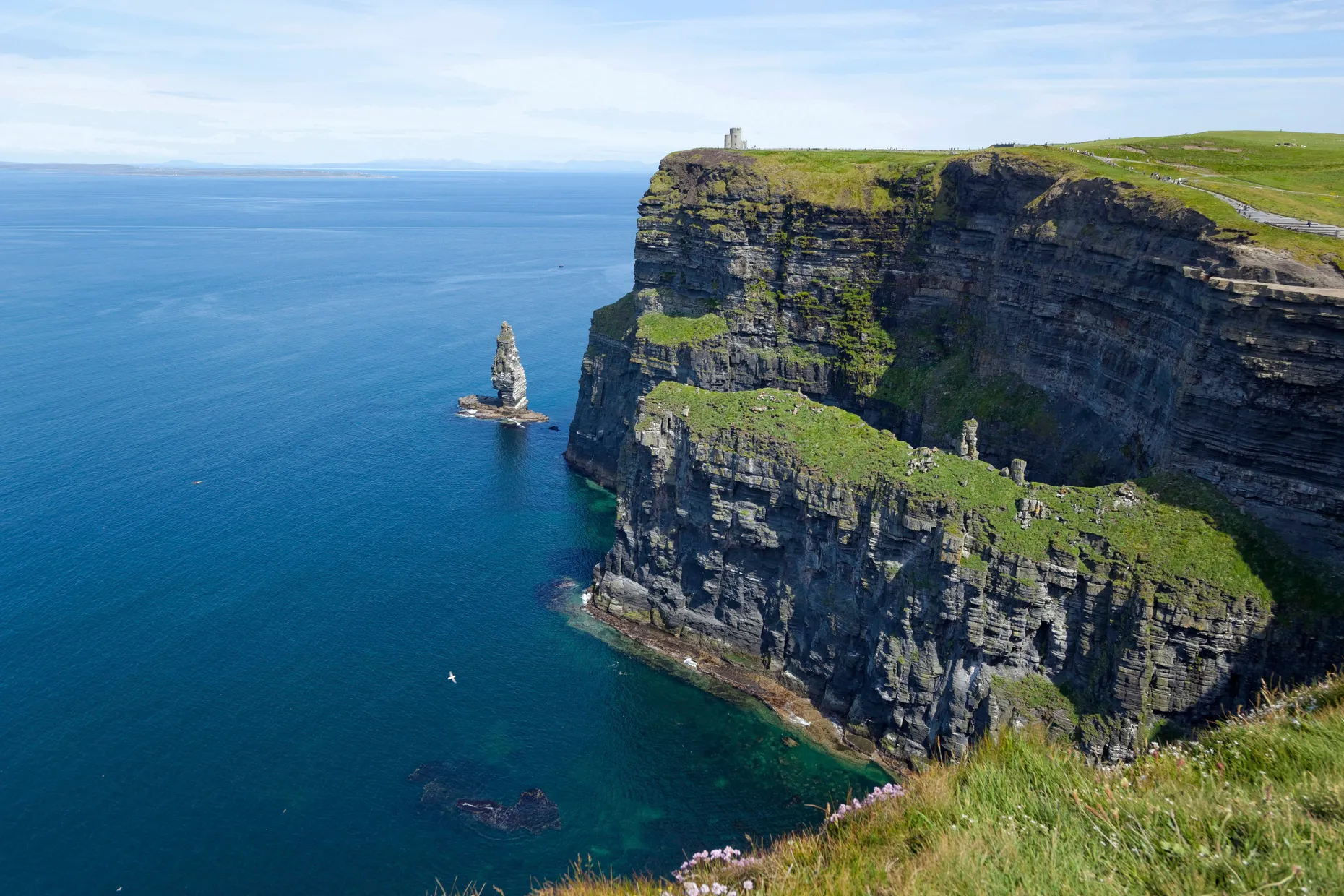
Everyone loves the Moomins, but their creator loved an island. Klovharun, a rugged, wind-swept sliver of rock in the Pellinge archipelago, lies far off the Finnish coast, suspended between the vast, churning sea and the infinite sky. It was here that Tove Jansson—illustrator, author, and self-proclaimed storm-chaser—found the ultimate sanctuary for her creative spirit.
To step onto Klovharun is to understand the heartbeat of her work. The wind whips across barren granite, polished by millennia of ice and tide. This was Tove’s studio, her home, and her fortress. One finds the urge to mirror her routine: to sit, to breathe, and to observe the horizon where the sun’s silhouette bleeds into clouds and sea, creating an inverted world of lines and shapes—a visual language that echoes the fine, clear cross-hatching of her iconic illustrations.
A Life Written in Granite: The Chronology of an Island Dweller
Tove Jansson’s obsession with islands was not a fleeting fancy; it was a lifelong condition. Born in 1914 in Helsinki, she was raised in a household saturated with art. Her father, Viktor, was a sculptor; her mother, Signe Hammarsten, was an illustrator who provided the family’s steady income. Growing up in the Katajanokka district, young Tove lived amidst the scent of clay and turpentine.
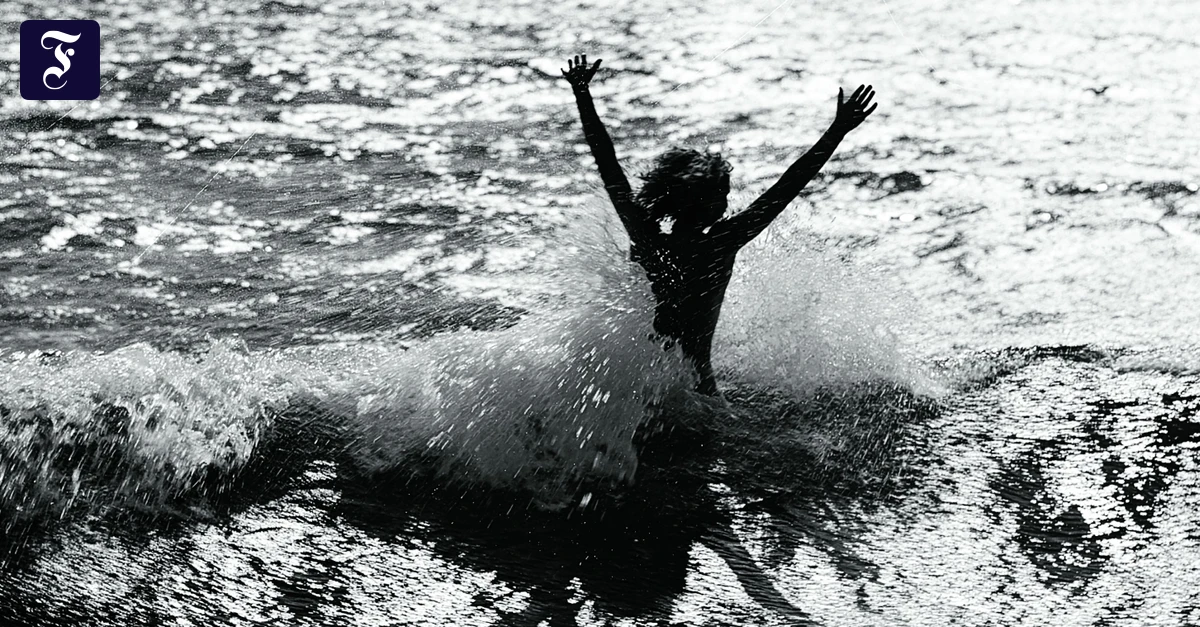
The Pellinge archipelago, a flat, windy expanse just an hour from Helsinki, became her emotional north star. By 1946, at the age of 32, Jansson was already a rising talent. While staring at the stars from her favorite spot on the island of Kummelskär, she was, in her own words, "overwhelmed by the urge to live on this island, or to own it."
When that initial desire proved impossible, she leased the nearby island of Bredskär. In 1947, she and her brother Lars constructed the "Windrose" house—a feat of labor that required precious, post-war nails imported from Sweden. However, as Tove’s fame grew, the tranquility of Bredskär was compromised by the influx of tourists, some of whom even scavenged pebbles as souvenirs. Seeking true isolation, in 1963, she and her life partner, the artist Tuulikki Pietilä, built a final, modest cabin on Klovharun, at the very edge of the archipelago.
The Inner Sanctum: Life on Klovharun
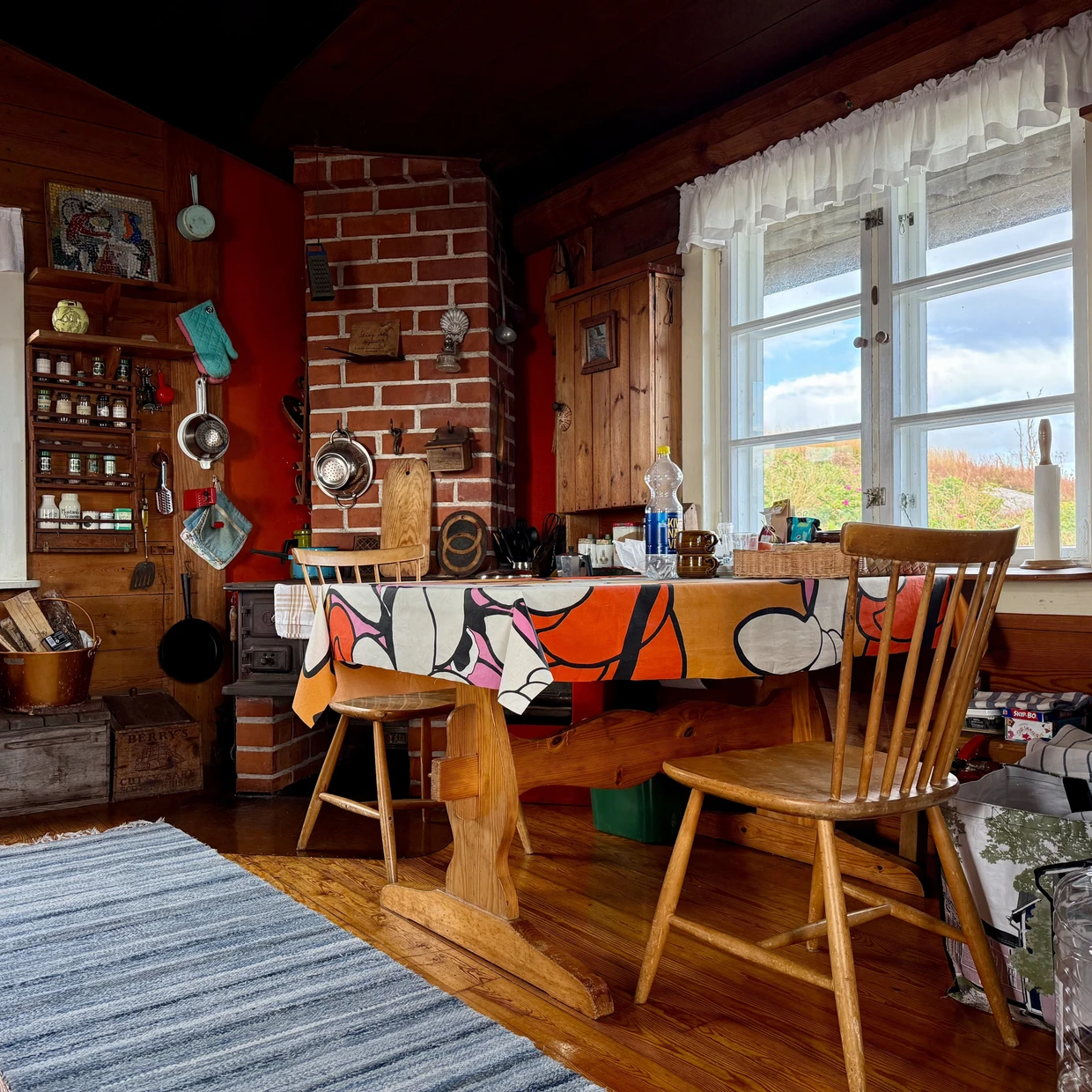
Entering the cabin today feels like stepping into a time capsule. The interior remains exactly as the two women left it in 1991: a warm, wood-toned space filled with the scent of spices, a solitary rocking chair, and a bookshelf with a custom-built compartment for audio cassettes. Music was the thread that bound Jansson and Pietilä; they met at a Christmas party in 1955 while operating a gramophone.
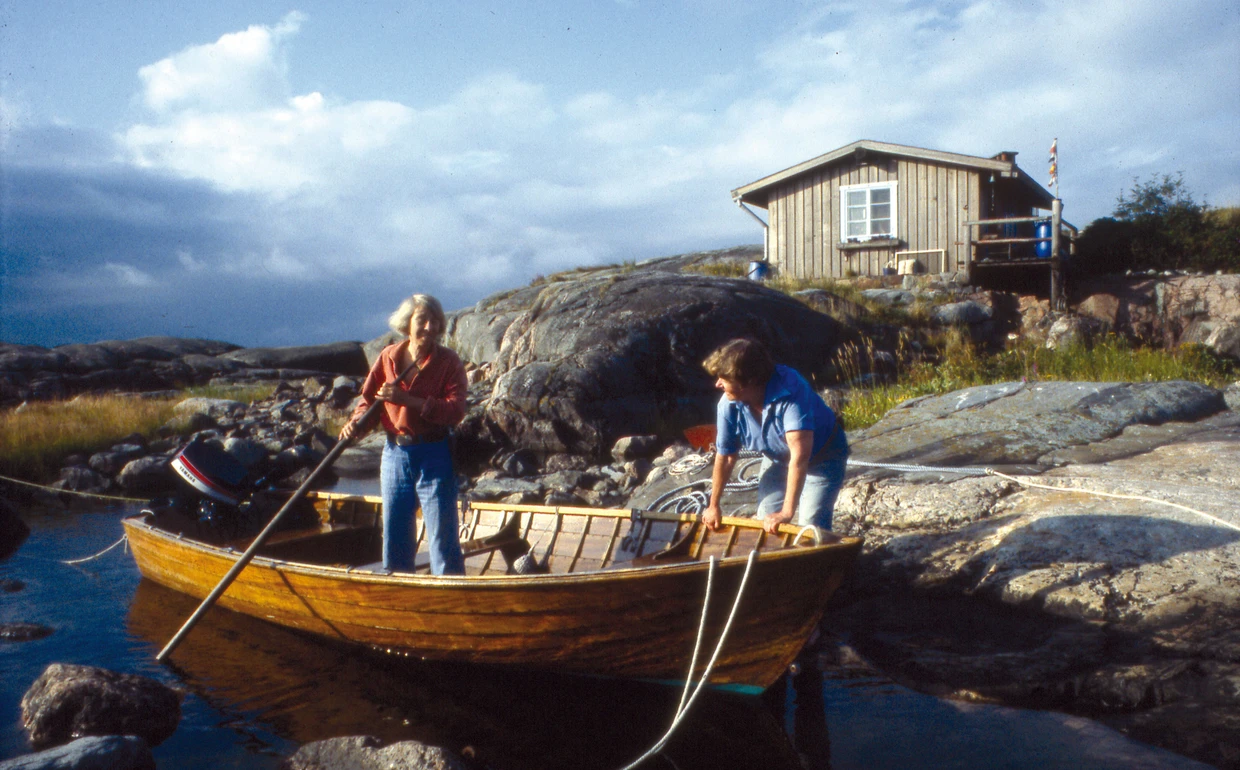
The island life was not merely a retreat; it was a rigorous discipline. Tove wrote to Tuulikki in 1963, referencing D.H. Lawrence’s The Man Who Loved Islands, and pondered: "How about the story of the woman who fell in love with an island?"
As she entered her seventies, however, the physical toll of the archipelago began to show. The woman who had once reveled in the fury of Baltic storms began to fear the sea. When they finally departed the island in 1991, they left behind notes for future visitors, cleaned every cup, and locked the door. Tour guide Lisbeth Forss recalls that when Jansson stepped onto the boat, she did not look back.
The Roots of Genius: Helsinki and the Burden of Art
While the islands provided the space for her imagination to soar, the city of Helsinki provided the foundation for her professional struggle. The family’s residence in the Lallukka artist housing complex was a crucible of creativity and tension. Tove felt a constant, gnawing conflict between her artistic drive and the "duty" to support her family, particularly as her father struggled with the psychological fallout of the Finnish Civil War.
"I must become an artist for the sake of my family," she wrote, torn between the need for autonomy and the guilt of leaving her mother to bear the financial burden. This tension, combined with the influence of her uncle Einar—who told her stories of Moomintrolls "breathing on the back of children’s necks"—birthed the Moomin universe.
The first Moomin, "Snork," was doodled on an outhouse wall during a 1930 family vacation. By 1946, The Moomins and the Great Flood was published. While the creatures appeared cute, they were, from their inception, the antithesis of Disney. They were creatures of neurosis, longing, and existential dread, living in a world defined by the natural cycle of the seasons.
The Business of Fantasy: Moomin Characters
Today, the legacy of Jansson’s work is managed by "Moomin Characters," a company founded by Tove and her brother Lars in 1969. In a world of commercialized intellectual property, the family has maintained a remarkably tight grip on quality.
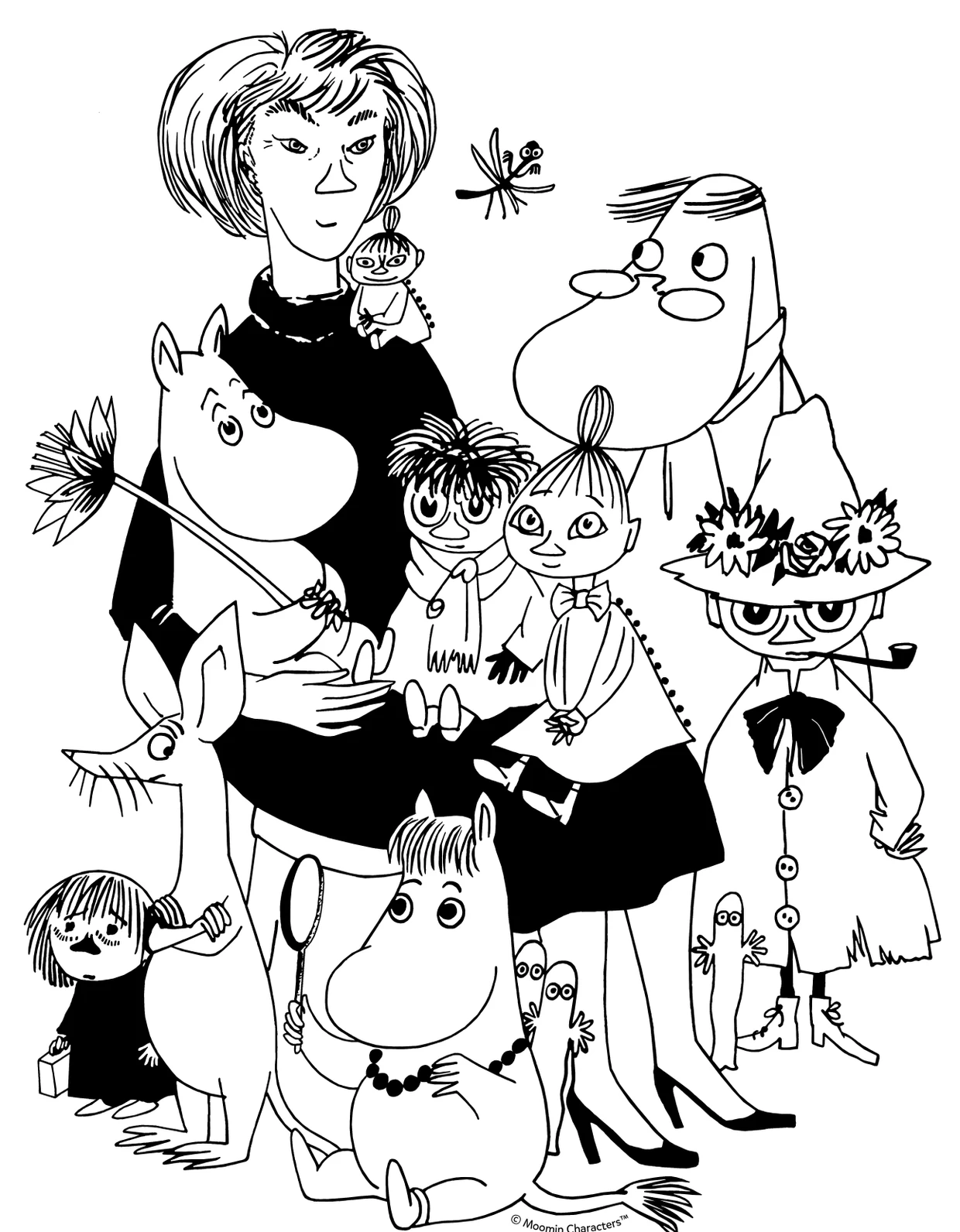
Roleff Kråkström, the husband of Tove’s niece Sophia Jansson, describes the firm’s philosophy as that of a "curator." In the early 2000s, the company undertook a "risky maneuver"—pulling back Japanese animation licenses that they felt were diluting the core message of the work. "Entertainment gives me more of what I already have," Kråkström explains. "Art gives me what I don’t yet know."
This commitment to the source material has paid off. In 2025, the Moomin brand has seen growth rates outperforming many tech firms, with significant expansion in the United States and Japan. Yet, the leadership insists that the primary goal remains to preserve Tove’s unique perspective: the understanding that "it is okay to be afraid, and we must be brave every day."
Implications: A Timeless Resonance
The significance of Tove Jansson’s work in the modern era cannot be overstated. As the world grapples with climate change and global instability, the Moomins’ deep, respectful, and sometimes fearful connection to nature feels increasingly relevant.
Lauri Porra, a prominent film composer and the great-grandson of Jean Sibelius, captured this sentiment in his 2021 work Seasons in Moominvalley. "We have war again," Porra notes. "We have the disconnection from nature. I wanted to create a world in which the listener could reside."
Furthermore, Jansson’s literary output—specifically her twelve books for adults, such as The Summer Book and Fair Play—has undergone a critical renaissance. Contemporary authors like Ali Smith and Esther Freud have championed these works as some of the finest prose produced in the Nordic region.
Official Perspective: The "Ghosts" of History
The personal life of Tove Jansson and Tuulikki Pietilä is now framed by a more nuanced understanding of their time. For decades, they lived as "ghosts"—a term they used for themselves—because homosexuality was illegal in Finland until 1971 and categorized as a disease until 1981.
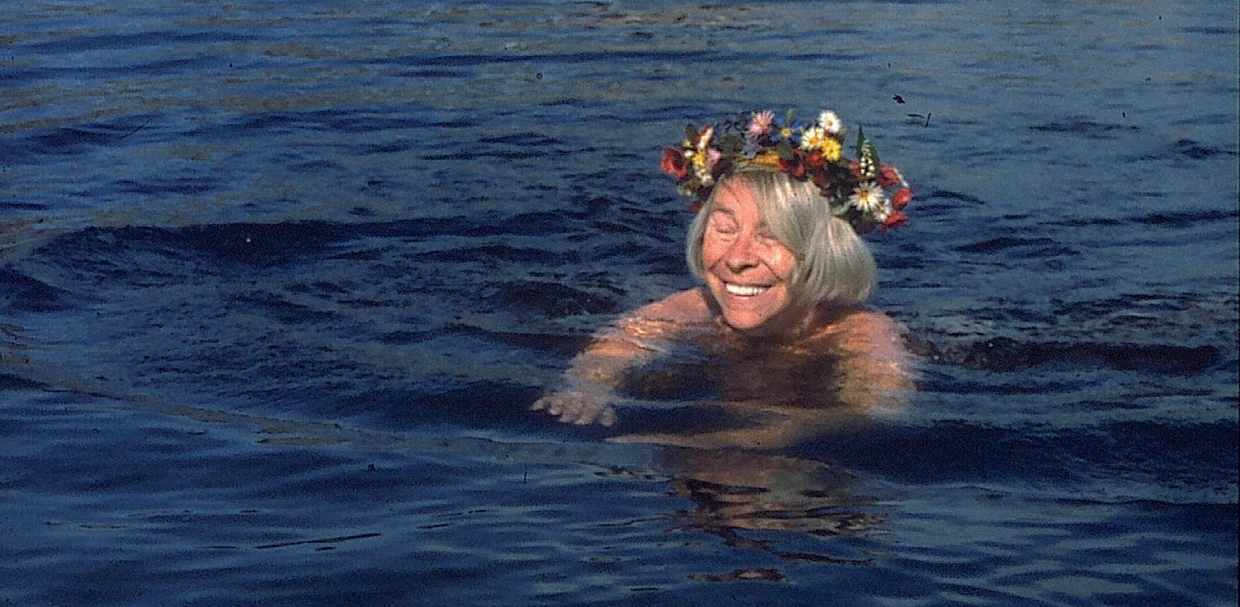
Sophia Jansson, Tove’s niece, reflects on this era with clarity: "It wasn’t gender that interested her; it was the individual." This focus on the human soul, rather than the societal label, remains the cornerstone of the Jansson legacy.
Conclusion: The Path Back to the Rock
Back in the Pellinge archipelago, visitors can still find the small cave where a young Tove built a hut in 1942. It is a reminder of the fragility of the creative process. In her writing, she spoke of the need to "make yourself very small… close your eyes tight and say a big word until you are safe."
For Tove Jansson, the islands were that safety. They were places where the clocks stopped, where the routine was not a drudgery but a meditation, and where one could finally be a person "with whom you can live." In a fast-paced, digital world, the enduring appeal of the Moomins and the sanctity of Klovharun serve as a profound invitation: to disconnect, to look at the horizon, and to find the courage to face the storm.
















Leave a Reply